So your rabbit might be pregnant. The first question that hits you is almost always, "How long do I have to prepare?" Let's cut straight to it: a rabbit's pregnancy, or gestation period, is famously short. We're talking about 30 to 32 days on average. That's it. From a single mating to a box full of wriggling kits (baby rabbits), you have roughly one month. But that number alone doesn't tell the whole story. I've been raising rabbits for over a decade, and I've seen does deliver perfectly at 28 days and others keep me waiting nervously until day 34. Understanding what happens during those 30-ish days is what separates a stressful experience from a successful one.
Think of it as a four-week sprint. It's intense, efficient, and demands your attention to detail. This guide won't just repeat the "31-day" fact you can find anywhere. We'll walk through each week, what's happening inside the doe, what you should be doing, and the subtle signs most beginners miss. We'll also tackle the real-world complications, like false pregnancies, which trick more owners than you'd think.
What You'll Find in This Guide
The Rabbit Gestation Period: A Detailed Timeline
That 30-32 day window isn't random. It's a biological marvel of efficiency. Here’s a breakdown of what to expect, week by week. This timeline is your roadmap.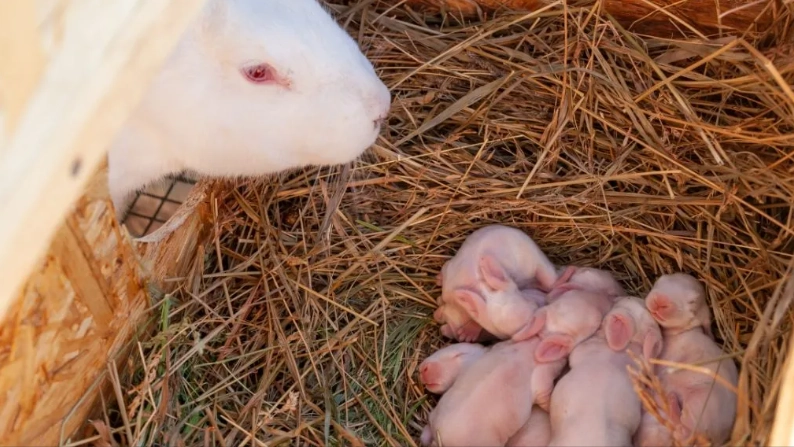
| Time Period | What's Happening | Owner Action Items |
|---|---|---|
| Week 1-2 (Days 1-14) | Fertilisation and implantation. Embryos begin developing. Very few external signs. | Keep environment stress-free. Maintain normal diet. Consider a vet visit for confirmation via palpation around day 14. |
| Week 3 (Days 15-21) | Rapid fetal growth. Doe's abdomen begins to round. Appetite increases noticeably. | Start gradual increase in food (see diet section). Provide extra bedding. Minimise handling. |
| Week 4 (Days 22-28) | Kits are fully formed, gaining final weight. Doe may become restless or seek seclusion. | Introduce the nest box by day 25. Ensure unlimited hay. Double-check her living space is secure and quiet. |
| Final Days (Days 29-32+) | Kindling (birth) preparation. Nest-building behavior: pulling fur, arranging hay. | Monitor closely. Do not disturb the nest. Have vet emergency contact ready. Provide plenty of fresh water. |
Notice how most of the visible action is packed into the last 10 days? That's why many first-time owners get caught off guard. They see no change for three weeks and think nothing's happening. Then, suddenly, their rabbit is pulling fur and they're scrambling for a box.
A key nuance often overlooked: breed size matters. Smaller breeds like Polish or Netherland Dwarfs tend to have shorter pregnancies, often closer to 28-30 days. The giant breeds, like Continental Giants, frequently go to 32-35 days. If you know the breed, you can fine-tune your expectations.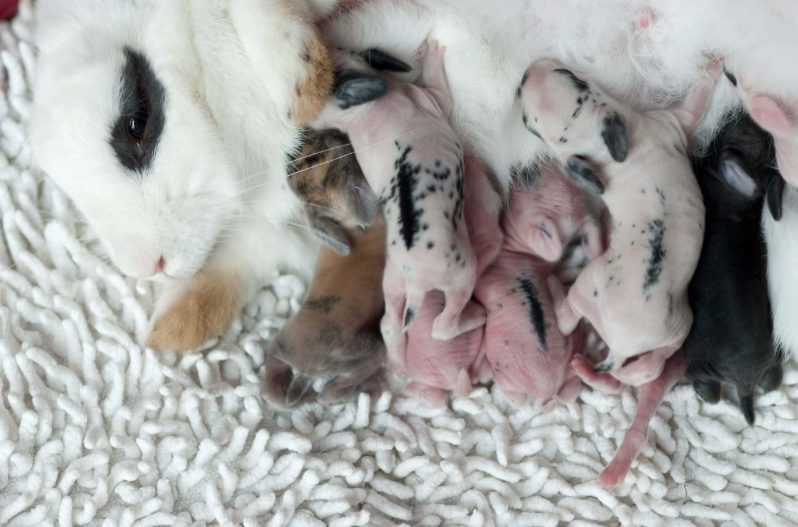
How Can I Tell If My Rabbit Is Pregnant?
You can't rely on a rabbit pregnancy test from the pharmacy. Confirmation requires observation and sometimes a professional touch.
Physical and Behavioral Signs:
- Appetite Shift: Around week two, she might start eating more. It's not always dramatic.
- Mood Changes: A usually friendly doe might become territorial or grumpy. Conversely, a shy one might seek affection. There's no one rule.
- Weight Gain & Abdomen: By the start of week three, her belly will lose its tucked-in shape and become rounder and firmer. Don't just look from above; view her from the side.
- Nest Building (The Big One): In the last week, she'll start gathering hay, straw, or anything shreddable in her mouth. The unmistakable sign is fur pulling. She'll pull soft fur from her chest, dewlap, and belly to create a warm lining. This is a surefire sign kindling is 24-48 hours away.
The False Pregnancy Trap: Here's where experience talks. A doe can undergo a false pregnancy (pseudopregnancy). After mating (or even just mounting by another rabbit), hormonal changes can make her believe she's pregnant. She'll show nesting behavior, pull fur, and even have a reduced appetite—all the classic signs. But it lasts about 18 days, and then it stops. No kits. It's heartbreaking if you were expecting babies, and it wastes her energy. If your rabbit "seems" pregnant but returns to normal after two and a half weeks, this was likely the cause.
Professional Confirmation:
The most reliable early method is palpation. Around day 14, a veterinarian or very experienced breeder can gently feel the abdomen and detect small, grape-sized embryos. I do not recommend beginners try this. It's easy to confuse fecal pellets for kits or, worse, injure the developing litter. A vet can also use an ultrasound for definitive confirmation.
Essential Care for a Pregnant Rabbit
Once you suspect or confirm pregnancy, her care protocol shifts. This isn't just about more food; it's about the right kind of support.
Diet: Fueling Growth
Her body is building an entire litter. Nutrition is non-negotiable.
- Unlimited Hay: Timothy or orchard grass hay remains the foundation. It provides essential fiber for her digestive system, which is always critical for rabbits.
- Increased Pellets: In the second and third weeks, gradually increase her plain, high-fiber pellets. Don't switch to alfalfa-based pellets unless your vet specifically advises it for an underweight doe. The extra calcium in alfalfa can be problematic. Increase by a small amount every few days.
- Fresh Greens & Water: Continue daily leafy greens (romaine, cilantro, kale) for vitamins and moisture. Her water intake will skyrocket, especially after birth when she's nursing. Check the water bottle or bowl twice daily.
A common mistake I see is owners dramatically overfeeding pellets right after mating. This can lead to an overweight doe and complications. The increase should be gradual and tailored. A small breed doe might only need an extra 1/4 cup total by the end, while a large breed might need an extra 1/2 cup or more.
Environment: Peace and Security
Stress is a major risk. Loud noises, predatory pets (like dogs or cats), frequent cage cleaning, or excessive handling can cause her to reabsorb the embryos or miscarry.
Keep her in her familiar, quiet space. Reduce handling to only what's necessary for health checks. If you need to move her, do it calmly and support her entire body.
Preparing for Kindling: The Big Day
The final stretch is all about preparation. By day 25, you should have a nest box ready.
The Nest Box: A simple wooden box with low sides (so she can get in and out) and high enough to contain the kits. Fill it with a generous layer of soft hay or straw. Place it in her favorite corner. She'll take over from there, rearranging the hay and adding her fur.
When Labor Starts: Kindling is usually fast, often happening in the quiet early morning hours. It's over in 30 minutes or less. The doe will clean the kits and eat the placenta (this is normal and provides nutrients).
Your Role: Be a quiet observer. Do not intervene unless absolutely necessary. A common panic moment is not seeing the mother nurse. Rabbits are prey animals; the mother only nurses once or twice a day for just a few minutes, usually under cover of darkness. If the kits are warm and have full, round bellies, they are being fed.
Check the nest once she has left it. Remove any stillborn kits or leftover placenta gently, using a spoon to avoid your scent. Do not handle the healthy kits.
Time is of the essence. If she hasn't given birth by day 35, or if you see signs of distress (straining without producing kits, bleeding), contact your veterinarian immediately.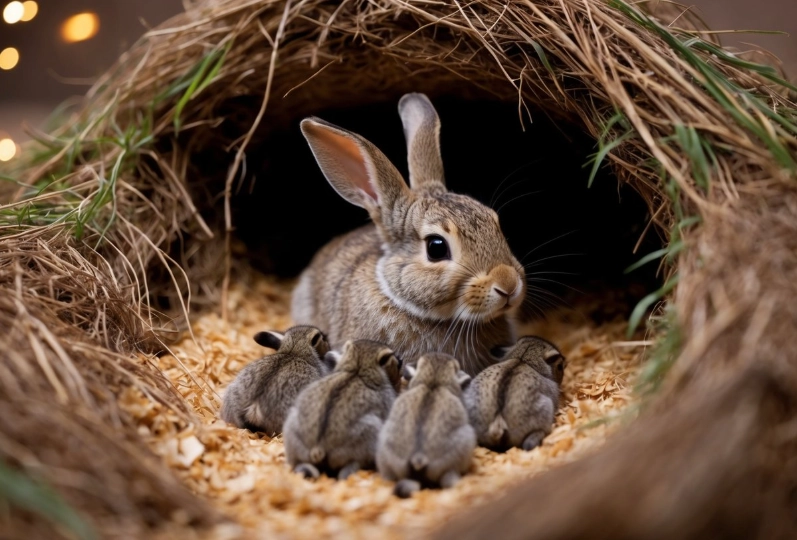
 What should I feed a pregnant rabbit?
Reader Comments