Quick Navigation: What You'll Learn
Let's get straight to the point. Bunny and rabbit refer to the same animal—technically. But if you've ever wondered why we use both terms, you're not alone. I've been raising rabbits for over a decade, and I still hear people mix them up in ways that can lead to confusion, especially in pet care. The difference isn't about biology; it's about language, culture, and context. In this guide, I'll break it down so you never second-guess yourself again.
Think about it. When you see a fluffy creature hopping in your yard, do you call it a bunny or a rabbit? Most folks use "bunny" for cute, small ones, but that's just scratching the surface. The real story involves history, science, and even some quirky human habits.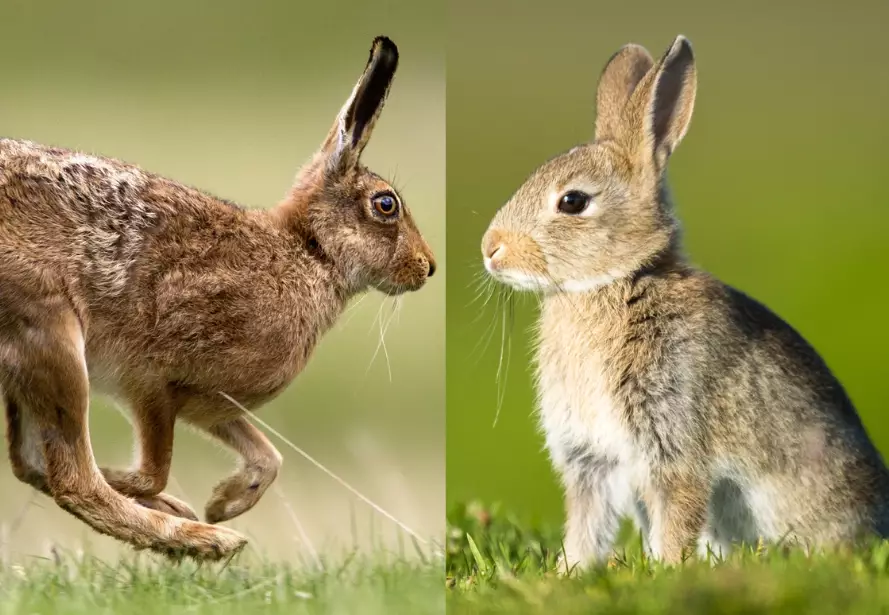
The Linguistic Origins: Bunny vs Rabbit
Words have a life of their own. "Rabbit" comes from the Middle English "rabet," which traces back to Old French. It's been around for centuries as the standard term for the animal. "Bunny," on the other hand, is a more recent invention. It emerged in the 17th century as a colloquial term, possibly from the Scottish "bun," meaning a rabbit's tail. Over time, "bunny" became associated with endearment and cuteness.
Here's something most articles miss: "bunny" isn't just for baby rabbits. In everyday speech, it's often used for any rabbit, especially in affectionate contexts. I've seen pet owners insist on calling their adult rabbits "bunnies," and vets roll their eyes—but language evolves. The key is understanding that "rabbit" is the formal, scientific term, while "bunny" is informal and emotional.
Pro tip: If you're writing a research paper or talking to a biologist, stick with "rabbit." In casual chat, "bunny" is fine, but know your audience. I once submitted a report using "bunny" and got feedback to use "rabbit" for clarity—lesson learned.
How Usage Varies by Region
In the UK, "bunny" is more common in pet circles, while in the US, "rabbit" dominates in formal settings. I've traveled to both places, and the difference is subtle but real. For instance, British children's books often feature "bunnies," whereas American veterinary guides prefer "rabbits." This regional nuance can trip up new pet owners.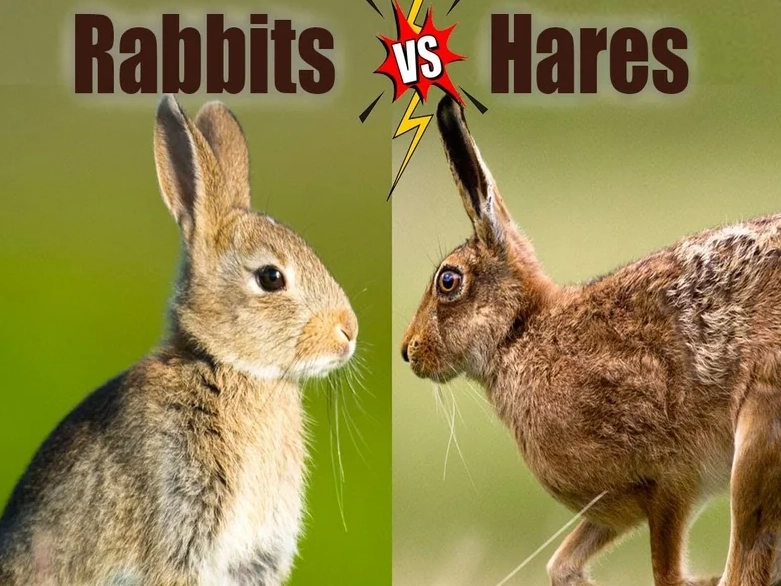
Biological Facts: Are They the Same Species?
Biologically, there's no distinction. Both terms refer to mammals in the family Leporidae, specifically the genus Oryctolagus cuniculus for the European rabbit, which is what most pet rabbits are. Whether you say bunny or rabbit, you're talking about the same creature with those long ears, powerful hind legs, and herbivorous diet.
But here's where it gets interesting. People often think "bunny" means a young rabbit, like a kitten for cats. That's a misconception. The correct term for a baby rabbit is a "kit" or "kitten." I've bred rabbits, and I cringe when folks call kits "bunnies"—it's not wrong per se, but it's imprecise. In biology, age matters for care, so using accurate terms can prevent mistakes in feeding or housing.
| Term | Meaning | Common Context |
|---|---|---|
| Rabbit | Formal name for the animal | Scientific, veterinary, official |
| Bunny | Informal, affectionate term | Pet names, children's media, casual talk |
| Kit | Baby rabbit | Breeding, biology, precise care |
This table sums it up, but let me add a personal note. When I first started breeding, I confused "bunny" with "kit," and it led to overfeeding some young ones. A mentor from the American Rabbit Breeders Association pointed out that precise language can save lives in animal care.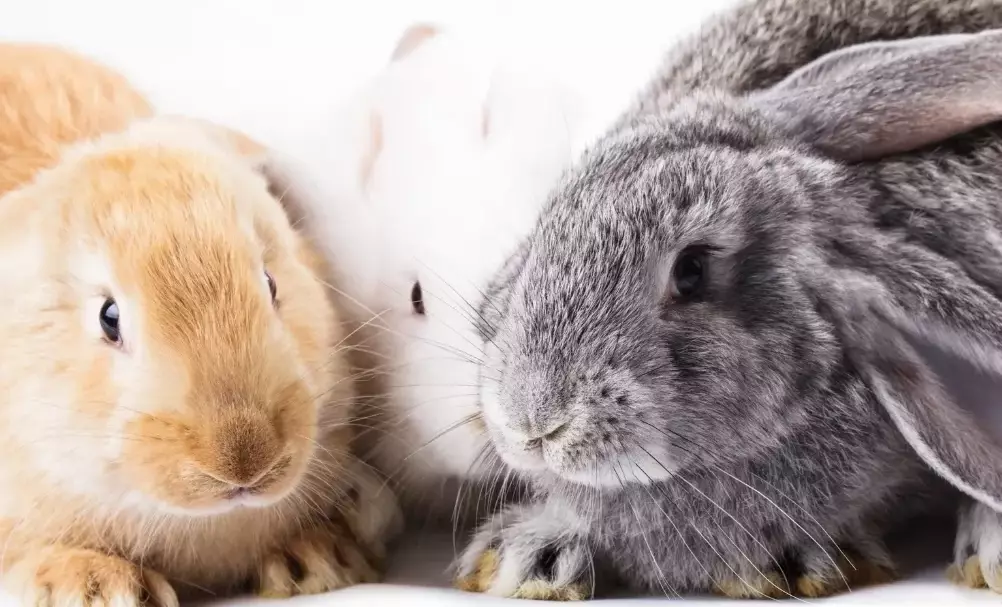
The Role of Species and Breeds
There are over 300 rabbit breeds worldwide, from the tiny Netherland Dwarf to the giant Flemish. Whether you call them bunnies or rabbits, each breed has unique needs. For example, a "bunny" like a Holland Lop requires different grooming than a "rabbit" like a Rex. The terminology doesn't change the biology, but it can affect how we perceive and care for them.
Cultural Perceptions and Common Misconceptions
Culture shapes our words. In Western media, "bunny" often conjures images of the Easter Bunny or cartoon characters—think Bugs Bunny, who's ironically called a rabbit but acts like a bunny in pop culture. This blend creates confusion. I've met people who believe bunnies are a separate, magical creature, not real animals.
One big myth: that bunnies are always small and rabbits are large. Not true. Size depends on breed and age. A mini Rex can be smaller than a baby Flemish rabbit, yet both are the same species. This misconception can lead to poor pet choices; someone might adopt a "bunny" expecting it to stay tiny, only to find it grows into a large rabbit.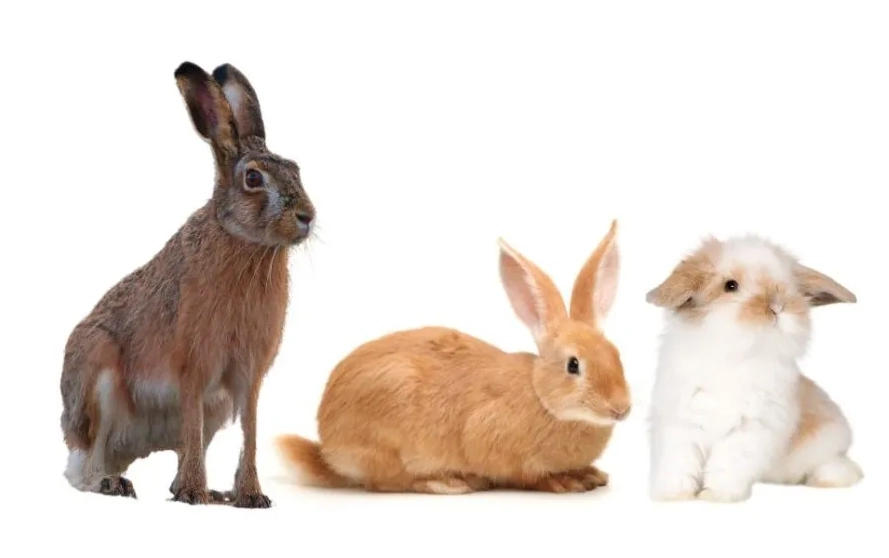
Personal story: A friend once bought a "bunny" from a pet store, thinking it was a dwarf breed. It turned out to be a mixed-breed rabbit that grew to 10 pounds. The seller had used "bunny" to make it sound cuter and easier to sell. Always ask for the breed name, not just the term.
How Marketing Exploits the Terms
Pet industries often use "bunny" to appeal to emotions, selling more animals during holidays. This practice, noted in reports from animal welfare groups, can lead to impulse buys and abandonment. As a responsible owner, I advise looking beyond the label. Check the animal's health, lineage, and care requirements, regardless of what it's called.
Practical Implications for Rabbit Owners
Why does this difference matter? For pet owners, terminology affects everything from vet visits to online searches. If you search for "bunny care," you might find more beginner-friendly tips, while "rabbit care" could yield scientific resources. I've seen both, and the overlap is huge, but nuances exist.
Here are key areas where the distinction plays out:
- Veterinary Care: Vets prefer "rabbit" for medical records. Using "bunny" might not be wrong, but it can cause mix-ups in prescriptions or treatments. My vet once told me that precise terms reduce errors in dosage calculations.
- Training and Behavior: Rabbits are intelligent, but calling them bunnies might make owners underestimate their needs. For instance, litter training a "bunny" sounds simpler than for a "rabbit," but the process is the same—patience and consistency.
- Housing and Diet: Whether you say bunny or rabbit, they need spacious enclosures and a diet high in hay. I've designed habitats for both, and the principles don't change, but using accurate terms in guides helps newcomers find reliable info faster.
Let's talk about a specific scenario. Suppose you're adopting a rabbit from a shelter. They might list it as a "bunny" to attract attention, but the adoption paperwork will use "rabbit." Read the fine print—knowing the terms can help you ask better questions about health history and care.
Resources for Further Learning
For authoritative info, I rely on sources like the House Rabbit Society and academic journals on lagomorphs. These organizations use "rabbit" consistently, emphasizing proper care. Don't just trust random blogs; cross-reference with established bodies to avoid myths.
FAQ: Your Burning Questions Answered
Wrapping up, the bunny vs rabbit debate isn't about right or wrong—it's about context. Whether you're a new owner, a curious reader, or a seasoned breeder, understanding these nuances can improve communication and care. Remember, the animal doesn't care what you call it; it just needs proper love and attention. So next time you see one hopping by, you'll know exactly what to say.
Reader Comments