After caring for rabbits for over a decade, I can tell you straight up: the best bedding for rabbits is absorbent, dust-free, and safe if ingested. Forget the fancy marketing—paper-based bedding or aspen shavings usually win for most owners. But let's dive deeper, because getting this wrong can lead to health issues like respiratory problems or digestive blockages. I've seen it happen when well-meaning owners use cedar shavings, thinking they're natural, only to find their bunny sneezing non-stop.
What You'll Find in This Guide
Why Bedding Matters More Than You Think
Bedding isn't just about comfort—it's about health. Rabbits spend hours in their enclosures, and poor bedding can cause big problems. I learned this the hard way when my first rabbit, Thumper, developed a mild respiratory issue from dusty hay bedding. The House Rabbit Society, a trusted authority, emphasizes that bedding should control moisture, reduce odor, and be non-toxic.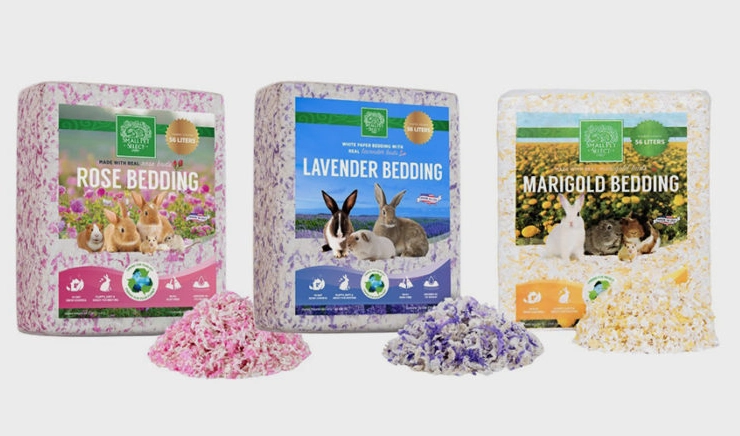
The Hidden Risks of Bad Bedding
Think about it: rabbits love to dig and nibble. If bedding is dusty, it can irritate their sensitive lungs. Some materials, like pine or cedar shavings, release phenols that are harmful over time. I've talked to vets who see cases where rabbits ingest unsafe bedding, leading to gut stasis. It's not worth the risk.
Bedding Types: A Side-by-Side Comparison
Let's break down the options. I've used most of these over the years, and here's my honest take.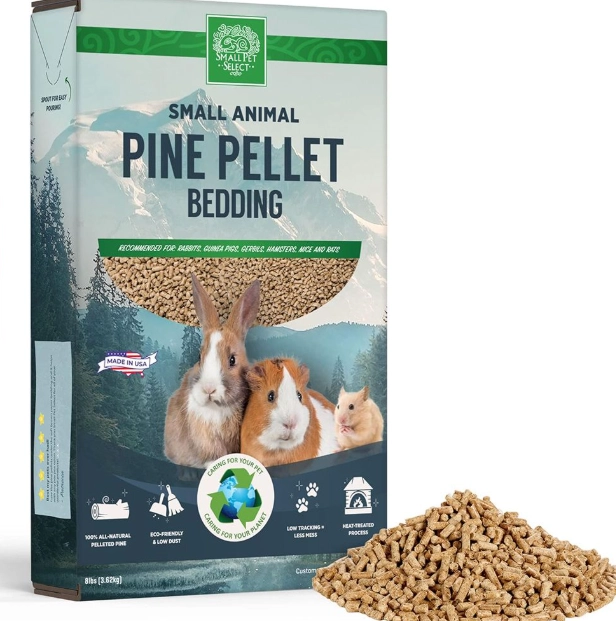
| Material | Pros | Cons | Best For | Approx. Cost (per month) |
|---|---|---|---|---|
| Paper-Based Bedding (e.g., Carefresh, Yesterday's News) | Highly absorbent, dust-free, safe if ingested, good odor control | Can be pricey, may need frequent changes if wet | $15-$30 | |
| Aspen Shavings | Natural, affordable, low dust, decent absorption | Less odor control than paper, can be messy | Outdoor hutches or budget-conscious owners | $10-$20 |
| Hay (timothy or orchard grass) | Edible, encourages foraging, natural | Poor absorption, can mold if damp, dusty varieties exist | Supplemental bedding or litter box topping | $5-$15 |
| Fleece Liners | Reusable, soft, easy to spot-clean | Requires washing, poor absorption without underlay, can cause slipping | Experienced owners who wash frequently | One-time $20-$50, plus laundry costs |
| Wood Pellets (e.g., pine pellets without additives) | Excellent odor control, very absorbent, cheap | Heavy, can be hard to find, not as soft | Large enclosures or odor-sensitive homes | $8-$15 |
Paper-based bedding is my top pick for most situations. It's what I use now for my two rabbits, and it keeps their space fresh with minimal dust. But aspen shavings are a close second—just avoid the cheap bags from big-box stores; they often contain hidden dust.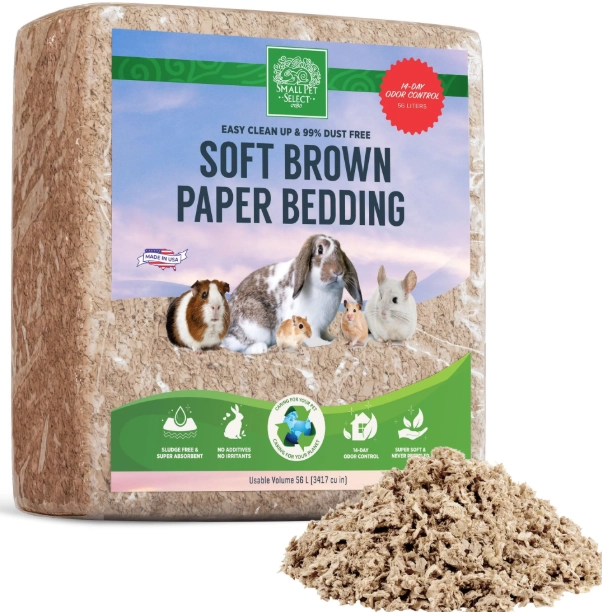
A Personal Note on Fleece
I tried fleece liners for a while. They look cute, but unless you pair them with an absorbent layer like towels or pee pads, urine pools on top. One of my rabbits hated the slippery feel and would avoid the area. It's a hassle to wash every few days, too.
How to Choose the Right Bedding for Your Rabbit
This isn't one-size-fits-all. Consider your rabbit's habits and your lifestyle.
Step-by-Step Selection Process
First, assess your rabbit's age and health. Older rabbits or those with arthritis need softer bedding. If your bunny is a heavy chewer, avoid materials that splinter. Second, think about your cleaning routine. Busy owners might prefer low-maintenance options like paper bedding. Third, factor in cost. Aspen shavings are economical, but if odor is a issue, invest in paper-based.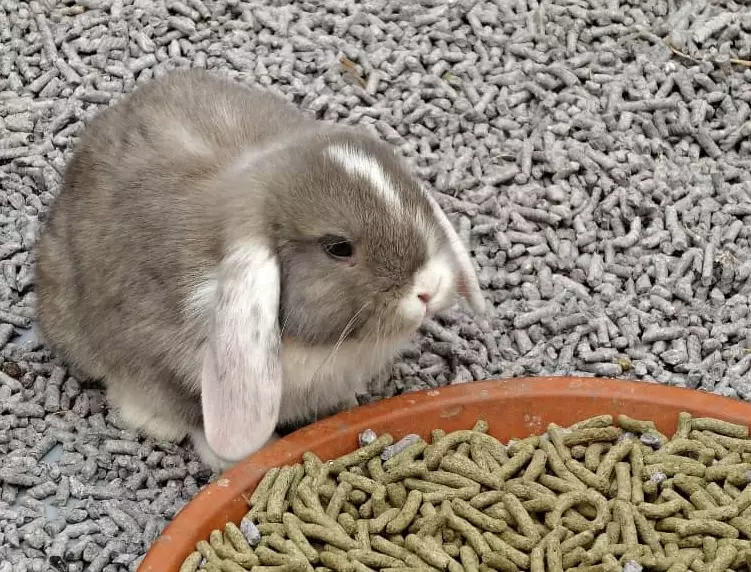
Here's a quick checklist I use:
- Absorbency: Does it soak up urine quickly? Test by pouring a small amount of water.
- Dust Level: Shake a handful—if you see particles in the air, skip it.
- Safety: Check if it's labeled non-toxic and safe for small animals.
- Odor Control: Smell it fresh; avoid scented varieties that can irritate rabbits.
Setting Up the Bedding System
Layer it right. Start with a base of newspaper or a pee pad for extra absorption, then add 2-3 inches of your chosen bedding. Spot-clean daily—remove wet patches to prevent ammonia buildup. Full changes depend on the material: paper bedding every 5-7 days, aspen shavings every 4-6 days. For hay, refresh daily since it gets soggy fast.
My routine: I use paper bedding in litter boxes and aspen in sleeping areas. It cuts costs and keeps things dry.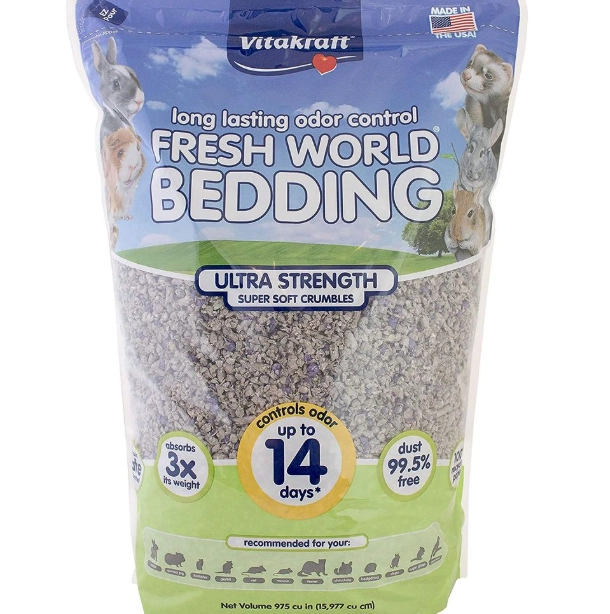
Common Bedding Mistakes Even Experienced Owners Make
We all mess up. Here are pitfalls I've learned from.
Using Cedar or Pine Shavings: They're cheap, but the phenols released can cause liver damage over time. I thought kiln-dried pine was safe until a vet pointed out residual risks. Stick to aspen if you want wood.
Neglecting Dust: Dust isn't just messy—it's a health hazard. One owner I know used a dusty hay brand, and her rabbit developed chronic sniffles. Always opt for dust-extracted products.
Overlooking Ingestion Risks: Rabbits will nibble bedding. If it's not digestible, like some synthetic fibers, it can cause blockages. Paper-based bedding dissolves safely if eaten in small amounts.
Skimping on Depth: Too thin bedding means urine soaks through to the cage floor, leading to stains and odor. Aim for at least 2 inches. I made this error early on and had to scrub cages weekly.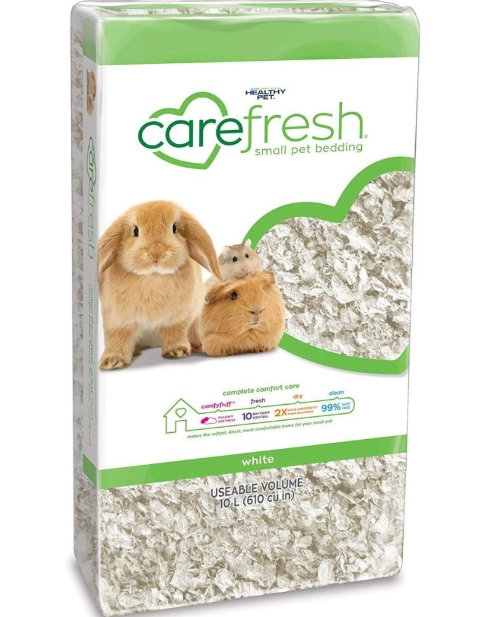
Your Rabbit Bedding Questions Answered
Wrapping up, the best bedding for rabbits balances safety, absorbency, and practicality. Start with paper-based or aspen shavings, avoid scented or dusty products, and tailor your choice to your rabbit's needs. Remember, good bedding is an investment in your bunny's long-term health. If you're unsure, consult resources like the House Rabbit Society for updated guidelines. Happy rabbit parenting!
Reader Comments