Let's get this out of the way first: scientifically speaking, a bunny and a rabbit are the same animal. There, I said it. If you stop reading now, you have the textbook answer. But if you've ever wondered why we use two completely different words for the same fluffy creature, or felt a little silly correcting someone, you're in for a treat. The real story is a hilarious mix of language evolution, pop culture, and some subtle biological truths that even experienced pet owners get wrong. It's not just a matter of cuteness level (though that's part of it). Understanding the bunny and rabbit difference can actually make you a better caretaker.
What You'll Discover in This Guide
The Scientific Truth: They're All Lagomorphs
Biologically, all domestic animals we call rabbits or bunnies belong to the family Leporidae and the order Lagomorpha. The term "rabbit" is the standard, formal English name for the animal. There's no subspecies called "Bunnius adorableus."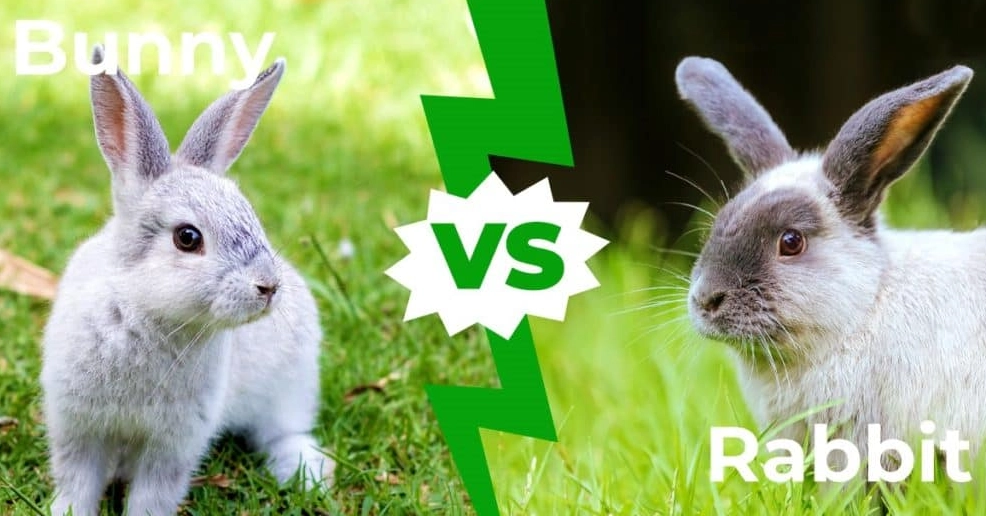
Where it gets slightly more nuanced is with hares. Hares are a different genus within the same family. They're larger, have longer ears and legs, and are born fully furred with eyes open. Rabbits (and bunnies) are born blind and hairless. This is a common point of confusion. When people see a wild jackrabbit (which is actually a hare) and call it a rabbit, they're technically wrong. But nobody calls a jackrabbit a "bunny." That word is reserved for the softer, tamer image.
I remember confidently explaining the rabbit-hare difference to a friend, only for her to ask, "So what's a bunny?" I froze. I had a biology degree, but no professor ever covered the "bunny" classification. That's when I realized the science only tells half the story.
How "Bunny" Became the Word for "Cute"
This is where the fun begins. "Bunny" is a classic example of what linguists call a hypocorism—a cute, altered form of a word. It likely evolved from the Scottish word "bun," meaning a rabbit's tail, or was a childish corruption of "rabbit." By the 1600s, it was an endearing term, mostly for young girls or small, cute animals.
The 20th century supercharged it. Cartoons and marketing did the heavy lifting.
Think about it: Bugs Bunny isn't called Bugs Rabbit. The Easter Bunny delivers eggs. Playboy uses a bunny as its logo. These cultural icons cemented "bunny" as the term for the friendly, approachable, often anthropomorphized version of the animal. "Rabbit" remained for wild animals (like the cottontail rabbit), scientific contexts, and sometimes for the adult, more serious pet.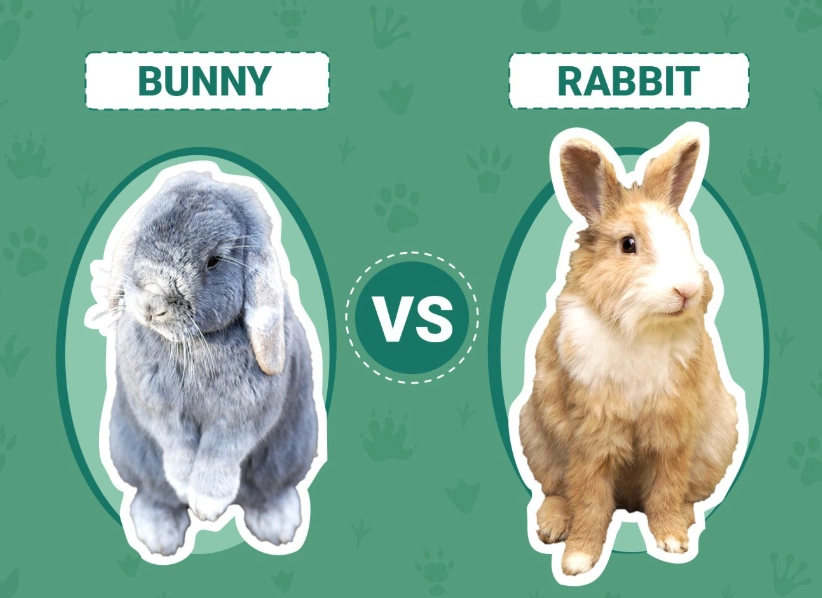
The Pop Culture Test
Try this mental exercise. Which sounds right?
"Honey, the kids want a pet rabbit." (Sounds like a practical decision.)
"Honey, the kids want a pet bunny." (Sounds like they've been begging for a fluffy ball of joy.)
The second sentence carries an emotional weight the first one doesn't. That's the power of the word.
The Behavior Myth: Are Bunnies Calmer Than Rabbits?
Here's a non-consensus view that drives rabbit rescue volunteers nuts: There is no behavioral difference inherent to the words "bunny" and "rabbit." The perceived difference is 100% about age and socialization, not vocabulary.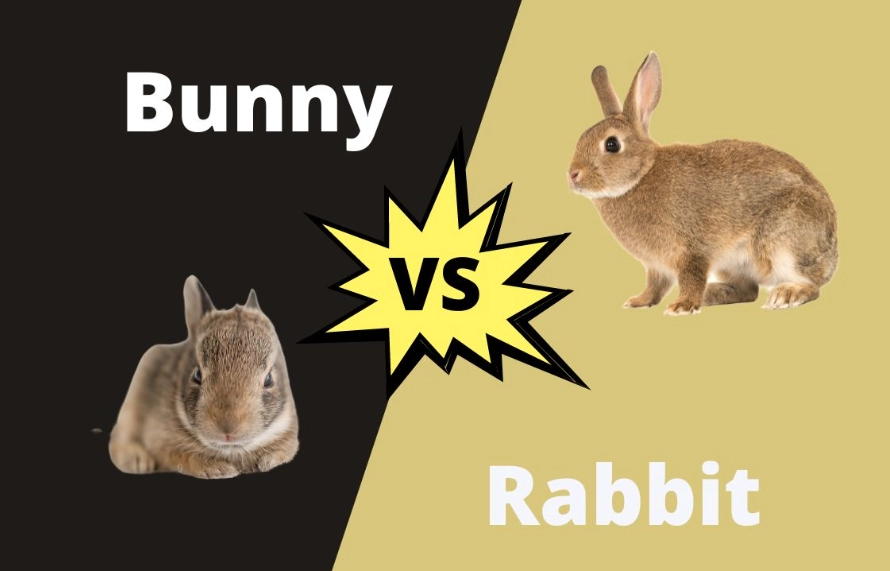
People often say, "My bunny was so sweet as a baby, but now it's a grumpy rabbit." What they're actually describing is the transition from a juvenile to a sexually mature adult. Rabbits, like all animals, go through hormonal changes. A 4-month-old "bunny" is exploring. A 9-month-old "rabbit" of the same animal might be territorial, less cuddly, and prone to nipping or spraying.
The fix isn't renaming your pet. It's often spaying or neutering, which calms hormones dramatically. The sweet, curious personality of the "bunny" stage usually returns post-surgery. Blaming the shift on it becoming a "rabbit" is a linguistic scapegoat for a biological process.
| What People Think They're Describing | What's Actually Happening | The Real Solution |
|---|---|---|
| "My bunny is so cuddly." | You likely have a young rabbit, or one that is well-socialized and trusts you. | Continue gentle handling and positive reinforcement. |
| "My rabbit is so aloof and destructive." | You likely have an unneutered adult rabbit, or one lacking mental stimulation. | Consult a vet about spay/neuter. Provide more toys, hiding spaces, and supervised playtime. |
| "Wild rabbits are skittish, but my bunny is friendly." | Domestication and early human contact. Wild rabbits are never called bunnies because they lack the associated tame image. | This perception is accurate to the word's usage, but it's about upbringing, not species. |
Why This Distinction Matters for Pet Owners
If the words are interchangeable, why care? Because the mindset behind the word "bunny" can lead to poor pet ownership decisions. This is the critical user.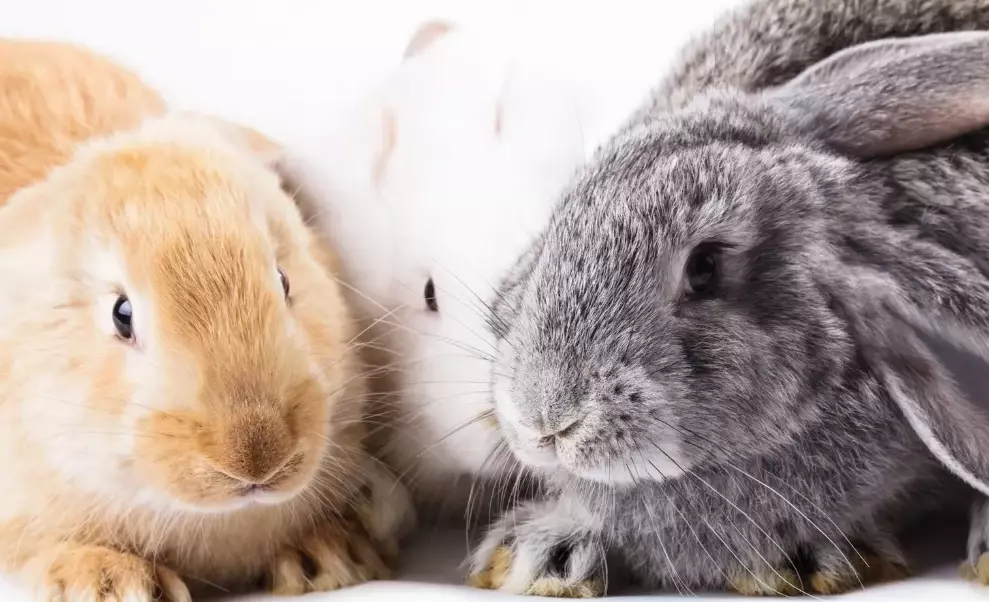
The "bunny" image is passive, decorative, and endlessly gentle. It's a living stuffed animal. This leads to impulse buys around Easter, tiny inadequate cages marketed as "bunny huts," and diets centered on carrots (which are actually high in sugar).
The "rabbit" image, while less cute, aligns better with reality: they are active, intelligent, territorial, require spacious enclosures (like an exercise pen, not a cage), need a diet of mostly hay, and live 8-12 years. Recognizing you're getting a rabbit, even if you call it a bunny, sets the right expectations.
When you search for care advice, using "rabbit care" often yields more serious, detailed resources from organizations like the House Rabbit Society or veterinarians. "Bunny care" searches might bring up more simplistic, product-focused pages. It's a subtle filter.
Choosing Your First Rabbit: A Practical Scenario
Imagine you're at a shelter. You see two identical-looking Netherlands Dwarfs.
The volunteer says, "This one is a sweet little bunny. Loves to be held." Your heart melts.
Then they say, "This rabbit here is more independent. She's curious but likes her space."
The language immediately shapes your choice. But the expert move? Ask different questions. Ask about age, spay/neuter status, known health history, and what their current diet and litter habits are. The labels "bunny" and "rabbit" in this context are just personality snapshots, not care manuals.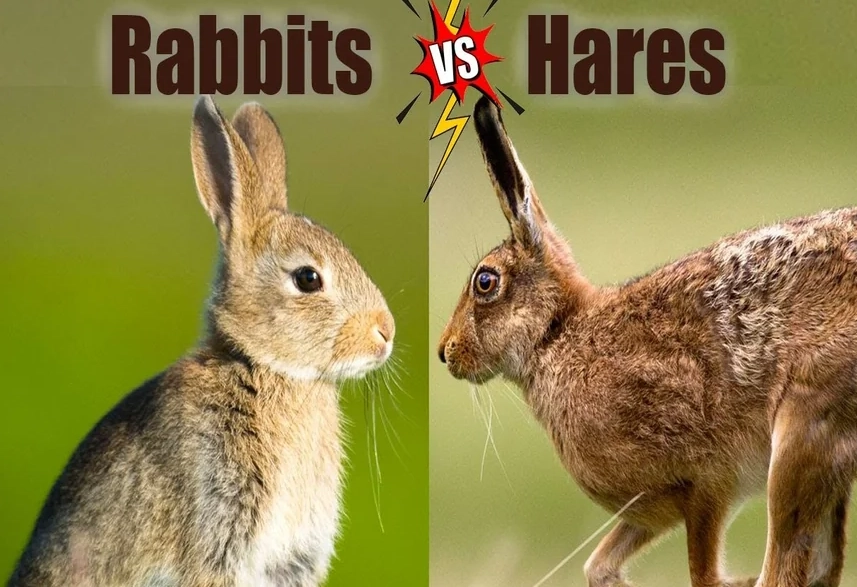
The Funny Side: Stories and Facts
Let's lighten the mood. The bunny/rabbit confusion creates genuine comedy.
I once overheard a parent at a petting zoo: "Look, Billy, a baby bunny!" The kid, no more than five, looked dead at the adult Flemish Giant (a massive breed) and said, "That's not a baby. That's a giant rabbit." Out of the mouths of babes—sometimes they see past the words.
Here are some funny, lesser-known facts that blur the lines:
- The Great Terminology Flip: In some historical texts, "cony" (pronounced "cunny") was the word for the adult animal, and "rabbit" referred specifically to the young. Language is a messy, evolving thing.
- Binky vs. Zoomies: Only in the rabbit world does a joyful jump-twist in midair have its own adorable name: a binky. Calling it "the zoomies" just doesn't capture the pure, unadulterated bunny (yes, bunny) joy.
- Cultural Exceptions: In British slang, "rabbit" can mean to talk incessantly (from "rabbit and pork" = Cockney rhyming slang for "talk"). You'd never say, "She just bunnied on all night." It doesn't work.
Your Questions, Straight from the Hutch
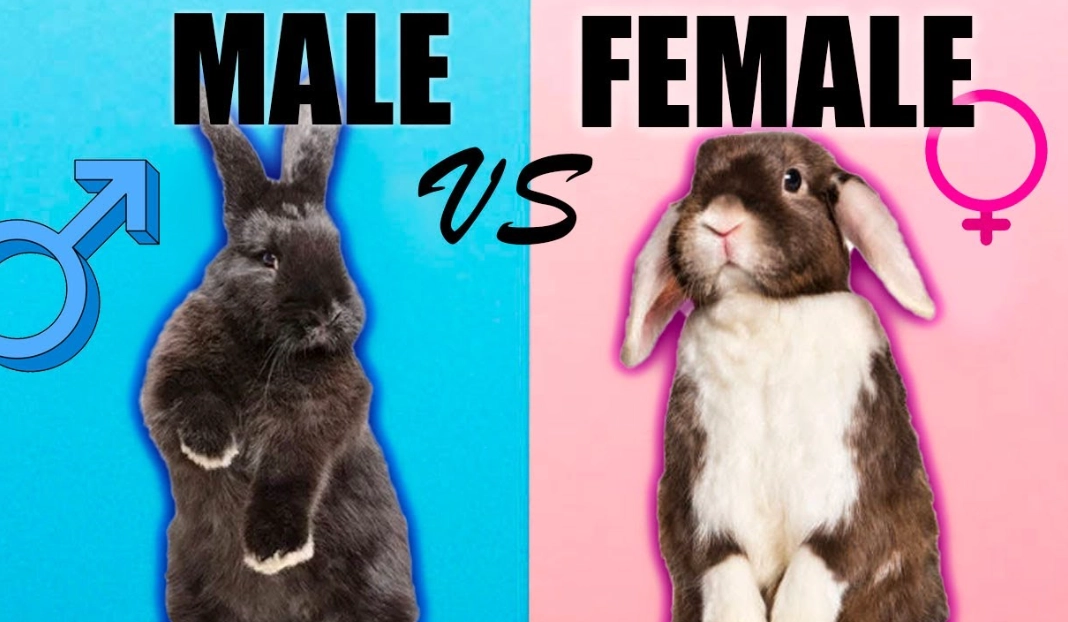
Both are correct, but the vet is using the formal, clinical term. Think of it like your doctor's chart saying "male" or "female," while your friends call you a guy or gal. The vet's terminology ensures clarity in medical records. Don't worry, they still know your pet is adorable.
Frame it as an upgrade. "That cartoon bunny is so cool because it's smart and has adventures! Real bunnies are like that too—they're super smart and need big spaces to explore and play. Having a real one means we get to build it an awesome castle (playpen) and teach it tricks. It's more work than the cartoon, but way more fun." Then, involve them in researching real rabbit care. It turns a fantasy into a responsible project.
In everyday conversation, not at all. Within the rabbit enthusiast community, it's fine too, as long as your care is serious. The only time it might raise an eyebrow is in a strict biological or agricultural context. If you're talking to a 4-H judge about your show animal, you'd say "rabbit." If you're posting a photo of your pet destroying a cardboard box online, "bunny" is perfect. The offense isn't in the word, but in treating the animal as a disposable accessory, which the word "bunny" can sometimes unintentionally imply.
This is pure perception based on size and features. A tiny, round-faced Netherland Dwarf with baby-like features (neotenous traits) screams "bunny." A large, angular Belgian Hare looks like a "rabbit." The Lionhead, with its fluffy mane, sits right in the middle. The breed doesn't change the science, but our brains are wired to associate certain shapes with youth and cuteness—the essence of "bunniness."
So, what's the final verdict? A bunny is a rabbit seen through the lens of affection, culture, and often, youth. The difference isn't in their DNA, but in our heads and our hearts. Knowing this lets you enjoy the fun of the word "bunny" while providing the serious, informed care that every "rabbit" deserves. Whether you call yours a fluffle-bun, a hopper, or Sir Fluffybottom, just make sure it has plenty of hay.
Reader Comments