You see them in pet shops, looking adorable in tiny cages, or hopping around idyllic gardens in cartoons. The idea of a quiet, cuddly rabbit as a low-maintenance pet is incredibly appealing. I thought so too, fifteen years ago before I brought home my first rabbit, Thumper. Let me tell you, the reality was a wake-up call—a wonderful, challenging, and deeply rewarding one. The truth about rabbits as pets isn't a simple list of pros and cons; it's a commitment that sits somewhere between a cat and a dog in terms of need, but with its own unique rulebook. Many end up in shelters because people buy into the "easy pet" myth. This guide cuts through that. We'll look at the genuine joys, the hard realities, and the specific, often overlooked details that will help you decide if a rabbit is the right companion for your home.
What's Inside This Guide
The Surprising Benefits of Rabbit Companionship
When rabbits are understood and cared for properly, they become incredible pets. The pros go far beyond just being cute.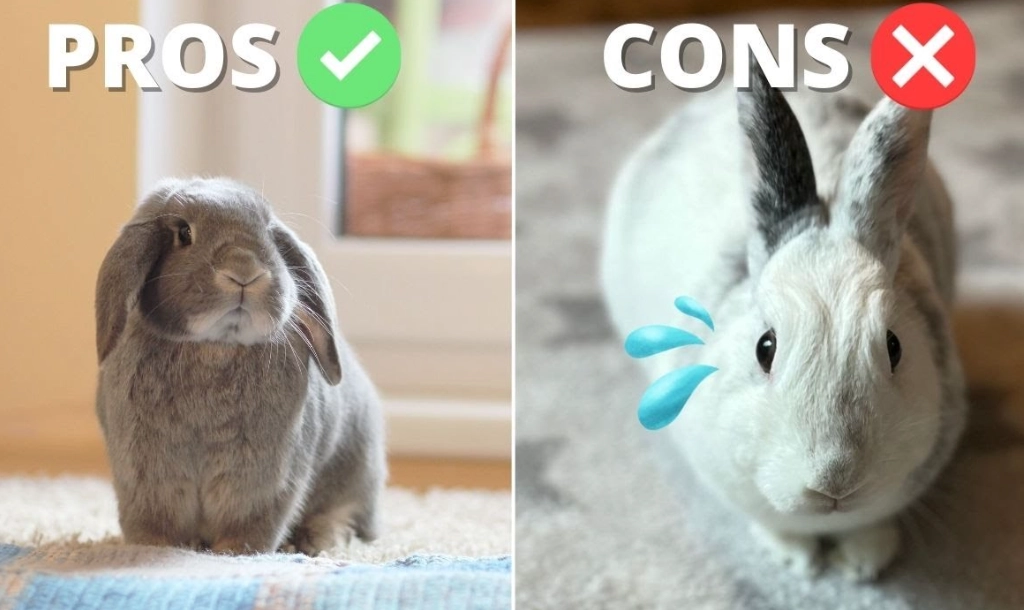
Deep Bonds and Unique Personalities
Forget the idea of a decorative animal. Rabbits are prey animals, so trust is earned, not given. When they feel safe, their personalities shine. My current rabbit, Mochi, follows me from room to room, nudges my leg for pets, and even jumps on the couch to loaf beside me. They don't show affection like a dog, but a rabbit gently grinding its teeth (purring), giving you soft licks, or flopping over completely relaxed next to you is a sign of total contentment. This earned trust is profoundly rewarding.
Quiet and (Mostly) Odorless Companions
In an apartment or a shared living space, noise matters. Rabbits are virtually silent. No barking, no screeching. The loudest sound is the occasional happy "binky" (a jump and twist in the air) that might thump on the floor. As for smell, a well-cared-for rabbit housed indoors with a proper litter box setup has almost no odor. The secret? It's 90% diet. A high-fiber, hay-based diet produces dry, odorless droppings. Smell usually indicates a problem with diet, cleaning, or health.
Intelligence and Litter Training
This one surprises people. Most rabbits can be litter trained as easily as a cat. They naturally pick a corner. You just place a litter box there with rabbit-safe litter (paper-based, never clumping clay or pine/cedar shavings). They'll use it consistently for both urine and poop. They can also learn commands. Mochi comes when called (for treats, admittedly) and knows "up" and "off" for furniture. It requires patience, but their intelligence is a definite pro.
Longevity and Lifestyle Fit
With proper care, a house rabbit lives 8 to 12 years. This is a long-term companion, not a short-lived pet. For people with a moderately active lifestyle who are home a fair amount, a rabbit fits well. They don't need walks, but they do need daily supervised time out of their enclosure to run and explore. It's a different rhythm than dog ownership, often calmer and more home-centric.
The Realities and Challenges of Rabbit Ownership
This is where the "low-maintenance" fantasy crashes. Being honest about the cons prevents failed adoptions.
Space and Housing: It's Not a Hutch Life
The biggest mistake is keeping a rabbit in a small cage. It's cruel and leads to health and behavior issues. Rabbits need space to run, jump, and stand fully upright on their hind legs. The House Rabbit Society, a fantastic authority, recommends a minimum enclosure size of at least 8 square feet, plus multiple hours daily of exercise in a rabbit-proofed room. A better setup is a large dog exercise pen (x-pen) or a free-roam room. My office is Mochi's free-roam zone, with cords hidden and baseboards protected.
Destructive Behavior: The Chewing Reality
Rabbits must chew to wear down their ever-growing teeth. Baseboards, furniture legs, carpet corners, and electrical cords are all fair game. Rabbit-proofing is non-negotiable and ongoing. You need cord protectors, bitter apple spray, and a supply of approved chew toys (applewood sticks, willow balls). I lost a laptop charger in my early days. It's not malice; it's biology. If you cherish pristine furniture, this is a major con.
Fragile Health and Veterinary Costs
Rabbits are experts at hiding illness, a prey animal instinct. By the time they show symptoms, it can be serious. They require a veterinarian who specializes in "exotics"—not your standard cat-and-dog vet. These visits are more expensive. A routine check-up can cost $80-$150. Emergencies like GI stasis (a common, life-threatening gut slowdown) can easily run into the hundreds or thousands. You must have a vet fund.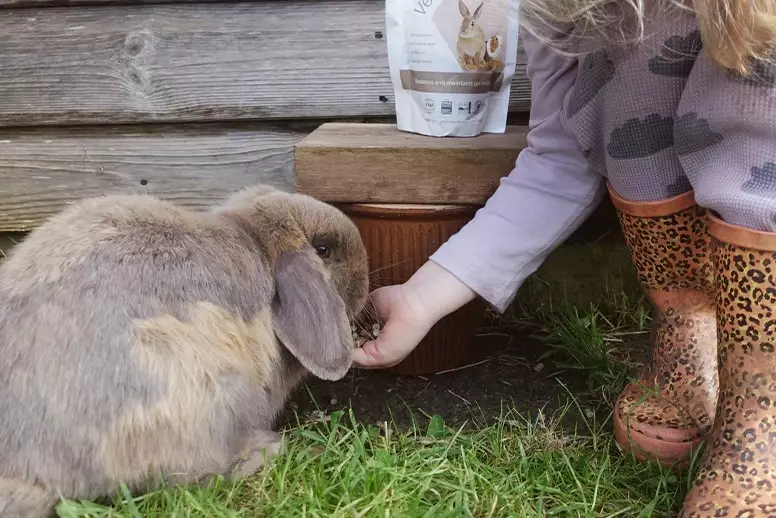
| Common Health Concern | What It Is | Prevention/Tip |
|---|---|---|
| GI Stasis | The digestive system slows or stops. A top killer of pet rabbits. | Unlimited timothy hay is critical. Watch for reduced poop/eating. |
| Dental Disease | Overgrown teeth causing pain, abscesses. | Constant hay chewing wears teeth down. Annual vet checks. |
| Respiratory Issues | Snuffles (pasteurellosis), often chronic. | Keep environment clean, low-dust, well-ventilated. |
| E. Cuniculi | A parasitic infection affecting balance/kidneys. | Discuss testing with your vet. Can be managed if caught. |
Social Needs and Boredom
A lonely rabbit is a depressed, destructive rabbit. They are highly social. If you're gone 10+ hours a day, a single rabbit will suffer. The best solution, strongly advocated by experts, is to adopt a bonded pair. They keep each other company. A solo rabbit needs several hours of direct human interaction daily. It's not a pet you can just feed and ignore.
The True Cost of Rabbit Care
Let's talk numbers, because the initial $50 rabbit is the cheapest part.
Start-Up Costs: Large enclosure/x-pen ($100-$200), litter boxes, hay feeder, water bowls, carrier, rabbit-proofing supplies, hidey house. Easily $300-$500 upfront.
Monthly Costs: Unlimited hay (a huge bag costs $30-$50), fresh greens, high-quality pellets, litter. Budget $50-$80/month.
Annual/Variable Costs: Exotic vet check-up ($100+), vaccinations (where required), emergency fund. This is where people get caught off guard.
How to Decide if a Rabbit is Right for You
Don't decide based on emotion after seeing a cute face. Audit your life.
Your Home: Do you have space for a large pen and a safe, rabbit-proofed area for play? Are you willing to protect your belongings?
Your Time: Can you commit to daily cleaning (spot-cleaning litter boxes, refreshing hay), daily social time, and supervised playtime?
Your Budget: Can you handle the monthly expenses and have savings for a potential $500+ vet bill?
Your Household: Are other pets or young children present? Rabbits and predators (dogs, cats) require extremely careful, supervised introductions. Small children often move too quickly and can accidentally injure a fragile rabbit or be scratched.
If you're leaning towards yes, always adopt, don't shop. Shelters and rabbit rescues are full of wonderful bunnies needing homes. You can often find an already spayed/neutered and socialized adult rabbit, skipping the difficult adolescent phase. Organizations like the House Rabbit Society have adoption networks.
Reader Comments