If you're asking this question, you're likely staring at a nest of adorable, fuzzy kits or planning for a litter. The short, critical answer is this: Baby bunnies should stay with their mother for a minimum of 8 weeks. Not 6, not 7, but a full 8 weeks. Separating them earlier is one of the most common and detrimental mistakes new rabbit caregivers make. I've raised rabbits for over a decade, and I've seen the consequences of early separation firsthand—stunted growth, fragile immune systems, and behavioral issues that last a lifetime. This guide will walk you through not just the "when," but the "why," and the "how" of this essential period, ensuring your baby bunnies get the best start in life.
What You’ll Learn in This Guide
The 8-Week Rule: Why It’s Non-Negotiable
That 8-week mark isn't arbitrary. It's hardwired into rabbit biology. Pulling kits away sooner disrupts two fundamental development pillars: nutrition and social learning.
For the first 3-4 weeks, mother's milk is everything. It's a superfood packed with antibodies and nutrients specifically designed for rapid bunny growth. Around weeks 3-4, they start nibbling on solid food (alfalfa hay, high-quality pellets), but they still rely heavily on milk for crucial immune support and digestive development. Cutting off this supply at 6 weeks leaves their gut microbiome underdeveloped. The result? A kit prone to life-threatening conditions like enteritis, a severe gastrointestinal issue.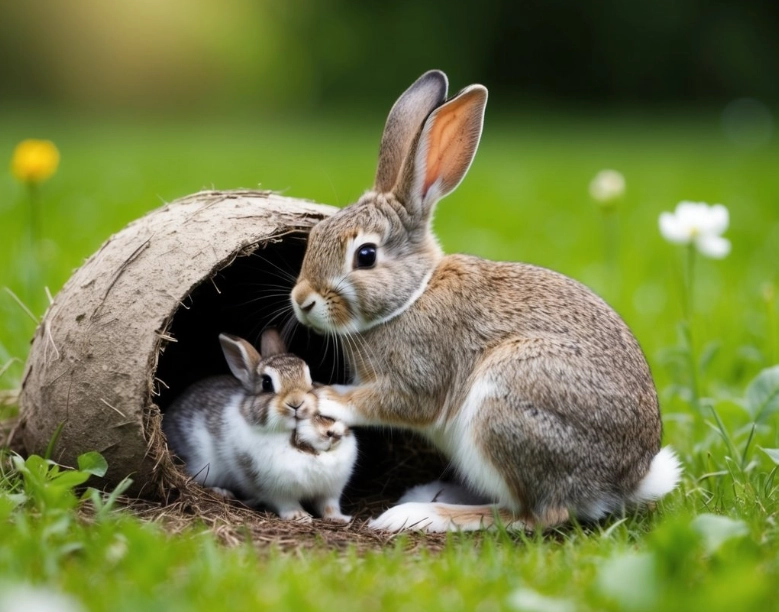
Then there's the social curriculum. From weeks 4 to 8, kits learn rabbit etiquette from their mom and siblings. They learn bite inhibition (how to nibble without hurting), proper grooming habits, and communication through body language. A kit taken too early often becomes the "problem" rabbit—overly aggressive, fearful, or unable to interact properly with other rabbits later on.
A Week-by-Week Breakdown of the Weaning Process
Let's get specific. Here’s what’s happening inside the nest box and what you should be doing as the caregiver.
| Age | What the Kits Are Doing | What the Mother (Doe) Is Doing | Your Key Responsibilities |
|---|---|---|---|
| Birth - 2 Weeks | Eyes & ears sealed. Entirely dependent on milk. Staying in nest. | Nursing 1-2 times daily (usually at night). Keeping nest clean. | Do NOT disturb nest. Check quietly for health. Ensure doe has unlimited food/water. |
| 3 - 4 Weeks | Eyes open. Starting to explore nest box. Begin eating mom's pellets/hay. | Nursing continues. May start spending less time in nest. | Introduce a shallow dish of water. Start providing fresh alfalfa hay and high-quality junior pellets in the nesting area. |
| 5 - 6 Weeks | Highly active, playing. Eating significant amounts of solids. Milk still vital. | Nursing frequency decreases but remains critical. | Monitor kit weight gain. Ensure no kit is being bullied away from food. This is the peak growth period. |
| 7 - 8 Weeks | Fully furred, mini-adults. Solid food is primary nutrition. Social play peaks. | May actively avoid nursing. Weaning process is mutual. | Prepare for separation. Have new housing ready. This is the time for final health checks and sexing (best done by a vet or experienced person). |
Notice that at 6 weeks, they're just hitting peak growth. Separating them then cuts off the final, stabilizing phase of maternal care.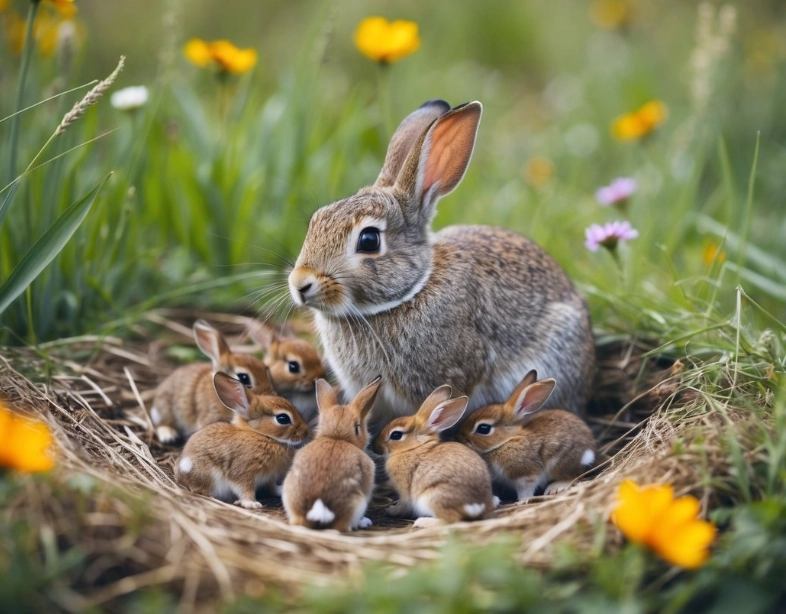
How to Safely Separate Baby Bunnies from Their Mother
Don't just grab all the kits and move them out one day. A gradual approach reduces stress for everyone—the doe, the kits, and you.
Start around week 7 by ensuring the kits are fully independent eaters and drinkers. Watch them use a water bottle or bowl confidently.
On separation day (week 8), move the kits as a group to their new, prepared enclosure. Keep them together for at least another 1-2 weeks. Separating them from their littermates at the same time you separate them from mom is a double trauma. They need the familiarity of their siblings.
The mother usually doesn't show distress—in fact, she's often ready for a break. But monitor her for any signs of mastitis (swollen, hot mammary glands), which can occur if weaning is abrupt, though it's less common when timed correctly.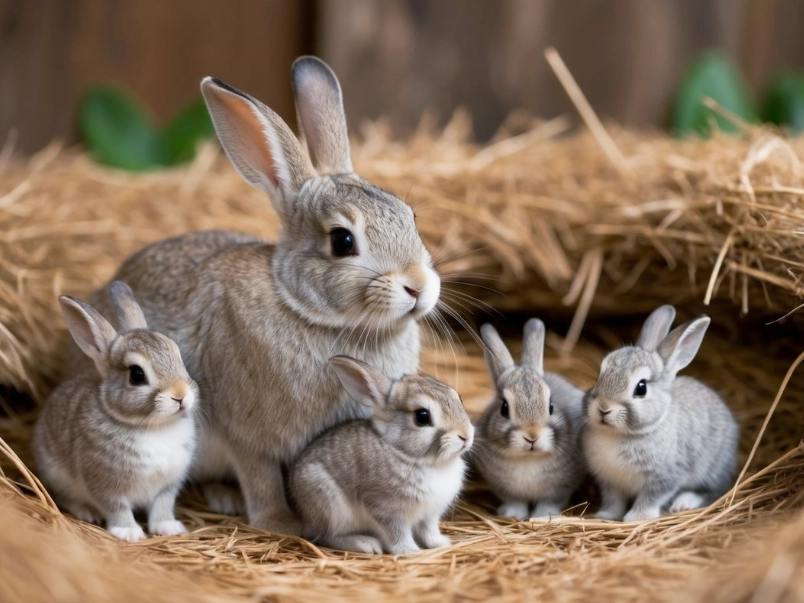
Critical Care for Kits After Leaving Mom
Your job intensifies now. Here’s the post-weaning protocol:
Diet is Paramount: Continue unlimited alfalfa hay and alfalfa-based juvenile pellets until they are 6-7 months old. Alfalfa is higher in calcium and protein, essential for growing bones. The switch to timothy hay and adult pellets happens later. Fresh water must always be available.
Housing: Keep littermates together initially. Provide plenty of space to run, hide, and play. A cramped cage will lead to squabbles and stress.
Health Watch: Post-weaning diarrhea is a major risk. It’s often linked to an immature gut, stress, or a poor diet change. If you see messy bottoms or soft stools, consult a rabbit-savvy vet immediately. Don't try over-the-counter fixes.
Schedule a wellness check with an exotics vet. Discuss vaccination against Rabbit Hemorrhagic Disease Virus 2 (RHDV2), a deadly and highly contagious virus, which is a major industry concern right now. Your vet can also confirm their sex—it’s surprisingly easy to misgender rabbits at this age.
The Orphan Scenario: What If There’s No Mother?
Maybe you found a nest in your yard, or the mother rabbit passed away. This changes everything. Orphaned kits require intensive, round-the-clock care.
First, confirm they are truly orphaned. A mother rabbit only visits the nest at dawn and dusk to avoid attracting predators. Place two pieces of string in an "X" over the nest. Check in 12 hours. If the string is disturbed, mom is likely still caring for them. Leave them be.
If they are truly orphaned, they will need kitten milk replacer (KMR) or a specific formula like Fox Valley Day One 30/50, fed with a tiny syringe or pet nurser. Never use cow's milk. Feeding must be done every 4-6 hours initially. You must also stimulate them to urinate and defecate before and after each feeding by gently rubbing their genital area with a warm, damp cotton ball—the mother would do this by licking them.
This is a massive commitment. Contact a local wildlife rehabilitator or rabbit rescue immediately. Organizations like the House Rabbit Society have resources and networks that can help.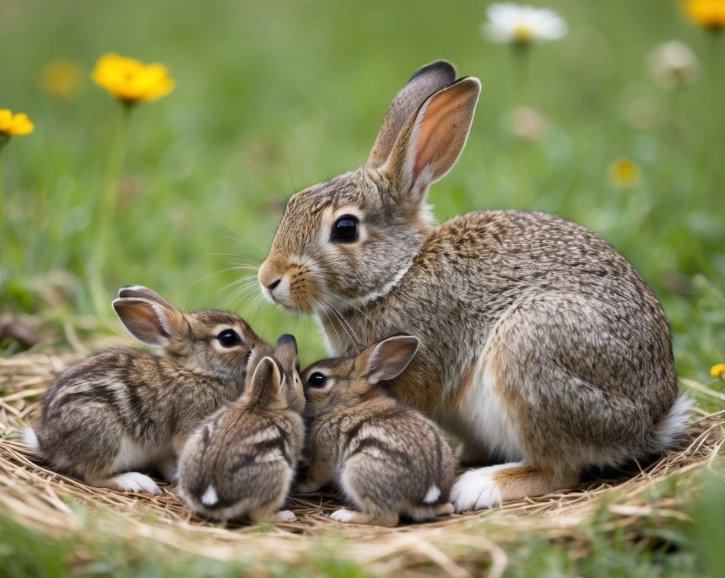
Your Top Weaning Questions, Answered
Sticking to that 8-week timeline is the single most impactful thing you can do for a baby rabbit's future health and temperament. It requires patience, but watching those well-weaned kits grow into confident, healthy adult rabbits is the ultimate reward. It’s not just about following a rule; it’s about respecting the biology of the animal in your care.
Reader Comments