"Breeding like rabbits." We've all heard the phrase. It paints a picture of endless, effortless reproduction. But if you're a new rabbit owner, a prospective one, or just plain curious, the real question is more specific: how many babies do rabbits actually have at one time? The short answer is, it depends—wildly. I've seen litters as small as two and as large as fourteen from domestic pets. The number isn't random; it's a fascinating mix of biology, breed, and care.
Let's cut past the myth. Understanding rabbit litter size isn't just trivia. It's essential for responsible pet ownership, preventing overwhelming situations, and ensuring the health of both the mother (doe) and her babies (kits).
What You're About to Discover
The Realistic Range: From Average to Extreme
So, let's get to the numbers. For a typical mixed-breed or medium-sized domestic rabbit (think Mini Rex or Dutch), the average litter size is 6 to 8 kits. This is the sweet spot you'll hear from most breeders and veterinarians.
But averages are just that—an average. The range is what's surprising.
Breed plays a massive role, almost more than anything else. It's genetics in action.
>| Rabbit Breed Size | Example Breeds | Typical Litter Size Range |
|---|---|---|
| Small / Dwarf | Netherland Dwarf, Polish | 2 - 4 kits |
| Medium | Dutch, Mini Rex, Havana | 5 - 8 kits |
| Large / Giant | Flemish Giant, French Lop | 8 - 12 kits |
Now, for the extremes. The world record for a single litter is held by a New Zealand White rabbit who gave birth to 24 kits. That's an outlier, of course. On the other end, a single kit (a singleton) is possible but rare. Singletons can struggle because they don't have littermates to keep warm and may get overfed.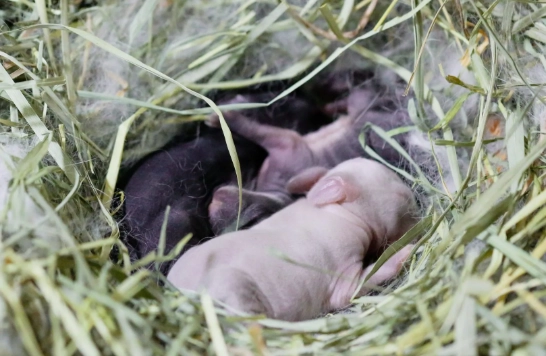
What Really Determines Litter Size? It's Not Just Luck
If you're trying to predict or understand your rabbit's litter size, look at these four key factors. Breed, as we saw, is the biggest one.
1. The Age and Health of the Doe
A young doe (under 6 months) shouldn't be bred at all—it's dangerous for her. Prime breeding age is between 8 months and 3 years. As she gets older, litter sizes may decrease. Health is non-negotiable. A rabbit in poor condition, with parasites or malnutrition, will have fewer, weaker kits. A diet rich in quality hay, fresh greens, and proper pellets before pregnancy sets the stage.
2. The Genetics and Condition of the Buck
It takes two. A healthy, mature buck (male) is just as important. His sperm viability affects how many eggs are fertilized. Breeders often track which bucks consistently sire larger, healthier litters.
3. Season and Environment
While domestic rabbits can breed year-round (unlike their wild cousins who peak in spring/summer), some notice slightly larger litters in milder, brighter seasons. More than season, stress is a major litter-size killer. A loud, chaotic, or constantly changing environment can lead to smaller litters or even pregnancy loss.
4. Previous Pregnancy History
As mentioned, first litters are smaller. A doe's second and third litters often hit her personal peak. After several litters, especially back-to-back ones, her body can become depleted, and sizes may dwindle. Responsible breeding involves giving her ample recovery time.
The Journey: From Pregnancy to Weaning Your Kits
Knowing the number is one thing. Knowing what happens next is another. Here's a brief timeline of what to expect.
Gestation: Rabbit pregnancy is incredibly short: 28 to 31 days. Around day 28, start watching closely.
Nesting: In the last few days, the doe will start building a nest. She'll pull fur from her chest and belly (creating a hilarious, bald-looking "brood patch") and mix it with hay or bedding you provide. This fur is critical for keeping the kits warm. If she doesn't pull fur, you can gently pluck some for her, but it's usually a good sign she knows what she's doing.
Birth (Kindling): This usually happens at night or in the early morning, and it's fast—often over in 15-30 minutes. She'll eat the placenta (normal and nutritious) and clean the kits. Do not disturb her. Just check quietly that all kits are in the nest and alive.
The First 10 Days: The kits are born blind, deaf, and nearly hairless. They look nothing like rabbits! They'll spend all their time in the nest, nursing once or twice a day (the doe usually nurses at dawn/dusk). Your job is to ensure the nest stays warm and dry. Do a quick daily check for any kits that have wriggled out.
Weaning: Eyes open around 10 days. They start exploring the cage at 3 weeks. Weaning—the process of switching from mom's milk to solid food—starts around 4-5 weeks and is complete by 8 weeks. Kits must stay with their mother for a full 8 weeks for proper social and nutritional development.
What to Do If You Have an Unexpected Litter
This is a common panic point. Maybe you were told your rabbits were the same sex, or you didn't separate them in time. First, breathe. Rabbits are good moms.
- Don't Handle Excessively: Check the nest once a day, but use minimal scent. You can rub your hands in the mother's bedding first.
- Boost Mom's Diet: She needs extra calories. Provide unlimited alfalfa hay (higher in calcium and protein) and increase her pellet ration slightly. Fresh water is a must.
- Plan for Separation: At 4 weeks, you must separate any male kits from the mother and sisters. Baby bucks can become sexually mature as early as 10-12 weeks.
- Start Thinking About Homes Early: Don't wait until 8 weeks. At 4-5 weeks, start responsibly looking for homes. Contact local rabbit rescues for advice or potential surrender options if you're overwhelmed.
- Schedule Spay/Neuter: This is the non-negotiable step to prevent a repeat. Schedule spaying for the mother and neutering for the males once they are of age (usually around 4-6 months, consult your vet).
Your Top Rabbit Reproduction Questions Answered
How can I tell if my rabbit is pregnant?
Early signs are subtle. Around two weeks in, a vet can often feel the marble-sized embryos (palpation), but this should be done by a professional to avoid harm. In the final week, the most obvious sign is nest-building and fur-pulling. A noticeable weight gain and a more defensive or territorial attitude are also clues.
My rabbit had her babies on the cage floor, not in the nest box. What do I do?
Gently move them. Wear gloves or rub your hands in the nesting material first. Place all the kits in the prepared nest box and cover them lightly with the mother's fur. She will usually accept them. Ensure the nest box is in a dark, quiet corner to encourage her to use it.
The mother rabbit isn't spending time with her babies. Is she neglecting them?
Probably not. This is a huge misconception. Rabbit mothers are not like cats or dogs. They only nurse their kits for a few minutes once or twice a day, usually at night. The rest of the time, they stay away to avoid attracting predators. As long as the kits are warm and have round bellies, she's doing her job.
Can I touch the baby rabbits?
For a quick, necessary check (to ensure they're warm and fed), yes. Keep it under 30 seconds, do it once a day, and try to minimize your scent. The idea that mothers will reject kits because of human scent is largely a myth, but it's still best to be cautious and not stress the doe.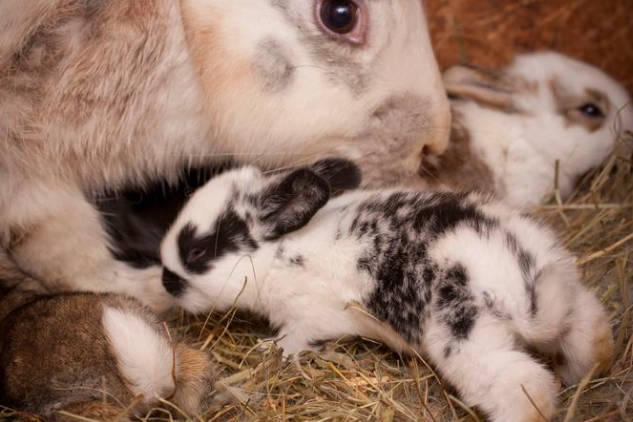
When should I take the babies to the vet?
If you notice a kit is consistently cold, weak, or much smaller than its siblings, a vet visit is warranted. Any signs of injury, flystrike (maggots), or if the mother truly seems to be ignoring them all (their bellies are sunken after 24 hours) require immediate professional help.
The bottom line is this: rabbits are prolific, but their reproduction is manageable with knowledge and responsibility. The magic number of babies varies, but being prepared for the average range of 6-8, and understanding the why behind it, transforms a potential crisis into a manageable, even rewarding, experience. The single best thing you can do for your rabbit's health and to prevent unwanted litters is to consult with a rabbit-savvy veterinarian about spaying or neutering.
Comment