Quick Navigation
So you think your rabbit might be pregnant, or maybe you're planning a litter. The first question that pops into your head is almost always the same: how long are rabbits pregnant for? It's a simple question, but the answer is the gateway to a whole bunch of other things you need to know. I remember frantically searching this exact phrase when I first suspected my doe, Mochi, was expecting. The internet had answers, but they were all over the place. Some said 28 days, others said 35. It was confusing.
Let's cut through the noise right now. The straightforward answer is that a rabbit's pregnancy, also called the gestation period, typically lasts between 31 to 33 days. Think of it as roughly a month. But here's the thing—it's rarely ever exactly 31 days on the dot. Just like human pregnancies vary, so do rabbit pregnancies. I've had does go as early as day 29 and others keep me waiting until day 34. The average is your guide, not your rule.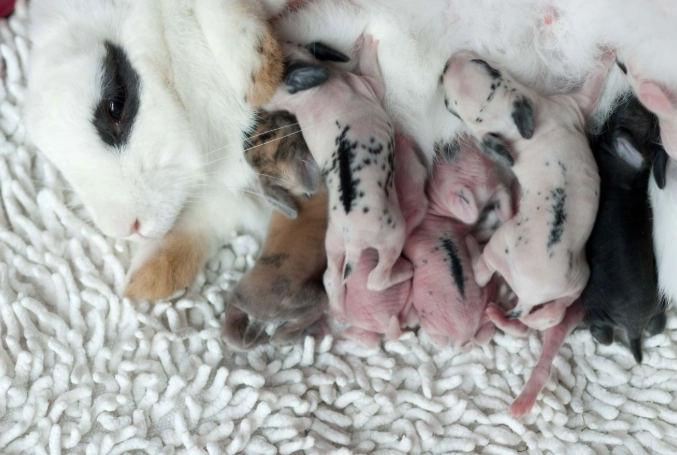
Why Does the Rabbit Gestation Period Vary?
You might be wondering why there's a range. If we know how long rabbits are pregnant, why can't it be a fixed number? A few factors play into this.
First, the breed. Larger rabbit breeds, like Flemish Giants, tend to have slightly longer gestation periods, sometimes leaning towards the 33-35 day mark. Their bodies need a bit more time for those bigger kits to develop. Smaller breeds, like Netherland Dwarfs, often have quicker pregnancies, sometimes even delivering on day 30. Then there's the litter size. It's a common belief that larger litters might prompt an earlier delivery, though this isn't a hard and fast rule. The mother's age and overall health are huge factors too. A young, first-time mother (a doe) might be less predictable than an experienced one.
I learned this the hard way. My first litter was from a young Mini Rex. I was glued to her cage from day 28 onwards, expecting babies any minute. She waited until the evening of day 33, perfectly content in her own timeline. It taught me patience is a big part of rabbit breeding.
The Stages of Rabbit Pregnancy: A Week-by-Week Look
Understanding how long are rabbits pregnant for is one thing. Knowing what's happening during that time is where you become a prepared owner. Let's break it down.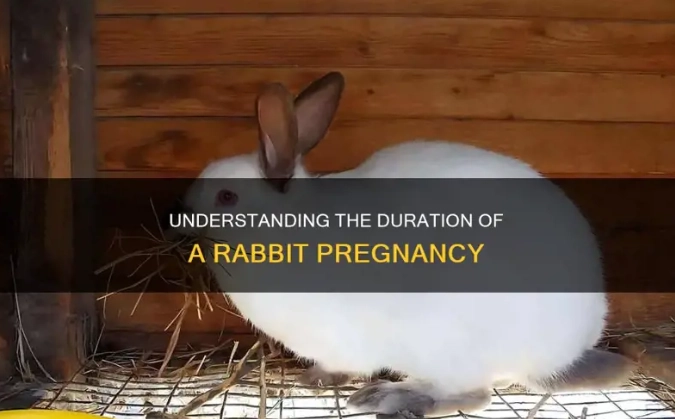
Weeks 1 & 2: The Quiet Beginning
Honestly, you won't notice much. The fertilized eggs are implanting and starting to develop. The doe's behavior might not change at all. Some owners try to palpate (feel) for embryos around day 10-14, but I don't recommend this for beginners. It's easy to mistake fecal pellets for babies or, worse, cause harm if you don't know what you're doing. I tried it once and just stressed myself and the rabbit out. It's better to wait for other signs.
Week 3: Appetite and Attitude Shifts
Here's where things often get noticeable. Her appetite will usually skyrocket. I mean, she'll act like she's never been fed. This makes sense—she's building babies! You might also see some mood swings. A normally sweet doe might get territorial or grumpy. Don't take it personally. Just provide plenty of high-quality hay (timothy or orchard grass should be the staple), fresh greens, and a steady supply of her regular pellets. Don't drastically increase pellet quantity yet; overfeeding can cause obesity, which leads to birthing problems.
Week 4: The Final Countdown and Nesting
This is the big one. In the last week, especially the final 2-3 days, the doe will start nesting. This is the most reliable sign that the answer to "how long is a rabbit pregnant" is "almost done!" She'll start gathering hay, and you might see her pulling fur from her chest, belly, and dewlap (the fold of skin under her chin). This fur is critical—it lines the nest and keeps the kits warm. A first-time mom might be a bit clumsy at this, pulling fur a bit early or not making a great nest. You can gently help by placing the pulled fur in the nesting box if she scatters it.
Physically, you might finally be able to see she's pregnant. Her belly will be rounded and full. But be gentle; avoid handling her more than necessary.
| Breed Size | Typical Gestation Range | Average Litter Size | Notes |
|---|---|---|---|
| Small (e.g., Netherland Dwarf, Polish) | 30-32 days | 2-4 kits | Often quicker gestation; kits are very tiny. |
| Medium (e.g., Mini Lop, Rex, Dutch) | 31-33 days | 4-8 kits | This is the most common range for pet rabbits. |
| Large/Giant (e.g., Flemish Giant, Checkered Giant) | 32-35 days | 6-12 kits | Longer development time for larger kits. |
The Main Event: Signs of Labor and Kindling
"Kindling" is the fancy word for a rabbit giving birth. It usually happens at night or in the very early morning. It's fast and often quiet. You'll likely wake up to a nest full of babies. But here's what to watch for as the rabbit pregnancy duration concludes.
- Restlessness: She may pace, dig obsessively in her nesting box, or seem unable to settle.
- Loss of Appetite: Right before labor, she might stop eating. This is normal.
- Hunched Posture: She may sit in a hunched position, looking like she's straining.
The process itself is usually over in under 30 minutes.
After she's done, she'll cover the kits with the nest fur and likely hop away to eat, drink, and rest. This seems neglectful to us, but it's normal rabbit behavior. Mother rabbits only nurse their babies once or twice a day for just a few minutes. Staying away the rest of the time helps keep predators (and her own scent) away from the nest.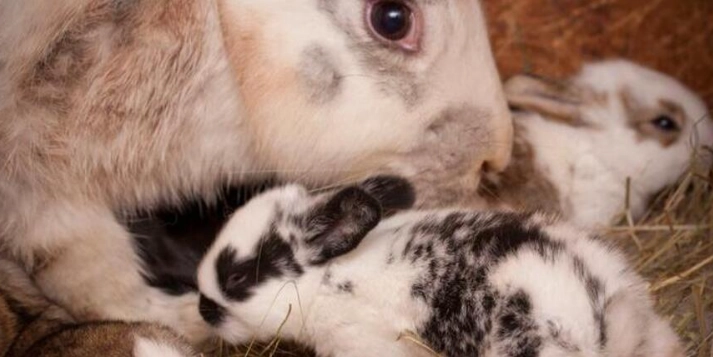
Caring for the Newborn Kits and the Mother
Once the kits are here, the focus shifts. The mother needs constant access to high-quality food and water. Her water intake will surge, especially for milk production. I always switch to a heavy ceramic bowl instead of a bottle during this time to make drinking easier and more substantial.
For the kits, your job is mostly monitoring. Do a quick daily check to ensure they are warm, wriggling, and have full, round bellies (a sign they are feeding). They are born blind, deaf, and nearly hairless. They'll open their eyes around 10-14 days old and start venturing out of the nest box shortly after.
Common Problems After Birth
Not every birth goes perfectly. Being prepared helps.
- Doesn't Pull Fur: If it's cold, you can line the nest with clean, unscented cotton wool or pluck some soft fur from her molt brushings.
- Scattering Kits: Gently gather them and place them back in the warm nest.
- Not Feeding: If kits seem thin and weak after 24 hours, the mother might not be producing milk. This is a vet emergency. They can advise on supplements or fostering.
I had a doe once who built a beautiful nest but then had her babies on the bare cage floor instead. I had to move them. She didn't mind, and they were fine. Sometimes they just need a nudge in the right direction.
Frequently Asked Questions (The Stuff You Really Want to Know)
These are the questions I had, and the ones I see pop up over and over in rabbit communities.
How soon after giving birth can a rabbit get pregnant again?
Immediately. A rabbit can conceive within hours of kindling. This is why it's crucial to separate the buck (male) from the doe before she gives birth. Back-to-back pregnancies are extremely hard on the mother's body and deplete her resources. Responsible breeders wait at least 2-3 months between litters for her to fully recover. The House Rabbit Society strongly advises against intentional breeding for pet owners due to overpopulation, but if you are breeding, this is a key welfare point.
Can a rabbit have a false pregnancy?
Absolutely, and it's more common than you'd think. After mating (or even just from mounting behavior with another rabbit), a doe may show all the signs: weight gain, nesting, even pulling fur. But there are no babies. The rabbit gestation period of 31-33 days will pass with no kindling. It's caused by hormonal changes. It's frustrating but harmless. Just remove the nest materials after it's clear nothing is happening.
Is it safe to touch the newborn kits?
The old wives' tale about a mother rejecting her babies if you touch them is largely a myth for rabbits. However, you should still be cautious. Check on them quickly and with clean hands, but don't handle them unnecessarily for the first week. Your main goal is to not stress the mother. I do a quick visual check the morning after birth and a gentle "count and check" every day after that.
What if the mother doesn't feed her kits?
First, make sure she isn't. Remember, she only nurses for minutes a day. Look for plump, warm kits sleeping quietly. If they are blue-ish, cold, and wrinkled with sunken bellies after 24 hours, there's a problem. Consult a vet immediately. You may need to hand-rear them with kitten milk replacer (KMR), which is a round-the-clock, difficult task with a low success rate. The Merck Veterinary Manual notes that hand-rearing neonatal rabbits is challenging due to their specific nutritional needs.
How many litters can a rabbit have in a year?
Technically, given the short how long rabbits are pregnant timeline, a rabbit could have many litters. But should she? No. Ethical breeding prioritizes the health of the doe. One to three litters a year, with ample recovery time in between, is considered responsible by reputable breeders. The American Rabbit Breeders Association (ARBA) provides guidelines for breeders focused on the health and standard of the breed, which inherently involves responsible breeding practices.
Final Thoughts on Rabbit Pregnancy Length and Care
So, circling back to the core question: how long are rabbits pregnant for? You now know it's that tight window of about a month. But you also know that's just the starting point. Knowing what to feed her, how to spot nesting behavior, and what to do when the kits arrive is what turns a simple fact into successful rabbit care.
My biggest piece of advice? Find a rabbit-savvy vet before you breed. Have a check-up for the doe. Know their emergency protocol. The cost of a pre-breeding check-up is nothing compared to the panic of a complication in the middle of the night with no vet to call.
Raising a litter is rewarding, but it's also a lot of work and responsibility. It's not just about knowing the number of days. It's about committing to the care of the mother and her babies for weeks. If you're doing it right, you'll be feeding, cleaning, and monitoring for a good eight weeks before those kits are ready for new homes. Make sure you're ready for that, not just the 31-day wait.
And if you're just curious because your pet rabbit lives with a fixed companion? Relax. Spayed and neutered rabbits are happier, healthier, and you'll never have to google "how long is a rabbit's pregnancy" in a panic. That's the easiest path of all.
Reader Comments