In This Guide
- The First Week: Subtle Hints and Early Clues
- The Golden Window: Days 10-14 - The Palpation Check
- Unmistakable Signs Your Rabbit is Pregnant (Days 14-31)
- What About Behavior? Mood Swings are Real.
- A Quick-Reference Table: Pregnancy Timeline & Signs
- Common Questions (And Some Real Talk)
- Caring for Your Pregnant Doe: The Essentials
- After the Birth: What to Do (And What NOT to Do)
- Final Thoughts: Trust the Process
Let's be honest, figuring out bunny business can be tricky. One day your rabbits are just chilling, the next you're staring at them wondering if you're about to become a grandparent to a dozen fluffballs. It happens! Maybe you intentionally bred them, or perhaps there was a little... unsupervised playdate. Either way, the question burning in your mind is: how do you tell if a rabbit is pregnant?
I've been there. Years ago, with my first pair of Netherlands, I spent two weeks in a state of paranoid speculation. Is she eating more? Is that her belly or is she just sitting funny? It's a stressful time if you don't know what to look for. That's why I'm putting this guide together—to save you the guesswork and give you clear, practical steps.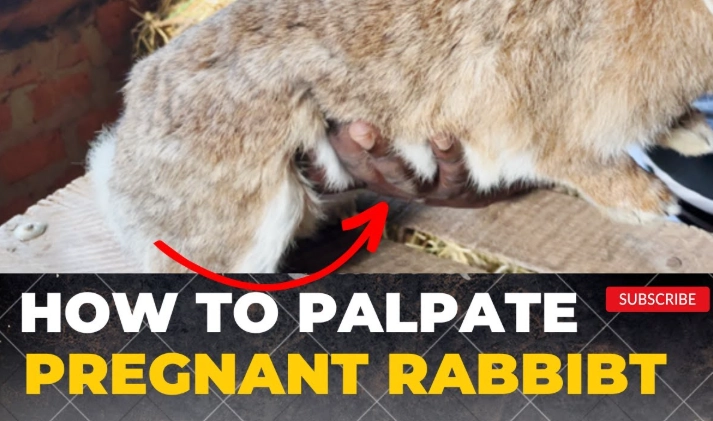
Quick Reality Check: Rabbit pregnancies are fast. Like, really fast. Gestation is only about 28 to 31 days. That means you don't have months to figure it out. You've got weeks. Spotting the signs early is crucial for providing the right care.
The First Week: Subtle Hints and Early Clues
In the initial days after breeding (or a suspected encounter), changes are minimal. Your doe (that's a female rabbit) will likely act perfectly normal. But if you're paying super close attention, you might notice a shift in appetite. Some does start eating more almost immediately. Others might become a tad more territorial or even slightly grumpy with their cage mates. It's subtle stuff, easy to miss or write off.
Honestly, at this stage, trying to figure out how to tell if a rabbit is pregnant is mostly about observation and note-taking. Did she breed? Mark the date on a calendar. That's your single most important piece of data.
The Golden Window: Days 10-14 - The Palpation Check
This is where you can get a more concrete answer, but it requires careful hands. Around 10 to 14 days post-breeding, an experienced person can sometimes feel the developing kits (baby rabbits) by gently palpating the doe's abdomen.
⚠️ A Word of Caution: I'm going to be blunt here—if you've never done this before, don't try it yourself. You can easily injure the developing babies or cause a miscarriage. It's not like feeling for puppies. Rabbit fetuses are tiny, marble-like balls at this stage. This technique is best left to a vet or a very experienced breeder.
I learned this the hard way. I fumbled around, felt what I thought were babies (it was probably poop), and caused my poor doe unnecessary stress. It was a rookie mistake. When in doubt, skip this step and rely on the later, more obvious signs.
Unmistakable Signs Your Rabbit is Pregnant (Days 14-31)
As the pregnancy progresses, the signs become harder to ignore. Here’s what you’ll actually see.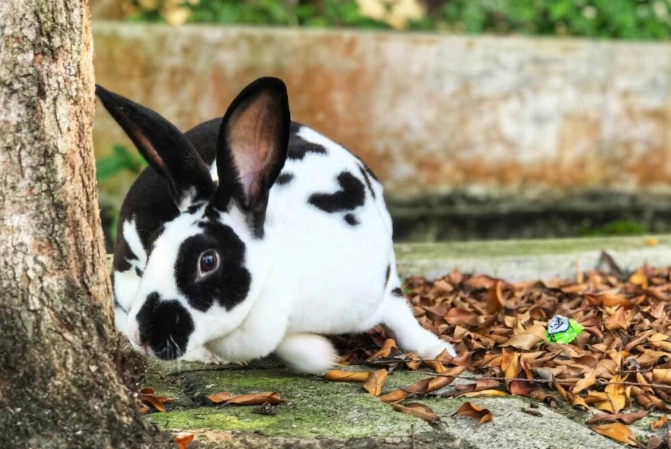
Physical Changes You Can't Miss
The belly, of course. But it's not a smooth, gradual swell like in humans. In the last week especially, her sides will start to bulge outwards. She'll look round, almost pear-shaped when viewed from above. You'll also notice significant weight gain. A weight check a couple of weeks apart can be revealing—a gain of 0.5 to 1 pound (depending on her breed) is a strong indicator.
Then there's the nipples. This is a big one. About a week before giving birth (kindling), her nipples will become more prominent and pinker. They might even look slightly swollen. It's her body getting ready to feed the litter.
The Tell-Tale Behavior: Nesting
This is the most dramatic and clear-cut sign. Usually 24 to 48 hours before she gives birth, your doe will get the powerful urge to build a nest.
She'll start frantically gathering hay, straw, or any bedding she can find. The funniest (and most telling) part? She'll often pluck her own fur. You might walk up to the cage and see a bald patch on her chest or dewlap and a huge pile of soft fur mixed with hay. First-timers often panic, thinking their rabbit is sick or has a skin condition. Nope. It's just nature's perfect insulation for the babies.
Seeing that nest being built is a dead giveaway. At that point, the question of how do you tell if a rabbit is pregnant is 100% answered. It's go time.
Pro Tip: Provide a nest box (a simple wooden box with low sides) filled with soft hay a few days before her due date. She'll thank you for it by moving all the hay around and doing it her way anyway, but it's a nice gesture.
What About Behavior? Mood Swings are Real.
Just like people, every rabbit handles pregnancy differently. Some become incredibly sweet and clingy, seeking more pets. Others turn into little divas—grumpy, intolerant, and easily annoyed. Don't take it personally. Hormones are powerful things for a creature that size. I had one doe who would grunt and box at my hand if I dared to refill her food dish too slowly in her third week. After she had the kits, she went back to being an angel.
The key is to respect her space. Handle her less, especially in the final week. Provide quiet and security.
A Quick-Reference Table: Pregnancy Timeline & Signs
| Time After Breeding | What to Look For | How Reliable is This Sign? |
|---|---|---|
| Days 1-7 | Possible appetite increase, minor mood changes. | Low. Very subtle and non-specific. |
| Days 10-14 | Palpation (by a professional only). | High, but requires skill. |
| Days 14-25 | Visible weight gain, rounding belly, enlarged/pink nipples. | High. These are strong visual clues. |
| Days 28-31 | Nesting behavior, fur pulling, restlessness. | Definitive. Birth is imminent. |
Common Questions (And Some Real Talk)

Caring for Your Pregnant Doe: The Essentials
Once you've figured out how to tell if your rabbit is pregnant, the job shifts to care. Feed a high-quality alfalfa-based pellet and unlimited timothy hay. The extra protein and calcium are vital. Always ensure she has plenty of fresh water. Stress is a major risk, so keep her environment calm, quiet, and secure. Loud noises or sudden changes can cause problems.
For authoritative guidance on rabbit nutrition during this critical time, the American Veterinary Medical Association (AVMA) provides science-backed resources that align with what top exotic vets recommend.
After the Birth: What to Do (And What NOT to Do)
She'll do almost everything herself. The kits are born blind, deaf, and nearly hairless. The doe will feed them once or twice a day, usually at night. Do not disturb the nest. I know the urge to peek is overwhelming, but resist it for the first few days. You can quietly check if the kits are warm and fed (they'll look plump and still) when the mother is out of the box, but avoid handling them unnecessarily.
Make sure the mom has unlimited food and water. She's producing milk, which is incredibly draining. A dish of plain rolled oats can be a good energy supplement.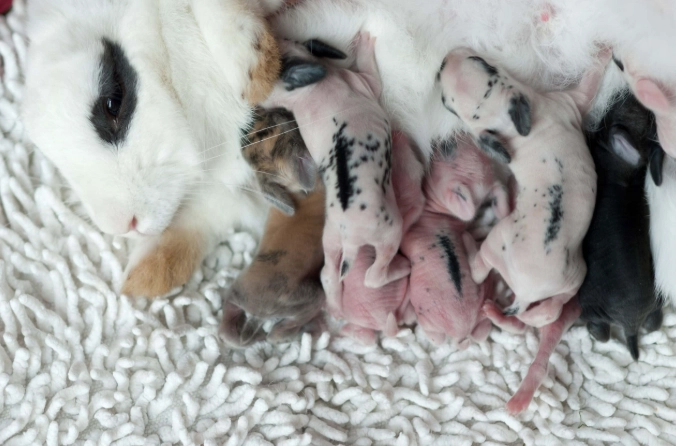
A Personal Note: The first time I found a nest, I was terrified to even look. I thought my scent would make the mom reject them. That's a bit of a myth with rabbits. They're not as sensitive as some animals. Still, minimal interference is the best policy. Let nature do its thing.
Final Thoughts: Trust the Process
Learning how do you tell if a rabbit is pregnant is a mix of science, observation, and a little patience. You're looking for a combination of signs, not just one thing. Start with the date, watch for physical changes, and wait for the undeniable nesting behavior.
It's a magical, if slightly nerve-wracking, experience. Provide calm support, good nutrition, and a safe space. Your job is to be the backup, not the director. The doe has been doing this for millennia without our help. She knows what to do. Your awareness just makes the journey smoother and safer for everyone involved.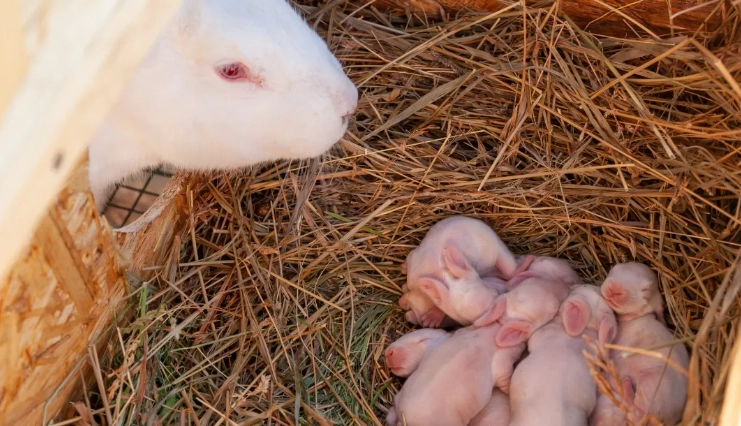
Got any bunny pregnancy stories or tips of your own? The process is never exactly the same twice. That's what keeps it interesting.
Reader Comments