Quick Guide to This Article
- Why Cat Food is a Disaster for a Rabbit's Body
- Side-by-Side: Rabbit Needs vs. Cat Food Reality
- The Real Risks: What Happens If a Rabbit Eats Cat Food?
- Emergency Guide: My Rabbit Ate Cat Food! What Do I Do?
- The Right Way to Feed: What *Should* a Rabbit's Diet Look Like?
- Your Top Questions Answered (FAQs)
- Final Thoughts: Keeping Your Bunny Safe and Healthy
Let's get right to the point, because I know you're worried. You might have caught your rabbit nibbling from the cat's bowl, or maybe you're just wondering in a pinch. Can rabbits live on cat food? The short, no-nonsense answer is absolutely not. Not even a little bit as a regular thing. It's one of those questions that seems harmless but hides a real danger for your fluffy friend.
I remember a friend of mine once thought, "It's just pet food, how different can it be?" She gave her bunny a few kibbles as a treat. The poor thing ended up with a nasty case of GI stasis—a scary, potentially fatal slowdown of the gut. That was a tough and expensive lesson learned at the vet's office. It's why I feel so strongly about clearing this up.
Cat food is designed for carnivores. Rabbits are strict herbivores. Mixing the two is like putting diesel fuel in a gasoline engine; the system just isn't built for it and it will cause a breakdown. A serious one.
Key Takeaway: Feeding cat food to a rabbit is not just suboptimal—it's actively harmful and can lead to severe, life-threatening health problems within a short period.
Why Cat Food is a Disaster for a Rabbit's Body
To understand why you can't let rabbits live on cat food, you need to peek under the hood at their biology. They're built completely differently.
The Herbivore Digestive System: A Fiber-Fermenting Factory
A rabbit's gut is a marvel of evolution for processing plants. Their stomach is simple, but the magic happens in the cecum. This is a large, pouch-like organ that acts as a fermentation vat. It's packed with special bacteria and microbes that break down the tough cellulose in hay and grass. This process is essential—it extracts vital nutrients and produces those famous nutrient-rich cecotropes that rabbits re-ingest. The entire system requires a constant, high-fiber intake to keep the muscular gut walls moving. Fiber is the engine's fuel.
Without it, everything grinds to a halt. That's GI stasis.
The Carnivore Fuel: Protein and Fat Overload
Now, look at cat food. Its job is to support a meat-eater. It's extremely dense in animal-based proteins and fats. A typical dry cat kibble might have 30-40% protein and 10-20% fat. It's also very low in the long-strand fiber that a rabbit's gut craves.
So, what happens when a rabbit eats cat food? That massive protein and fat bomb hits their delicate digestive system. The wrong nutrients flood in, disrupting the delicate balance of cecal microbes. The good, fiber-loving bacteria die off. Bad bacteria can take over, producing toxins.
At the same time, the lack of fiber means the gut muscles don't get the signal to push things along. Digestion slows. The rabbit feels bloated and stops eating, which makes the problem worse. It's a vicious cycle that can turn deadly in 12-24 hours.
Think of it this way: a rabbit's diet is like a steady, slow-burning log fire. Cat food is like throwing gasoline on it. There's a violent flare-up, then the fire smothers and dies.
Side-by-Side: Rabbit Needs vs. Cat Food Reality
This table makes the mismatch painfully obvious. I'm using general figures from resources like the House Rabbit Society for rabbit needs and typical mid-range dry cat food analysis.
| Nutrient | Ideal for Rabbits | Typical Dry Cat Food | The Problem |
|---|---|---|---|
| Crude Fiber | 20-25% (Minimum) | 2-5% | Cat food provides less than a quarter of the fiber a rabbit needs to keep its gut moving. This is the #1 cause of GI stasis. |
| Crude Protein | 12-16% | 30-40% | Cat food protein levels are double or triple what a rabbit can healthily process. Excess protein strains the kidneys and disrupts cecal balance. |
| Crude Fat | 2-4% | 10-20% | Cat food is 5-10 times too fatty. This can lead to obesity and fatty liver disease in rabbits. |
| Calcium | Needs careful balance | Often high | Excess calcium from inappropriate foods can lead to bladder sludge or stones, a painful urinary condition. |
| Carbohydrates | From fibrous plants | Often high in starches/grains | Simple carbs and grains in cat food can cause cecal dysbiosis (microbial imbalance) and promote obesity. |
See the gap? It's not even close. Trying to make a rabbit live on cat food is like trying to run a car on the wrong octane fuel while also putting sugar in the gas tank.
The Real Risks: What Happens If a Rabbit Eats Cat Food?
Okay, so it's bad. But how bad? Let's break down the specific dangers, because "bad for them" doesn't really convey the urgency. This isn't just an upset tummy.
- Gastrointestinal (GI) Stasis: This is the big one. It's the number one killer of pet rabbits. When the gut slows or stops, food and hair stop moving. Gas builds up, causing painful bloat. The rabbit stops eating and drinking, leading to dehydration. Toxins from bad bacteria can enter the bloodstream. Without immediate veterinary intervention (fluids, motility drugs, pain meds, critical care feeding), it is often fatal.
- Enterotoxemia: This is a step beyond stasis. The toxic overgrowth of bacteria in the cecum (often Clostridium species) releases deadly toxins that can kill a rabbit rapidly. It's often triggered by a sudden, wrong food change—exactly like eating cat food.
- Obesity and Fatty Liver Disease: The high fat and calorie content in cat food, relative to a rabbit's needs, packs on pounds fast. Obesity in rabbits stresses their joints, heart, and makes grooming difficult. Fatty liver disease (hepatic lipidosis) can occur when a rabbit stops eating (like during stasis) and its body dumps fat into the liver, overwhelming it.
- Renal (Kidney) Stress: Processing all that excess protein puts a huge strain on a rabbit's kidneys. Over time, this can contribute to chronic kidney disease.
- Urinary Issues: The mineral imbalance, particularly high calcium, can lead to the formation of gritty sludge or actual stones in the bladder. This is excruciatingly painful and can block urination, which is a surgical emergency.
You might think a little bite won't hurt. But for a small animal with such a sensitive system, even a small amount of the wrong thing can tilt the balance. It's just not worth the risk.
A quick story: My first rabbit, Thumper, was a master thief. He once managed to snag a single piece of dog kibble. Just one. He was fine, but I spent the next 24 hours watching him like a hawk, checking his poop and appetite. The anxiety wasn't worth the five seconds of his mischievous chewing. I became militant about keeping all other pet foods completely out of reach after that.
Emergency Guide: My Rabbit Ate Cat Food! What Do I Do?
Panic mode is understandable, but let's focus on action. Here’s your step-by-step plan.
- Don't Panic, But Act Quickly: Assess how much they ate. A couple of kibbles licked or a single piece is a different scenario from a full-on feast.
- Remove ALL Access: Immediately take the cat food away. Make sure there's no way they can get more.
- Monitor Closely (The 4 Key Signs): For the next 12-24 hours, you need to be a detective.
- Appetite: Are they eating their hay normally? Any decrease is a red flag.
- Poop Production: This is critical. Check for poop size, shape, and quantity. Are they getting smaller, misshapen, or stopping entirely?
- Activity Level: Are they lethargic, hunched in a corner (a sign of pain), or less interested in surroundings?
- Water Consumption: Are they still drinking?
- Push the Right Foods: Encourage them to eat lots and lots of their hay. Offer fresh, fragrant hay (timothy, orchard grass). You can also offer fresh herbs like cilantro or parsley to stimulate appetite. Do not offer more pellets, fruits, or veggies right now—you want high-fiber, low-sugar/starch foods.
- When to Call the Vet:
- If they ate a significant amount (more than a few kibbles).
- If they stop eating or pooping entirely.
- If poop production slows down significantly or pellets become tiny.
- If they seem lethargic, hunched, or in pain.
Your vet might recommend monitoring at home if ingestion was minimal and the rabbit is perfectly normal. But if there's any doubt, err on the side of caution. A vet check can provide peace of mind and they might give you some Critical Care formula to have on hand.
The Right Way to Feed: What *Should* a Rabbit's Diet Look Like?
Since we've spent so much time on what not to do, let's build the perfect, healthy rabbit menu. This is the positive flip side. Forget cat food; this is what enables rabbits to thrive.
Think of it as a food pyramid, but for hoppers.
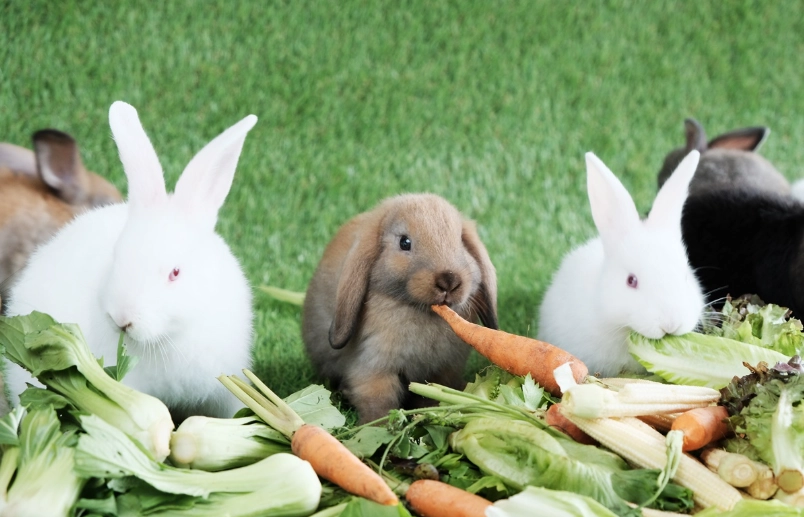
- Unlimited Grass Hay (80-90% of diet): This is the foundation. Timothy, Orchard Grass, Meadow Hay, Oat Hay. It should be available 24/7. It wears down teeth (which constantly grow), provides essential fiber for gut health, and is low in calories. Alfalfa hay is for young, growing kits only—it's too rich in protein and calcium for adults.
- Fresh Leafy Greens (10-15% of diet): About 1 packed cup per 2 lbs of body weight daily. Rotate varieties: Romaine, Green/Red Leaf Lettuce (not iceberg), Kale, Spring Greens, Arugula, Cilantro, Parsley, Mint, Basil, Dandelion greens (pesticide-free!). Introduce new greens slowly.
- Limited Pellets (5% or less): A small, measured amount daily. For an average 5-6 lb rabbit, about 1/4 cup of high-fiber, timothy-based pellets is plenty. Look for pellets that are simple—high fiber (18%+), moderate protein (14-16%), low fat and calcium. Avoid colorful mixes with seeds, nuts, and dried fruit; those are junk food. The Rabbit Welfare Association & Fund (RWAF) has excellent guidelines on pellet selection.
- Treats (Sparingly): This means a small piece of fruit (blueberry, apple slice, strawberry) or a non-sugary veg like a baby carrot a few times a week. Size: no bigger than your thumbnail. Treats are not necessary, but nice for bonding.
Fresh, clean water must always be available, in a bowl (preferred) and/or a bottle.
The Golden Rule: A rabbit's stomach should never be empty. The constant intake of hay keeps their unique digestive system in constant, healthy motion. This is the single most important concept in rabbit care, far more important than worrying about whether they can live on cat food.
Your Top Questions Answered (FAQs)
What if my rabbit just ate one piece of cat food?
One piece is unlikely to cause a catastrophe in an otherwise healthy rabbit, but it's not harmless. Watch them closely for the next day as outlined in the emergency section. The biggest risk is if it becomes a habit or if your rabbit has a particularly sensitive system. Use it as a wake-up call to cat-proof your feeding areas.
My rabbit and cat are friends. They eat from each other's bowls sometimes. Should I separate them?
You should absolutely separate their feeding. This is non-negotiable for the rabbit's health. Feed the cat in a separate room with the door closed, or put the cat's bowl up high where the rabbit can't possibly reach it. Their friendship is wonderful, but their dietary needs are incompatible. A shared water bowl is usually fine if kept scrupulously clean.
Are there any commercial foods that are okay for both?
No. There is no commercial pet food formulated to meet the needs of both a strict herbivore (rabbit) and an obligate carnivore (cat). Any food claiming to be "for all pets" is a major red flag and should be avoided for all your animals. It's a marketing gimmick that compromises their health.
What about other "wrong" foods I should avoid?
Cat food is a top offender, but the list is important:
- Dog Food: Similar issues to cat food—too much protein/fat, not enough fiber.
- Bird Seed: High in fat, can cause digestive upset.
- Grains (Bread, Crackers, Cereal): High in starch, can cause cecal dysbiosis.
- Nuts & Seeds: High fat content again, and a choking hazard.
- Processed Human Snacks: Chocolate, candy, chips—toxic or unhealthy.
- Certain Vegetables: Avoid potatoes, corn, beans, onions, garlic, leeks, iceberg lettuce (low nutrient, can cause diarrhea).
When in doubt, stick to hay, approved greens, and a limited amount of good pellets.
How can I make sure my rabbit gets enough protein if not from cat food?
This is a great question that shows you're thinking! Rabbits get their protein from plants. High-quality grass hay and leafy greens provide all the protein an adult rabbit needs (12-16%). Alfalfa hay and pellets provide more, which is why they're limited for adults. You don't need to supplement with animal protein—their bodies aren't designed to use it efficiently, and it's harmful in excess. The Merck Veterinary Manual confirms that a proper herbivorous diet meets all protein requirements.
Final Thoughts: Keeping Your Bunny Safe and Healthy
Look, the internet is full of confusing and sometimes dangerous advice for pet owners. The question "can rabbits live on cat food" pops up, and someone might casually say "mine ate some and was fine." But that's like saying "I smoked a cigarette and didn't get lung cancer." It's playing Russian roulette with your pet's life.
Rabbits are not small cats or dogs. They are exotic herbivores with a digestive system that is fascinating but fragile. Their health is directly tied to the fiber in their diet. Cat food provides the opposite of what they need.
My advice, after years of keeping rabbits and learning from mistakes (my own and others'), is to be boringly consistent with their diet. The excitement should come from their personalities, their binkies, their curiosity—not from trying risky foods. A healthy rabbit is a happy rabbit.
So, the definitive answer to can rabbits live on cat food is a resounding no. But the better question is: how can I provide the best, species-appropriate diet for my rabbit? That answer is simple: unlimited hay, fresh greens, limited pellets, and lots of love. Stick to that, and you'll have a hoppy, healthy friend for many years to come.
If you take away one thing from this, let it be this: When in doubt, give them more hay. It's the closest thing to a miracle food in the rabbit world.
Comment