I remember the first time I was served rabbit stew. It was at a rustic family-run place in rural France, and I’ll admit, I hesitated. The mental image of a fluffy pet was hard to shake. But one bite changed everything. The meat was falling off the bone, steeped in a rich, wine-laced sauce with carrots and herbs. It was hearty, deeply savory, and unlike anything I’d regularly eaten. If you’re here wondering what rabbit stew tastes like, you’re likely caught between curiosity and caution. Let’s cut straight to it: rabbit meat is often described as a cross between chicken and dark-meat turkey, but that’s a massive oversimplification. Its true character is subtler, leaner, and entirely dependent on how it’s cooked. A poorly made stew can be dry and bland, but a well-executed one is a masterpiece of comfort food. This isn’t just about flavor notes; it’s about understanding an ingredient that’s a staple in many culinary traditions yet remains a novelty for others.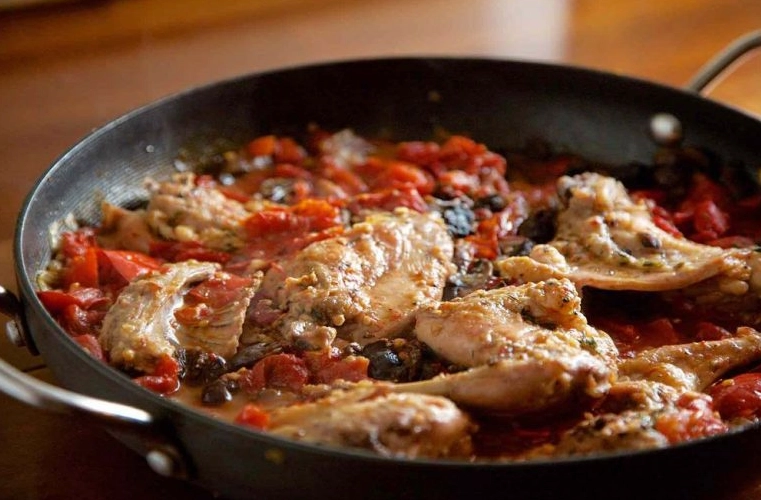
What’s Inside This Stew?
What Does Rabbit Stew Actually Taste Like? Breaking Down the Flavor Profile
Forget the simple comparisons for a second. The taste of rabbit stew is a sum of its parts: the meat itself, the braising liquid, and the long, slow cooking process that marries everything together.
The Meat: Lean, Mild, and Surprisingly Delicate
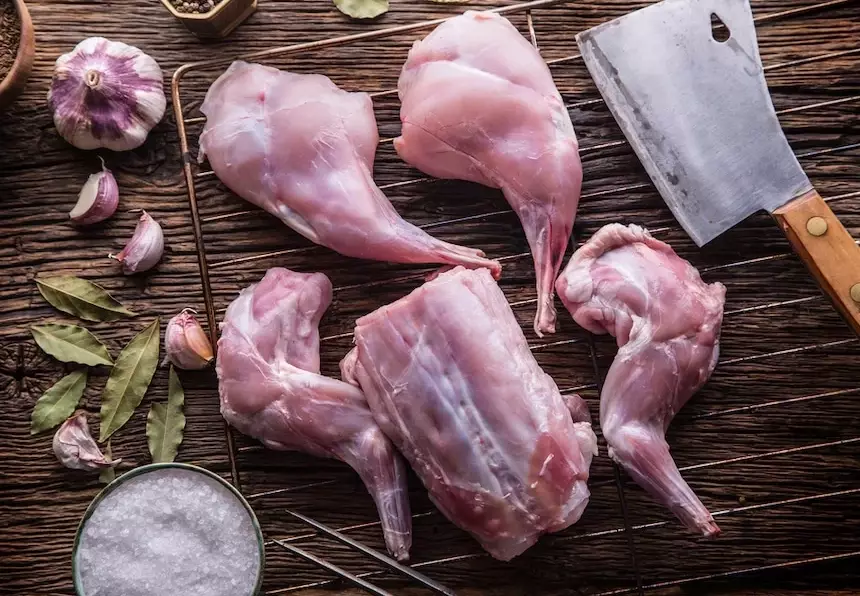
On its own, raw rabbit meat is very pale, almost white. Its flavor is mild—not gamey like venison or duck if it’s farmed correctly. The "gamey" taste people fear usually comes from wild hare, which has a stronger, earthier flavor due to its diet and activity. Farmed rabbit is clean-tasting. The closest common meat is indeed the dark meat of chicken or turkey thigh, but rabbit is even leaner. This leanness is its biggest culinary challenge and opportunity.
Where chicken thigh fat renders and bastes the meat, rabbit has almost no marbling. This means it has zero margin for error in cooking. Overcook it by ten minutes, and you’ll have stringy, dry meat. Cook it low and slow with plenty of liquid, as in a stew, and it becomes exceptionally tender, absorbing all the flavors around it.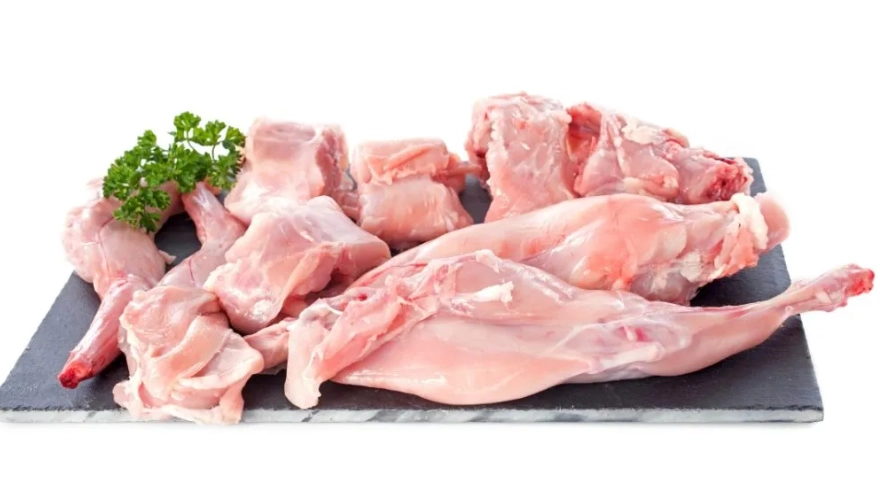
Texture and Mouthfeel: The Stew Transformation
This is where stewing shines. A proper braise breaks down the rabbit’s delicate connective tissue without toughening the muscle fibers. The result? Meat that literally falls off the bone with a gentle pull of a fork. It’s tender but retains a pleasant, distinct texture—it’s not mushy. It shreds beautifully into the sauce.
The sauce in a classic rabbit stew (like the French Lapin à la Moutarde or Belgian Stoofkonijn) is typically rich, thickened slightly by the gelatin released from the bones during cooking. It’s savory, often with a base of onions, garlic, stock, and wine (red or white), and can be finished with mustard, prunes, or herbs like thyme and rosemary.
The Flavor in a Nutshell: Imagine the savory depth of a great chicken stew, but with a meat that’s slightly sweeter, more delicate, and carries the aromatic herbs and wine more distinctly because it doesn’t have a fatty flavor profile of its own. It’s not "strong"—it’s elegant and comforting.
How to Make the Best Rabbit Stew (Avoiding Common Pitfalls)
I’ve seen too many home cooks ruin rabbit by treating it like chuck roast. Here’s how to get it right, based on lessons learned the hard way.
First, source matters. Find a good butcher or online supplier that sells fresh, farmed rabbit. Frozen is okay, but thaw it slowly in the fridge. Ask if it’s already portioned; whole rabbits are often cut into 6-7 pieces (legs, saddle, etc.).
The non-negotiable step: browning. Because rabbit is so lean, you must develop flavor through the Maillard reaction. Pat the pieces bone-dry, season well with salt and pepper, and brown them in batches in a hot pot with oil. Don’t crowd the pot. Get a deep, golden crust on all sides. This adds a foundational savory note that stewing alone cannot create.
The braise is everything. After removing the meat, sauté your aromatics (onions, carrots, celery). Deglaze with a full cup of dry white wine or dark beer, scraping up the browned bits. Add the rabbit back, along with enough quality chicken or vegetable stock to come about two-thirds up the meat. Bring to a bare simmer, then cover and transfer to a 325°F (160°C) oven, or keep it on the lowest stovetop setting. This gentle, surrounding heat is more even than a stove burner.
Timing is critical. Check for doneness at the 1.5-hour mark. The meat should offer no resistance when pierced with a fork. If it’s still tight, give it another 15-20 minutes. Overcooking is the death of rabbit. Once tender, remove the meat, reduce the sauce if it’s too thin, and stir in your finish—a tablespoon of whole-grain mustard, a splash of cream, or a handful of chopped parsley.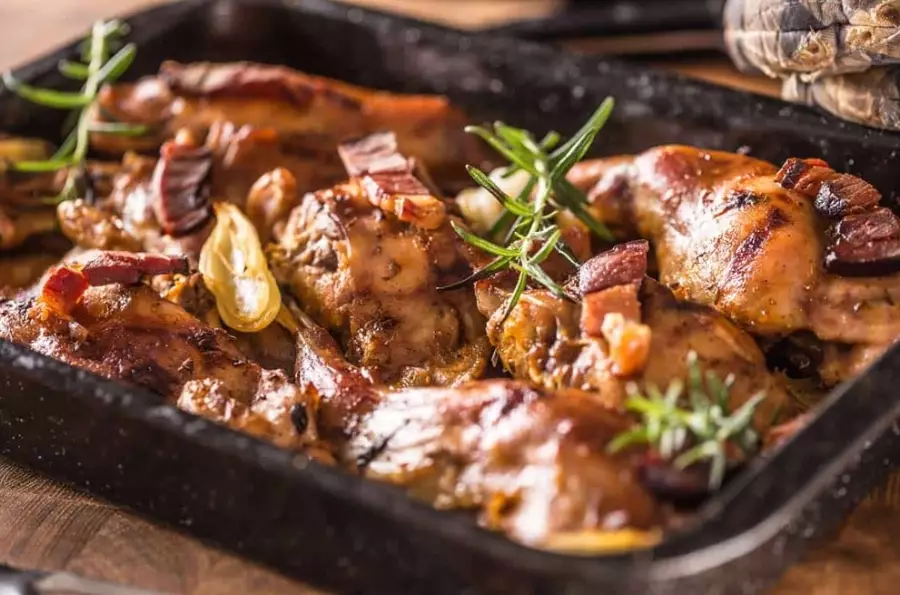
Nutrition, Sourcing, and the Ethics of Eating Rabbit
Let’s address the practical questions beyond the pot.
Rabbit meat is incredibly lean and high in protein. According to the USDA FoodData Central, a 3-ounce serving has about 28 grams of protein and only 3.5 grams of fat, most of which is unsaturated. It’s also a good source of iron, vitamin B12, and phosphorus. From a pure nutrition standpoint, it’s a superb choice.
The ethics are a personal matter. For some, it’s a non-starter. For others, considering rabbit as a meat source involves looking at its environmental footprint, which is significantly lower than beef or pork. Rabbits convert feed to protein very efficiently, require less space and water, and produce less methane. If you choose to eat meat, rabbit can be a more sustainable option. The key, as with all meat, is seeking out sources that practice high-welfare farming. Look for terms like "pasture-raised" or certifications from reputable animal welfare organizations.
| Meat Type | Flavor Profile (Compared to Rabbit) | Fat Content | Best Cooking Method |
|---|---|---|---|
| Rabbit | Mild, slightly sweet, delicate. Absorbs braising flavors perfectly. | Very Low | Braising, Stewing, Confit |
| Chicken (Dark Meat) | More pronounced poultry flavor, fattier taste. | Moderate | Roasting, Braising, Grilling |
| Pork Shoulder | Much richer, distinctly porky, high fat content. | High | Slow Roasting, Pulled Pork |
| Veal | Very mild, almost neutral, with a fine texture. | Low | Pan-Searing, Stewing (Osso Buco) |
Where to Try Authentic Rabbit Stew: A Foodie's Shortlist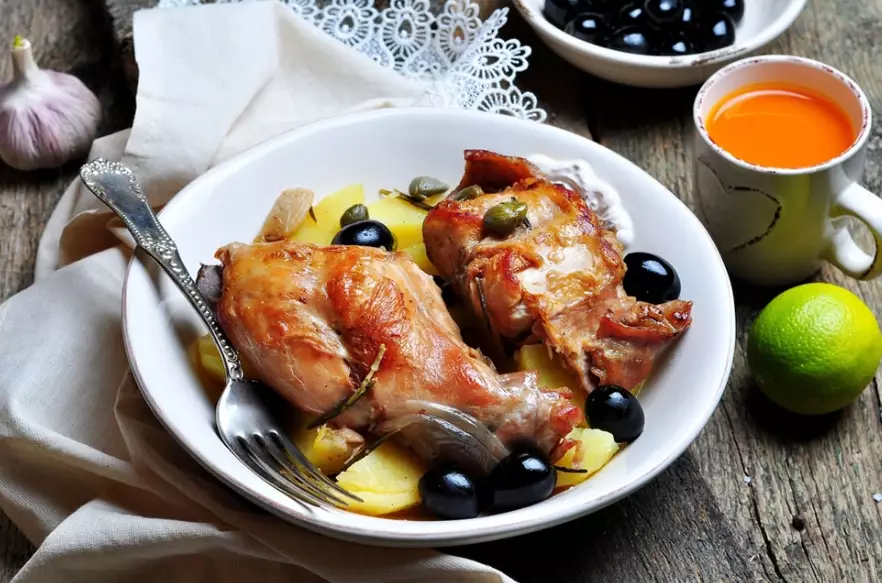
Not ready to cook it yourself? The best education is tasting it made by experts. Here are a few places renowned for their rabbit stew, should your travels take you there.
1. 't Fornuis – Antwerp, Belgium
Belgium is the heartland of rabbit stew (Stoofkonijn or Konijn met Pruimen). 't Fornuis is an institution. They slow-cook the rabbit in Belgian ale (often a Trappist like Chimay) with onions, thyme, and bay leaf, sometimes adding sweet prunes or cherries for balance. The result is a deeply savory, slightly sweet, and incredibly tender dish that defines Belgian comfort food.
Address: Reyndersstraat 24, 2000 Antwerpen, Belgium.
What to order: Konijn met Trappistenbier en Pruimen (Rabbit with Trappist Beer and Prunes).
Price Point: €28-€35 for a main course.
Vibe: Cozy, classic brasserie with dark wood and a timeless feel.
2. Le Comptoir du Relais – Paris, France
For the classic French bistro version, it’s hard to beat the iconic Lapin à la Moutarde. Le Comptoir du Relais in Saint-Germain serves a flawless rendition. The rabbit is braised in white wine with shallots, then finished with a generous amount of Dijon and whole-grain mustard, creating a sauce that’s tangy, creamy, and peppery all at once, perfectly cutting through the richness.
Address: 9 Carrefour de l'Odéon, 75006 Paris, France.
What to order: Lapin à la Moutarde.
Price Point: Around €32-€38.
Tip: It’s always busy. Go for lunch or be prepared to wait. Worth it.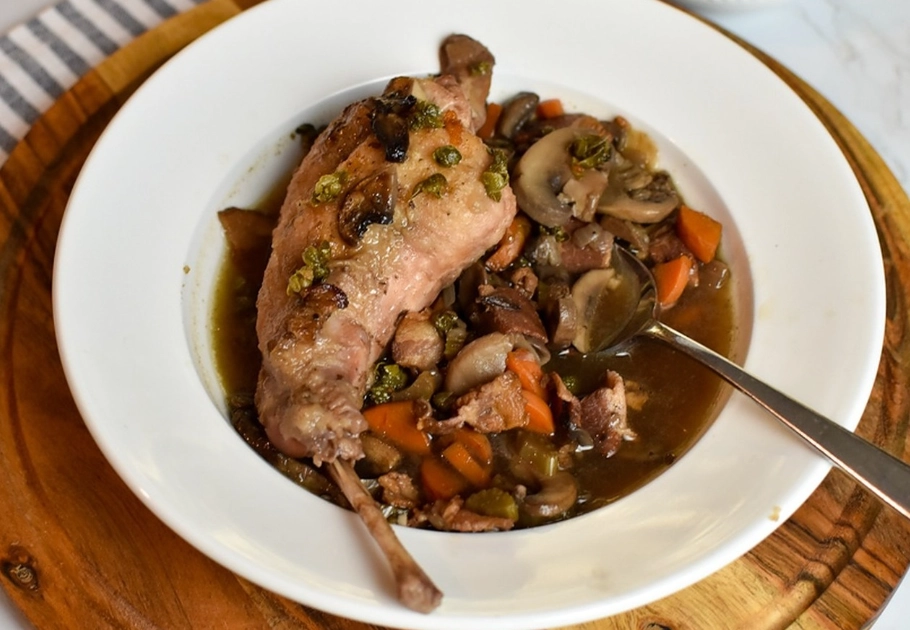
Your Rabbit Stew Questions, Answered
Does rabbit stew taste gamey like venison?
Not if you’re using farmed rabbit, which is what you’ll find in most butcher shops and restaurants. Wild hare has a stronger, earthier flavor that some describe as gamey, but it’s a different animal. Farmed rabbit is deliberately bred for a mild, clean taste. Any “gaminess” in a stew usually comes from the braising ingredients like red wine, mushrooms, or robust herbs, not the meat itself.
I’m nervous about cooking rabbit for the first time. What’s the one mistake to avoid?
The absolute worst mistake is rushing the braise or cooking at too high a temperature. Rabbit needs low, gentle, and patient heat. If you boil the stew, the muscle fibers will seize up and become tough and dry long before the connective tissue has a chance to break down. Set your oven to 325°F or keep the stove on the lowest possible simmer. Let time do the work.
 Can I substitute rabbit for chicken in my regular stew recipe?
You can, but you’ll need to make a key adjustment: add more fat. Chicken thighs have their own fat to keep them moist. Rabbit doesn’t. If you just swap them in a recipe that calls for browning and then a relatively short simmer, the rabbit will likely be dry. Follow a dedicated rabbit stew recipe that accounts for its leanness with a longer, gentler cook time and ample braising liquid. A recipe starting with “rabbit” is your best bet.
Is rabbit stew considered healthy?
The meat itself is very healthy—high in protein, low in fat and cholesterol. The “healthiness” of the stew then depends on what you cook it with. A stew loaded with cream, butter, and salt will be less healthy than one braised in wine and stock with lots of vegetables. You have full control. It’s easy to make a nutrient-dense, balanced meal with rabbit as the centerpiece.
Where can I buy rabbit meat to cook at home?
Start with a local, high-quality butcher shop. Many can order it for you if they don’t regularly stock it. Farmers' markets are another excellent source, where you can often talk directly to the producer. If those fail, several reputable online meat purveyors specialize in game and sustainable meats, such as D'Artagnan or Fossil Farms in the US, which ship nationwide. Always ask if it’s fresh or previously frozen.
Reader Comments