Let's be honest. You're probably here because you've seen those adorable floppy-eared creatures on social media or at a friend's house and thought, "I want one." I get it. I've been there. But after over a decade of working with rabbit rescues and talking to countless overwhelmed owners, I need to tell you the other side of the story. Rabbits are often disastrously misunderstood pets. They are not low-maintenance starter animals for kids, nor are they cage-bound decorations. The decision to get a rabbit should come with a heavy dose of reality about their significant drawbacks. If you're considering a bunny, you need to know what you're really signing up for.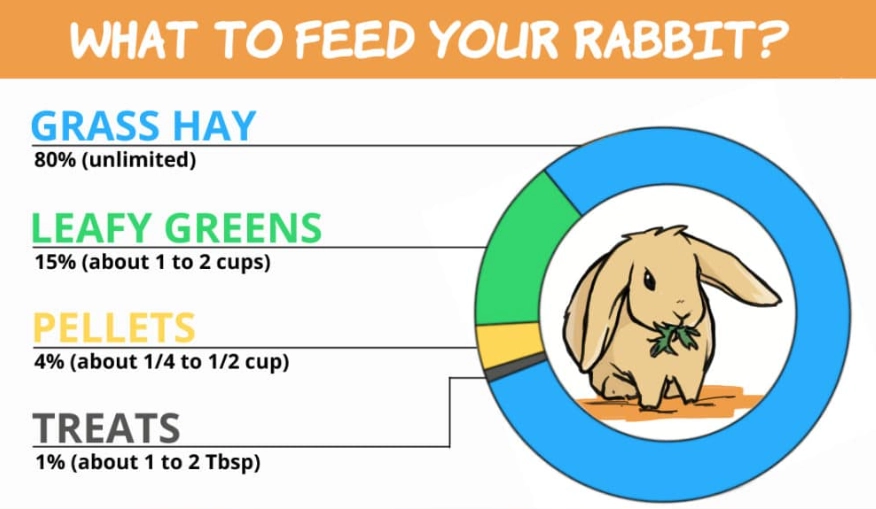
What You'll Discover in This Guide
How Much Does a Rabbit Really Cost?
Forget the $50 adoption fee. That's the cheapest part. The real expense of rabbit ownership hits you in recurring, often unexpected ways. Most people budget for a cage and food, but the vet bills are the financial sinkhole.
Exotic veterinarians (the only kind properly trained for rabbits) charge significantly more than regular cat and dog vets. A simple wellness check can start at $80, and that's if nothing is wrong. Let's break down the first-year costs, which are the most shocking.
| Expense Category | Initial/One-Time Cost | Annual Recurring Cost | Notes |
|---|---|---|---|
| Adoption/ Purchase | $50 - $150 | $0 | Adoption from a rescue is strongly recommended. |
| Housing & Setup | $200 - $500 | $50 | Includes pen, litter boxes, hideouts, bowls. Not a tiny cage. |
| Veterinary (Routine) | $150 - $300 | $200 - $400 | Spay/neuter (essential) plus annual check-ups. |
| Veterinary (Emergency) | Variable | GI stasis surgery or dental work can easily exceed $1500. | |
| Food & Hay | $30 (first bag) | Unlimited Timothy hay is the biggest ongoing food cost. | |
| Litter & Bedding | $20 | Paper-based litter, changed frequently. | |
| Toys & Enrichment | $50 | They destroy things. You will constantly replace them. | |
| Estimated Total (First Year) | $1000 - $3500+ | Heavily dependent on health. This is for one rabbit. | |
See that emergency vet line? It's not an exaggeration. A friend's rabbit stopped eating on a Friday night. Emergency exotic vet visit, X-rays, fluids, medication: $1,200. The rabbit recovered, but their savings account didn't. Pet insurance for rabbits exists, but it's another monthly cost and often has limits.
The Daily Grind: Time Investment is Huge
You can't just fill a bowl and leave for the weekend. Rabbits need daily, hands-on interaction and monitoring. Their health can deteriorate frighteningly fast—within 12 hours of not eating, they can be in critical condition from GI stasis.
What a Typical Day Looks Like
Morning: Fresh water, replenish hay mountain (they eat constantly), fresh greens, clean litter box if soiled. Evening: Another round of greens, supervised free-roam time for 3-4 hours (not just letting them out, but engaging with them), spot clean the area, check for any behavioral or appetite changes.
Weekends: Deep clean the entire living space, wash bedding, go to the store for fresh vegetables. It's like having a toddler that never grows up and can squeeze under your couch. The "free-roam" time is non-negotiable for their mental health. Caging them 24/7 is cruel and leads to aggression and depression.
A common mistake I see: People think because rabbits are quiet, they're low-effort. The effort is just different. It's not about walks, it's about constant environmental management and health vigilance. A quiet rabbit is often a sick rabbit.
Fragile Health: A Constant Worry
Rabbits are prey animals. They hide illness until they are very, very sick. This evolutionary trait makes them terrible patients for owners who aren't obsessively observant.
The big three health nightmares:
- Gastrointestinal (GI) Stasis: This is the killer. Their gut stops moving. Causes include stress, pain, poor diet, dehydration. It requires immediate vet intervention (motility drugs, pain relief, fluids) or the rabbit dies from toxin buildup.
- Dental Disease: Their teeth never stop growing. Misalignment (malocclusion) leads to painful spikes, abscesses, and an inability to eat. This often requires regular, expensive dental filings under anesthesia.
- Respiratory Infections (Snuffles): Chronic, often stress-induced, and hard to fully eradicate. Requires long antibiotic courses.
Finding a vet is itself a challenge. Not all vets see rabbits. You need an exotic or special species veterinarian. In many areas, there might only be one clinic within a 50-mile radius, and they may not have emergency hours. You must locate this vet before you get the rabbit.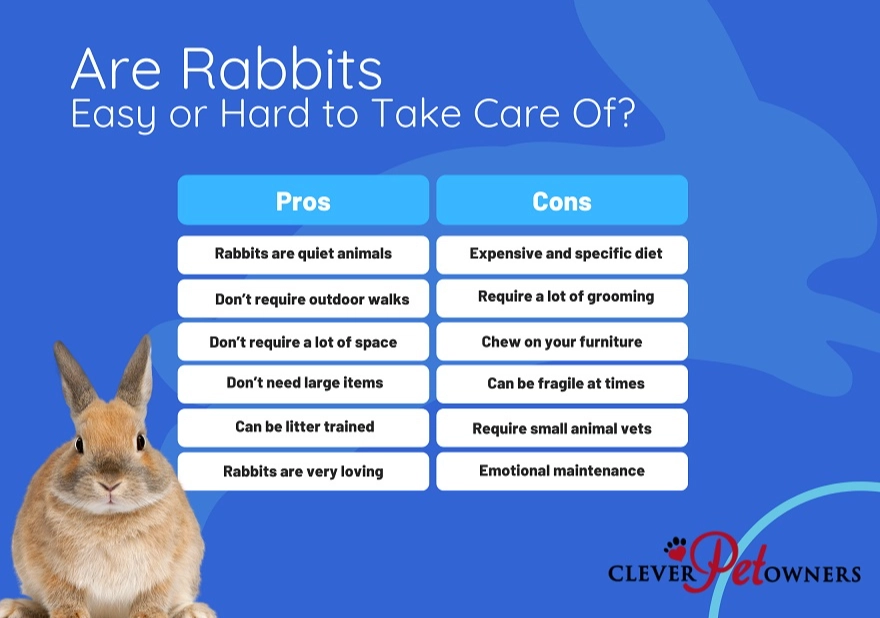
They Need Space and Will Destroy Yours
The idea of a rabbit happily living in a 4-foot cage is outdated and inhumane. The House Rabbit Society and other experts recommend a minimum space of at least 24 square feet, often via an exercise pen, plus several hours of additional free-roam time.
And during that free-roam time, they will chew. It's not malice; it's a biological imperative to wear down their teeth and explore.
What's at risk? Baseboards, chair legs, electrical cords (a fatal hazard), carpet corners, books, remote controls, and charging cables. Rabbit-proofing a room is a serious undertaking akin to baby-proofing, but for a creature that can jump onto your desk. You will lose things. I've lost two laptop chargers and a beloved area rug.
Social Complexity: Lonely Bunnies Are Unhappy Bunnies
Here's a fact that surprises many: rabbits are highly social and, in most cases, should be kept in neutered pairs. A single rabbit often becomes lonely, bored, and destructive. But bonding two rabbits is a delicate, stressful process that can take weeks or months of supervised, neutral-territory dates. It's not just putting them together.
Their bonding rituals involve chasing, nipping, and fur-pulling. It looks scary. If done wrong, they can fight seriously, causing injury. Many owners give up, leaving with two separate rabbits needing double the space and resources.
Their communication is also subtle. A thump means fear or annoyance. A honk or circle can be excitement or hormonal behavior. Ignoring these signals leads to a frustrated pet. They are not cuddly by default. Many hate being picked up—a feeling of being snatched by a predator. The expectation of a lap pet leads to disappointment and a rabbit that hides from you.
The Long Haul: A Decade-Plus Commitment
Rabbits live 8 to 12 years, sometimes longer. That's longer than many dogs. This is a commitment that will span life changes: new jobs, moving, marriage, children, financial ups and downs.
What happens when you have a baby and no longer have 4 hours a night for bunny playtime? What happens when you get a demanding new job? The shelters are full of "surrendered" rabbits aged 2-3 years when the novelty wore off and the reality set in. Adopting a rabbit is adopting a quiet, sensitive, long-lived family member that depends on you entirely.
Travel becomes a major headache. You can't board them at a standard kennel. You need a specialized pet sitter who understands rabbit care, which is expensive and hard to find. Leaving them with a neighbor who just tops up food is a recipe for disaster.
Your Rabbit Care Questions Answered
Can I leave my rabbit alone for a weekend if I leave extra food and water?
Absolutely not. This is one of the most dangerous assumptions. Rabbits need fresh food and water daily, but more critically, they need to be monitored for appetite and droppings. A rabbit that stops eating can develop fatal GI stasis in under 24 hours. Even a 48-hour absence requires a knowledgeable pet sitter to visit at least twice daily to check on them, not just refill bowls.
Are rabbits good pets for young children?
Rarely. Rabbits are fragile prey animals. A child's natural desire to hug, chase, or pick them up is terrifying and painful for the rabbit, leading to scratching, biting, or a broken back if dropped. The care responsibilities (cleaning, feeding, vet visits) are adult tasks. The rabbit usually ends up neglected or surrendered. A rabbit is a family pet that requires adult supervision and primary adult responsibility.
 My rabbit chews everything and seems to ignore all the toys I buy. What am I doing wrong?
You're probably buying the wrong toys. Many store-bought rabbit toys are colorful, plastic, and uninteresting. Rabbits are driven to chew wood, dig, and shred. Try untreated willow baskets, cardboard boxes stuffed with hay, phone books for shredding, and piles of hay in different dispensers. Rotate toys weekly to prevent boredom. The most destructive chewing often comes from lack of stimulation or insufficient space.
Is it cruel to keep a single rabbit if I spend lots of time with it?
It's suboptimal. You are not a rabbit. You sleep at night, go to work, and speak a different language. Rabbit companionship provides constant social grooming, shared warmth, and communication we can't replicate. A bonded pair often exhibits more confident, relaxed behavior. The time you spend with them is still valuable, but it doesn't replace a same-species friend. Rescues frequently see single rabbits who become visibly brighter and more active after bonding.
How do I find a vet for a rabbit, and how do I prepare for an emergency?
Start by searching the House Rabbit Society vet list or asking local rabbit rescues for recommendations. Call the clinic to confirm they see rabbits regularly. For emergencies, know the address and phone number of the nearest 24/7 exotic animal emergency clinic. Keep a "go-bag" ready with a carrier, a favorite blanket, a sample of their fresh poop (sounds odd, but vets need it), and a list of their diet. Time is critical.
So, are rabbits good pets? For the right person—someone patient, observant, financially stable, and ready for a decade-long commitment that's more akin to a quirky, quiet roommate than a playful dog—they can be incredibly rewarding. Their personalities are subtle and deep. But for the vast majority of people drawn in by their cute faces, the disadvantages are profound and leading to an epidemic of abandoned animals. Look past the Instagram filter. The real question isn't "Do I want a rabbit?" but "Can I provide for all of this, every day, for ten years?" If you hesitated, you have your answer.
Reader Comments