So your rabbit is pregnant, or you suspect she might be. The next 31 days are a whirlwind of quiet, internal change. Knowing what's happening inside your doe week by week isn't just fascinating—it's the key to providing the right care at the right time. Forget the vague advice. Let's walk through rabbit gestation week by week, from that first day to the moment the kits arrive. I've been through this more times than I can count as a small-scale breeder and rescuer, and I'll point out the subtle mistakes even seasoned owners make.
Your Quick Guide to Rabbit Pregnancy
Understanding Rabbit Gestation: The 31-Day Countdown
Rabbit gestation averages 31 days. It's a tight schedule. It can range from 28 to 35 days, but 95% of the time, you're looking at 30-32 days. Smaller breeds tend to deliver a day or two earlier, while larger breeds might go a day or two longer. The clock starts ticking from the moment of successful mating.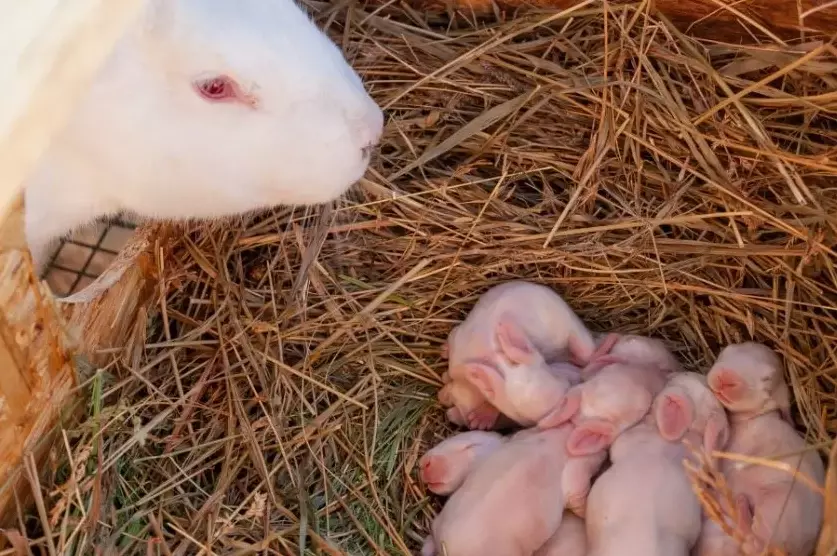
Here's a crucial point many miss: rabbits are induced ovulators. The act of mating triggers ovulation. This means the timing is very precise compared to animals with heat cycles. You usually know the exact conception date if you witnessed the mating.
Pro Tip: Mark the mating date on your calendar. Day 31 is your due date. Start your heightened observation from Day 28 onwards. Have the nesting box ready by Day 26 at the latest.
Week-by-Week Breakdown of Rabbit Pregnancy
This is where it gets real. What's actually happening each week? Let's break it down. I'll also tell you what you, as the caregiver, should be doing and noticing.
Weeks 1 & 2: The Silent Beginning
Nothing visible happens externally. Zero. Zilch. Inside, fertilization and implantation are occurring. The embryos are traveling to the uterine horns. By the end of the second week, they're firmly embedded.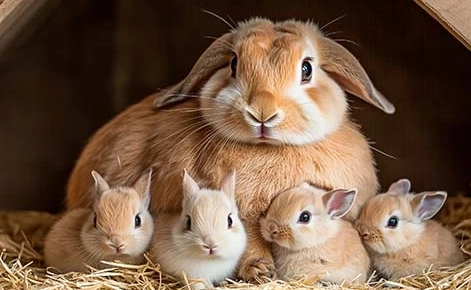
Your Role: Business as usual. Feed her a high-quality diet—unlimited hay, fresh greens, and a measured amount of pellets. The biggest mistake here is over-supplementing. She doesn't need extra calories yet. In fact, overfeeding now can lead to obesity, which complicates pregnancy and birth. I see this all the time with anxious new owners.
Her behavior is normal. She might seem a little more territorial, but that's it.
Week 3: The First Physical Signs
Around day 14-21, you might be able to feel the babies. This is called "palpating." I'm hesitant to recommend this to beginners. Done wrong, you can harm the developing kits. If you're experienced, you'll feel small, grape-sized lumps in her lower abdomen. If you're not sure, don't poke and prod. Wait.
Her appetite will start to noticeably increase. This is your cue. Begin very slightly increasing her pellet portion (maybe 10-15%). Continue unlimited timothy or orchard grass hay. She may start drinking more water too.
Week 4: Nesting Instincts Kick In
This is the week things get obvious. Her belly will swell. She'll gain weight. And the nesting behavior begins. You'll see her gathering hay in her mouth, rearranging bedding, and looking for a secluded spot.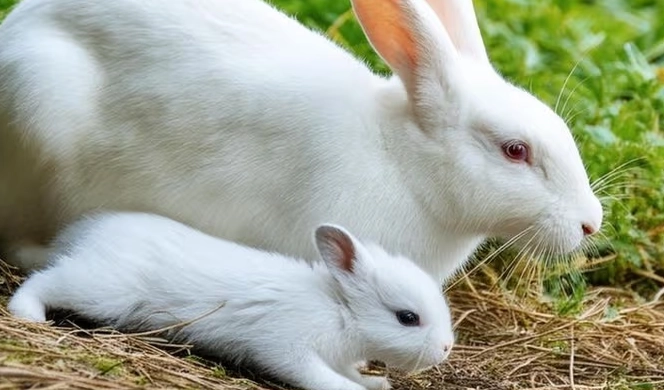
This is when you provide the nesting box. A simple cardboard box with one side cut down low for entry, filled with soft hay or straw, works perfectly. Place it in a quiet corner of her hutch or pen. She might ignore it for a day, then suddenly go into a nesting frenzy, pulling her own fur to line the box. That fur-pulling is a definitive sign birth is 24-48 hours away.
Watch Out: Some does, especially first-time moms, build nests early (pseudopregnancy) or very late. Don't panic if she hasn't pulled fur by Day 30. Just ensure the box is there and she has plenty of hay.
Week 4.5 to Birth (Days 28-31): The Final Countdown
The last few days. She may become restless or unusually quiet. Her appetite might drop slightly right before labor. The kits are fully developed and taking up a lot of space. You can often see them moving inside her if she lies still on her side.
Labor itself is usually quick and happens in the early morning hours. It's often over in 15-30 minutes. The doe will clean each kit, eat the placenta (normal and important for nutrition), and tuck them into the fur-lined nest. Then she'll hop away and act like nothing happened. Interfere as little as possible. Just provide quiet and check later that the kits are warm and fed (full, round bellies).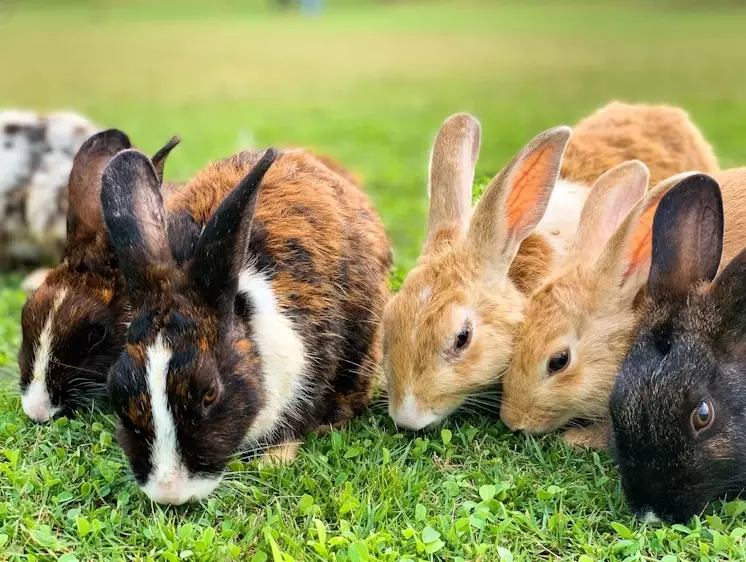
| Gestation Week | Key Fetal Development | Visible Signs in the Doe | Owner Action Items |
|---|---|---|---|
| Week 1-2 | Fertilization, implantation, early cell division. | None. Possible slight increase in territorial behavior. | Maintain normal, high-fiber diet. Avoid stress. Mark the calendar. |
| Week 3 | Major organ formation. Fetuses become palpable. | Appetite increases. Slight abdominal swelling possible. | Begin slight increase in food (pellets). Ensure unlimited hay and water. Consider a vet check for confirmation. |
| Week 4 | Rapid growth, fur begins to form. | Clear weight gain, enlarged abdomen. Nesting behavior starts (gathering, digging). | Provide nesting box. Increase food further. Minimize handling. |
| Week 4.5 to Birth | Final development, movement visible. | Restlessness or lethargy. Fur pulling. Appetite may wane. Kits may be seen moving. | Ensure quiet, private environment. Have emergency vet contact ready. Observe from a distance. Check nest after birth. |
How to Care for a Pregnant Rabbit: Essential Tips
Beyond the weekly timeline, these are the pillars of care that span the entire gestation period.
Diet: It's All About Fiber First
The number one nutritional need for a pregnant rabbit is high-quality fiber. Unlimited grass hay (timothy, orchard, meadow) is non-negotiable. It keeps her digestive system, which slows down during pregnancy, moving and prevents GI stasis—a deadly condition.
Increase her alfalfa-based pellets gradually from week 3, as they provide extra protein and calcium. But don't let pellets replace hay. A common error is piling on the pellets and letting hay intake drop. Greens like romaine, cilantro, and carrot tops are excellent but introduce any new ones slowly.
The Nesting Box: Non-Negotiable Setup
If you remember one thing from this care section, let it be this: the nesting box prevents kit mortality. Newborn kits are hairless and cannot regulate their temperature. Without the insulated fur nest, they die of hypothermia. The box also protects them from being accidentally stepped on or scattered by the doe.
Size matters. For a medium-sized doe, a box about 12x18 inches with 4-inch sides is good. Fill it with hay and let her do the rest. If she doesn't pull enough fur, you can gently pluck some soft fur from her dewlap and chest to add to the nest.
Stress Reduction and Environment
Keep her environment calm. Loud noises, frequent handling (especially after week 3), or introducing new animals can cause stress that may lead to pregnancy complications or even reabsorption of the embryos early on. Provide a secure, quiet space where she feels safe.
Common Questions About Rabbit Gestation Answered
Tracking rabbit gestation week by week demystifies the process. It turns anxiety into informed action. You move from guessing to knowing—knowing when to increase food, when to provide the nest, and when to simply step back and let nature take its course. Pay attention to your doe. She'll give you the cues. Your job is to understand them and provide the silent support she needs for those critical 31 days.
Reader Comments