Let's cut to the chase. Yes, rabbits can eat both cabbage and carrots. But that simple answer is why so many bunnies end up with digestive issues or an unbalanced diet. The real question isn't "can they," but "how should they?" I've been raising rabbits for over a decade, and I've seen the fallout from getting this wrong—bloating, GI stasis, picky eaters who refuse their hay. The problem isn't the vegetables themselves; it's how we think about them. We treat them like daily staples when they should be occasional treats or supplements. This guide will break down exactly how to feed cabbage and carrots safely, covering the amounts that won't cause harm, the preparation most owners skip, and the common mistakes that can sneak up on you.
What's Inside?
Carrots: From Bugs Bunny Myth to Occasional Treat
Pop culture did rabbits a disservice. Carrots are not a rabbit's main food. Think of them as the candy of the rabbit world. The root (the orange part we all know) is high in sugar and starch. Feeding too much can lead to weight gain, disrupt the delicate cecal bacteria, and cause dental problems because they're not abrasive enough to wear down teeth properly.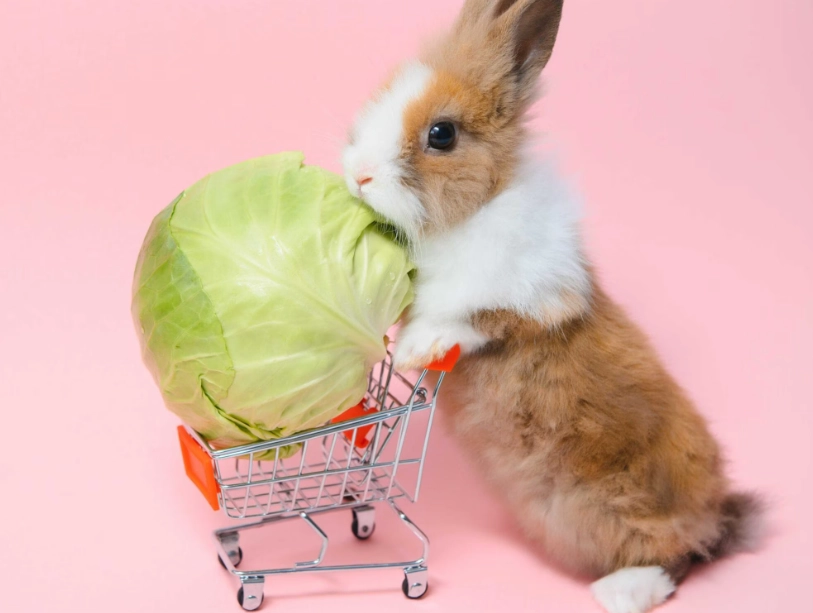
The greens on top, however, are a different story. Carrot tops are fantastic. They're leafy, low in sugar, and high in fiber and vitamins. If you get carrots with the greens attached, your rabbit is getting the better deal.
How Much Carrot is Actually Safe?
For an average 6-pound adult rabbit, one to two thin slices or small baby carrot pieces, 1-2 times per week, is the absolute max. That's it. It's a garnish, not a meal. I measure it against their regular food: a week's worth of carrot should be less than the size of their daily portion of good leafy greens.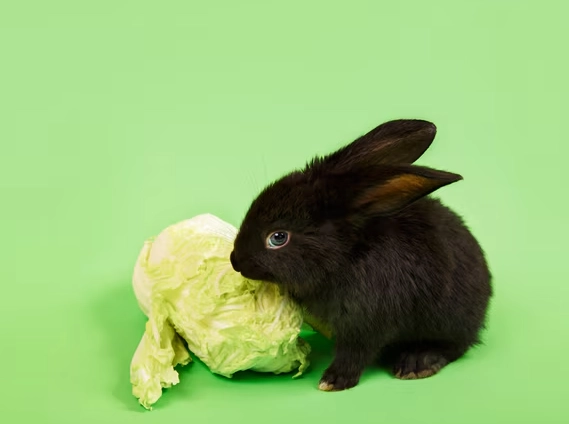
Cabbage and the Gas Question: Safe Types and Limits
Cabbage gets a bad rap for causing gas (bloat), and it can. But the risk is manageable with knowledge. The gas comes from complex sugars called raffinose. Some rabbits handle it fine; others are more sensitive. You have to introduce it like a science experiment.
Not all cabbages are created equal. The darker, leafier varieties are generally better.
| Type of Cabbage | Safety & Notes | How Often to Feed |
|---|---|---|
| Green / Savoy Cabbage | Most common. Higher in water. Start with tiny amounts. | 1-2 times per week, small handful |
| Red / Purple Cabbage | Perfectly safe. Can cause colored urine (harmless). | 1-2 times per week, small handful |
| Bok Choy / Pak Choi | Excellent choice. Lower gas risk, high in nutrients. | Can be fed more regularly, 3-4 times a week |
| Brussels Sprouts | High gas risk. Feed sparingly, monitor closely. | Once a week max, 1-2 sprouts |
The key is the inner leaves. The outer, darker leaves are tougher and sometimes have more pesticide residue. I always peel off and discard the first two layers, then wash the inner leaves thoroughly. I tear them into palm-sized pieces, never feed the core.
How to Feed Them Right: A Step-by-Step Plan
Let's walk through a safe introduction. Say you just bought a green cabbage and some carrots with tops.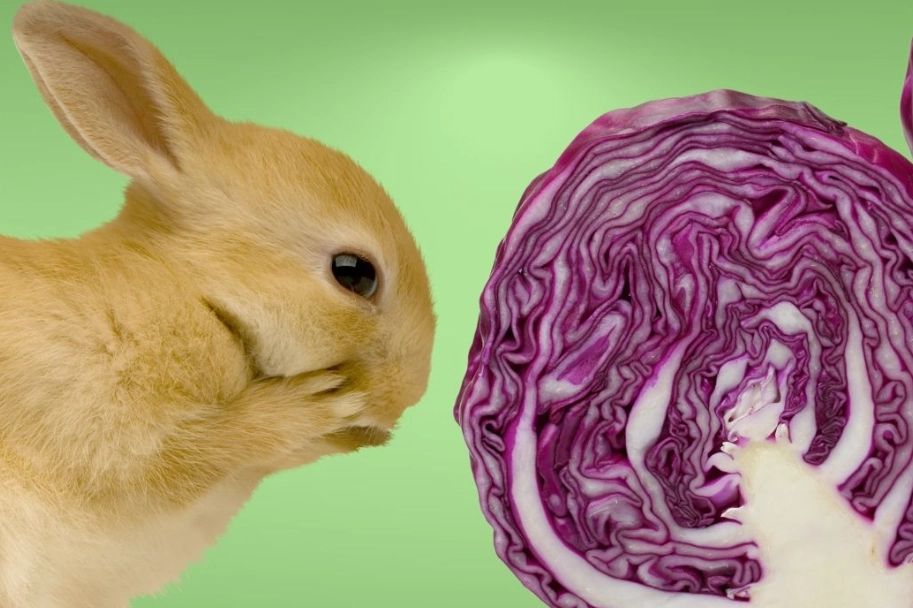
Day 1: The Baseline. Don't give any new veg. Just their usual hay, pellets, and any greens they already eat. Note their poop size and quantity.
Day 2: Introduce One. Morning feeding. Give one small, washed inner cabbage leaf (about the size of your hand). No carrot today. Watch their poop for the next 24 hours. It should remain normal, large, and round.
Day 3: Assess. If poops are good, you can give another small leaf. If not, stop cabbage for a week, then try bok choy instead.
Day 4: Introduce the Second. If cabbage is tolerated, now try a treat. Give one thin slice of carrot WITH a good bunch of its attached greens. This is the package deal.
Going Forward: Never feed cabbage and carrot on the same day again. Space them out. Monday: cabbage. Thursday: carrot treat. This prevents overloading their system with sugars and gas-producing compounds at once.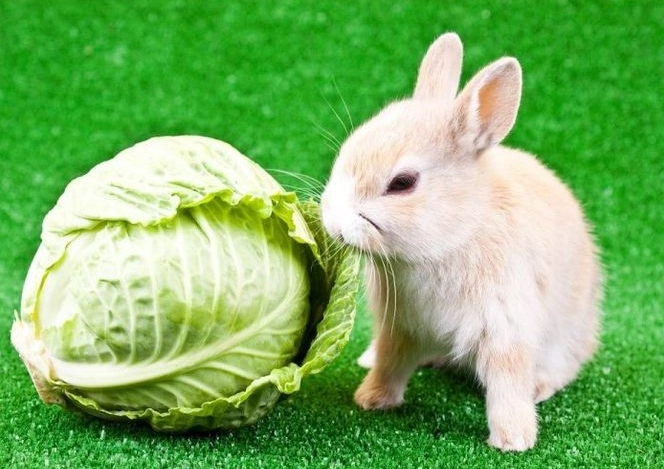
3 Common Feeding Mistakes Even Experienced Owners Make
I've made some of these myself early on.
Mistake 1: The "Daily Veggie Plate" Mix. Throwing cabbage, carrot, broccoli, and kale into a bowl every single day. This creates a nutritional and digestive traffic jam. Rotate your veggies. Have a "leafy green day" (romaine, cilantro) and a "cruciferous day" (small bit of cabbage, bok choy).
Mistake 2: Ignoring the Hay Ratio. The moment veggies reduce hay consumption, you have a problem. Hay must be 80-90% of their diet. Weigh your hay. If you give a cup of veggies and see a quarter cup of hay left uneaten, you're giving too many veggies.
Mistake 3: Feeding the Wrong Part. The carrot root without tops. The tough cabbage core. The wilted outer leaves. You're either giving pure sugar or a choking hazard. Always feed the best, most digestible parts.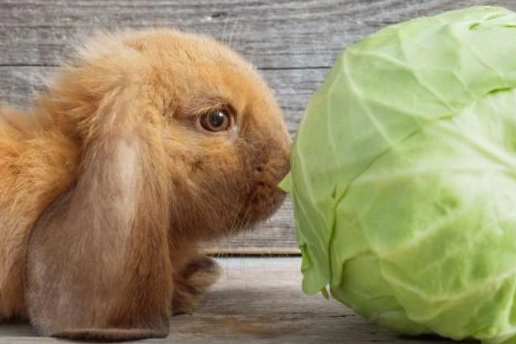
What to Feed Instead: Better Daily Veggie Options
If cabbage and carrots are occasional, what should fill the veggie bowl daily? Stick to leafy herbs and lettuces. They're low in calories, high in fiber, and hydrating.
Daily Staples: Romaine lettuce, green leaf lettuce, cilantro, parsley, dill, mint, basil, celery leaves (not the stringy stalk), radish tops.
Rotational Add-ins: Dandelion greens (pesticide-free!), endive, escarole, wheatgrass, a small piece of bell pepper (for vitamin C).
A good rule from the House Rabbit Society is to feed about 1 packed cup of leafy greens per 2 lbs of body weight daily. That's where your focus should be.
Reader Comments