If you're breeding Rex rabbits or your beloved pet doe had an unexpected encounter, the waiting game begins. The Rex rabbit gestation period, the time from conception to birth, is a critical window that demands specific knowledge and preparation. Unlike the generic 28-31 days you often hear, Rex does have their own rhythm and needs. Getting it wrong can lead to stress, health issues for the doe, or lost kits. After years of breeding and consulting, I've seen too many well-meaning owners miss the subtle signs or make a common, disruptive mistake in the final days. Let's cut through the noise. The average gestation for a Rex rabbit is 31 to 33 days. But that number alone is useless without knowing what to do with each of those days.
What You'll Find in This Guide
How Long Are Rex Rabbits Pregnant? Breaking Down the Timeline
While 31-33 days is the standard, it's not a rigid rule. First-time mothers (primiparous does) often go a day or two longer. Litter size plays a role too; smaller litters (1-3 kits) might have a slightly longer gestation, while larger litters (8+) sometimes arrive a day early. I once had a proven Rex doe consistently deliver healthy litters of 6-7 kits on day 32, like clockwork. Then, one breeding resulted in a litter of 10, and she kindled on day 30.5. The body knows.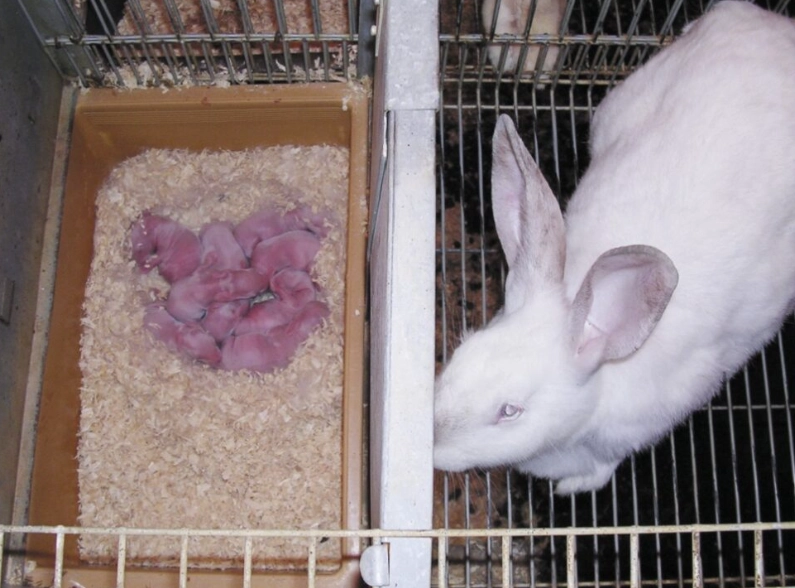
Here’s a comparison of gestation periods across popular breeds to give you context. You'll see Rex rabbits sit right in the middle of the typical range.
| Rabbit Breed | Average Gestation Period | Notes |
|---|---|---|
| Rex Rabbit | 31 - 33 days | The focus of our guide. Consistent and predictable for experienced does. |
| Netherland Dwarf | 28 - 31 days | Smaller breeds often have slightly shorter pregnancies. |
| Flemish Giant | 32 - 35 days | Larger breeds tend toward the longer end of the spectrum. |
| New Zealand | 31 - 32 days | Very similar to Rex, often used in commercial breeding. |
| Lionhead | 30 - 32 days | Can vary more widely depending on lineage. |
The most common mistake I see? Owners panicking on day 34 if nothing has happened. While you should be attentive, a healthy Rex doe going to day 34 or even 35 without distress isn't an immediate emergency. The real concern is not the extra day or two, but whether she's showing other signs of being full-term, like heavy nesting. Always consult a rabbit-savvy vet if you're worried, but avoid unnecessary stress by knowing the normal range.
Spotting the Signs: Is Your Rex Rabbit Pregnant?
You can't rely on a rabbit pregnancy test from the store. You become the detective. Around day 10-14 post-breeding, a gentle palpation can reveal small, grape-sized embryos in the doe's abdomen. This takes practice—if you're unsure, have an experienced breeder or vet show you. Wrong technique can harm the developing kits.
Behavioral Changes You Might Notice
By the third week, behavior shifts. A normally friendly doe might become territorial or grumpy. She may eat and drink more. Or she might become extra clingy. There's no single pattern. The key is noticing a change from her baseline.
The Final Week: Nesting Behavior Takes Over
This is the big one. In the last 3-5 days, instinct kicks in. She'll start gathering hay (and anything else she can find—watch your loose papers!). You might see her pulling fur from her dewlap, chest, and belly. This fur is critical for insulating the nest. Some does are prolific pullers, creating a huge pile; others are more modest. A first-time mom might pull little to no fur, which is why we often supplement (more on that below).
Preparing the Nest Box: Your Most Important Task
This isn't just a box with some hay. It's the nursery. Get it wrong, and kits can die from exposure. I recommend introducing the nest box on day 28 of the gestation period. This gives her time to investigate and arrange it to her liking without leaving it in so long it becomes a bathroom.
Nest Box Specifications:
- Size: For a standard Rex, a box about 18" long x 12" wide x 12" high works well. It should be large enough for her to turn around in but cozy.
- Material: Wood is best. It insulates and allows kits to grip. Plastic can cause condensation and slippage.
- Entry: A low lip (3-4 inches) to prevent kits from tumbling out but allow the doe easy access.

Bedding Layers (This is the secret sauce):
- Bottom Layer (Absorption): A thin layer of pine shavings or aspen chips (never cedar, the fumes are toxic).
- Middle Layer (Structure): A generous heap of soft grass hay. Timothy or orchard grass is perfect. Let her rearrange this.
- Top Layer (Insulation): This is where her pulled fur goes. If she hasn't pulled enough by the morning of day 31, you can gently pull some soft fur from her sides yourself, or use a handful of clean, unscented cotton batting as a supplement. The goal is a deep, warm, hollowed-out nest.
Place the box in a quiet, dim corner of the hutch or cage. She needs privacy.
The Kindling Process: Birth Day for Your Rex Rabbit
Kindling (the term for rabbit birth) usually happens at night or in the early morning. It's typically fast, often over in 15-30 minutes. The doe will be in the nest box, and you might hear faint squeaks. Do not interrupt. She needs peace.
Afterward, she will likely hop out, eat some food (she'll be very hungry and thirsty), and may even ignore the nest for a while. This is normal. She's not abandoning them; she's taking a break. Her presence can attract predators, so her instinct is to visit the nest only for quick feedings.
What to do immediately after: Wait at least 6-8 hours. Then, when the doe is out eating, do a swift, gentle check. Wear gloves lightly rubbed with her bedding to minimize human scent. Count the kits. Remove any stillborn ones (they will be cold and unlike the others). Check that the nest is well-covered with fur. Do not handle healthy kits unnecessarily.
Post-Birth Care: The First Critical Weeks
Your job now is to support the doe so she can support her kits.
Nutrition for the Nursing Doe: She needs a massive amount of energy. Keep unlimited alfalfa hay (higher in calcium and protein) available alongside her usual grass hay. Increase her high-quality pellet ration. Always, always have fresh water available—a nursing doe can drink over a liter a day. Dehydration is a top cause of low milk supply.
Monitoring the Kits: Peek once a day. They should be in a warm, rounded pile in the nest. At about 7-10 days, their eyes will open, and they'll start to explore the box. By two weeks, they'll be hopping in and out. Ensure the cage bar spacing is small enough that they can't fall through.
Weaning typically begins around 4-5 weeks, and kits can usually leave the mother at 8 weeks old. The American Rabbit Breeders Association (ARBA) provides excellent general resources on rabbit care that align with these timelines.
Reader Comments