Let's be honest. Most rabbit cages sold in pet stores are a recipe for an unhappy, frustrated bunny. I learned this the hard way with my first rabbit, Thumper. The "deluxe" cage I bought looked spacious in the aisle, but once home, it felt more like a closet than a home. He spent hours gnawing the bars, a classic sign of stress. That's when I realized choosing a rabbit cage isn't about picking the prettiest one; it's about understanding rabbit psychology and biology.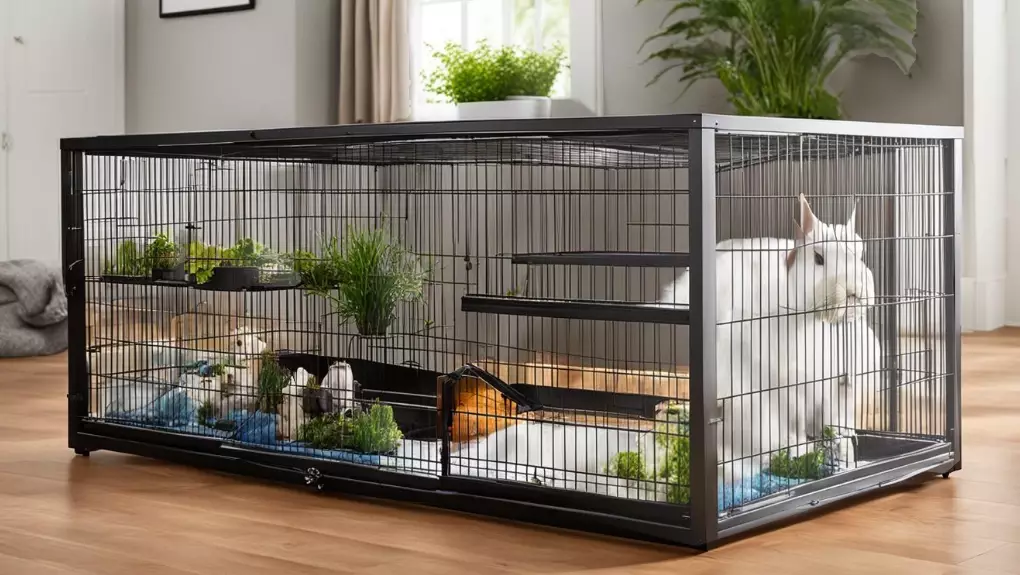
A cage is your rabbit's base camp. It's where they should feel utterly safe, sleep, eat, and have a litter box. But for far too many rabbits, it's a cramped prison that stifles their natural behaviors. This guide is about flipping that script.
In This Article, You'll Discover...
Why the "Standard" Cage Size is a Major Problem
Forget the marketing. The minimum cage size isn't about your rabbit fitting inside. It's about movement. Rabbits are crepuscular, meaning they're most active at dawn and dusk. They need space for three consecutive hops. That's the benchmark from organizations like the House Rabbit Society.
Think about a medium-sized rabbit, around 5 lbs. Three of their hops can easily cover 6-8 feet. Now look at a typical 36-inch cage. It's not even close.
My Rule of Thumb: If you can't comfortably fit a standard litter box, a hay feeder, a water bowl, and a small hideaway with room left over for your rabbit to stretch out fully in all directions, the cage is too small. Period.
Confinement in a small space leads to obesity, muscle weakness, sore hocks (painful ulcers on their feet), and severe behavioral issues like aggression or depression. The cage should be a safe haven, not their entire world.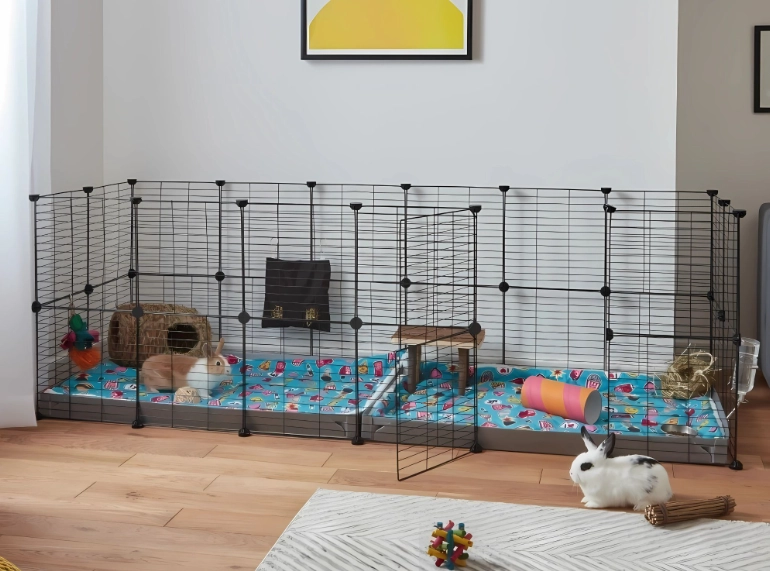
How to Choose the Perfect Rabbit Cage: A 3-Point Checklist
Navigating cage options is confusing. Wire tops, plastic bottoms, multi-levels. Let's break down what actually works.
1. Size & Shape: The Non-Negotiables
Calculate based on your rabbit's adult size, not their baby size. A good starting point is at least 4 times the length of your stretched-out rabbit in both width and depth. For most, this means looking at enclosures marketed for small dogs or building your own using modular systems like NIC (Neat Idea Cubes) grids or C&C grids.
Rectangular shapes are better than tall, narrow ones. Rabbits are ground dwellers, not climbers like ferrets. Height is only useful if it's for a sturdy, full-floor loft, not just vertical bars.
2. Material & Construction: Safety First
| Material | Best For / Pros | Watch Out For / Cons |
|---|---|---|
| Powder-Coated Wire | Excellent ventilation, easy to attach accessories, durable. Ideal for sides and tops. | Bar spacing must be 1 inch or less to prevent head entrapment. Bare wire floors are painful and must be covered 100%. |
| Solid Plastic Base | Containment for bedding/litter, easy to clean, provides a solid, comfortable surface. | Poor ventilation if sides are too high. Can be chewed if rabbit is bored. Often too small in commercial cages. |
| Wooden Hutches (Outdoor) | Traditional look, good insulation if built well. | Porous, absorbs urine, difficult to sanitize, can harbor mites. Not recommended as a primary indoor solution due to poor visibility and ventilation. |
My personal preference? A large dog exercise pen (x-pen) set up on a washable rug or coroplast sheet. It's customizable, spacious, and foldable. For a more permanent look, a DIY NIC cube enclosure with a coroplast base is unbeatable for value and size.
3. Door & Accessibility Features
This is overlooked. The door must be wide enough for you to easily remove a litter box or a nervous rabbit. Top-opening cages are a nightmare for rabbits (predator vibes) and your back. Side-opening, full-panel doors are best. Also, check that you can securely attach a heavy ceramic water bowl without it tipping through the wires.
My Step-by-Step Cage Setup for a Happy Rabbit
Setting up isn't just throwing things in. It's zoning. Here's how I set up my current rabbit Basil's enclosure, a 4x2 NIC cube setup (approx. 56" x 28").
Zone 1: The Dining & Bathroom Area (Back Corner)
I place a large, high-sided cat litter box here. Fill it with a thin layer of paper-based litter. Right next to it, I hang a hay rack stuffed with unlimited timothy hay so Basil can munch while he does his business. A ceramic water bowl sits nearby.
Zone 2: The Resting & Hiding Area (Opposite Corner)
This gets a fully enclosed hidey-house. Not an open bed, but a box with one or two entrances. It's his security blanket. I use a simple cardboard box with holes cut in it and replace it when chewed.
Zone 3: The Activity Zone (Remaining Space)
This is the open floor space. Here, I rotate toys: a willow ball, a treat puzzle, an untreated wicker tunnel. Nothing is fixed, so I can change the layout to keep things interesting.
The entire enclosure sits on a washable waterproof mat, which sits on an area rug. This protects my floors and gives Basil better traction than slick plastic.
3 Common Cage Mistakes Even Experienced Owners Make
- Prioritizing Vertical Space Over Horizontal Space. A three-foot-tall tower with tiny floors on each level is useless. Rabbits need runway space, not just perches. If you go multi-level, ensure each level is large and connected by a gentle ramp, not a steep ladder.
- Using Fluffy Bedding or Blankets as Flooring. It looks cozy but is a digestive hazard if eaten and gets filthy quickly. Solid surfaces (plastic, coroplast) covered with a thin fleece blanket (if your rabbit doesn't chew fabric) or just left bare are safer and cleaner.
- Placing the Cage in a Social "Dead Zone." Sticking the cage in a quiet, unused room isolates your rabbit. They are social creatures. The cage should be in a living area where the family spends time, but not in the direct path of loud TVs or high traffic. A corner of the living room is perfect.
Cleaning & Maintenance Without the Stress
A clean cage is a healthy cage, but you don't need to deep-clean daily. Rabbits are territorial; removing all their scent constantly is stressful.
Daily: Scoop the litter box. Refresh hay and water. Pick up any soiled bedding or stray droppings from the floor.
Weekly: Empty and wash the litter box with a 50/50 white vinegar and water solution. Wipe down plastic bases or coroplast. Wash any fleece liners. Replace the cardboard hide.
Monthly: Do a full breakdown of the enclosure. Disinfect wire panels (if removable) with a pet-safe disinfectant, rinse thoroughly. Check all connectors and hinges for security.
The biggest hygiene helper? A large litter box. It contains most of the mess. If your rabbit is peeing outside the box, it's likely too small, or you need to adjust your setup (put hay directly over the box).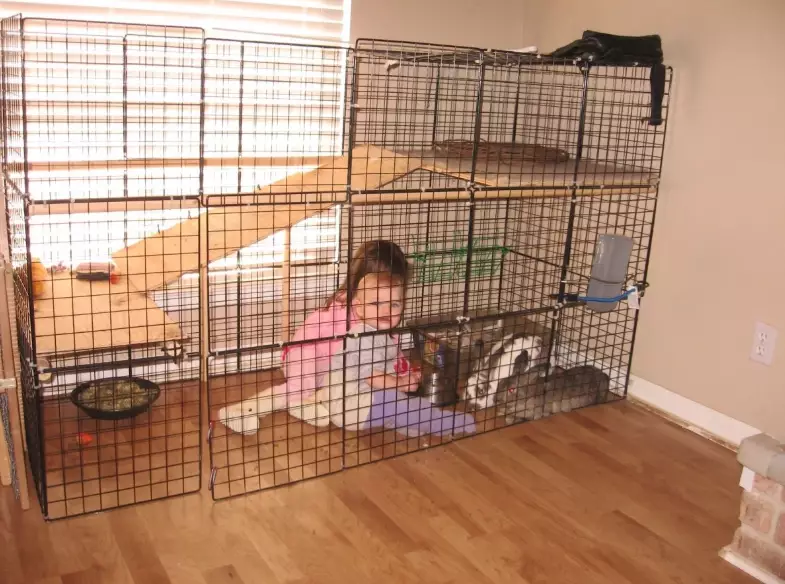
Your Rabbit Cage Questions, Answered
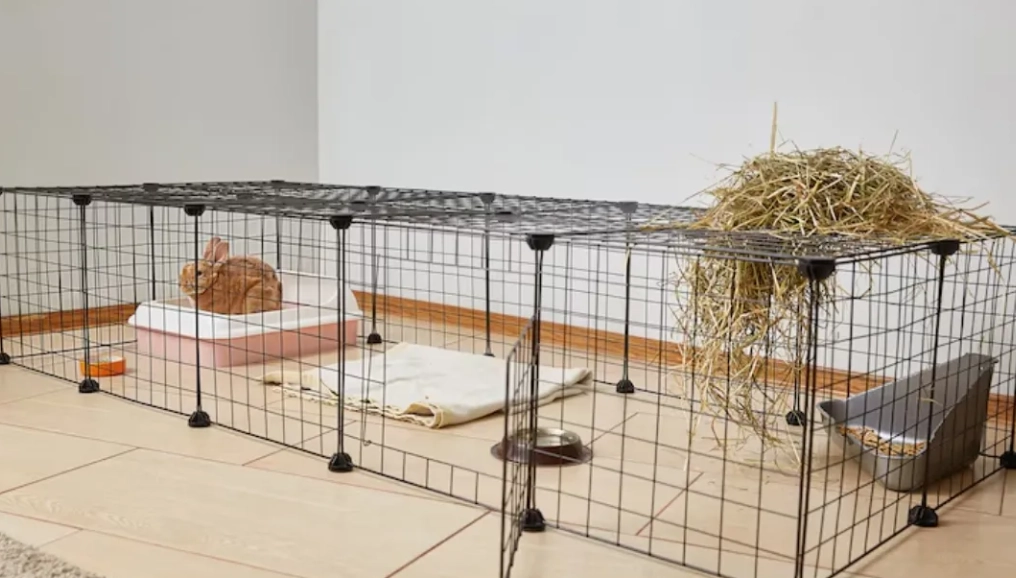 How do I transition my rabbit from a small cage to a much larger enclosure?
Choosing and setting up a rabbit cage is the first major commitment to your bunny's welfare. It's not about confinement, but about creating a secure, enriching base that supports their natural behaviors. Ditch the pet store blueprint, think like a rabbit, and build a home where they can truly thrive.
Comment