If you're holding a 4-week-old baby rabbit, you might feel a mix of excitement and panic. I've been there—years ago, I fostered a litter of orphaned kits, and figuring out their diet was a steep learning curve. At 4 weeks, these little ones are in a critical transition phase, moving from milk to solid foods. Get it wrong, and you risk digestive issues or stunted growth. This guide cuts through the noise to give you a practical, step-by-step plan based on experience and reliable sources like the House Rabbit Society.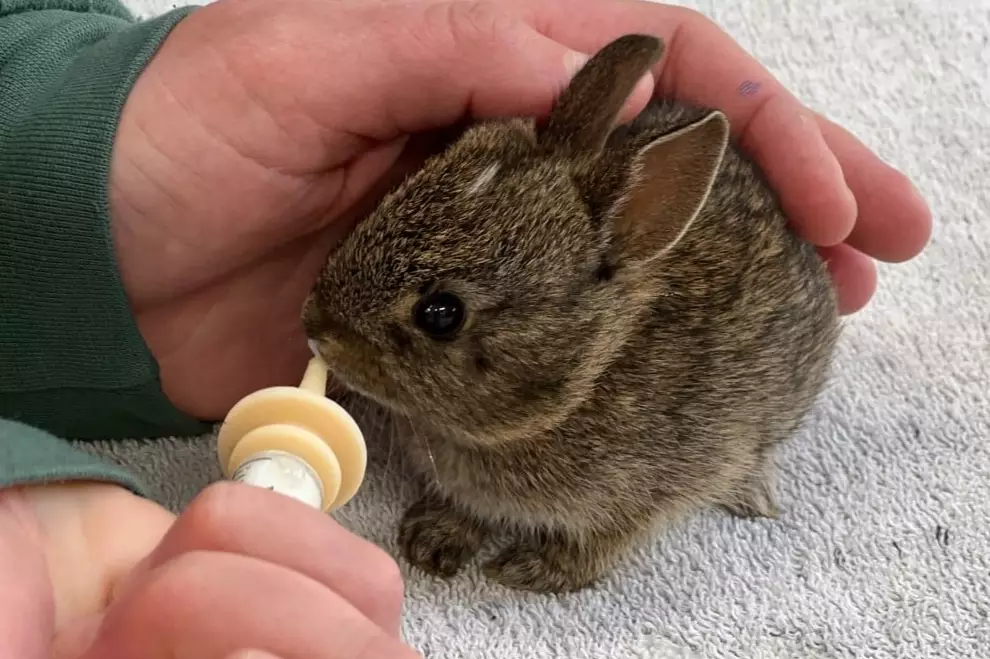
Jump to What You Need
Understanding the Nutritional Needs of 4-Week-Old Kits
At 4 weeks, baby rabbits, called kits, are weaning. Their digestive systems are still developing, so they need high-energy, easily digestible foods. Many people think they can just give adult rabbit food, but that's a fast track to trouble.
The Transition from Milk to Solids
Kits typically start nibbling solids around 3 weeks, but at 4 weeks, they're actively eating. If orphaned, you might need to supplement with milk replacer, but focus on introducing solids gently. Their primary nutrient source shifts from mother's milk to fiber-rich foods.
Key Nutrients Required
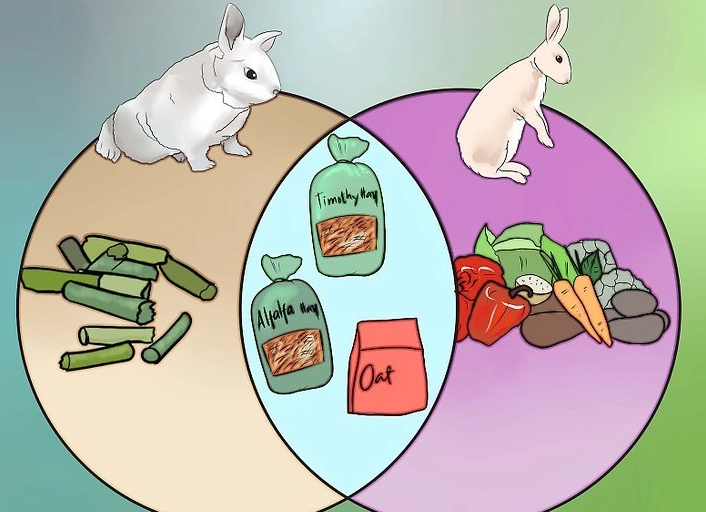
Protein is crucial for growth—aim for 16-18% in their diet. Fiber keeps their gut moving; young rabbits need about 18-20% fiber. Calcium supports bone development, but too much can cause urinary issues. That's why alfalfa hay is perfect: it's high in protein and calcium, tailored for juveniles.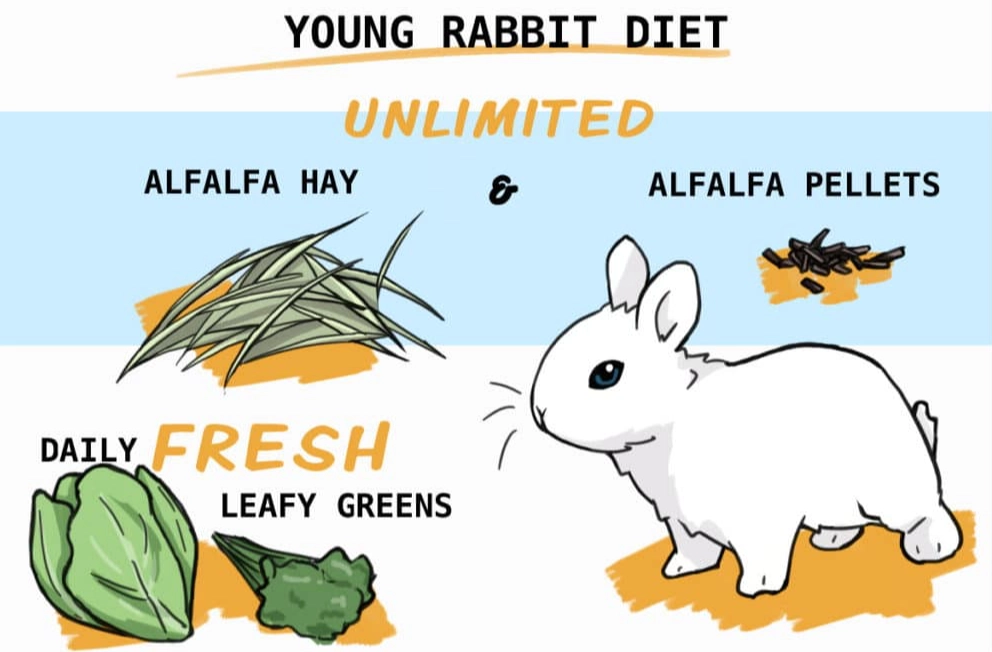
Here's a reality check: I've seen kits fed only pellets develop diarrhea because owners ignored hay. Hay isn't just bedding; it's 80% of their diet at this stage.
Safe Foods to Feed Your 4-Week-Old Baby Rabbit
Let's get specific. You need a mix of hay, pellets, and fresh greens. Skip the guesswork—here’s what works.
Alfalfa Hay: The Foundation
Alfalfa hay is non-negotiable. It's legume hay, higher in protein and calcium than grass hays like timothy. Provide unlimited access 24/7. Place it in a rack to keep it clean. I recommend brands like Oxbow for consistency, but any fresh, green alfalfa works. Avoid dusty or moldy hay; sniff it—it should smell sweet.
Introducing Pellets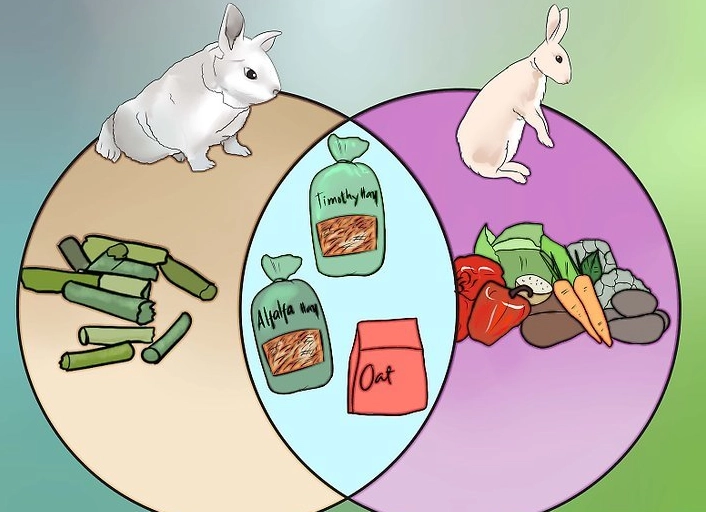
Pellets should be alfalfa-based, not timothy-based. Look for pellets with at least 16% protein and 18% fiber. Give about 1/4 cup per kit per day, split into two meals. Overfeeding pellets is a common error—they're dense and can lead to obesity if kits skip hay.
Fresh Greens and Vegetables
Start with small amounts. Introduce one green at a time to monitor reactions. Safe options include romaine lettuce, cilantro, and carrot tops. Avoid iceberg lettuce—it's mostly water and offers little nutrition. Wash greens thoroughly to remove pesticides.
| Food Type | Examples | Daily Amount | Notes |
|---|---|---|---|
| Alfalfa Hay | Fresh, green alfalfa | Unlimited | Must be available at all times |
| Pellets | Alfalfa-based pellets | 1/4 cup per kit | Split into morning and evening feeds |
| Fresh Greens | Romaine, cilantro, basil | 1-2 tablespoons | Introduce slowly, one type per week |
| Water | Fresh, clean water | Always available | Use a shallow bowl to prevent drowning |
Foods to Avoid for Young Rabbits
Some foods are toxic or hard to digest. I've made mistakes here—once gave a kit kale, which caused gas. Learn from that.
Never feed: onions, garlic, chocolate, or processed foods. Avoid high-sugar fruits like grapes until they're older. Also, steer clear of seeds and nuts; they're choking hazards and high in fat. Grass clippings from lawns treated with chemicals are a no-go.
Many pet stores sell "treat mixes" with colorful bits—these are junk food. Stick to simple, natural items.
Step-by-Step Feeding Schedule and Techniques
Consistency matters. Here's a daily routine that mimics natural feeding patterns.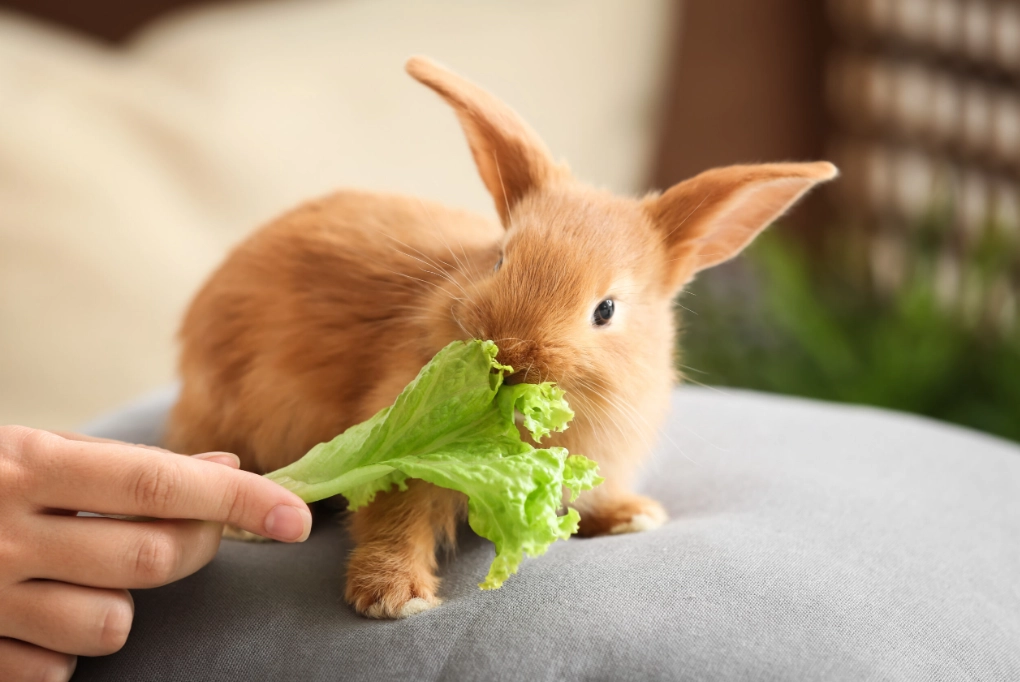
How Often to Feed
Feed pellets twice a day: morning and evening. Hay is always there. Greens can be offered once daily, preferably in the afternoon. This schedule helps regulate their digestion and prevents overeating.
Portion Sizes and Monitoring
For a 4-week-old kit, pellets: 1/4 cup total per day. Greens: a small handful, about the size of their head. Watch their poop—it should be round, firm, and plentiful. Soft or missing poop signals trouble; cut back on greens and increase hay.
Weigh them weekly. A healthy kit gains about 10-15 grams per day. If weight stalls, reassess the diet.
Common Mistakes and How to Avoid Them
New owners often mess up on hydration. Kits need water, but bowls can be messy. Use a heavy ceramic bowl to prevent tipping. I learned this after a kit spilled water everywhere and got chilled.
Another error: switching to timothy hay too early. Timothy is for adult rabbits; kits need alfalfa until 6-7 months. Early switch can stunt growth.
Overhandling during feeding stresses them. Let them eat in peace. Also, avoid sudden diet changes—introduce new foods over a week.
FAQ: Answering Your Top Questions
 What should I do if my 4-week-old kit has diarrhea?
 Feeding 4-week-old baby rabbits isn't rocket science, but it demands attention to detail. Stick to alfalfa hay, moderate pellets, and cautious greens. Watch their behavior and adjust as needed. From my experience, kits thrive on routine and simplicity. If in doubt, lean on hay—it's the safest bet. For more info, check resources like the Rabbit Welfare Association for updated care standards.
Comment