Quick Guide
- Why the Confusion? The "Common Yet Scarce" Paradox
- Where on Earth Do You Actually Find Californian Rabbits?
- Californian Rabbit 101: What You're Actually Looking For
- Price Check: What's the Real Cost of a "Not-So-Rare" Rabbit?
- What about the white variety? Are Californian rabbits rare if they're all white?
- Your Burning Questions, Answered (The FAQ We All Need)
- The Final Word: Rarity vs. Reality
You typed that question into Google, didn't you? "Are Californian rabbits rare?" Maybe you saw a picture of one—that stunning white fur with dark points on the nose, ears, feet, and tail—and fell in love. Or perhaps you're a homesteader looking for a reliable meat breed and heard good things about them. Now you're hitting a wall trying to find one. Suddenly, you're wondering if you're searching for a unicorn. I've been there. A few years back, I decided I wanted to add a Californian to my small backyard setup. I figured, it's a super common breed, right? How hard could it be? Let me tell you, I drove to three different counties before I found a breeder with kits available. It was a real eye-opener.
The short, messy answer is no, Californian rabbits are not rare in the grand scheme of rabbit breeds. They are one of the most popular and widely recognized breeds in the United States, especially for commercial meat production. The American Rabbit Breeders Association (ARBA) recognizes them, and they're a staple. But—and this is a huge but—"not rare" does not automatically mean "easy to find for the average person." That's the twist. Their availability for you as a pet seeker, a 4-H kid, or a small-scale farmer feels rare because they exist in a specific channel. You won't find them at your average pet store. You won't see them pop up daily on Craigslist. Their commonness is almost an illusion if you don't know where to look.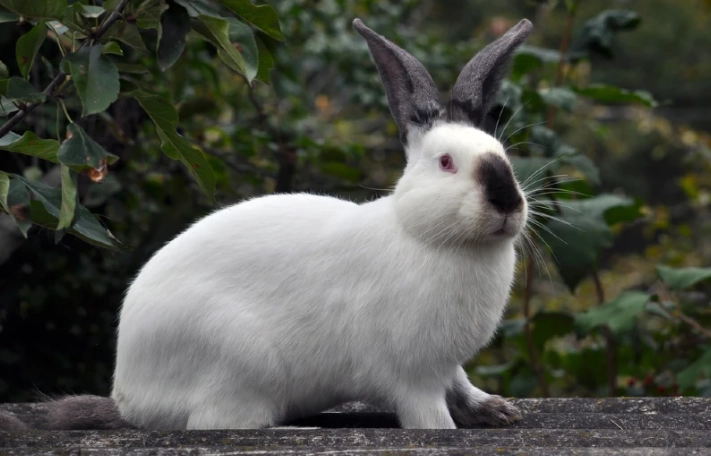
Key Takeaway: The Californian rabbit is a common breed by definition but can be uncommon to find locally. Their rarity is situational, depending entirely on your location, purpose (pet vs. stock), and network.
Think of it like a bestselling book. Millions of copies exist, but if you walk into a small, niche bookstore that only sells poetry, you won't find it. It's not rare; it's just not in that particular store. The Californian rabbit's world is similar. They are abundant in commercial meat rabbitries and serious show breeding circles, but that supply doesn't always trickle down conveniently to every suburban neighborhood. So when you ask, "Are Californian rabbits rare?" you're really asking about accessibility, not extinction. And that's a much more interesting question to unpack.
Why the Confusion? The "Common Yet Scarce" Paradox
Let's break down this weird paradox. How can something be popular but feel so hard to get your hands on? A few key reasons create this perfect storm.
First, their primary industry is meat. Large-scale commercial operations breed Californians by the hundreds. These rabbits are often sold through wholesale channels, directly to processors or to feed stores that sell live animals for food. This isn't the pet-oriented marketplace most of us browse. If you're not connected to that agricultural pipeline, you'd never know it existed. The sheer volume in this sector is what cements their status as a "non-rare" breed. The American Rabbit Breeders Association (ARBA) lists them as one of their standard breeds, which is about as official as it gets.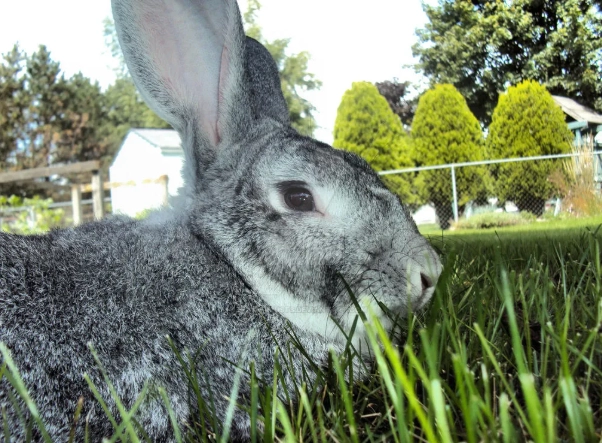
Second, the pet market is dominated by dwarf and lionhead breeds. Walk into any pet expo or scroll through "rabbits for sale" listings aimed at families. You'll be flooded with Netherland Dwarfs, Holland Lops, and Mini Rexes. Their small size and "cute" factor (a subjective thing, I think Californians are gorgeous) make them the default pet choice. Breeders focusing on the pet trade follow the demand, so they breed what sells quickly to households. The Californian, being a large breed (8-10.5 lbs), requires more space, eats more, and has a commercial look that some don't associate with cuddling. So, fewer casual breeders bother with them.
Myth Buster: "If they're so common, there should be tons for sale near me." Not true. Commonness refers to the total population and breed recognition, not decentralized, retail-level availability. It's a wholesale vs. retail difference.
Third, geography is everything. If you live in rural Kansas or Pennsylvania Amish country, you might trip over Californian breeders. Seriously, you could probably find a few within a 30-minute drive. But if you're in a dense urban center or a suburb without a strong farming community, your search radius might need to expand to 100+ miles. Your local perception of rarity is shaped entirely by your zip code. I live in a semi-rural area now, and it's easier. But when I was in a bigger city, it was a nightmare. I remember spending weeks online, only finding breeders who had waiting lists six months long or who had just sold their last litter.
Finally, good breeders are cautious. The reputable ones—the ones who care about genetics, temperament, and health—aren't pumping out litters non-stop. They might only have a few litters a year, and those kits are often spoken for before they're even born by people in the know (show circles, 4-H families repeating business). This creates a scenario where supply is limited and steady, but demand, while not massive, is consistent and informed. It can feel like a secret club.
Where on Earth Do You Actually Find Californian Rabbits?
Okay, so they're out there. But where? Knowing where to look is 90% of the battle. If you're just checking PetSmart, you'll always think Californian rabbits are rare. You need to shift your hunting grounds.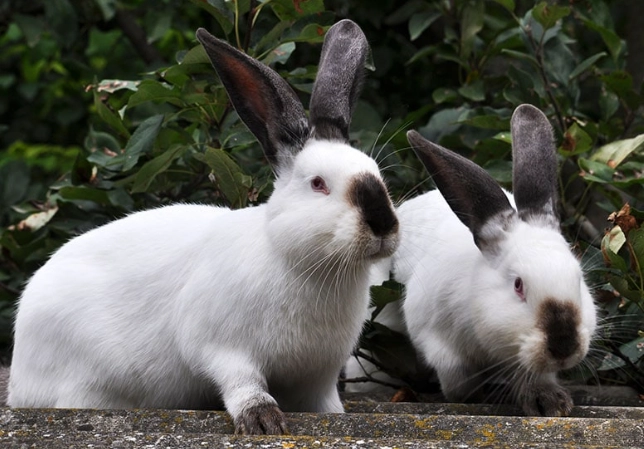
Top Sources for Finding a Californian Rabbit
| Source | Pros | Cons & What to Watch For |
|---|---|---|
| ARBA-Affiliated Breeders | Best for health, temperament, and breed standards. Often show their stock. Knowledgeable. Kits are usually well-socialized. | Can be more expensive ($50-$100+). May have waiting lists. Might prioritize show-quality homes. |
| 4-H & FFA Networks | Young breeders who care for their animals. Great for learning. Often have rabbits available after fairs. | Seasonal availability (spring/summer). Rabbits may be older juveniles. Need to connect through local clubs. |
| Livestock/Farm Auctions | Potential for lower cost. Can see many animals at once. | High risk. Unknown health history, stress, poor genetics. Not for beginners. I'd generally avoid this for a pet. |
| Online Livestock Marketplaces (e.g., Facebook Groups, Craigslist in rural areas) | Wide reach. Can find small homestead breeders. | Vetting is 100% on you. Ask for pictures of parents, living conditions. Beware of scams or rabbit mills. |
| Feed & Supply Stores (in agricultural areas) | Convenient. Sometimes source from local breeders. | Limited health guarantees. Less info on background. |
My personal best success came from ARBA's breeder directory, honestly. It felt slow at first—sending emails, making calls—but the breeder I found was fantastic. She spent an hour on the phone with me talking about diet, housing, and what to expect. That's value you don't get from a random online ad.
Another sneaky-good method? Go to a local rabbit show. Even if you don't want a show rabbit, breeders are all there. You can see their animals, talk to them face-to-face, and get on their radar for future litters. It's how the community works. You're answering "Are Californian rabbits rare?" by stepping into the world where they are common.
Pro Tip: When contacting a breeder, don't just ask "Do you have any?" Explain who you are, why you want a Californian specifically, and describe your setup. Breeders love knowing their rabbits are going to a good, informed home. It opens doors.
Californian Rabbit 101: What You're Actually Looking For
Before you get too deep into the search, let's make sure you even want one. Knowing the breed is key. Sometimes people get fixated on the look without knowing the reality. I made that mistake with another breed once—loved the photos, hated the skittish personality.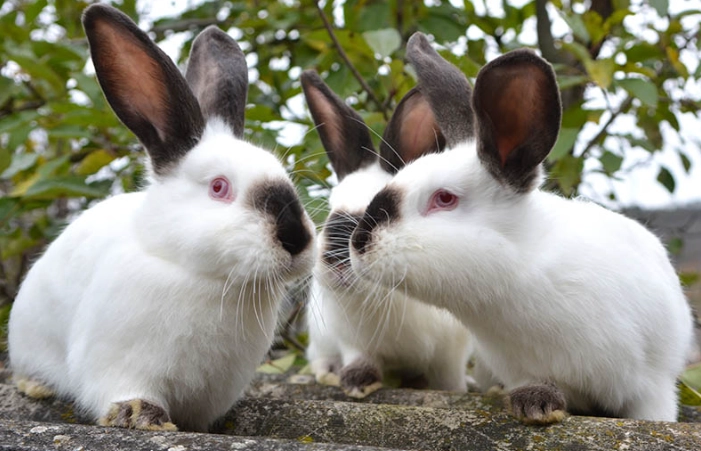
Californians are large, muscular rabbits. They were developed in the early 1920s (not in California, ironically, but named for the state's prestige in the livestock world) by crossing Himalayans and Standard Chinchillas, then breeding back. The goal was a superior meat rabbit with a good pelt. That heritage means they are calm, docile, and generally have excellent temperaments. They're often called "gentle giants" and are frequently recommended as good family rabbits because of their size and typically laid-back nature. A nervous, small dwarf can be flighty; a big Californian is often more content to lounge.
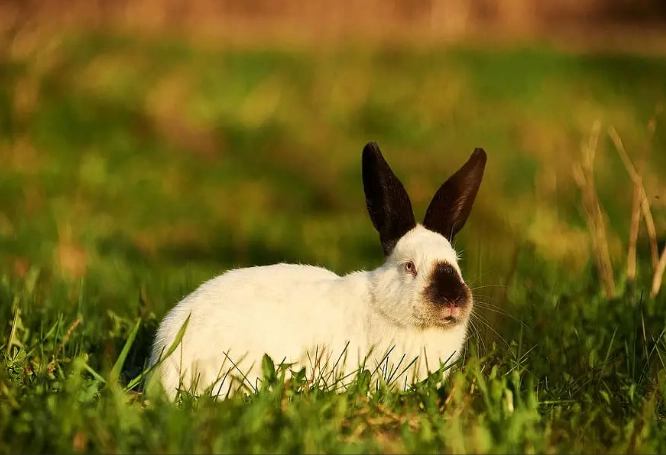
Their iconic look is pure white with "points"—the colored areas on their extremities. The points are a result of a temperature-sensitive enzyme; they're born all white, and the points darken as they grow in cooler areas of their body. The recognized point colors are dark chocolate, blue, lilac, and lynx (a grayish-tan). If you see a "Californian" with brown or gray spots on its back, that's not a purebred. That's a mix.
Care is straightforward but scaled up. They need a larger cage (at least 24" x 36", but bigger is always better), more hay, more pellets. Their diet is the same as any rabbit's—unlimited grass hay (timothy or orchard), a measured amount of quality pellets, and fresh greens. Their calm nature often means they can be great free-roam candidates for a rabbit-proofed room, which is a plus.
Are Californian rabbits rare in temperament? Not at all. They're famously chill.
Price Check: What's the Real Cost of a "Not-So-Rare" Rabbit?
Price is a big indicator of perceived rarity. If Californian rabbits were truly rare, they'd cost a fortune. They don't. But price varies wildly based on the source.
- From a Hobby Breeder/Pet Source: $40 - $80. This is your typical "pet quality" rabbit from a small breeder. Perfectly healthy, just may not meet strict show standards (e.g., point color not deep enough, a minor fault in body shape).
- From a Show/ARBA Breeder: $75 - $150+. For a rabbit with proven lineage, excellent conformation, and show potential. You're paying for genetics and the breeder's expertise.
- From a Feed Store or Auction: $20 - $40. The gamble. You might get a perfectly fine rabbit, or you might get one with underlying issues. The initial low cost can be offset by vet bills later.
See? The price reflects purpose, not extreme scarcity. If someone is trying to charge you $300 for a "rare Californian," they are trying to sell you a bill of goods. Walk away.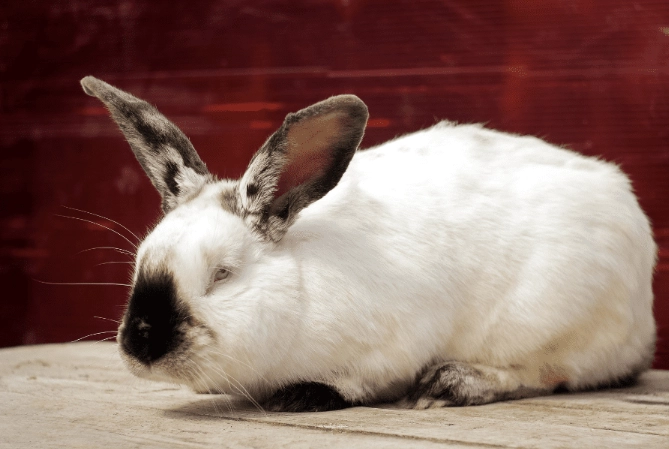
What about the white variety? Are Californian rabbits rare if they're all white?
This is a common mix-up. The standard Californian is white with points. If you see a solid white rabbit being sold as a "Californian," it is likely a New Zealand White or a mixed breed. New Zealand Whites are also extremely common commercial rabbits and look very similar but lack the points. Some unscrupulous sellers might mislabel them. A true Californian will have the points, though they can be lighter in warmer climates or on older rabbits. So, no, an all-white "Californian" isn't rare; it's probably a different, equally common breed.
Your Burning Questions, Answered (The FAQ We All Need)
Let's tackle the stuff you're actually typing into search bars.
Remember: The perceived rarity of Californian rabbits is a filter bubble. Your search engine shows you what's advertised publicly. The real activity is in private groups, breeder directories, and at physical events.
The Final Word: Rarity vs. Reality
So, let's circle back to the big question. Are Californian rabbits rare? By the strict definition—endangered, few in number, hard to find globally—no. They are a staple breed with a robust population. But by the practical definition of "easy for me to find and buy tomorrow," they can often feel rare. It's the difference between a breed's official status and its retail accessibility.
The gap between those two things is filled by knowledge and networking. Once you learn the channels—ARBA breeders, 4-H networks, livestock groups—the "rarity" melts away. You realize they're all over the place, just not in the pet store window.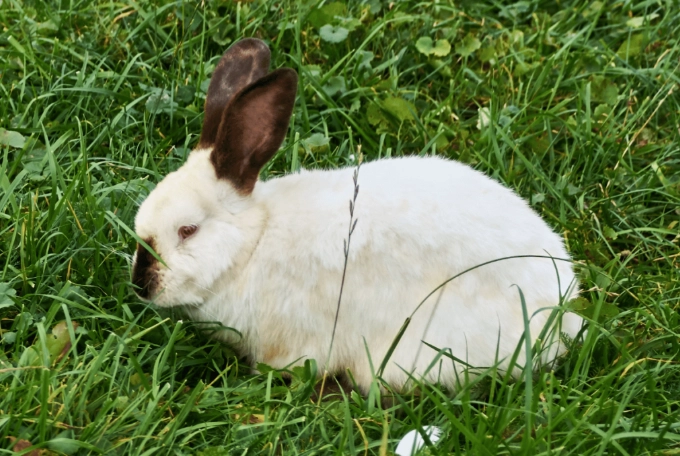
My advice? If you want one, be patient and be proactive. Join a Facebook group for rabbit breeders in your state. Email breeders from the ARBA list, even if their site says "No current litters." Express genuine interest. Go to a show. The effort you put in will not only answer your question but will almost certainly connect you with a healthy, well-bred rabbit from someone who cares. And that's worth infinitely more than grabbing the first available rabbit you see, regardless of breed.
In the end, the search itself teaches you about the rabbit community. And that knowledge is the best tool you can have, whether you're looking for a Californian, a Flemish Giant, or any other breed that makes you wonder, "Are these things even real?" They are. You just have to know where to look.
Comment