So you're thinking about getting a dwarf rabbit, or maybe you already have one hopping around your living room. One of the first questions that pops up is, "How long will my little friend be with me?" The answer isn't just a single number. I've had bunnies for over a decade, and I've seen some live shockingly long lives while others, sadly, don't reach their potential. The difference almost always comes down to care. Let's cut through the generic advice and talk about what really determines a dwarf rabbit's lifespan.
What You'll Discover in This Guide
What's the Real Lifespan of a Dwarf Rabbit?
You'll see a lot of websites throw out "5 to 8 years" like it's a universal truth. In my experience, that's the baseline for average care. With excellent, informed care, a dwarf rabbit's lifespan can easily stretch to 10, 12, or even 14 years. My oldest Netherland Dwarf made it to a sprightly 12.5.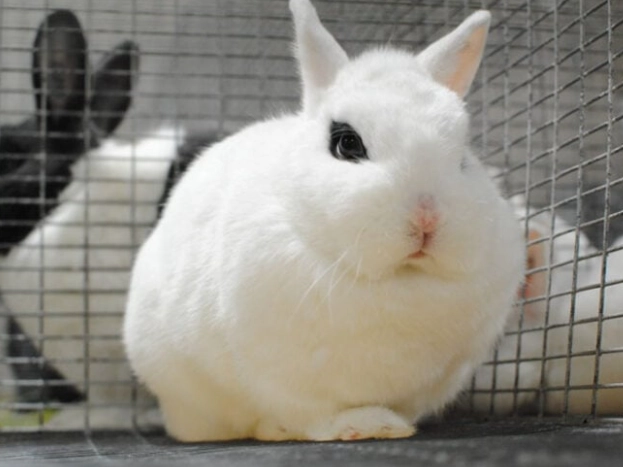
The "dwarf" gene itself doesn't shorten life. In fact, well-bred dwarf rabbits from responsible breeders who prioritize health over extreme cuteness can be incredibly robust. The problem is that many people get a tiny, cute bunny and treat it like a low-maintenance pet. That's the fastest way to cut its life short.
Here's a more realistic breakdown based on common dwarf breeds:
| Breed | Typical Lifespan (Average Care) | Potential Lifespan (Optimal Care) | Key Health Watch-Outs |
|---|---|---|---|
| Netherland Dwarf | 7-10 years | 10-14 years | Dental issues (malocclusion), respiratory sensitivity. |
| Holland Lop | 7-10 years | 10-12 years | Ear infections (folded ears), joint issues. |
| Mini Rex | 7-10 years | 9-12 years | Pododermatitis (sore hocks), urinary tract issues. |
| Dwarf Hotot | 7-10 years | 9-11 years | Eye problems (prominent eyes), dental issues. |
See that "Potential Lifespan" column? That's the goal. Hitting those upper ranges isn't about luck; it's about nailing the fundamentals we'll talk about next.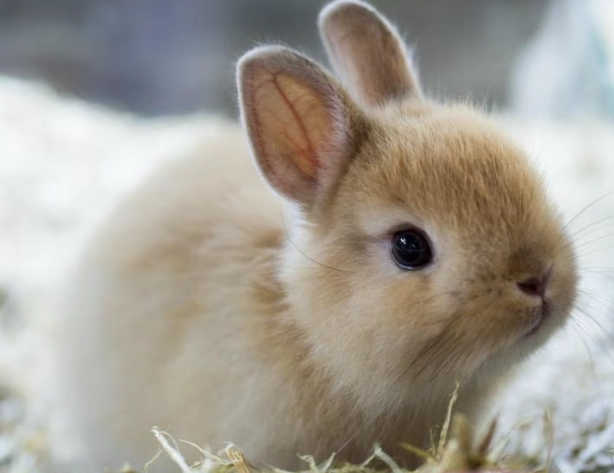
The Biggest Factors That Affect a Dwarf Rabbit's Lifespan
Forget the vague stuff. These are the concrete, make-or-break elements I've seen determine how long a bunny lives.
1. Diet: The #1 Lifespan Killer (And Savior)
This is where most new owners go wrong in a subtle but devastating way. It's not just about "feeding rabbit food." The single biggest mistake is underestimating the importance of unlimited, high-quality hay. Timothy hay or orchard grass should make up 80-90% of their diet, not the colorful pellets from the pet store.
Hay does three critical things: it files down their constantly growing teeth (preventing painful, life-threatening abscesses), keeps their gut moving (preventing GI stasis, a common killer), and provides essential fiber. Pellets are a supplement, not the main course. I limit pellets to a tablespoon per day for my adult dwarfs. Overfeeding pellets leads to obesity and a sluggish gut.
Fresh greens? Yes, but introduce them slowly. A sudden salad buffet can cause catastrophic digestive upset.
2. Veterinary Care: Finding the Right Vet is Non-Negotiable
Rabbits are "exotics" in the vet world. Your standard dog-and-cat vet likely lacks the specific knowledge. A rabbit-savvy vet is worth their weight in gold. You need them for annual check-ups (which should include a dental exam) and immediately at the first sign of trouble.
Rabbits hide illness until they are very, very sick. If your bunny stops eating or pooping for 12 hours, it's a level-10 emergency. Having a vet who understands this urgency is crucial. Organizations like the House Rabbit Society maintain vet lists, which is a great starting point.
3. Environment & Lifestyle: More Than Just a Cage
A dwarf rabbit needs space to run, jump, and explore daily. Chronic stress from a cramped, boring environment weakens their immune system. They need a large, puppy-pen style enclosure or a thoroughly rabbit-proofed room.
Bonding with another spayed/neutered rabbit is one of the best things you can do for their mental health and longevity. A lonely rabbit is a stressed rabbit. Also, those cute, floppy ears on a Holland Lop? They need regular checks for wax and infection because air doesn't circulate well inside.
4. Genetics: The Hand You're Dealt
This is the factor you have the least control over, but you can influence it at the start. A dwarf rabbit from a backyard breeder or pet store is more likely to have congenital issues like malocclusion (misaligned teeth) or a weak heart. Seeking out a reputable breeder who health-tests their breeding stock or adopting from a rescue that knows the rabbit's history gives you a better foundation.
My Personal Rule: I budget for at least one "unexpected" vet visit per year, around $200-$300. If I can't afford that potential cost, I'm not ready for the lifelong commitment a rabbit requires. It sounds harsh, but it's realistic and ensures I can always get them the care they need.
How to Maximize Your Dwarf Rabbit's Lifespan: A Practical Guide
Let's get tactical. Here's your action plan, broken down into daily, weekly, and yearly tasks.
Daily Non-Negotiables
Fresh Hay & Water: Dump and refresh both. Stale hay gets ignored; dirty water breeds bacteria.
Litter Check: Monitor the size, shape, and quantity of droppings. A decrease is your first warning sign.
Social Time: At least 2-3 hours of supervised out-of-enclosure time for exercise and interaction.
Weekly Check-Ins
Body Condition: Feel their spine and ribs. You should feel them under a light layer of flesh. If you can't, they're overweight. If they're sharp, they're underweight.
Nail Trimming: As needed. Overgrown nails affect posture and can cause injury.
Environment Deep Clean: Scrub the litter box, wash fabric bedding, vacuum the area.
Yearly & Lifelong Commitments
Annual Vet Exam: This is for the healthy rabbit. It establishes a baseline and catches problems early. Insist on a thorough dental check.
Spay/Neuter: This is critical. It eliminates the high risk of reproductive cancers (especially in females) and reduces hormonal, stress-inducing behaviors.
Mental Enrichment: Rotate toys. Cardboard castles, treat puzzles, willow balls. A bored rabbit is a destructive (and unhappy) rabbit.
The most common pitfall I see? Owners treat their dwarf rabbit like a stuffed animal that just needs food and a cage clean. They're complex, intelligent creatures with specific needs. Meeting those needs isn't just "good care"—it's what adds years to their life.
Reader Comments