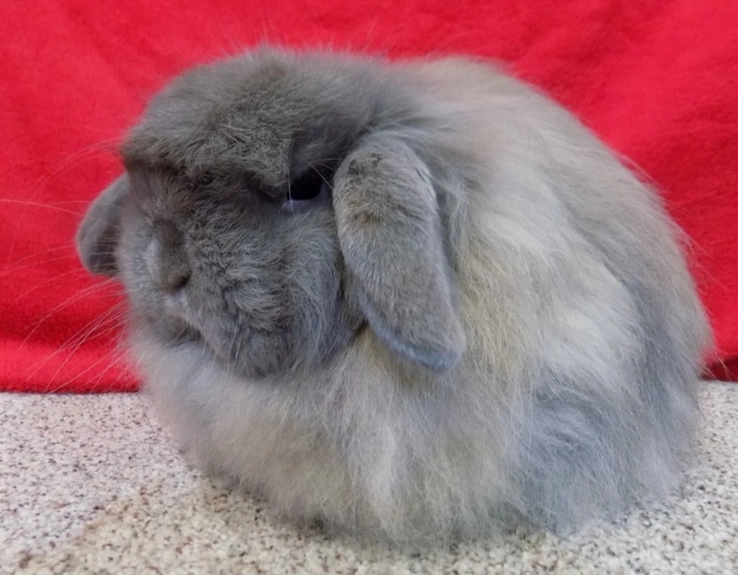
You see the photos. A tiny ball of fluff with lopped ears, looking like a living stuffed animal. The American Fuzzy Lop (AFL) is irresistible. But here's the truth most breeders and pet stores gloss over: that adorable fluff is a full-time job. I've cared for rabbits for over a decade, and the Fuzzy Lop is in a league of its own when it comes to maintenance. This isn't a pet you just feed and cuddle. It's a commitment to daily grooming, vigilant health checks, and understanding a unique digestive system. If you're ready for that, you'll get a wonderfully quirky, affectionate companion. If not, you and the rabbit will suffer. Let's cut through the cute and talk real AFL care.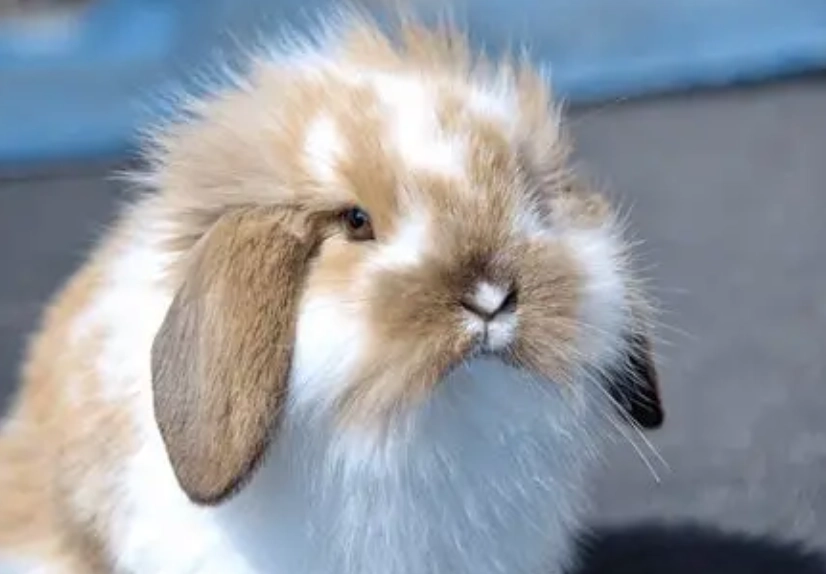
Quick Guide: What You'll Find Here
American Fuzzy Lop Diet and Nutrition: It's All About the Hay
Forget the colorful pellets in the pet store window. For an AFL, the foundation of health is unlimited timothy hay. Or orchard grass, or meadow hay. I'm talking about 80-90% of their daily intake. This isn't just food; it's the fiber that keeps their complex digestive tract moving. Those tiny teeth are always growing, and hay grinds them down perfectly.
The common mistake? Overfeeding pellets. A quarter cup of high-quality, plain green pellets per day is plenty for an adult AFL. Any more, and you're asking for obesity and a picky rabbit who ignores their hay. Vegetables are the fun part—a packed cup of dark leafy greens daily (romaine, kale, cilantro). Treats like a blueberry or apple slice should be tiny and rare.
Fresh, clean water 24/7, in both a bowl and a bottle. Bowls are better for hydration, but bottles are a good backup. Change it daily.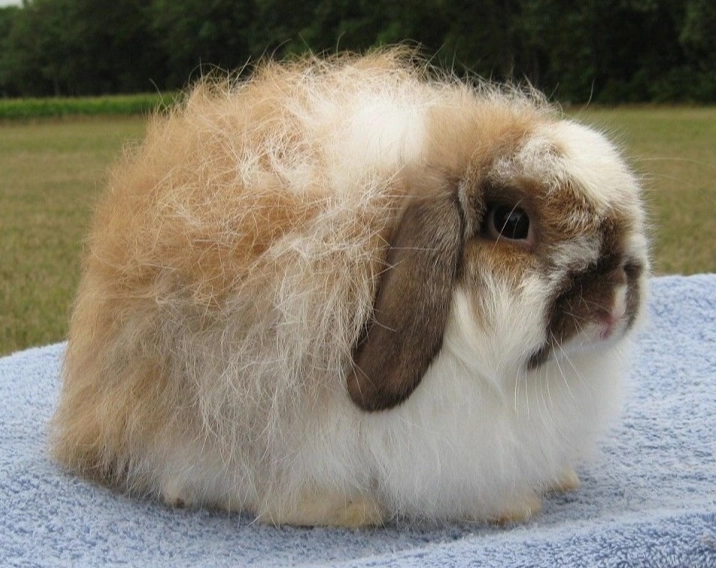
Pro Tip from a Breeder: I rotate hay types every bag. One month timothy, the next orchard grass. It keeps them interested and provides slightly different nutrients. Boredom with hay is a real problem you can avoid.
Grooming and Coat Care: Your New Daily Habit
This is the make-or-break part of AFL ownership. Their coat is a "wool" similar to an Angora's. It mats if you look at it wrong. Daily grooming isn't a suggestion; it's a requirement for their well-being.
How to Groom an American Fuzzy Lop
You need the right tools: a fine-toothed slicker brush and a stainless steel comb. The brush gets the surface fluff, the comb finds the mats close to the skin. Start at the rear and work forward, gently lifting sections of fur. Pay special attention under the chin, behind the ears, and around the bum—prime matting zones.
Five minutes every day is better than an hour once a week. During shedding seasons (spring and fall), you might need two sessions a day. The fur you remove is fur they won't swallow and turn into a dangerous hairball.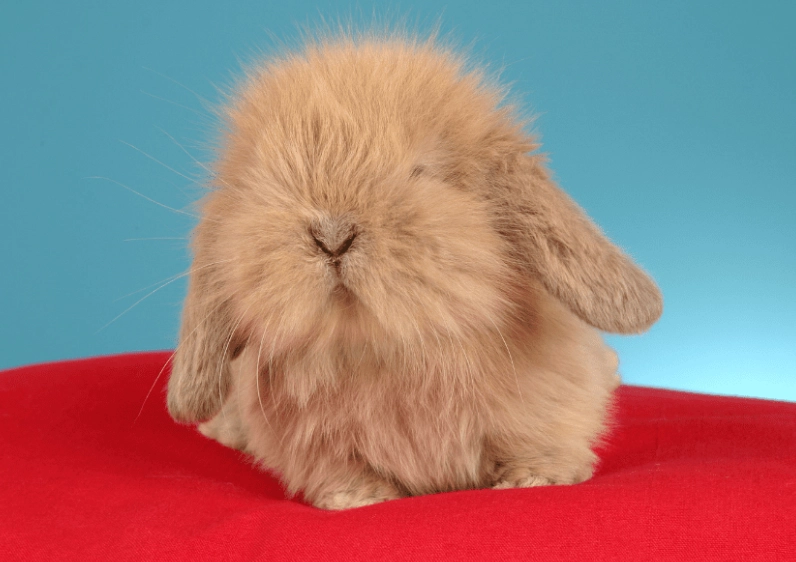
What about baths? Never. Bathing a rabbit is stressful and can lead to hypothermia. For a dirty bottom, a "butt bath" with warm water in a shallow container, just cleaning the soiled area, is the max.
| Tool | Purpose | Frequency |
|---|---|---|
| Slicker Brush | Remove loose surface wool and prevent tangles. | Daily |
| Metal Comb | Find and gently tease out mats close to the skin. | Daily, especially during shed |
| Blunt-tipped Scissors | Carefully cut out severe mats only as a last resort. | As needed (use extreme caution) |
| Cornstarch or Mat Splitter | Work into a mat to help loosen it before combing. | For stubborn mats |
Health and Common Concerns
AFLs are generally hardy, but their physiology creates specific vulnerabilities. You must be a detective, noticing small changes fast.
Wool Block (GI Stasis): The Big One
This is the number one killer of wooled rabbits. It's not a hairball like in cats; it's a slowdown or complete stop of the gut because ingested fur mixes with food and creates a blockage. Symptoms are subtle at first: eating less hay, smaller or misshapen poops, lethargy.
Prevention is everything: Daily grooming. Unlimited hay. Hydration. Some owners use a digestive aid like papaya enzyme tablets or a teaspoon of plain canned pumpkin (not pie filling) weekly during heavy sheds.
If your AFL stops eating or pooping for 12 hours, it's a veterinary emergency. Don't wait. Find a rabbit-savvy vet (exotic pet vet) before you even get the rabbit. The House Rabbit Society has a good directory.
Red Flag: A quiet AFL is a sick AFL. Rabbits are prey animals and hide illness. If they're not curious at treat time or are sitting hunched up, assume something is wrong. Don't adopt a "wait and see" approach.
Other issues include dental problems (malocclusion) due to their compact, brachycephalic face, and ear infections because of the lop ear structure trapping moisture. Weekly ear checks and monitoring their eating habits are key.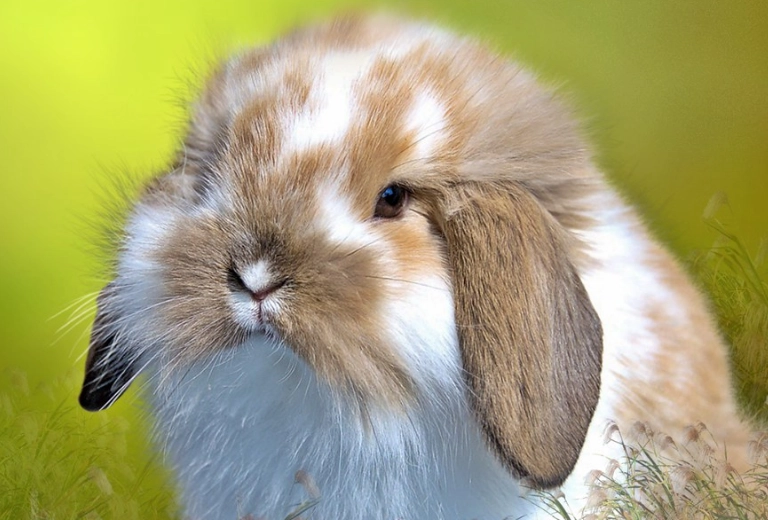
Behavior, Bonding, and Enrichment
Once you get past the grooming, you find the personality. AFLs are dwarf rabbits, often weighing 3-4 lbs, with a reputation for being playful and clownish. But they're not naturally cuddly lap rabbits. Trust is earned.
Start by spending time on the floor with them. Let them come to you. Offer treats from your hand. Pet them on the head and cheeks, not the back or feet. They love to explore, dig, and toss toys. A cardboard castle, willow balls, and untreated wood chews are huge hits.
Litter training is very possible. Use a large litter box with a paper-based litter (avoid clay or clumping) and put lots of hay in one side. They'll munch and poop there naturally.
Consider a bonded pair. Rabbits are social. Adopting two (already bonded from a rescue) can be easier than one, as they keep each other company. The American Rabbit Breeders Association (ARBA) notes the social nature of rabbits in their breed standards.
My first AFL, Mochi, took six months to fully trust me. Now, he follows me around, demands pets, and does little jumps (binkies) when he's happy. That bond is worth every minute of grooming.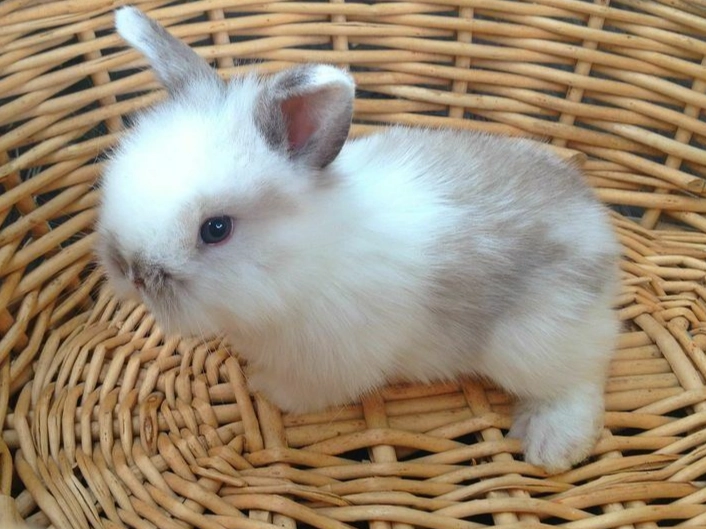
Do American Fuzzy Lops need daily grooming?
What is wool block and how do I prevent it in my Fuzzy Lop?
 Are American Fuzzy Lops good pets for families with young children?
Comment