Quick Guide
- What Exactly is the Rabbit Gestation Period?
- How Can You Tell If Your Rabbit is Pregnant?
- The Three-Phase Care Plan During Gestation
- Kindling Day: What to Do (and What Not to Do)
- Post-Birth: Caring for the Doe and Kits
- Common Questions About the Rabbit Gestation Period
- Troubleshooting: When to Call the Vet
- Final Thoughts: Respect the Process
So, you think your rabbit might be pregnant. Or maybe you're planning a litter. Either way, that little fluffball's potential motherhood sends you down a rabbit hole of questions (pun absolutely intended). How long does this actually take? What should you do? What shouldn't you do?
Let's cut through the confusion. I've been through this a few times myself—the excitement, the panic, the sheer wonder of it all. I've also made my share of mistakes, which I'll happily share so you don't have to. This isn't just a dry fact sheet. It's a roadmap from "maybe she's pregnant" to holding those tiny, squirming kits.
The core of everything is understanding the rabbit gestation period. It's the ticking clock that dictates your entire care plan.
What Exactly is the Rabbit Gestation Period?
In plain English, the gestation period for rabbits is the time between successful mating (or ovulation, which is triggered by mating) and the birth of the kits. It's the internal construction phase. Think of it like a very efficient, ultra-fast construction project where a fully formed, fur-less, blind baby rabbit is built from scratch in about a month. It's kind of mind-blowing when you think about it.
Why does this timeframe matter so much? Because rabbits are prey animals and masters of secrecy. Unlike a dog that gets a obvious belly, a rabbit's pregnancy can be surprisingly stealthy until the very end. Knowing the timeline helps you decode her behavior, provide the right nutrition at the right time, and most importantly, be prepared for the big day. You don't want to be scrambling for a nesting box when she's already pulling fur.
Here’s a quick comparison to put that 31-day rabbit pregnancy into perspective. It really shows how efficient (or rushed!) rabbit reproduction is.
| Animal | Average Gestation Period | Notes |
|---|---|---|
| Rabbit | 28-35 days | Our focus. Incredibly fast. |
| Cat | 58-67 days | About twice as long. |
| Dog | 58-68 days | Similar to cats. |
| Guinea Pig | 59-72 days | Much longer for a smaller rodent. |
| Human | ~280 days | Just for a dramatic comparison! |
See? One month. It's a sprint. This short rabbit pregnancy length is an evolutionary adaptation. In the wild, being heavy and slow for too long is a death sentence. Get 'em in, get 'em out, get 'em hidden.
How Can You Tell If Your Rabbit is Pregnant?
This is where new owners get tripped up. You can't just wait for a baby bump. Here’s what to look for, roughly following that 31-day gestation period timeline.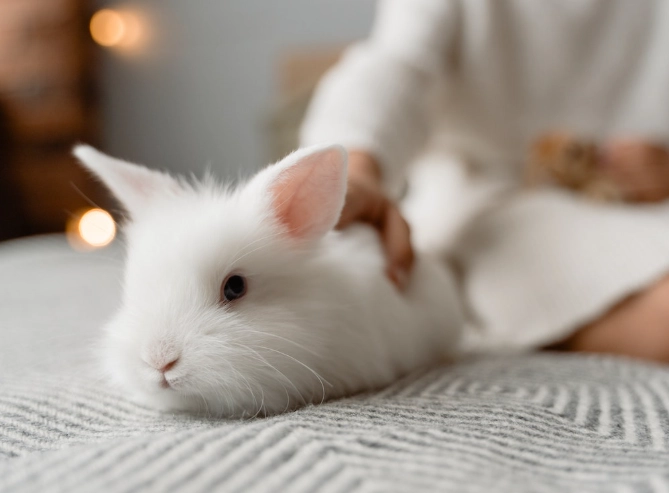
Early Signs (Days 7-14)
Not much to see here, honestly. She might seem a bit more irritable or territorial. Some does will outright reject the male if he's still around, which is a pretty big hint if they were previously friendly. The most reliable early method is palpation around day 10-14. This is a delicate technique best shown by a vet. You're feeling for small, grape-sized marbles in her abdomen. I messed this up the first time I tried—I was just feeling poop! If you're not confident, don't poke and prod. Wait for the next clues.
Mid-Term Signs (Days 14-25)
Now we're getting somewhere. Her appetite will start to skyrocket. I'm talking about a rabbit that suddenly acts like you've never fed her in her life. You'll also notice weight gain, but it's often distributed, not just a pot belly. The nipples will become more prominent and visible (this is called "reddening"). By around day 21, if you gently hold her, you might actually feel the kits moving. It's a faint, fluttering sensation. It's easy to miss, but once you feel it, it's unmistakable.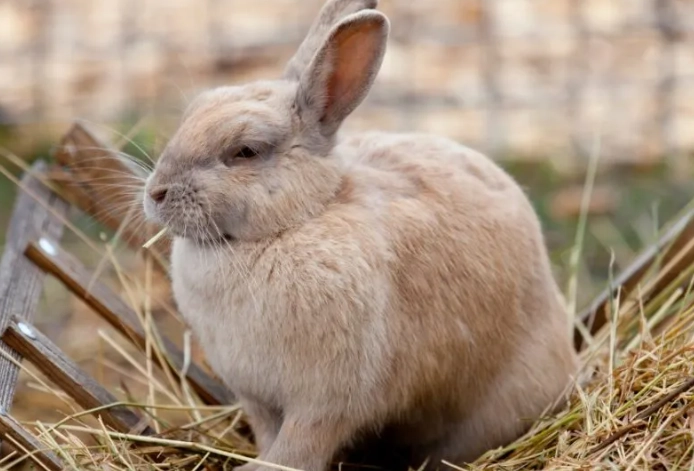
Late-Term Signs (Days 25-31)
This is the obvious phase. She'll start looking truly round, like she swallowed a tennis ball. She'll spend more time rearranging her space. And then, the biggest giveaway: nesting behavior. This usually starts 24-48 hours before birth. She'll frantically dig in corners, gather hay (and anything else she can find—say goodbye to that stray magazine), and most dramatically, she'll pull fur from her chest, belly, and dewlap to line the nest. Seeing a bald patch on your rabbit can be alarming the first time, but it's perfectly normal and essential for keeping the kits warm.
The Three-Phase Care Plan During Gestation
Okay, so you're pretty sure she's pregnant. Now what? Your care strategy should shift as she progresses through her pregnancy period. A one-size-fits-all approach doesn't work.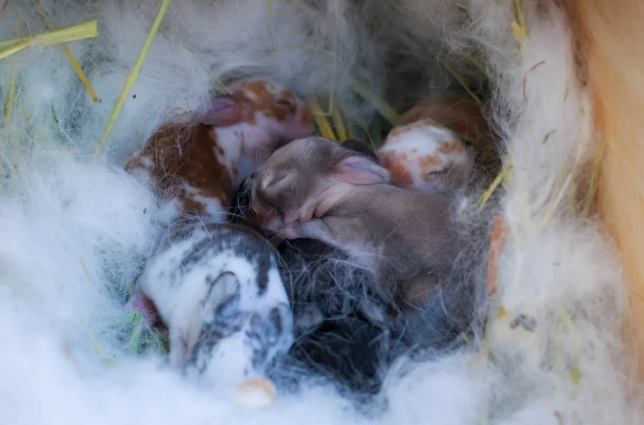
Phase 1: The Foundation (Days 1-14)
Don't make drastic changes. Stress is your enemy. Keep her on her usual, high-quality hay (Timothy or Orchard grass for adults is perfect). You can start a very gradual increase in her pellet portion if she's on a restricted diet, but the focus is on quality, not just quantity. Fresh water, always. Limit handling. This isn't the time for cuddle sessions or introducing her to new pets.
Phase 2: Building Up (Days 14-28)
Here's where you ramp things up. Her nutritional needs are peaking.
- Food: Unlimited alfalfa hay can be introduced or mixed in. It's richer in calcium and protein, which she needs now. Increase her pellets steadily—she might be eating nearly double her normal amount by the end. Offer a wider variety of dark leafy greens (kale, romaine, parsley).
- Environment: Make sure her enclosure is secure and peaceful. No loud noises, no major cage cleanings that disrupt her scent.
Phase 3: The Final Countdown (Days 28-31+)
This is preparation mode. Introduce the nesting box. This is non-negotiable. A simple wooden box or even a sturdy cardboard box (if she's not a chewer) about 1.5 times her size, with one side cut down low for entry, filled with soft hay. Place it in a quiet corner.
I like to give it to her around day 28. Sometimes they ignore it for days. Sometimes they immediately start remodeling. Just leave it there. Continue the high-nutrient diet. And watch. The rabbit gestation period is almost over.
Kindling Day: What to Do (and What Not to Do)
"Kindling" is the fancy word for a rabbit giving birth. It usually happens in the early morning hours. It's fast, quiet, and private.
What to do: Absolutely nothing. Seriously. Your job is to be a quiet, distant observer. Check on her discreetly. She will clean the kits, eat the placenta (which is normal and provides nutrients), and tuck them into the nest under all that fur she pulled.
What NOT to do: Do not hover. Do not try to "help." Do not handle the kits for at least 24-48 hours unless absolutely necessary (like if one is born outside the nest and is cold). A stressed doe can abandon or even harm her litter. I know the urge to peek is overwhelming. Resist it. Trust her instincts. She's been programmed for this for millennia.
A typical litter size is 4 to 12 kits, depending on the breed. They are born blind, deaf, and nearly hairless. They look nothing like rabbits! They'll squirm down to the bottom of the nest, buried in fur, and you might just see a pile of pink skin if you glance.
Post-Birth: Caring for the Doe and Kits
The rabbit's work is done, but yours shifts. The gestation period is over, but the critical care period has just begun.
For the Doe: Keep her on that high-nutrient diet (alfalfa hay, plenty of pellets, greens). She needs the energy to produce milk. Ensure she has constant access to fresh water—lactation makes her incredibly thirsty. Check her nipples to ensure they aren't red, swollen, or cracked (signs of mastitis, which needs a vet).
For the Kits: Your main job is monitoring. Do a quick nest check once a day after the first 48 hours. Are they plump and warm, nestled in the fur? Are their bellies round? This means they're feeding. A wrinkled, skinny kit with a blue-ish tint is not feeding. Rabbit mothers only nurse once or twice a day for just a few minutes, usually at dawn or dusk. You will rarely see it happen. Don't panic if you don't.
At about 10-14 days, their eyes will open. They'll start peeking out of the nest. By three weeks, they'll be hopping around, nibbling on mom's hay and pellets. The weaning process starts naturally here and is usually complete by 6-8 weeks.
Common Questions About the Rabbit Gestation Period

Troubleshooting: When to Call the Vet
Most rabbit pregnancies go smoothly. But you need to know the red flags. Don't hesitate to call a rabbit-savvy vet if you see:
- Blood or mucous discharge from the vulva before day 28.
- Complete loss of appetite or lethargy during pregnancy.
- Straining or crying as if in labor with no kits produced after 30-60 minutes.
- Visible kits stuck in the birth canal (this is an emergency).
- Aggressive behavior towards the kits after the first 24-48 hour adjustment period.
- Any signs of illness in the doe post-birth: not eating, diarrhea, hunched posture.
For comprehensive, breed-specific information on rabbit reproduction and care, the American Rabbit Breeders Association (ARBA) website is an authoritative resource I often refer to. They set many of the standards for responsible rabbit husbandry.
Final Thoughts: Respect the Process
Navigating your rabbit's gestation period is a mix of science, observation, and restraint. That 31-day window is a whirlwind. The key takeaways? Mark your calendar from the possible mating date, adjust her diet gradually, provide that nesting box on time, and then have the discipline to step back and let nature take its course.
It's a profound experience. One day you have a single pet rabbit, and a month later you're cautiously peeking at a nest of wiggling new lives she created. It comes with serious responsibility—for her health, and for the future of those kits. Do your homework, plan for their homes early, and enjoy the remarkable efficiency of the rabbit's reproductive cycle. It's a testament to why they've survived and thrived for so long.
Remember, the rabbit pregnancy timeline is short, but your commitment to their care is the long part. Do it right, and you'll be rewarded tenfold.
Comment