Let's be honest. The first time you see a hairless rabbit, or a Sphynx rabbit as some call the breed, it's a shock. They look like tiny, wrinkled aliens with enormous ears. But spend five minutes with one, and you're hooked. Their skin is warm and soft like suede, and their personality is often larger than life. I've cared for rabbits for over a decade, and bringing a hairless doe named Greta into my home was a steep learning curve. Everything I knew about rabbit care needed a complete overhaul. This guide is that overhaul—everything I wish I'd known, packed with the nitty-gritty details that make the difference between a struggling pet and a thriving one.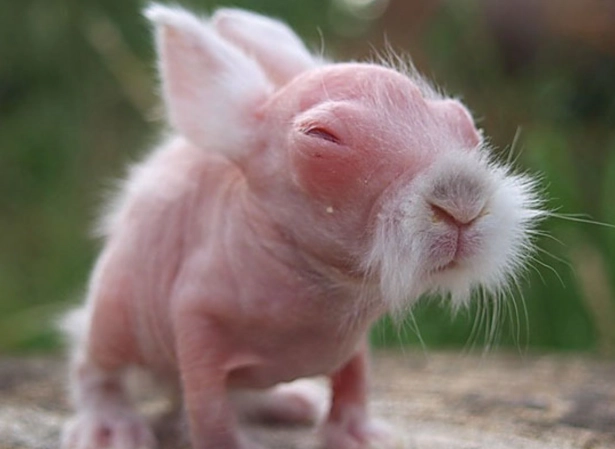
Your Quick Care Navigation
- What Exactly Is a Hairless Rabbit?
- Creating the Perfect Environment: It's All About Control
- Diet and Nutrition: The Internal Furnace
- Health and Wellness: Proactive is the Only Way
- Grooming and Skin Care: Forget Everything You Know
- Bonding and Behavior: The Velcro Pet
- Your Hairless Rabbit Questions, Answered
What Exactly Is a Hairless Rabbit?
First, a clarification. "Hairless rabbit" isn't one specific breed. It's a genetic condition. The most common type is a Rex rabbit with a specific recessive gene that prevents the normal growth of guard hairs and undercoat. Sometimes they're born with a little fuzz that falls out. They are not typically hypoallergenic, as allergies are often to dander and saliva, not just fur.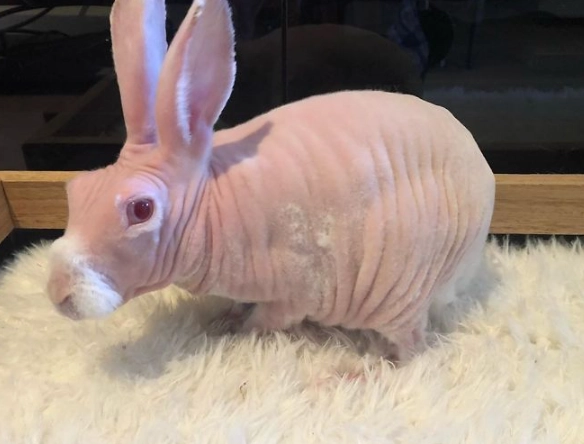
The biggest misconception? That they're just regular rabbits without the fluff. That's like saying a fish is just a mammal that swims. Their lack of fur changes everything about their physiology and care.
Creating the Perfect Environment: It's All About Control
Your home is their ecosystem. You are the climate controller.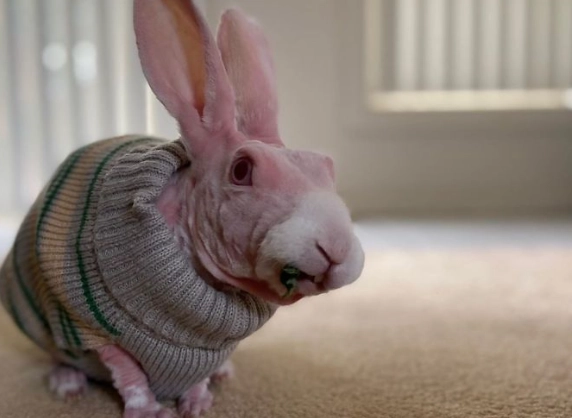
Temperature is Non-Negotiable
78°F (25.5°C) is your target ambient room temperature. I keep a digital thermometer right by Greta's enclosure. Below 70°F (21°C), they start using precious energy to shiver and stay warm. Drafts from windows or air conditioning vents are your enemy.
You'll need to create microclimates within their space:
- Snuggle Pods: A fully enclosed, plastic igloo or wooden hideout is essential. Line it thickly with soft, non-pilling fleece blankets. Avoid towels or loose fabrics they can chew and ingest.
- Heating Pads (with caution): A pet-safe, low-wattage heating pad placed under half of their enclosure gives them a choice. Always use a thermostat and cover it with a fleece pad. Never use electric blankets meant for humans.
The Enclosure Setup
Forget the standard pet store cage. They need a large, flat area—an exercise pen (x-pen) or a heavily modified cage is best. The flooring is critical.
| Flooring Type | Is it Safe for Hairless Rabbits? | Notes & Recommendations |
|---|---|---|
| Wire Bottom Cages | Absolutely Not | Will cause painful sores (pododermatitis) on their footpads within days. |
| Hard Plastic | Only if fully covered | Can be cold and slippery. Cover 100% with fleece liners or a soft mat. |
| Solid Wood | Yes, but watch for chewing | A good option, but ensure it's untreated. Still provide soft resting areas. |
| Fleece Liners | Best Option | Soft, warm, and washable. You'll need several sets for rotation. Secure edges so they don't chew them. |
According to the American Society for the Prevention of Cruelty to Animals (ASPCA), a rabbit's enclosure should allow for at least three hops in any direction. For a hairless rabbit, that's a minimum, not a goal. More space means more room for temperature-regulated zones.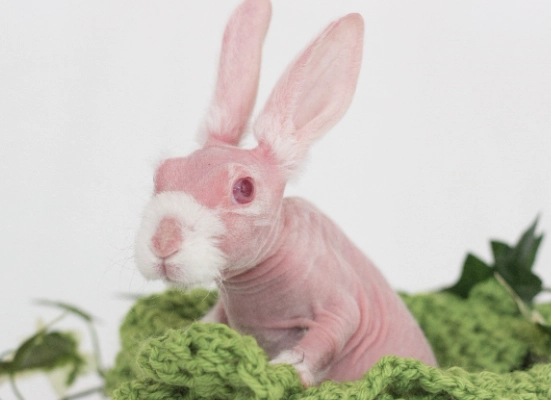
Diet and Nutrition: The Internal Furnace
Because they burn calories to stay warm, their diet is your primary tool for health management. A common mistake is over-relying on pellets for calories.
Here's the breakdown:
- Unlimited Grass Hay (80-85%): This isn't just for teeth. The constant digestion of high-fiber hay generates internal heat through fermentation. Timothy hay is standard, but mixing in some oat or orchard grass can add variety.
- Fresh Greens (10-15%): Go for nutrient-dense, dark leafy greens. Romaine, kale, cilantro, and dandelion greens (pesticide-free) are excellent. Introduce new greens slowly to avoid digestive upset.
- High-Quality Pellets (5% or less): A scant 1/8 to 1/4 cup per day of a plain, timothy-based pellet is plenty. Avoid mixes with colorful bits, seeds, or corn.
- Treats for Skin Health: This is the expert tip. Once a week, a single, small piece of a high-omega-3 food can support skin health. A sliver of flax seed, a tiny piece of walnut, or a leaf of fresh mint. Don't overdo it.
Fresh, clean water must always be available, preferably in both a heavy bowl and a bottle. Bowls are better for hydration, but bottles are cleaner for their living space.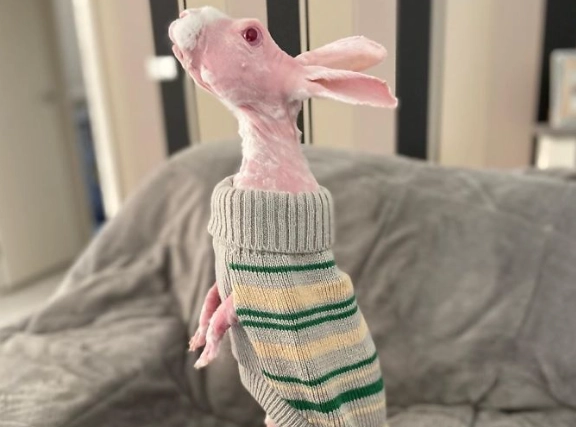
Health and Wellness: Proactive is the Only Way
You can't wait for symptoms to appear. You need to be a detective.
Common Health Issues
Skin Infections: Bacteria and yeast love warm, moist skin folds. You'll need to check between their toes, under their chin, and in their wrinkles regularly for redness, flaking, or odor.
Respiratory Issues: They are more susceptible to drafts and chill, which can lead to snuffles (pasteurellosis). A runny nose or sneezing in a hairless rabbit is an immediate vet visit.
Dental Problems: Like all rabbits, their teeth constantly grow. The hay-centric diet is non-negotiable for wear. Watch for drooling or difficulty eating.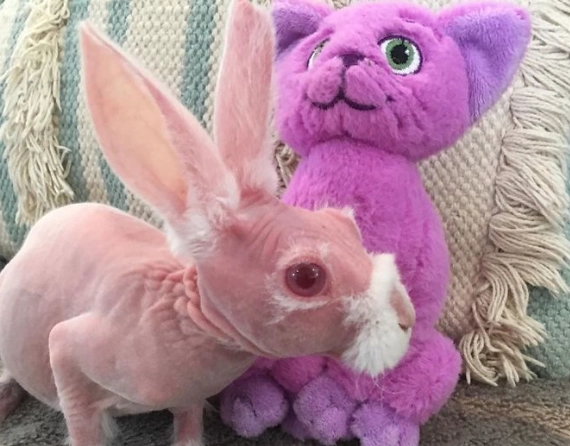
Grooming and Skin Care: Forget Everything You Know
No brushing. No frequent baths. Bathing strips their skin of essential oils, leading to dryness, flaking, and then overproduction of oil—a vicious cycle.
The routine is simple but specific:
- Weekly Wipe-Down: Use a soft, damp washcloth with warm water. Gently wipe their entire body to remove any dirt or oil buildup. Pat dry immediately with a soft towel. No lingering moisture.
- Moisturizing (Only if Needed): If their skin feels dry or flaky, use a tiny amount of pure, food-grade coconut oil. Rub a pea-sized amount between your hands to warm it, then gently massage it in. This is safe if they groom themselves. Avoid scented human lotions.
- Nail Trims: With no fur to hide them, overgrown nails are obvious and can catch. Trim every 3-4 weeks.
- Sun Protection: They sunburn easily. Any outdoor time must be in full shade and strictly supervised.
Bonding and Behavior: The Velcro Pet
Many hairless rabbits exhibit what I call "velcro" behavior. They seek constant warmth and contact. Greta follows me from room to room, not out of intense curiosity, but because I'm a mobile heat source.
This makes them incredibly affectionate but also dependent. They may not do well left alone for long periods. Bonding with a furry rabbit friend is tricky due to the risk of scratches and potential temperature mismatch, as mentioned earlier. Your lap often becomes their favorite spot.
Provide mental stimulation with puzzle feeders, cardboard castles, and safe chew toys. A bored rabbit is a destructive rabbit, and a hairless one can injure its skin more easily.
Your Hairless Rabbit Questions, Answered
Caring for a hairless rabbit is a commitment to hyper-vigilance. It's not for the casual pet owner. But for those who take it on, the reward is a deeply bonded, unique companion whose well-being is a direct reflection of your care. You're not just a owner; you're a curator of their entire world. Get the temperature right, the diet right, the vet on speed dial, and you'll have a happy, healthy, and astonishingly charming naked bunny for years to come.
Comment