Quick Navigation
You’re looking out your kitchen window, and there it is—a cute wild rabbit nibbling on your clover. You’ve got a bunch of cilantro in the fridge that’s about to go limp. A thought pops into your head: Do wild rabbits eat cilantro? Would it be okay to toss some out for them? It seems like a simple question, but the answer isn't just a yes or no. It's wrapped up in what's safe, what's natural, and honestly, what's responsible. I’ve had rabbits in my backyard for years, and I’ve made my share of mistakes trying to be friendly. Let’s unpack this together, step by step, without any fluff.
The Quick Answer: Yes, wild rabbits can and will eat cilantro (Coriandrum sativum) if they encounter it. It's not toxic to them. But—and this is a huge but—it's not a typical or major part of their natural diet. Offering it is a bit like giving a kid candy: fine as a very occasional tiny treat, but it shouldn't replace their regular, boring meals. The real question isn't just "do they eat it," but "should they eat it, and how much?"
What's on the Menu for a Wild Rabbit?
To really understand the cilantro question, you have to know what a wild rabbit is supposed to eat. I used to think they just ate any green thing. I was wrong. Their diet is super specialized and crucial for their health.
Wild rabbits, like Eastern Cottontails (the guys you probably see), are herbivores with a digestive system that's a high-performance engine for roughage. Their gut needs to be constantly moving with high-fiber food. The cornerstone of their diet is grass and hay. We're talking Timothy grass, meadow grass, and the like. This isn't just food; it's what grinds down their constantly growing teeth and keeps their gut bacteria happy. Next up are leafy weeds and forbs—think dandelion greens, plantain, chickweed, and wild lettuce. These provide variety and extra nutrients. In winter, they’ll munch on twigs, bark, and any remaining dry vegetation. Vegetables (and herbs like cilantro) from a human garden? Those are accidental items, not staples.
Their diet is seriously high in fiber and relatively low in sugar and soft, watery stuff. This is key. When you introduce something that doesn't match that profile, you can cause problems. It's not about being mean; it's about how their biology is wired. A great resource that dives deep into the physiology of rabbit digestion is the Michigan State University Extension's article on rabbit biology. It gets into the nitty-gritty of why fiber is non-negotiable.
Where Does Cilantro Fit In?
So, cilantro. It's a leafy herb. It's green. It seems harmless enough. In the grand scheme of things, it's a soft, aromatic, low-fiber leafy green compared to the tough grasses they're built for. If a rabbit stumbled upon a cilantro plant in a garden, it might take a few exploratory bites. The strong scent might even deter some. But if it's the only green thing around, sure, they'll eat it.
But here’s my personal take after watching my backyard visitors: they'll demolish my clover and dandelions long before they show consistent interest in the herbs I've accidentally dropped. Cilantro is more of a "maybe" food than a "seek it out" food in the wild. Asking do wild rabbits eat cilantro is like asking if a teenager will eat free pizza. Probably, but it's not the foundation of a healthy diet.
The Nutritional Breakdown: Is Cilantro Good for Them?
Let's look at what's actually in cilantro. This helps us move past guesswork.
| Nutrient | Amount in Cilantro (approx.) | Benefit for Rabbits | Potential Concern |
|---|---|---|---|
| Water | High (~92%) | Provides hydration. | Too much can contribute to loose stools if the rabbit isn't used to it. |
| Fiber | Moderate (2.8g per 100g) | Supports gut motility. Good, but not as high as grass/hay. | Not sufficient as a primary fiber source. |
| Vitamin C | Moderate | Antioxidant support. (Rabbits make their own Vit C, but dietary sources don't hurt). | Not a major concern. |
| Vitamin K | Very High | Important for blood clotting. | Excessive amounts could theoretically interfere with blood thinners, but this is a minor risk for wild rabbits. |
| Calcium | Moderate | Bone health. | Herbs can have higher calcium levels. Overfeeding any high-calcium food to adult rabbits is not ideal. |
| Oxalates | Present | -- | Can bind to calcium and contribute to bladder sludge or stones if fed in huge, constant quantities. |
Looking at this, cilantro isn't a villain. It has vitamins and some fiber. The main issues are the water content for an unprepared gut, and the fact that its nutrient profile is different from their evolutionary diet. The calcium and oxalate note is important—it's why variety and moderation are the golden rules. Feeding a huge pile of just cilantro every day is asking for trouble. A few sprigs once in a blue moon? That's a different story.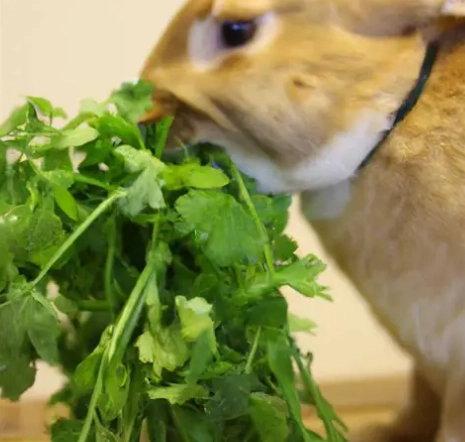
A Word of Caution: Never, ever assume a food is safe for a wild animal just because it's safe for humans or even pet rabbits (who have different tolerances). The RSPCA's guidelines on helping garden wildlife stress that the best help is often providing a natural habitat, not human food. Their systems are delicate.
A Practical Guide to Feeding Cilantro to Wild Rabbits (If You Must)
Okay, let's say you've seen the same rabbit family for months, you know they're healthy, and you want to offer a tiny, safe treat. I get it. The connection feels nice. Here’s a responsible way to think about it.
First, identification is key. Make sure it's actually a wild rabbit and not a lost pet. Wild rabbits are skittish, have a uniform agouti (brown/grey) coat, and won't approach you. If it's fluffy, calm, or has unusual colors, it's likely a dumped pet rabbit—contact a rescue.
Second, the cilantro must be fresh and clean. No wilted, slimy, or moldy bits. Wash it thoroughly to remove any pesticide residue—organic is best if you're buying it specifically for this. I rinse mine under cold water and pat it dry.
Third, and most important, portion control is everything. We're talking about a treat the size of their head, maximum, and not even every day. Once or twice a week is plenty. Their primary food source must always be the natural flora in your yard. You are not their caterer.
How to offer it? Place the clean, dry cilantro sprigs near their regular foraging area at dusk or dawn when they're most active. Don't hand-feed. Just leave it and go back inside. Observe from a distance. If they don't touch it by the next morning, remove it so it doesn't rot.
I tried this once. I put out a small handful of cilantro next to the blackberry bush they love. The next morning, it was mostly untouched. A few leaves were gone, but they'd completely cleared the nearby plantain weeds. It was a good lesson: their instincts often know best.
What NOT to Do
Let's be clear on the bad ideas, because good intentions can go wrong.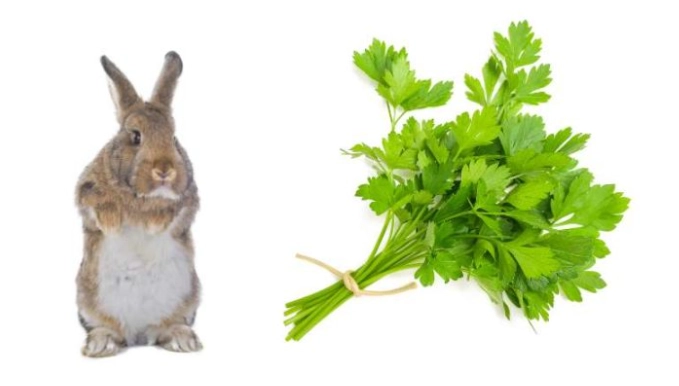
- Don't make them dependent. Your goal is not to train them to come to you for food. That makes them vulnerable to predators and less capable of surviving on their own.
- Don't feed babies. If you see baby rabbits (kits), leave them and their diet completely alone. The mother feeds them a specific milk, and their developing guts are extremely sensitive.
- Don't offer other kitchen scraps. This is crucial. No bread, crackers, cereal, pasta, or fruit. These are high in sugars and carbs and will absolutely cause severe digestive issues like GI stasis, which can be fatal. The question do wild rabbits eat cilantro is about a specific, non-sugary green. It doesn't open the door to the whole fridge.
- Don't use it as bait. Trying to lure them closer for a photo or to "befriend" them stresses the animal and disrupts its natural behavior.
Generally Safe in Tiny Amounts: Mint, basil, dill, oregano, rosemary, thyme. These are all aromatic and not a natural food, so use the same extreme moderation as with cilantro.
Unsafe/ Toxic: This list is important. Never offer: chives, garlic, leeks, onions (all alliums—highly toxic), any part of a tomato plant (the leaves, stems, and vines are toxic, though the fruit flesh is debated), any part of a potato plant, foxglove, ivy, buttercups, or rhubarb leaves. When in doubt, assume it's unsafe.
Possibly. If you consistently put out food, they will learn your yard is a reliable source. This might lead them to sample your other plants—including your prized vegetables and flowers. It's a trade-off. If you don't want rabbits gardening with you, the best deterrent is fencing, not feeding.
No, don't panic. A few bites from your herb garden won't harm a healthy rabbit. It's chronic, large-scale feeding of inappropriate foods that causes problems. If you want to protect your cilantro, use a cloche or some chicken wire.
Pet rabbits have a more varied diet that can include a wider range of leafy greens (romaine, kale, herbs) as part of a measured daily salad, alongside unlimited hay. Their systems are somewhat acclimated to it, and their owners can monitor for soft stools. A wild rabbit's gut is a pristine engine for roughage. Introducing novel foods is riskier because there's no one to notice or treat the first sign of digestive upset.
The Bigger Picture: Being a Responsible Wildlife Neighbor
Ultimately, the question of do wild rabbits eat cilantro is a small part of a much bigger conversation about how we interact with local wildlife. Our desire to connect and help is natural, but it has to be tempered with knowledge and restraint.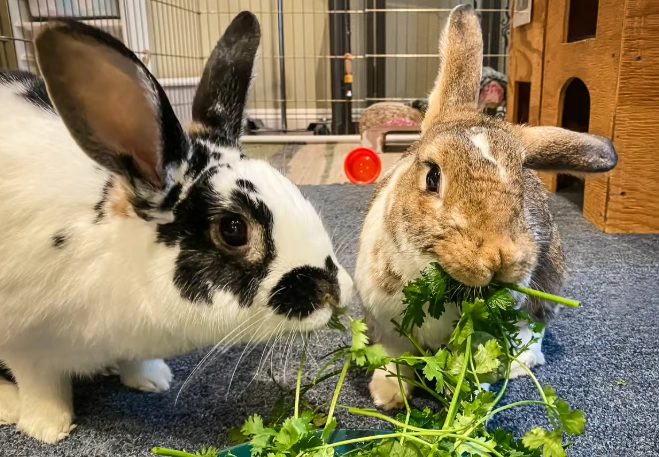
The single best thing you can do for wild rabbits is to make your yard a safe habitat. Stop using pesticides and herbicides. Let a corner go a bit wild with long grass and native weeds. They love that. Provide a shallow dish of fresh water, especially in dry spells. This kind of passive support lets them live their lives on their terms, which is always healthier.
Feeding should be a rare, thoughtful exception, not the rule. If you do decide to offer a treat like cilantro, do it with the mindset of a conservationist, not a pet owner. You're not caring for a dependent animal; you're briefly supplementing the diet of a fully wild, independent creature whose survival depends on its natural instincts.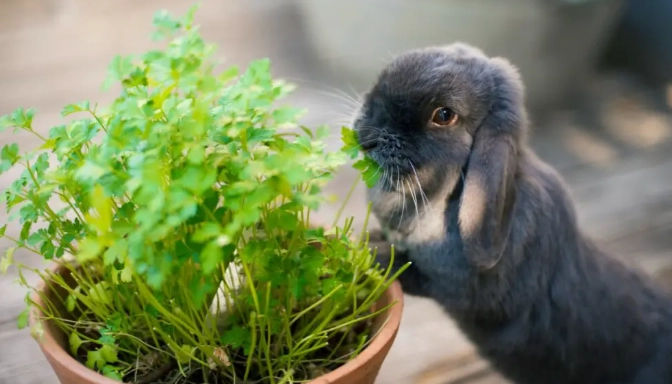
So, yes, wild rabbits can eat cilantro. But the more important lesson is that they don't really need to. And sometimes, the kindest thing is to just let them be rabbits.
Reader Comments