Quick Navigation
So you're standing in your kitchen, holding a sprig of fresh mint, and your fluffy buddy is doing that intense stare-down thing rabbits do so well. You think, can rabbits eat mint? Is it safe, or is it one of those things that'll cause a midnight vet trip? I've been there. My first rabbit, Thumper, once managed to sneak a whole leaf off the counter, and let me tell you, the panic was real until I did the research.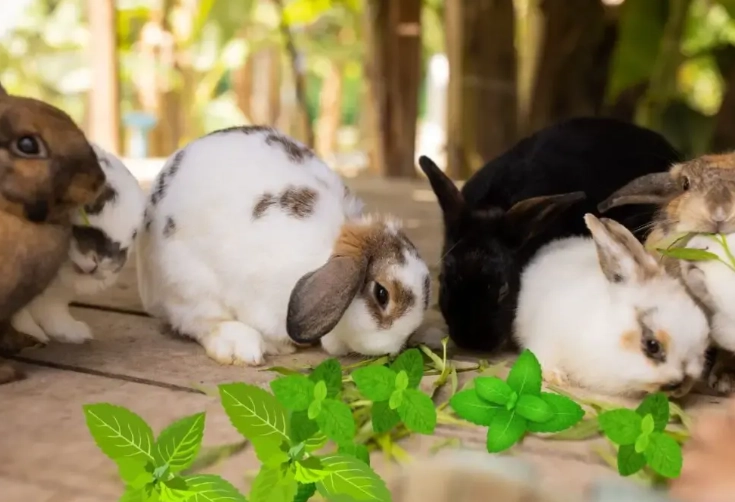
The short, direct answer is yes, rabbits can eat mint. It's not toxic. In fact, most rabbits go absolutely bonkers for the stuff. But—and this is a big but—there's a right way and a very wrong way to go about it. It's not as simple as just tossing a handful into their hutch and calling it a day. You need to know the types, the amounts, the benefits, and the not-so-obvious risks. That's what we're going to dig into.
Core Takeaway: Mint is generally safe for rabbits in strict moderation. It should be treated as an occasional treat or dietary supplement, not a staple food. The foundation of a rabbit's diet must always be unlimited hay, fresh water, and a measured amount of pellets and leafy greens.
Why Even Consider Mint for Your Rabbit?
Before we get into the nitty-gritty of can rabbits eat mint, let's talk about why you'd want to. It's not just about giving them something tasty (though that's a great reason). Mint, like many herbs, packs a little more punch than your average romaine lettuce leaf.
Rabbits in the wild are foragers. They don't just eat grass; they seek out a variety of plants, roots, and herbs. This variety isn't random—it provides different nutrients and compounds that support their health. Domestic rabbits miss out on this, so offering safe herbs like mint can mimic a more natural diet and provide enrichment. It's like giving them a little taste of their ancestral menu.
I noticed with my own bunnies that introducing small amounts of different herbs seemed to make them more active and curious. It broke the monotony of their daily greens.
The Good Stuff: Potential Benefits of Mint
So, what's actually in mint that might be good for your bun? Let's break it down without getting too science-y.
- Digestive Aid: This is the big one people talk about. Mint contains compounds like menthol that are thought to have carminative properties—fancy word for helping ease gas and mild digestive discomfort. A rabbit's gut is a delicate ecosystem, and a little mint might help keep things moving smoothly. However, and I can't stress this enough, it is not a cure for serious digestive issues like GI stasis. If your rabbit is bloated or not pooping, that's a vet emergency, not a mint emergency.
- Appetite Stimulation: The strong, pleasant aroma of mint can sometimes perk up a rabbit who's being a bit picky with their food. If you have an older bunny or one recovering from illness (under vet guidance, of course), a tiny bit of mint might encourage them to eat.
- Antioxidants: Mint contains various antioxidants which help combat oxidative stress in the body. For a small animal like a rabbit, every little bit of cellular protection helps.
- Mental Stimulation & Variety: This might be the most underrated benefit. Offering new smells and tastes is fantastic enrichment. Watching a rabbit carefully sniff, then nibble, then devour a mint leaf is pure joy. It engages their senses and provides a novel experience, which is crucial for their well-being.
Hold On – The Risks and "Buts" You Absolutely Must Know
Alright, so mint has benefits. But if you only remember one thing from this article, let it be this: moderation is non-negotiable. This is where most well-meaning owners slip up.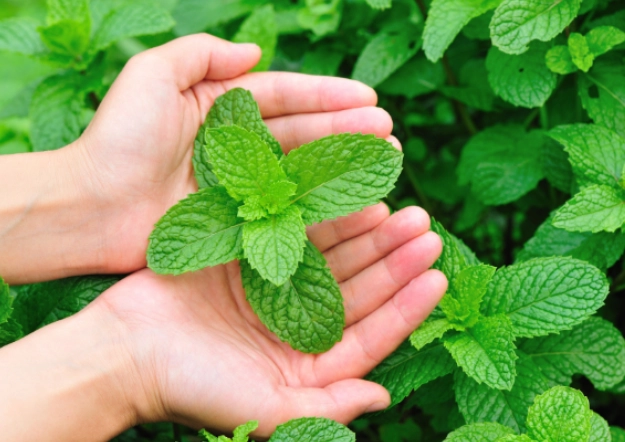
The Major Risk: Digestive Upset. A rabbit's digestive system is designed for a high-fiber, low-sugar, low-starch diet. Mint, while not sugary, contains volatile oils and compounds that, in excess, can overwhelm their gut. Too much mint can lead to soft stools, diarrhea, or even disrupt the critical balance of bacteria in their cecum. This imbalance is the gateway to serious problems.
Think of it like this: hay is the sturdy, reliable brick that builds their digestive health. Mint is the decorative paint. You wouldn't build a house out of paint, right? Same principle.
Other Specific Concerns
Pesticides and Contaminants: This is huge. Never, ever feed your rabbit mint (or any herb) from a non-organic source you didn't grow yourself, unless you wash it meticulously. The chemicals used in commercial agriculture can be deadly to small animals. I'm paranoid about this—I either grow my own or buy organic and wash it like it's going into surgery.
Allergies or Sensitivities: Just like people, individual rabbits can react differently. One might love it, another might get an upset stomach from just a tiny piece. This is why the introduction phase is so critical.
Underlying Health Conditions: If your rabbit has a history of digestive issues, kidney problems, or is very young/old, you should consult your vet before introducing any new food, mint included. It's just not worth the risk.
So, can rabbits eat mint safely? Yes, but only if you respect these boundaries.
The Practical Guide: How to Feed Mint to Your Rabbit
Let's get practical. You've decided to give it a try. Here's exactly how to do it, step-by-step.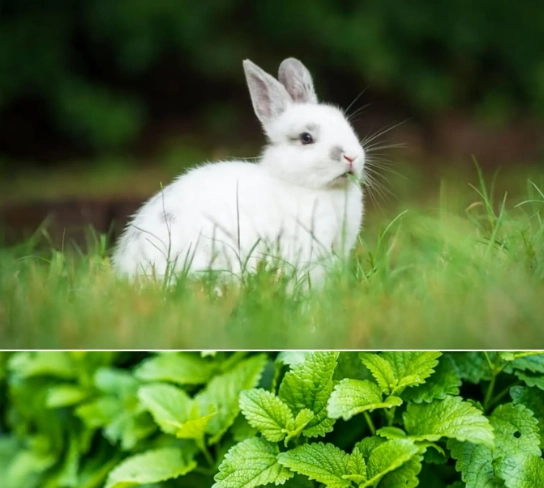
Step 1: Choosing the Right Mint
Not all mint is created equal. The most common types are safe, but some are stronger than others.
| Type of Mint | Safety for Rabbits | Notes & Potency |
|---|---|---|
| Spearmint | Safe (Best Choice) | Milder flavor, lower in potent oils. This is the ideal mint to start with. |
| Peppermint | Safe (Use Extra Caution) | Much stronger due to higher menthol content. Use half the amount you would of spearmint. |
| Apple Mint, Pineapple Mint | Likely Safe | Cultivars of spearmint. Introduce as you would spearmint. |
| Pennyroyal | UNSAFE / TOXIC | This is a different plant entirely. Often used in oils, not for consumption. Avoid completely. |
Stick with fresh, leafy mint. Dried mint is far too concentrated and loses nutritional value—best avoided. And absolutely no mint-flavored candies, teas (unless it's pure, unflavored mint tea used sparingly and cooled), or human foods.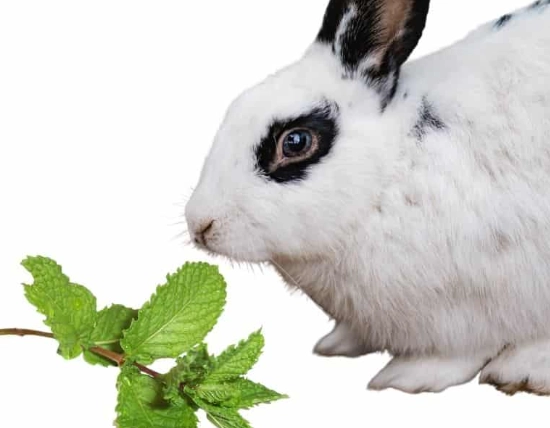
Step 2: The Introduction Protocol (The Most Important Step)
This isn't a race. Go painfully slow.
- Day 1: Offer one small leaf, or even half a leaf, no bigger than your thumbnail. Wash it thoroughly.
- Observe for 24 hours: Watch their poop like a hawk. It should remain firm, round, and plentiful. Also watch for any changes in behavior, appetite for their regular food, or signs of discomfort.
- If all is well: You can offer another small leaf after a couple of days. Gradually, you can work up to a maximum of 1-2 medium-sized leaves, 2-3 times per week.
Pro Tip: Feed mint separately from their main vegetable meal. This way, if there is a reaction, you know exactly what caused it. I usually give mint as a mid-afternoon "surprise" treat.
If at any point you see soft cecotropes (the sticky, smelly poops they normally eat) or true diarrhea, stop immediately and revert to a bland diet of hay and water. If it persists, call the vet.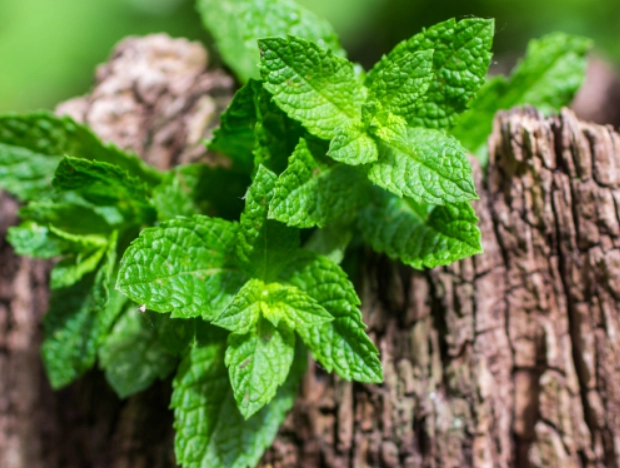
Step 3: Portion Control – How Much is Too Much?
This is the golden question. There's no universal teaspoon measurement because rabbits vary in size. A good rule of thumb is that all treats (including fruits and herbs like mint) should not exceed 2% of your rabbit's daily food intake. For an average 6 lb (2.7 kg) rabbit, that's a tiny amount.
Visualize it: a few leaves per week, not per day. I treat mint like a garnish, not a side dish. Overfeeding is the fastest way to turn a safe treat into a problem.
Answering Your Burning Questions
Beyond Mint: Building a Balanced Diet
Let's zoom out. Asking can rabbits eat mint is a good start, but it's just one piece of the dietary puzzle. To write a truly helpful guide, you need to see the whole picture.
A rabbit's diet should look like this pyramid (metaphorically, of course):
- Base (80-90% of diet): Unlimited access to high-quality grass hay (Timothy, Orchard, Meadow). This is non-negotiable. It wears down their teeth and keeps their gut moving. The UK's RSPCA provides excellent, clear guidance on this fundamental need.
- Next Layer (5-10%): Fresh, dark leafy greens. About 1 packed cup per 2 lbs of body weight daily. Think romaine, kale (sparingly), spring greens, bok choy.
- Small Layer (5% or less): High-quality, plain timothy-based pellets. Measured amounts only.
- The Tiny Tip of the Pyramid (<2%): Treats. This is where fruits (like a blueberry or apple slice) and herbs like mint live.
Mint fits into that tiny tip. When you look at it that way, it puts the "moderation" advice into stark perspective.
Final Thoughts: A Balanced View
Look, mint can be a wonderful, enriching little treat. The sight of a bunny happily munching on a fragrant leaf is delightful. For most healthy adult rabbits, the answer to can rabbits eat mint is a cautious yes.
But I've also seen the anxiety when a new food doesn't agree with a pet. So my personal stance has become very conservative. I use mint sparingly, as a special reward or to hide a critical medication in (with vet approval). It's not a daily staple, and I never assume it's automatically fine.
The bottom line is this: your rabbit's health hinges on the boring stuff—the endless hay, the fresh water, the clean environment. Mint is the fun sprinkle on top of that solid foundation. Never let the sprinkle undermine the foundation.
Start small, watch closely, and when in doubt, leave it out. There are plenty of other safe greens to offer. The well-being of that furry friend staring you down is always worth the extra bit of caution.
Reader Comments