Quick Guide
- The Straight Answer: Are Cilantro Seeds Safe for Bunnies?
- Breaking Down the Plant: Leaf vs. Seed
- The Right Way to Feed Cilantro to Your Rabbit
- Potential Risks and What to Watch For
- Your Burning Questions, Answered
- Building a Better, Safer Herb Garden for Your Rabbit
- The Final Verdict: Seeds vs. Leaves
You're standing in your kitchen, holding a bunch of fresh cilantro. You've just finished chopping the leafy parts for your own dinner, and there they are—the little, round, beige seeds clinging to the stem. Your rabbit, Thumper, is doing his usual perimeter check, nose twitching at the familiar herb scent. And the question pops into your head: can rabbits eat cilantro seeds? It's a small detail, but when you're a rabbit owner, these small details feel huge. You want the best for your fluffy friend, and you know their digestive system is a delicate thing. Let's be honest, the internet is full of conflicting advice. One site says one thing, a forum says another. It's enough to make your head spin.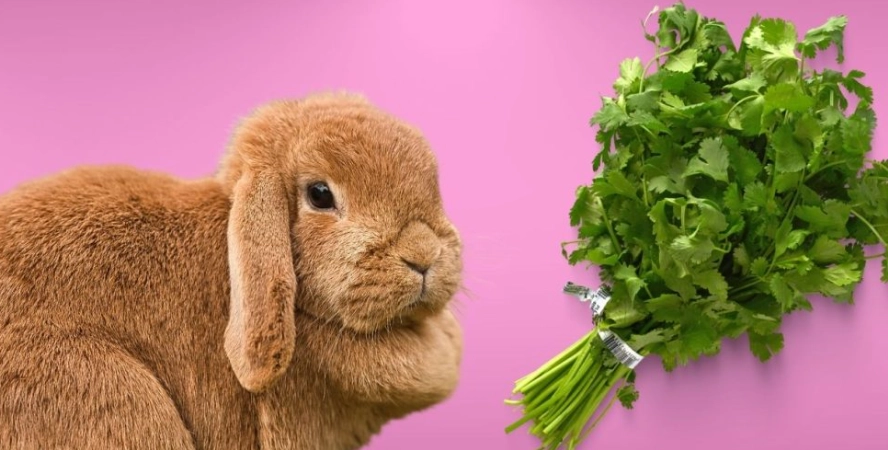
This isn't just about yes or no. It's about understanding the why behind it. What's in those tiny seeds? How do they differ from the fragrant leaves we commonly feed? And most importantly, what does this mean for your rabbit's health and happiness? We're going to dig deep, past the simple lists of "safe" and "unsafe" foods, and look at the science, the nutrition, and the practical reality of feeding herbs to our bunnies. By the end of this, you'll not only know the answer to can rabbits eat cilantro seeds, but you'll feel confident about all parts of this popular herb.
The Straight Answer: Are Cilantro Seeds Safe for Bunnies?
Alright, let's not keep you in suspense. The direct, consensus-driven answer from experienced rabbit owners and veterinarians is: Yes, rabbits can technically eat cilantro seeds, but with major, major caveats, and they really shouldn't be a sought-out part of their diet.
See, that's the thing. "Safe" doesn't always mean "recommended" or "ideal." It's like saying it's safe for you to eat a whole bag of candy. Technically, you won't drop dead, but it's a terrible idea for your health. The seeds of the cilantro plant (which are also, fun fact, the coriander seeds you find in your spice rack) are not toxic or poisonous to rabbits in the way that, say, avocado or chocolate is. If your rabbit snags one or two that were clinging to a stem you fed them, it's very unlikely to cause an emergency.
But here's the core of the issue, and why you'll find many experts advising against deliberately feeding them: a rabbit's digestive system is evolutionarily designed for one main thing—processing vast amounts of low-calorie, high-fiber forage. Think grasses and hay. Their entire gut motility depends on this fiber. Seeds, by their very nature, are compact packets of energy (fats, proteins) designed to fuel a new plant's growth. They are the opposite of what a rabbit's gut is built for.
So, when you ask can rabbits eat cilantro seeds, the responsible answer leans towards "it's best to avoid them." Focus on the part of the plant that aligns perfectly with rabbit biology: the leaves.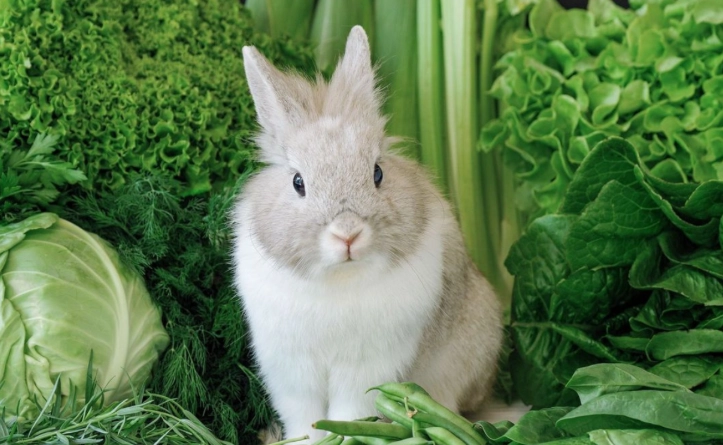
Breaking Down the Plant: Leaf vs. Seed
To really understand this, we need to play plant biologist for a minute. Cilantro (Coriandrum sativum) gives us two different culinary products from different parts of its life cycle. The leaves we call cilantro. The dried seeds we call coriander. They taste completely different because their chemical makeup is different. This difference is everything when it comes to your rabbit.
Let's put them side-by-side. This isn't about good vs. bad, but about what's appropriate for an obligate herbivore.
| Nutrient/Component | Cilantro Leaves (Fresh) | Cilantro/Coriander Seeds (Dried) | Why It Matters for Rabbits |
|---|---|---|---|
| Primary Role | Photosynthesis, growth. | Plant reproduction, energy storage. | Seeds are energy-dense "survival packs," not daily food. |
| Fiber Content | High in dietary fiber, especially crude fiber. | Contains fiber, but much more dense. | Rabbits need high, bulky fiber for gut movement. Leaves win. |
| Fat Content | Very low (less than 0.5%). | Significantly higher (around 18% fat). | High fat is hard for rabbits to process and can cause obesity/cecal issues. |
| Essential Oils | Contain mild, volatile oils (like decanal, linalool). | Oil concentration is much higher and more potent. | Potent oils can be irritating to a sensitive digestive tract in quantity. |
| Calcium | Moderate level. | Concentrated level. | Excess calcium can lead to urinary sludge or stones in rabbits. |
| Texture & Form | Leafy, moist, easy to chew and digest. | Hard, dry, compact. | Seeds offer no dental wear benefit (unlike hay) and are a choking hazard if not chewed. |
Looking at this, the picture becomes clear. The leaf is the obvious, superior choice. It's like comparing a light salad to a handful of nuts and dried fruit. Both are "food," but one is a staple and the other is a dense supplement. For rabbits, that "salad" (the leaf, and really, mostly hay) is the absolute staple. The National Research Council's guidelines on rabbit nutrition emphasize a diet based on fiber-first forages. The House Rabbit Society, a fantastic and authoritative resource, lists cilantro as a safe leafy green, but doesn't mention the seeds for a reason—they're not part of the recommended dietary profile.
The seeds pack all the plant's resources into a tiny space. That high fat and oil content is what makes coriander seed a lovely spice for humans, but a potential gut-buster for bunnies. A rabbit's liver isn't designed to handle a high-fat load. It can lead to hepatic lipidosis, a serious condition.
The Right Way to Feed Cilantro to Your Rabbit
Since we've established that the seeds are a no-go zone, let's focus on doing the leafy part right. Because cilantro leaves are a wonderful, aromatic, and nutritious treat for most rabbits. Here’s how to make it a success.
Preparation is Key: Washing and Serving
First things first, always wash store-bought cilantro thoroughly. You don't know what pesticides or contaminants might be on there. A good rinse under cool water does the trick. I like to soak mine in a bowl of water with a splash of white vinegar for a few minutes, then give it a final rinse. Dry it in a salad spinner or pat it with a paper towel. Excess water can sometimes cause soft stools, though it's usually not a big deal.
Now, about those stems. The tender, green stems attached to the leaves are perfectly fine and actually contain good fiber. It's the thick, main bottom stem and, of course, any seed heads you should remove. So when you're preparing a sprig, just give it a glance. If you see little round seeds forming at the top, pinch that flower head off. If a couple of seeds are stuck in the crevices, don't panic. Just try to remove them. The goal is to avoid deliberately feeding seeds.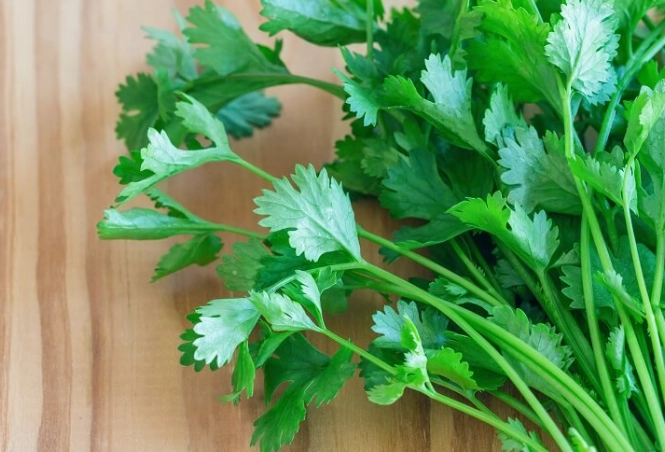
How Much and How Often? The Golden Rules
This is where many owners slip up. Enthusiasm is great, but moderation is critical. Cilantro is a treat, not a staple.
- The Foundation (80-90% of diet): Unlimited, high-quality grass hay (Timothy, Orchard, Meadow). This is non-negotiable.
- The Main Greens (10-15% of diet): A packed cup of mixed leafy greens per 2 lbs of body weight daily. Cilantro is part of this mix.
- The Treat Rule: No single treat—whether it's cilantro, carrot top, or a blueberry—should make up more than about 10% of that daily greens allowance. Variety is protective and nutritionally complete.
So for an average 4-pound rabbit getting two packed cups of greens daily, a few sprigs of cilantro (maybe 5-6 stems with leaves) a couple of times a week is a great amount. Don't feed cilantro every single day. Rotate it with romaine, red leaf lettuce, kale, parsley, mint, and basil. This rotation prevents the buildup of any one particular compound and keeps your rabbit interested.
I made the mistake early on of giving Mochi too much parsley two days in a row. Let's just say his urine turned a little too dark for comfort (high calcium). Lesson learned. Now I use a weekly chart on my fridge to rotate greens. It sounds obsessive, but it works.
Potential Risks and What to Watch For
Even with the leaves, you need to be observant. Every rabbit is an individual. Here are the red flags.
Digestive Upset: The Primary Concern
The most common issue from overfeeding any new green, including cilantro, is digestive upset. Signs include:
- Small, misshapen, or soft cecotropes (the soft, nutrient-rich poops they normally eat). You might see these uneaten and stuck to their fur.
- A decrease in normal, hard, round fecal pellets.
- Lethargy, hunched posture, or loss of appetite. This is an emergency—get to a vet.
If you introduce cilantro slowly—one leaf the first day, two the next—you can monitor their reaction. If their poop factory stays in perfect working order, you're good to gradually increase to a normal serving size.
Allergies and Sensitivities
It's rare, but possible. Some rabbits might be sensitive to the essential oils in cilantro. Signs of an adverse reaction could be mild skin irritation around the mouth, or more digestive grumbling than usual. If you notice anything off, stop the cilantro and see if symptoms resolve. Stick to blander greens like romaine.
The Calcium Question
Cilantro has a moderate calcium level. For most healthy, adult rabbits with unlimited access to water, this isn't a problem. The body excretes what it doesn't need. However, for rabbits prone to urinary issues (like some older or less active bunnies), or those on a diet already high in calcium (lots of kale, spinach, alfalfa hay), it's something to be mindful of. That's another reason for variety—it balances things out.
Your Burning Questions, Answered
Building a Better, Safer Herb Garden for Your Rabbit
Instead of worrying about seeds, let's focus on the wonderful variety of safe herbs you can and should offer. These provide enrichment, different flavors, and various micronutrients. Here’s a quick list of rabbit-safe herb favorites:
- Basil: A huge hit in my house. Sweet and fragrant.
- Mint: (Peppermint, Spearmint). Refreshing, but give sparingly as it's potent.
- Dill: The feathery leaves are great.
- Parsley: (Flat-leaf or Curly). A classic, but moderate due to higher calcium/oxalates.
- Oregano & Marjoram: Wonderful aromatic herbs.
- Rosemary: The woody stems are fine, but offer just the leaves. Very strong flavor, so a tiny amount.
- Sage: Again, potent, so just a leaf or two as a rare treat.
The rule with all herbs is the same: fresh, washed, introduced slowly, and fed in rotation as part of the daily greens allowance. Avoid anything from the onion/garlic family (chives, leeks) and generally avoid the flowers and seeds unless you have confirmed they are safe (like dandelion flowers).
The Final Verdict: Seeds vs. Leaves
Let's wrap this up with a clear, actionable summary.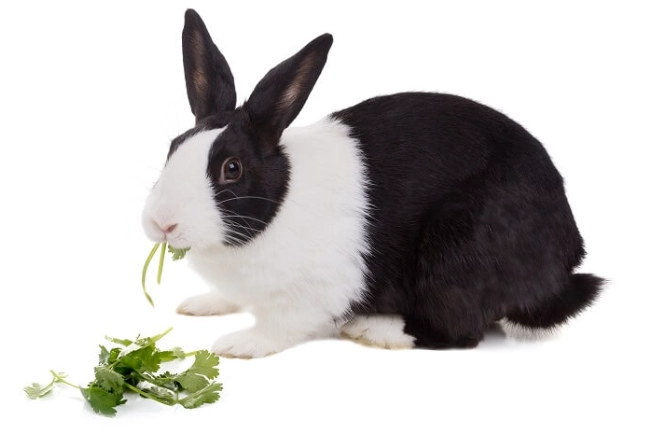
When you find yourself asking, can rabbits eat cilantro seeds, reframe the question in your mind. Ask instead: "What part of the cilantro plant is best for my rabbit's unique biology?"
The answer is unequivocally the fresh, green leaves and tender stems.
Think of it this way: the leaf is the rabbit's world—high in fiber, high in moisture, low in concentrated energy. The seed is a foreign object—dense, fatty, and designed for a completely different purpose. Your rabbit's health is built on the steady, consistent flow of fiber. Seeds are a potential clog in that beautiful, life-sustaining system.
So, enjoy sharing the leafy parts of cilantro with your bunny. Wash it, check for stray seeds, and offer it in moderation as part of a colorful, varied salad. But let the seeds stay in the spice cupboard, where they belong. Your rabbit's delicate digestive tract will thank you for years to come with healthy poops, happy binkies, and a vibrant life. That's the real goal, isn't it? Not just answering a question, but using that answer to provide the best care possible.
And if you ever have doubt, remember the golden rule: when in doubt, leave it out. Hay is always the safest, most beloved bet.
Reader Comments