Quick Guide
- Why Are Rabbits So Scared of Water? It's in Their DNA
- The Real Dangers: Why "Do Bunny Rabbits Like Water?" is a Health Question
- But What About...? Addressing the Exceptions and Confusions
- The Right Way: Safe "Cleaning" and Hygiene for Your Rabbit
- Answering Your Burning Questions
- Putting It All Together: A Quick-Reference Guide for Owners
- Final Thoughts: Listening to Your Bunny
You know that picture. The adorable viral video of a tiny bunny splashing in a shallow puddle, looking utterly delighted. Or maybe you saw a photo of a rabbit seemingly enjoying a gentle bath. It plants a seed in your mind. Wait, do bunny rabbits like water? It seems like a simple yes or no question. But if you're a rabbit owner, or thinking of becoming one, the answer is anything but simple. It's wrapped up in their biology, their instincts, and their delicate health. Getting it wrong isn't just about a grumpy pet—it can be downright dangerous.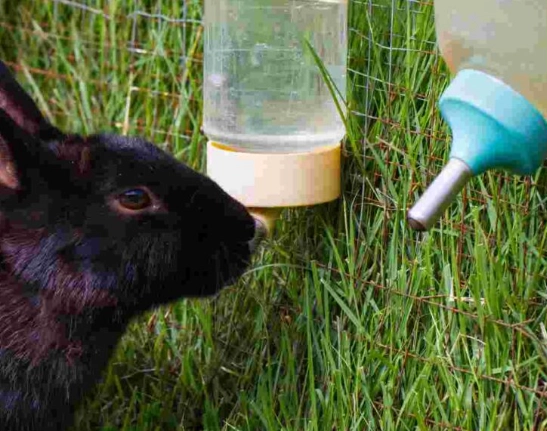
I remember when I first got my rabbit, Thumper. He's a mini rex, a ball of velvety fur and attitude. One day, he managed to get a big glob of unspeakable gunk stuck on his back paw. My first, panicked thought was "bath time." I filled a sink with a tiny bit of lukewarm water. The moment his back toes touched the water, it was like I'd turned him into a cartoon character. Eyes wide, a frantic scramble, and a look of pure betrayal. It was a fast lesson learned the hard way. So, let's save you and your bunny that stress. Let's dig deep into the real relationship between rabbits and water.
The short, blunt answer to "Do bunny rabbits like water?" is almost always a resounding no. They don't just dislike it; many are terrified of it. But like anything in nature, there are nuances, exceptions, and critically important "buts" that every owner needs to understand.
The Core Answer
Rabbits are not aquatic or even semi-aquatic animals. They did not evolve to enjoy or regularly interact with bodies of water. For the vast majority of domestic rabbits, full immersion in water is a stressful, frightening experience that poses significant health risks. Their preference is for staying dry.
Why Are Rabbits So Scared of Water? It's in Their DNA
You can't blame them, really. Think about their wild ancestors. European rabbits, from which most of our pets are descended, live in warrens—dry, underground tunnel systems. Their survival depended on staying hidden, dry, and warm. A soaking wet rabbit is a vulnerable rabbit. Wet fur loses its insulating properties, leading to hypothermia shockingly fast. It's heavy, making it hard to run from predators. And the noise and struggle of being in water would give away their location instantly.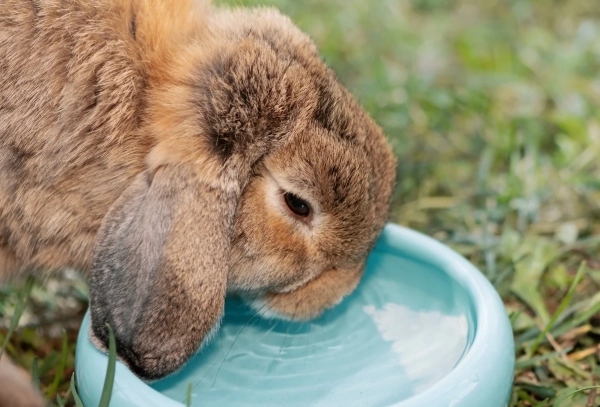
This instinct is hardwired. Your living room lionhead might never see a fox in its life, but that deep-seated fear of being wet and vulnerable is still there. It's not a "dislike"; it's a primal panic response. When you try to bathe a rabbit, you're not just giving it a wash. In its mind, you're triggering a predator-avoidance sequence. The stress from this alone can be severe.
And then there's the physiology. Rabbit skin is surprisingly delicate and thin. It's easily irritated. Their fur is incredibly dense, designed to trap a layer of warm, dry air close to the skin. When it gets soaked, that matting can take forever to dry completely, even the top layer. I made the mistake of just getting Thumper's paw wet, and I was still carefully checking and fluffing the area hours later.
The Real Dangers: Why "Do Bunny Rabbits Like Water?" is a Health Question
This is where we move from behavioral quirks to serious care. Giving a rabbit a full-body bath isn't just stressful; it can be a direct threat to their life. Let's break down the risks, because knowing why is more powerful than just being told "don't do it."
Top Risks of Bathing Your Rabbit
- Hypothermia: This is the big one. Rabbits regulate their body temperature very carefully. Wet fur destroys their insulation. Even in a warm room, a wet rabbit can quickly lose body heat and go into shock. Their core temperature can drop dangerously fast.
- Stress-Induced Illness: Rabbits are prey animals. Extreme stress can literally shut down their digestive system, leading to gastrointestinal stasis (GI stasis)—a silent, often fatal condition where their gut stops moving. The panic of a bath is a major trigger.
- Skin Infections & Dermatitis: That dense fur, once wet, is a perfect breeding ground for bacteria and fungus if it stays damp. It can lead to painful skin infections, matting, and fur loss.
- Inhalation of Water: Struggling rabbits can easily inhale water, leading to aspiration pneumonia, a severe respiratory infection that is difficult to treat.
- Injury: A terrified, slippery rabbit can thrash and fracture its own spine or limbs against a sink or tub. Their bones are light and not meant for that kind of struggle.
Seeing it listed like that really hammers it home, doesn't it? It transforms the question from "Do bunny rabbits like water?" to "Is it worth risking my rabbit's life for a bath?" The answer becomes clear.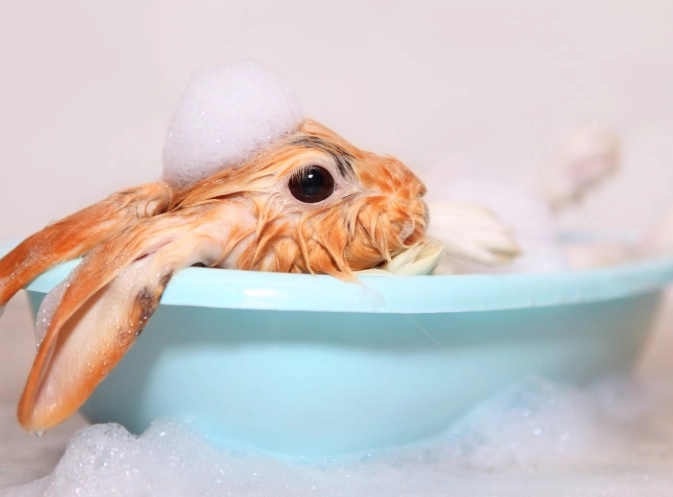
Major rabbit welfare organizations are unanimous on this. The House Rabbit Society, a leading authority on rabbit care, strongly advises against full immersion baths except in extreme, veterinary-directed circumstances. They state that the risks almost always outweigh any perceived benefit. Similarly, the VCA Animal Hospitals network emphasizes that rabbits are excellent self-groomers and rarely need human help to stay clean.
But What About...? Addressing the Exceptions and Confusions
Okay, so you've seen the videos. You've heard stories. Let's tackle the common scenarios that make people ask, "Do bunny rabbits like water?" in the first place.
Can Rabbits Swim?
Technically, yes. Most mammals can perform a paddling motion if thrown into deep water. Rabbits are capable of swimming. But capable does not mean willing or safe. It is a survival panic response, not a leisurely activity. Forcing a rabbit to swim is incredibly cruel and stressful. Think of it this way: a human can technically survive a fall off a cliff, but that doesn't mean we enjoy base jumping without a parachute. It's an emergency last resort, not a hobby.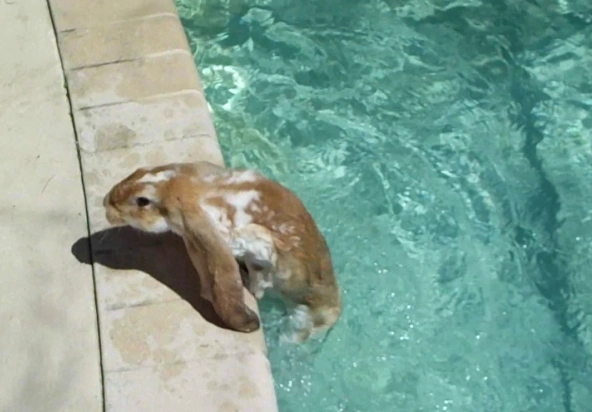
What About Those Videos of Rabbits in Water?
This is a tough one. The internet is full of cute, curated moments. Sometimes you might see a rabbit standing calmly in a shallow puddle on a hot day. This is different. Their feet are on solid ground, they are in control, and they might be seeking to cool their paws. This is not the same as being immersed or bathed. Other videos are simply showing stressed animals, and the cuteness factor masks their fear. I'm skeptical of most of them. A rabbit tolerating something is not the same as a rabbit enjoying it.
The Drinking Water Exception
This is crucial! While the answer to "Do bunny rabbits like water?" regarding baths is NO, they absolutely need and love drinking fresh, clean water every day. A constant supply of water is non-negotiable for their health. They should always have access to a heavy ceramic bowl (which is more natural and better for them than a bottle) filled with fresh water. Don't confuse their hydration needs with a desire to get wet.
The Right Way: Safe "Cleaning" and Hygiene for Your Rabbit
So, if baths are out, how do you deal with a dirty bunny? Rabbits are actually meticulous groomers, spending hours a day keeping themselves clean. Your job is usually just to assist. Here’s your practical, safe guide.
| Situation | Safe Method | What NOT to Do |
|---|---|---|
| Dirty Bottom ("Poopy Butt") Common in older, obese, or arthritic bunnies who can't groom well. | "Butt Bath" or Spot Cleaning. Use a damp (not wet) cloth or cotton pad with warm water. Gently hold the soiled area and dab/wipe. For stubborn matter, apply a small amount of cornstarch to dry it out, then gently comb/pick it away. You can also very carefully trim the fur around the area. | Do NOT dunk their rear in water. Do NOT use soap unless specifically prescribed by a vet (it's hard to rinse and they will ingest it while grooming). |
| Muddy Paws After some outdoor playtime on a damp day. | Let the mud dry completely. Once dry, most of it will fall off or can be gently brushed out. For residue, wipe paws with a damp cloth and dry thoroughly immediately. | Do NOT run their paws under a tap. The sound and sensation are frightening. |
| General Grooming & Scent Rabbits have a natural, mild musky scent. They shouldn't smell "bad." | Regular brushing is your best tool. It removes loose fur, dirt, and distributes natural oils. Ensure their living space is clean. A healthy rabbit on a proper diet (mainly hay) will smell fine. | Do NOT use perfumes, scented powders, or baby wipes (which contain chemicals). Do NOT bathe them to make them "smell nice." |
| Medical Emergency Exposure to toxic substances (oil, paint, chemicals). | This is the ONLY exception for a possible bath, and it's a vet emergency first. Call your vet immediately for instructions. They may advise a specific washing protocol using a mild, vet-approved shampoo to prevent ingestion of the toxin. | Do NOT attempt this without veterinary guidance. The risk of hypothermia and stress must be medically managed. |
The key principle is minimal, localized, and dry-as-fast-as-possible. Always have a soft, dry towel ready to immediately blot and absorb all moisture. A hairdryer is almost never a good idea—the noise is terrifying and it's easy to burn their sensitive skin.
Pro Tip: The Power of Brushing
Invest in a good slicker brush and a fine-toothed comb. Daily brushing during shedding season, and weekly otherwise, is the single best thing you can do for your rabbit's coat and hygiene. It prevents hairballs, removes dirt, and strengthens your bond. Thumper now sees brush time as a spa treatment and will melt into a puddle of bliss.
Answering Your Burning Questions
Let's tackle some of the other questions that pop up when you're down the rabbit hole (pun intended) of researching this topic.
See? The question "Do bunny rabbits like water?" opens up a whole world of care knowledge.
Putting It All Together: A Quick-Reference Guide for Owners
Let's make this actionable. Here’s a simple list to live by when it comes to your bunny and water.
The Rabbit Water Rulebook
- DO provide unlimited fresh drinking water in a bowl daily.
- DO NOT give your rabbit full-body baths for cleanliness.
- DO use a damp cloth for spot cleaning only when necessary.
- DO NOT assume a swimming rabbit is a happy rabbit.
- DO brush your rabbit regularly—it's the best "bath" they can get.
- DO NOT let your rabbit's fur stay damp after any cleaning. Dry thoroughly.
- DO consult a rabbit-savvy vet (find one here via the House Rabbit Society) for any major hygiene concerns.
- DO NOT ignore a dirty bottom—it's a health issue that needs safe, gentle management.
Final Thoughts: Listening to Your Bunny
At the end of the day, the most important voice is your rabbit's. Their body language is clear. If you're ever wondering, "Do bunny rabbits like water?" just watch them. A happy, thirsty rabbit will confidently approach its water bowl. That same rabbit will freeze, panic, and flee from the prospect of immersion.
Our job as owners is to respect their nature, not force our human concepts of cleanliness onto them. A "clean" rabbit is a healthy, dry, well-brushed rabbit living in a clean environment, not a shampooed and blow-dried one. The risks of getting it wrong are simply too high.
So, I'll leave you with this. After my failed sink experiment with Thumper, I learned to trust his instincts. Now, when he needs a little help (usually after a daring expedition under the bed where dust bunnies are real), we do it his way. A soft brush, maybe a slightly damp corner of a towel for a paw, and lots of treat bribes. He's happier, I'm less stressed, and our bond is stronger for it. And that's the real answer worth finding.
Hope this helps you and your floppy-eared friend stay happy and dry.
Reader Comments