Quick Guide
You've probably seen those cute videos online, right? A fluffy bunny paddling around in a little pool, looking adorable. It makes you wonder, can bunny rabbits swim in water naturally? Or is that just a weird internet thing? I remember asking myself this exact question when I first got my rabbit, Thumper. I had a small pond in the garden and was suddenly paranoid he'd fall in.
Let's cut to the chase. The short, technical answer is yes, most rabbits can swim. They possess the basic physical ability to paddle and keep their heads above water. Their powerful hind legs can provide propulsion. But—and this is a massive, crucial "but"—just because they can doesn't mean they should, or that it's safe, natural, or in any way good for them.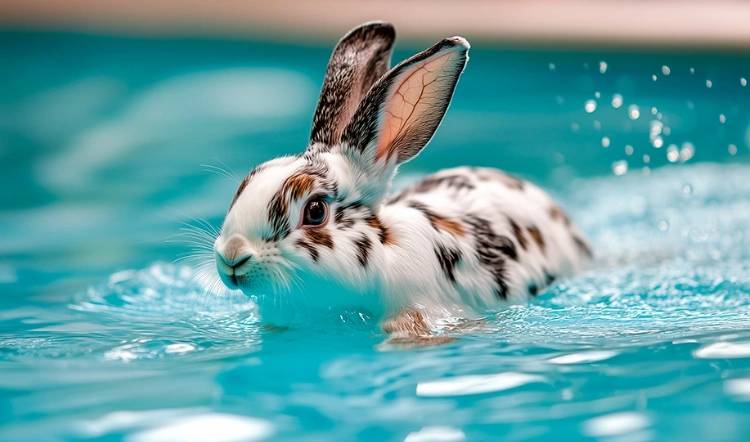
Think about it this way. I could probably drag myself across a rocky field if a bear was chasing me. That doesn't mean I'd sign up for it as a weekend hobby. For rabbits, water represents a similar extreme threat. The question "can bunny rabbits swim in water" is really asking about a last-resort survival mechanism, not a fun trick.
Why Water is a Rabbit's Natural Enemy
To understand why the idea of swimming is so problematic, you need to get inside the head (and body) of a rabbit. They're prey animals, hardwired for survival in very specific ways that make water a nightmare scenario.
The Physiology Problem: A Coat Not Built for Swimming
A rabbit's fur is amazing insulation. It traps a layer of air to keep them warm in burrows. But get it soaked, and it becomes a heavy, suffocating blanket. Unlike otter fur, it's not water-repellent. It absorbs water like a sponge, weighing the rabbit down and making swimming exhausting almost immediately.
Then there's the drying time. It can take hours for a rabbit's dense undercoat to dry completely. During that time, they are at severe risk of hypothermia, even in mild temperatures. Their body temperature can drop dangerously fast. A damp rabbit is also a perfect breeding ground for fungal infections like ringworm or painful, itchy dermatitis. It's a cascade of health issues waiting to happen.
The Psychology of Panic
This is the part most people don't consider. Rabbits are creatures of meticulous control and cleanliness. Sudden, total immersion in water is the ultimate loss of control. The panic they experience is profound. Their heart rate skyrockets. They go into sheer, blind terror.
This extreme stress can literally kill them. Rabbits can succumb to something called "capture myopathy" or simply die from shock and heart failure brought on by intense fear. I've heard vets talk about cases where a rabbit survived the actual swim but died hours later from the physiological aftermath of the stress. That's how serious it is.
So when someone searches "can bunny rabbits swim in water," they're often picturing a happy pet. The reality is a terrified animal fighting for its life.
When Might a Rabbit End Up in Water? (The Accidents)
Okay, so we're not throwing them in pools. But accidents happen. It's important to think about the scenarios where your bunny might encounter deep water unexpectedly.
- Garden Ponds & Water Features: The biggest one. A curious hop, a misjudged distance, and they're in. Sloped edges make it impossible to climb out.
- Buckets & Mop Pails: A classic, tragic accident. A rabbit jumps into a bucket with a few inches of cleaning water and can't get out.
- Swimming Pools & Hot Tubs: Especially for free-roam bunnies. The water looks inviting, but the sides are slippery and high.
- Deep Bathtubs & Toilets: An open bathroom door can lead to disaster.
- Flooding: In extreme weather, a hutch or play area could flood quickly.
See? It's less about asking "can bunny rabbits swim in water" for fun, and more about asking "how do I prevent a deadly accident?"
The Absolute Must-Follow Safety Guide
Prevention is everything. Here’s a breakdown of what you need to do, categorized by risk area. I wish I had a list like this when I started out.
Home & Garden Rabbit-Proofing
| Risk Area | Potential Danger | Safety Solution |
|---|---|---|
| Garden Pond | Drowning, hypothermia, panic. | Cover with sturdy, weighted metal mesh or safety grid designed for ponds. Fence it off completely. Consider filling it in if you can't secure it. |
| Water Buckets/Pails | Drowning in as little as 2-3 inches of water. | Never leave unattended. Empty immediately after use and store upside down. |
| Swimming Pool/Hot Tub | Exhaustion, chlorine poisoning, inability to exit. | Keep rabbit indoors or in a secure run when pool is accessible. Ensure pool is covered when not in use. Supervise constantly if near pool. |
| Bathroom | Toilets, full bathtubs, slippery surfaces. | Keep bathroom doors closed. Keep toilet lid down. Always check tub before filling. |
| Water Bowls | Young or small rabbits tipping in. | Use heavy, ceramic bowls that can't be tipped. Alternatively, use a sipper bottle as a backup. |
What If The Worst Happens? Emergency Steps
If your rabbit falls into water, every second counts. Panicking yourself won't help. Here's the drill:
- Get Them Out Immediately: Don't wait to see if they "can bunny rabbits swim in water." They are panicking. Scoop them out gently but swiftly.
- Warmth is Priority One: Wrap them immediately in a dry, absorbent towel. Gently blot and squeeze (don't rub vigorously) to remove as much water as possible from their fur.
- Use a Hair Dryer (Carefully!): Set it on the lowest, coolest setting. Hold it far away and keep it moving constantly to avoid burning their sensitive skin. Your hand should always be between the dryer and the rabbit to gauge heat. The goal is to get the undercoat dry.
- Create a Warm, Quiet Space: Place them in a carrier or box with dry towels and a safe heat source like a Snuggle Safe disk (wrapped in a towel). Avoid direct heat lamps.
- CALL YOUR VET: This is non-negotiable. Even if they seem okay, they need a check-up for hypothermia, shock, and potential water inhalation (which can lead to pneumonia). Inform the vet of the incident so they know what to look for.
Honestly, going through these steps in my head made me realize how underprepared I was. I ordered a Snuggle Safe the next day.
Bathing vs. Spot Cleaning: The Great Misconception
This topic always stirs debate. Some people hear "can bunny rabbits swim in water" and think, "Well, what about baths?"
The consensus from every major rabbit welfare organization is clear: you should almost never fully submerge or bathe your rabbit. The House Rabbit Society is adamant about this. They state that baths are extremely stressful and can lead to illness. The House Rabbit Society and the RSPCA both have excellent resources explaining why.
Rabbits are self-cleaning machines. Like cats, they groom themselves constantly. Giving them a bath strips their fur of essential oils, ruins their meticulous grooming work, and causes immense stress.
So what do you do if they get messy? Maybe they have a sticky substance on their fur or develop a dirty bottom (often a diet-related issue that needs a vet check).
- Spot Clean Only: Use a damp cloth or unscented baby wipes to gently clean only the soiled area.
- The "Butt Bath": For persistent mess, you can hold the rabbit securely and only dip their soiled hindquarters in a shallow inch of lukewarm water. Dry thoroughly and immediately with a towel and cool dryer.
- Cornstarch for Mats: For sticky stuff like sap, work cornstarch or flour into the area to absorb the gunk, then gently comb it out.
The bottom line? A full bath is almost always for the owner's convenience, not the rabbit's benefit. It solves a visual problem by creating a host of potential health and psychological ones.
Answering Your Burning Questions (FAQ)
Let's tackle some of the specific things people wonder when they type "can bunny rabbits swim in water" into Google.
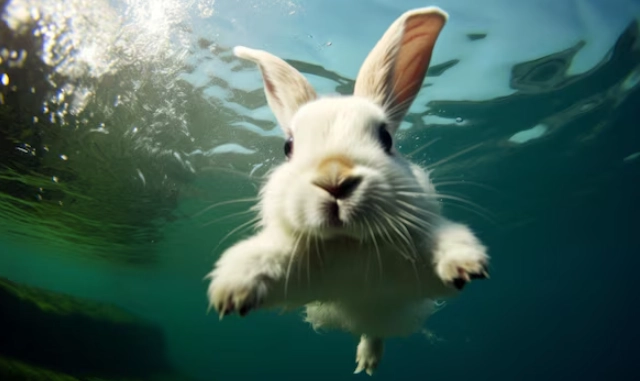
Same rules apply. They can if their life depends on it—like escaping a predator across a narrow stream. But they avoid it at all costs. You'll never see a wild rabbit taking a leisurely dip. It's a pure, desperate survival tactic with high risks (exhaustion, hypothermia). Their survival instinct tells them to flee away from open water, not toward it.
This is a myth I see floating around. Some point to the Swimming Rabbit myth from ancient texts or certain semi-aquatic rodents and think it applies. It doesn't. No domestic rabbit breed has been selectively bred for swimming or has any special affinity for water. A Rex, a Lop, a Netherland Dwarf—they all share the same basic physiology and prey-animal panic response. Some larger breeds might have more stamina, but that just means they might panic longer before drowning or succumbing to stress.
Ah, the classic bowl flipper! This is not a sign of a budding Michael Phelps. Rabbits dig and paw as natural behaviors. They might be trying to "dig" in the water, or they're dissatisfied with the water's taste/temperature (always provide fresh, cool water). Sometimes it's just a playful, bored behavior. The solution is a heavier bowl, not a kiddie pool.
This is crucial! While they shouldn't swim in it, rabbits absolutely need constant access to fresh, clean drinking water. They drink a significant amount relative to their size. Dehydration is a serious and common health issue. Always use a clean bowl (preferred by vets as it's a more natural drinking position) or a well-functioning bottle. Check it twice a day.
See the irony? The substance that can kill them in one context is vital for life in another. It's all about control and context.
Final Thoughts: Reframing the Question
After all this, I think the initial search query "can bunny rabbits swim in water" is asking the wrong question. It focuses on a physical capability, not on welfare.
The better question, the one a truly responsible owner asks, is: "How do I keep my rabbit completely safe from water hazards?"
Shifting your mindset from curiosity about an ability to proactive prevention of a hazard is the mark of a great pet guardian. It's not about depriving them of fun—rabbits have plenty of fun digging in dirt boxes, chewing applewood sticks, and doing binkies on the carpet. Water play offers them nothing but risk.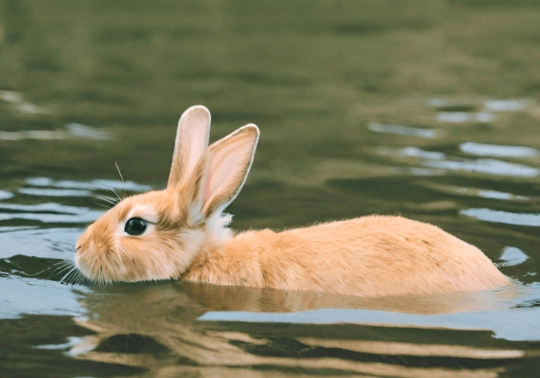
So, can bunny rabbits swim in water? Technically, yes, in a frantic, life-or-death struggle. But our job isn't to test that ability. Our job is to love them enough to make sure they never, ever have to find out.
Reader Comments