Quick Guide to Protecting Your Bell Peppers
- Why on Earth Do Rabbits Target Bell Pepper Plants?
- How to Tell If It's Really Rabbits Eating Your Plants
- Your Arsenal: How to Protect Bell Pepper Plants from Rabbits
- Comparison of Common Protection Methods
- What About the Peppers Themselves? Are They Safe or Harmful for Rabbits?
- Beyond Rabbits: Other Critters That Might Eat Your Bell Pepper Plants
- Common Questions Gardeners Ask (FAQs)
- Wrapping It Up: A Realistic Action Plan
If you're like me and have spent months carefully nurturing your bell pepper seedlings, only to find them chewed down to nubs one morning, you've probably asked yourself this exact question. Let's cut right to the chase.
Yes. Absolutely.
Rabbits absolutely do eat bell pepper plants. They find the tender leaves, stems, and especially the young, sweet fruits irresistible. It's not just a maybe; it's one of their favorite garden snacks. I remember one year, I had a beautiful row of bell peppers—California Wonders, I think—and they were just starting to set fruit. The next morning, the tender leaves were gone, and the small peppers had neat, angled bites taken out of them. It was heartbreaking. So if you're wondering, "Do rabbits eat bell pepper plants?", the answer is a definitive yes, and this guide is here to help you understand why and, more importantly, how to stop them.
Why on Earth Do Rabbits Target Bell Pepper Plants?
It's not personal, I promise. From a rabbit's perspective, your garden is an all-you-can-eat salad bar, and your bell pepper plants are the premium greens. Understanding their motivation is the first step to outsmarting them.
Bell pepper plants are juicy, tender, and packed with water and nutrients—exactly what a foraging rabbit is looking for. The leaves are not overly tough or hairy, and the stems are crisp. Young plants are particularly vulnerable because they haven't developed the tougher, woodier stems of mature plants. The fruits themselves, especially when they're still green and sweet, are like candy. Rabbits have a sweet tooth, you see.
According to resources from the USDA Animal and Plant Health Inspection Service, rabbits are opportunistic feeders. They prefer plants that are easy to digest and high in moisture. Your vegetable garden, with its regularly watered and fertilized plants, fits the bill perfectly. It's not that they specifically seek out bell peppers over everything else, but in a buffet of lettuce, beans, and peppers, they'll happily munch on all of them.
How to Tell If It's Really Rabbits Eating Your Plants
Before you declare war on the local bunny population, make sure they're the actual culprits. Several garden pests can cause similar damage. Here’s a quick detective's checklist.
The Bite Mark: This is the biggest clue. Rabbits have sharp incisors that leave a clean, angled cut, almost like someone used tiny scissors. You won't see ragged edges. If the stem looks like it was cleanly snipped off at a 45-degree angle, you're likely dealing with a rabbit.
The Height of the Damage: Rabbits are low to the ground. Most damage will occur within the first two feet of the plant. If the top leaves of your mature pepper plant are gone but the bottom is fine, it's probably not a rabbit (think deer or groundhog).
Footprints and Droppings: Look around the soil. Rabbit droppings are small, round pellets, usually found in clusters. Their footprints might be visible in soft soil—four toes in front, a larger pad in the back.
The Time of Attack: Rabbits are most active at dawn and dusk. If the damage appears overnight or in the early morning, they're prime suspects.
Other animals like deer, groundhogs (woodchucks), and even insects like hornworms can damage pepper plants. But the clean-cut, low-level damage is a rabbit's calling card. So, if you've confirmed that rabbits are indeed the ones asking "do rabbits eat bell pepper plants?" with their actions, it's time to move to defense.
Your Arsenal: How to Protect Bell Pepper Plants from Rabbits
This is the part you came for. Let's be realistic—there's no single magic bullet. What works in my backyard might need tweaking in yours. I've tried almost everything over the years, from the brilliant to the downright silly. Here’s a breakdown of the most effective strategies, from physical barriers to psychological tricks.
Physical Barriers (The Gold Standard)
If you want guaranteed results, this is the way to go. It requires some upfront work but saves endless frustration later.
Fencing: This is the most effective method, period. A simple chicken wire fence around your garden bed or individual plants works wonders. The key is to make it both tall enough and deep enough.
- Height: At least 2 feet tall. Rabbits can jump, but they're not great high-jumpers, especially if they can't get a running start.
- Depth: Bury the bottom 3-6 inches of the fence underground, bending it outward to form an "L" shape. Rabbits are diggers. If you just put up a fence, they'll go under it. I learned this the hard way.
- Mesh Size: Use 1-inch or smaller mesh chicken wire. Baby rabbits can squeeze through surprisingly small gaps.
Individual Plant Cages: Don't want to fence the whole garden? Make simple cages for your pepper plants. Use wire mesh or hardware cloth to form cylinders around each plant. Anchor them well with stakes. It's a bit more work per plant, but it's super effective and reusable year after year.
Cloches or Row Covers: For young seedlings, a physical cover is essential. You can buy plastic or mesh cloches, or make your own from cut-up milk jugs or soda bottles (with the cap off for ventilation). Floating row covers made of lightweight fabric let in light and water but keep pests out.
Natural Deterrents and Repellents
These methods aim to make your plants smell or taste bad to rabbits. Their effectiveness can vary based on the rabbit's hunger and the local population pressure.
Homemade Sprays: You can make sprays from strong-smelling substances. A common recipe is a mix of garlic, hot peppers (like cayenne), and dish soap blended with water. Spray it directly on the leaves of your bell pepper plants. The theory is the spicy, bitter taste will deter them. Reapply after rain.
My take? These work... sometimes. In a dry spell, they can be a good deterrent. But a truly hungry rabbit will power through the spice. Also, be careful not to spray too concentrated a solution, as it can potentially burn tender plant leaves.
Planting Companion Deterrents: This is a more holistic approach. Interplant your peppers with herbs and flowers that rabbits tend to dislike. Strong scents often confuse or repel them.
- Good companions: Marigolds, onions, garlic, lavender, sage, oregano.
- I like to plant a border of marigolds around my vegetable patch. It adds color, and while it's not an impenetrable force field, it seems to make the rabbits think twice before venturing in.
Predator Scents & Objects: The idea is to make rabbits think a predator is nearby. You can buy commercial repellents with coyote or fox urine. You can also scatter human hair (from a hairbrush) or used cat litter around the perimeter. Place rubber snakes or owl decoys and move them regularly.
Commercial Repellents
There are many products on the market, usually in spray or granular form. They often use ingredients like putrescent egg solids, capsaicin (from hot peppers), or bittering agents. Brands like Liquid Fence or Plantskydd are popular.
My experience: They can be part of a layered defense. I've had moderate success with the egg-based sprays. But they are an ongoing expense, and you must follow the reapplication schedule religiously, especially after watering or rain. If you forget, the rabbits will seize the opportunity.
Environmental Modifications
Make your garden less inviting. Rabbits are prey animals and hate feeling exposed.
- Remove hiding spots: Clear away brush piles, tall grass, and weeds from around your garden's edge. This eliminates the cozy cover they use to feel safe while dining.
- Keep the lawn trimmed: A short lawn gives them nowhere to hide as they approach.
- Use motion-activated sprinklers: These are fantastic. A sudden blast of water scares the daylights out of them and conditions them to avoid the area. It works on cats, birds, and deer too. The initial cost is higher, but it's highly effective and humane.
Planting Strategies
Sometimes, you have to accept that some loss might occur and plan around it.
Overplant: Plant a few extra pepper plants with the expectation that you might lose one or two. It takes the pressure off.
Grow in Raised Beds or Containers: Raising your plants up, even just a foot or two, can be a surprisingly good deterrent. Combine this with a little fencing on the container itself, and you're in good shape.
Choose Less-Palable Varieties? This is tricky. While rabbits have preferences, there's no bell pepper variety that is truly "rabbit-proof." A hungry rabbit will eat any of them. Don't base your variety choice solely on this hope.
Comparison of Common Protection Methods
To help you decide, here's a quick rundown of the pros and cons of the main approaches. This is based on my own trial and error and chatting with other gardeners.
| Method | Effectiveness | Cost | Effort/Maintenance | Best For |
|---|---|---|---|---|
| Wire Fencing (Buried) | Very High | Medium (one-time) | High setup, Low maintenance | Serious gardeners, large plots, high rabbit pressure |
| Individual Plant Cages | Very High | Low-Medium | Medium setup per plant, reusable | Smaller gardens, protecting prized plants |
| Motion-Activated Sprinkler | High | High (initial) | Low (check batteries/water) | High-tech solution, multi-pest problems |
| Commercial Repellent Sprays | Medium (varies) | Ongoing Low | High (must reapply often) | As a supplement, low-pressure areas |
| Homemade Hot Pepper Spray | Low-Medium | Very Low | High (make & reapply often) | DIY enthusiasts, mild deterrent |
| Companion Planting | Low (as sole method) | Low | Low | Part of an integrated strategy, adds biodiversity |
My personal strategy now is a hybrid one. I use a low, buried fence around my main vegetable bed. For my prized heirloom peppers in pots on the patio, I use small individual wire cages. And I keep a bottle of commercial repellent on hand for a quick spray if I see fresh activity and need a temporary boost. Layering your defenses is key.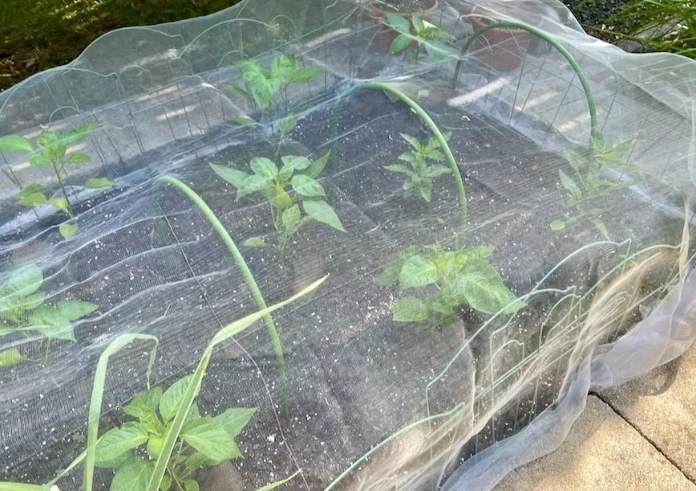
What About the Peppers Themselves? Are They Safe or Harmful for Rabbits?
This is a common follow-up question. We've been focused on protecting the plants from rabbits, but what if you have a pet rabbit and are wondering about feeding them bell pepper?
The fruit of the bell pepper plant (the actual pepper) is non-toxic and safe for rabbits to eat in moderation. In fact, many pet rabbit owners use small amounts of bell pepper as a treat. It's a good source of Vitamin C. However, you should only feed the fruit, not the leaves or stems of the plant, to a pet rabbit. The greens can be harder to digest for a domestic rabbit not used to a wide variety of forage.
For wild rabbits, the plant is just food. They don't have issues digesting it. The real question, "do rabbits eat bell pepper plants," is about your garden's survival, not the rabbit's health. They are perfectly adapted to eat a wide range of garden vegetation.
If you're interested in the dietary needs and safe foods for domestic rabbits, the House Rabbit Society is an excellent resource for authoritative, science-based information.
Beyond Rabbits: Other Critters That Might Eat Your Bell Pepper Plants
Don't get tunnel vision. While we've been laser-focused on rabbits, they aren't the only threat. If your protective measures against rabbits are solid but you're still seeing damage, consider these other culprits:
- Deer: They eat the entire plant, leaves, stems, and fruit. Damage is higher up and more ragged, with torn leaves and broken stems.
- Groundhogs (Woodchucks): These guys are eating machines. They can level a plant quickly. Look for larger bite marks and burrow entrances nearby.
- Hornworms: These large green caterpillars can strip a pepper plant of its leaves almost overnight. Look for them on the undersides of leaves and their distinctive black droppings.
- Slugs and Snails: They chew irregular holes in leaves, usually overnight, and leave a silvery slime trail.
Correctly identifying the pest is 80% of the battle. The strategies differ. A fence that stops a rabbit won't stop a deer, and a repellent that deters a mammal won't affect a hornworm.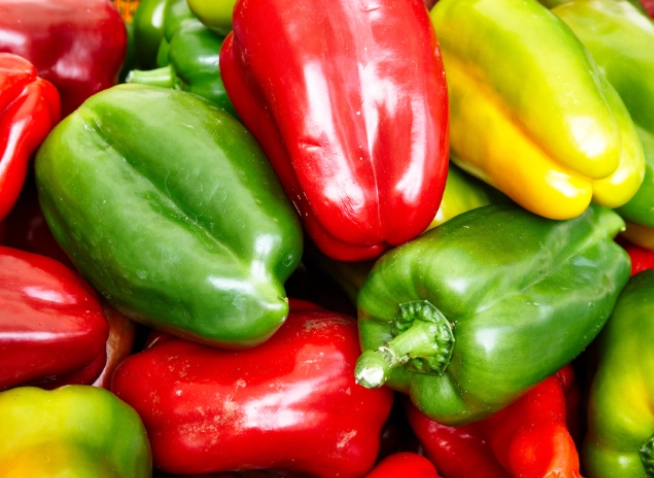
Wrapping It Up: A Realistic Action Plan
So, you've found the chewed plants, confirmed it's rabbits, and now you're overwhelmed with options. Here's a simple, step-by-step plan you can start today.
- Assess the Damage & Confirm: Look for the clean, angled cuts and low-level damage. Make sure it's rabbits.
- Immediate Triage: For already damaged plants, clean up any completely destroyed stems. The plant may regrow from undamaged nodes or side shoots, especially if it's early in the season.
- Choose Your Primary Defense: Be honest about your time and budget. If you can, install a fence. It's the best long-term investment. If not, get/make individual cages for your most valuable plants today.
- Add a Secondary Layer: While you're setting up the primary defense, spray a commercial or homemade repellent on the plants to buy some time. Clear away hiding spots around the garden.
- Be Consistent: If you choose repellents or deterrents, you must reapply or adjust them regularly. Rabbits are creatures of habit, and they will test your defenses.
- Observe and Adapt: Check your garden daily. Look for new signs of attempted entry. Gardening is a constant dialogue with nature. Be ready to patch a hole in the fence or move a decoy.
The question "do rabbits eat bell pepper plants" has a simple answer. Protecting your harvest from that reality requires a bit more thought. But it's absolutely doable. Don't get discouraged. With a logical, layered approach, you can enjoy a bountiful pepper harvest and maybe even learn to appreciate the cleverness of your furry adversaries—from a distance, behind a very good fence.
Honestly, some years I win completely. Other years, they get a pepper or two before I tighten up my defenses. That's gardening. The goal isn't perfection; it's a harvest you can enjoy. Now go check on those plants.
Common Questions Gardeners Ask (FAQs)
Do rabbits eat hot pepper plants?
Generally, no. Rabbits typically avoid plants in the Capsicum genus that produce spicy heat, like jalapeños, habaneros, or cayenne peppers. The compound capsaicin, which makes peppers hot for mammals, acts as a natural deterrent. So, while they'll devour your sweet bell peppers, they'll usually leave your hot varieties alone. It's a good reason to mix some in!
Are bell pepper plants poisonous to rabbits?
No, the bell pepper plant (leaves, stems, fruit) is not poisonous to wild rabbits. It is a source of food for them. For pet rabbits, the fruit is a safe treat, but it's generally recommended to stick to the fruit and avoid large quantities of the leaves/stems due to potential digestive differences from their wild cousins.
What part of the bell pepper plant do rabbits eat first?
They often go for the most tender, accessible parts first. This means the young, succulent leaves and new stem growth. If the plant is young and tender all over, they might eat it down to the ground. On mature plants, they'll browse the lower leaves and any fruit within reach.
Will rabbits eat bell pepper plants that are already fruiting?
Yes, absolutely. In fact, a plant heavy with young, sweet peppers might be even more attractive. They will eat the peppers themselves, often taking one or two bites out of several fruits, ruining them. Protecting fruiting plants is crucial.
What is the #1 most effective way to stop rabbits?
Hands down, a properly installed physical barrier. A fence made of chicken wire, at least 2 feet high with the bottom buried or bent outward, is nearly 100% effective. It requires work to set up but provides peace of mind and long-term protection with almost no maintenance. Everything else is a deterrent or a compromise.
Do coffee grounds keep rabbits away?
This is a popular garden myth. There's little solid evidence that coffee grounds are an effective rabbit repellent. While the strong smell might offer a very temporary, mild deterrent, a hungry rabbit will quickly ignore it. It's better used as a soil amendment for acidity-loving plants than as a reliable pest control.
Reader Comments