Quick Navigation
- Why Onions Are a Silent Threat: The Science of the Toxicity
- Spotting Trouble: Symptoms of Onion Poisoning in Rabbits
- Building a Fort Knox for Your Rabbit's Diet: Safe Foods vs. Dangerous Foods
- Answering Your Burning Questions: The Rabbit Diet FAQ
- Creating a Safe Kitchen and Home Environment
- The Bottom Line: A Simple Rule for a Healthy, Happy Bunny
So you're standing in the kitchen, your bunny is doing that adorable hop-and-nudge thing at your feet, and you're chopping an onion for dinner. A tiny piece falls. Those big, curious eyes look up. The thought crosses your mind: can rabbits eat onions? Maybe just a little bit? It's a vegetable, after all. Seems harmless, right?
Let me stop you right there. I've been caring for rabbits for years, and this is one of those questions where the answer is not just no, but a firm, absolute, never-ever-do-it NO. Onions are not just unhealthy for rabbits; they are downright toxic and can be life-threatening. It's one of the most important distinctions any rabbit owner needs to make. I remember a friend who almost lost her dwarf rabbit because it nibbled on some leftover onion rings from a plate left too low. The panic, the vet bill, the stress—it was all completely avoidable.
The Short, Non-Negotiable Answer: No, rabbits cannot eat onions. Not the bulb, not the leaves (greens), not the stems, not cooked, not raw, not powdered, not in any form. All plants in the Allium family (onions, garlic, leeks, chives, shallots) are poisonous to rabbits.
Why is this such a big deal? It's not like a little bit will just give them an upset stomach. We're talking about a substance that attacks their red blood cells. It's a slow, sneaky poison. The scary part is that symptoms might not show up for a few days, and by then, the damage can be severe.
Why Onions Are a Silent Threat: The Science of the Toxicity
Alright, let's get into the nitty-gritty. It's not enough to just say "it's bad." You deserve to know why, so you can understand the seriousness and explain it to others. The danger comes from compounds called organosulfoxides, primarily N-propyl disulfide. When a rabbit (or other pets like cats and dogs) ingests these compounds, their body converts them into reactive oxidants.
Here's the problem. These oxidants go on a rampage inside your bunny's bloodstream. Their main target? The hemoglobin in red blood cells. They cause oxidative damage that literally ruptures the red blood cell membranes. This condition is called Heinz body hemolytic anemia.
Think of red blood cells as tiny delivery trucks carrying oxygen to every part of the body. Now imagine someone systematically slashing the tires of those trucks. That's what the toxins in onions do. The body tries to clean up the wrecked cells, but it can't make new ones fast enough. The result is a dangerous drop in red blood cell count, meaning tissues and organs start to suffocate from lack of oxygen.
It's a dose-dependent toxicity. But here's the kicker with rabbits—their small size means the "toxic dose" is much lower relative to a larger animal. What seems like a tiny, insignificant piece to us can be a significant poison for them. There's also a cumulative effect. Small, repeated exposures (like getting bits of onion regularly from a shared kitchen floor) can build up and cause poisoning over time.
The Merck Veterinary Manual, a cornerstone of veterinary reference, explicitly lists Allium species (onions, garlic, etc.) as toxic, detailing this exact mechanism of causing Heinz body anemia. It's not some old wives' tale; it's documented veterinary science.
No Part is Safe: Bulbs, Greens, Powder, and Cooked Forms
This is a common point of confusion. Some folks think maybe the green tops are safer, or that cooking the onion neutralizes the poison. Sadly, no.
- The Bulb: The most concentrated source of the toxic compounds. The most dangerous part.
- The Green Leaves/Stems (Scallions/Spring Onions): Still contain the toxins. Do not be fooled by their leafy, herb-like appearance. They are not safe.
- Cooked, Fried, Boiled, Roasted Onions: Cooking does not destroy the organosulfoxides to a safe level. In fact, onion powder and dried onion are even more concentrated.
- Foods Containing Onion: This is a major pitfall. Leftover pizza, pasta sauce, soup, gravy, baby food, processed meats, salad dressings, dips—if it has onion or onion powder in any form, it's off-limits.
I once made the mistake of thinking a bit of onion powder in a leftover bite of my food wouldn't matter. I was wrong. My rabbit, Thumper, became lethargic the next day. It was a terrifying lesson learned in the most direct way possible. You have to be vigilant.
Spotting Trouble: Symptoms of Onion Poisoning in Rabbits
Since the effects are delayed, knowing the symptoms is crucial. They often appear 1-3 days after ingestion. If you even suspect your rabbit ate onion and you see any of these signs, it's a red-alert emergency.
Early Signs (Often Subtle):
- Lethargy, weakness, just seeming "off" or less active.
- Decreased appetite or total loss of interest in food (anorexia). This is a huge red flag for any rabbit.
- Pale gums or inner eyelids. (Gums should be a healthy pink, not white or pale yellow).
As the anemia progresses, symptoms become more severe:
- Weakness/Collapse: The rabbit may struggle to move, seem wobbly, or not want to move at all.
- Rapid or Labored Breathing: The body is struggling to get enough oxygen.
- Dark Red or Brown Urine: This is caused by the hemoglobin from the destroyed red blood cells being excreted through the kidneys. It's a classic sign of hemolytic anemia.
- Jaundice (Icterus): A yellow tinge to the skin, whites of the eyes, or inside the ears. This indicates liver stress from processing all the broken-down blood cells.
- Abdominal Pain: The rabbit may sit in a hunched position.
It progresses from "something's wrong" to a full-blown crisis frighteningly fast.
What to Do If Your Rabbit Ate Onion: Emergency Action Plan
- Don't Panic, But Act Immediately. Do not wait for symptoms to appear. Time is critical.
- Remove Any Source. Get any remaining onion or contaminated food away from your rabbit.
- Contact Your Veterinarian or an Emergency Vet RIGHT NOW. Call ahead if you can. Tell them exactly what happened: what was eaten, how much (your best guess), and when. Be clear it was onion.
- Do NOT Induce Vomiting. Rabbits are physically incapable of vomiting. Attempting this can cause severe aspiration and death.
- Bring a Sample. If possible, bring a piece of the onion or the food it was in. This helps the vet identify the exact threat.
- Follow Vet Instructions Precisely. They may tell you to come in immediately or give specific first-aid advice over the phone.
Treatment at the vet will be supportive and aims to stabilize the rabbit. There's no specific antidote. Treatment may include:
- Hospitalization for observation and supportive care.
- Fluid Therapy (IV or subcutaneous) to support kidney function and prevent shock.
- Oxygen Therapy to help with breathing if anemia is severe.
- Blood Transfusions in extreme cases to replace lost red blood cells.
- Medications to protect the stomach and liver, and possibly corticosteroids.
The prognosis depends entirely on how much was eaten and how quickly treatment begins. This is why the question can rabbits eat onions is so critical—prevention is infinitely better than the traumatic and expensive cure.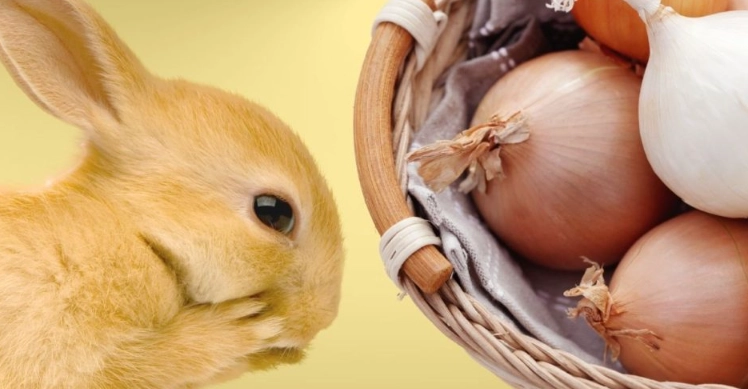
Building a Fort Knox for Your Rabbit's Diet: Safe Foods vs. Dangerous Foods
Now that we've established the absolute danger of onions, let's flip the script. What should your rabbit be eating? A proper rabbit diet is simple in principle but requires consistency. The foundation is unlimited grass hay (Timothy, Orchard, Meadow), which should make up about 80-90% of their diet. It's essential for dental health and digestive function.
Fresh vegetables are the next crucial component, which is where the confusion often sets in. Let's clear it up with a definitive list. This table breaks down what's safe, what's a treat, and what's strictly off-limits.
| Food Category | Safe & Recommended (Feed Daily/Variety) | Safe in Strict Moderation (Treats) | DANGEROUS / TOXIC (NEVER FEED) |
|---|---|---|---|
| Leafy Greens | Romaine lettuce, Green/Red leaf lettuce, Butter lettuce, Spring greens, Kale (sparingly), Spinach (sparingly), Arugula, Cilantro, Dill, Mint, Basil, Beet greens (high in oxalates), Carrot tops. | Parsley (high calcium), Swiss Chard. | Iceberg Lettuce (low nutrient, can cause diarrhea), All Allium plants: Onion, Garlic, Leek, Chives, Shallot. |
| Other Vegetables | Bell Peppers (all colors), Cucumber (peeled), Zucchini, Celery (chopped small), Broccoli (florets and leaves, gas risk), Brussels sprouts (tiny amount, gas risk). | Carrot (high sugar), Pumpkin (plain, no spice). | Potatoes (raw or cooked, toxic solanine), Rhubarb (leaves highly toxic), Corn (kernels and cobs are choking/blockage hazards). |
| Fruits | None are "daily" foods. | Apple (no seeds), Banana (tiny slice), Blueberries, Strawberry (top & fruit), Pear (no seeds), Peach (no pit), Melon (rind okay). Limit to 1-2 tbsp per 2kg body weight, 2-3 times a week max. | Avocado (persin toxin), All fruit seeds/pits (contain cyanide compounds). |
| Processed Human Foods | None. | Plain, uncooked rolled oats (tiny pinch as rare treat). | Everything else: Bread, crackers, cereal, pasta, dairy, meat, chocolate, candy, sugary foods, salty snacks, anything cooked with onion/garlic. |
See how the "dangerous" column is full of common kitchen items? That's the challenge. The safest policy is to only feed foods you have positively identified as rabbit-safe. When in doubt, leave it out. Stick to the hay and a rotation of known-safe greens.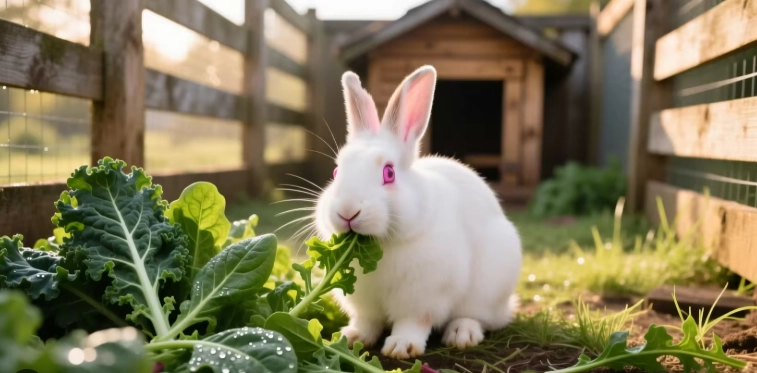
My Go-To Weekly Veggie Mix: I base my rabbit's daily salad on 3-4 items from the safe list. A typical day might be: two large leaves of Romaine, a sprig of cilantro, a 2-inch piece of bell pepper (seeds removed), and a small broccoli floret. Variety is key to a balanced nutrient intake and keeps them interested.
Answering Your Burning Questions: The Rabbit Diet FAQ
I get a lot of questions from new rabbit owners. Here are the ones that pop up most often, especially when we're talking about dangers like onions.
My rabbit accidentally ate a tiny piece of onion. Will it be okay?
Maybe, but you can't gamble on it. The size of the rabbit and the size of the piece matter. A pea-sized piece might cause mild symptoms in a large Flemish Giant, but could be serious for a Netherland Dwarf. You must contact your vet. Describe the amount. They may advise you to monitor closely for the next 72 hours for any signs of lethargy or reduced appetite, or they may want to see the rabbit preemptively. Never assume it's fine.
Are other pets affected the same way?
Yes. The toxicity mechanism is similar in many species. Cats and dogs are also highly susceptible to onion and garlic poisoning, as noted by the ASPCA Animal Poison Control Center. In fact, it's often more widely known for dogs and cats, which is why rabbit owners sometimes mistakenly think it doesn't apply to bunnies. It absolutely does.
What about wild rabbits? They seem to eat anything.
Wild rabbits have a diet almost exclusively of wild grasses, weeds, bark, and twigs. They don't have access to cultivated allium vegetables. Their instincts are finely tuned to avoid toxic plants in their native environment. A domestic rabbit's instincts are often dulled, and they are presented with foods (like a piece of onion) that don't exist in nature. You can't rely on their instinct to protect them.
How do I stop my rabbit from begging for my food?
This is a training and management issue. First, never, ever feed them from your plate or while you're eating. It teaches them that human food equals rabbit food. If they beg, ignore them completely. Don't make eye contact, don't push them away (that's attention), just be a boring statue. Offer them a piece of their own safe veggie or a strand of hay instead. Consistency is everything. It took months to break Thumper of this habit, but it made kitchen time so much less stressful.
Can rabbits eat onion grass or wild onions from the yard?
No, no, and no. Any plant that is part of the Allium genus carries the risk. If you're picking greens from outside, you must be 100% certain of the plant's identification. It's generally safer to avoid foraging unless you are an expert.
Honestly, the amount of misinformation out there is frustrating. You'll see forum posts from 15 years ago saying "my rabbit ate a little and was fine." That's survivorship bias. You don't hear from the people whose rabbits weren't fine. Rely on current, evidence-based sources from veterinary institutions.
Creating a Safe Kitchen and Home Environment
Preventing access is 90% of the battle. Rabbits are curious and surprisingly agile. Here's how to bunny-proof your food zones:
- Trash Cans: Use ones with secure, locking lids. A determined rabbit can and will knock over a simple step-can.
- Counter Surfing: Don't leave food unattended on low counters or tables. Assume your rabbit can and will get up there.
- Floor Sweeping: Get into the habit of doing a quick visual sweep of the kitchen floor before letting your bunny have free-roam time. Crumbs, dropped pieces, even the tiny skin of an onion are hazards.
- Educate Everyone: Make sure every member of the household, and frequent visitors, knows the rule: rabbits cannot eat onions or any human food unless explicitly approved. Kids are often the well-meaning culprits.
- Secure Pet Food: Dog and cat food often contains onion or garlic powder. Keep these bowls completely out of reach.
My own wake-up call was when I found Thumper with a discarded fast-food wrapper that had a shred of onion on it. I hadn't even seen it fall. It was a stark reminder that their world is at our ankle level, and our casual messes are their potential minefields. I became militant about floor cleanliness after that.
The Bottom Line: A Simple Rule for a Healthy, Happy Bunny
So, can rabbits eat onions? We've been through the science, the symptoms, the scary stories, and the safe alternatives. I hope by now the answer is ringing in your ears as clearly as it is in mine.
Never.
The rabbit digestive system is a delicate, hindgut-fermenting marvel designed for a very specific diet of fibrous plants. It is not equipped to handle the potent defensive chemicals of the allium family. Introducing onion into that system is like putting diesel fuel into a gasoline engine—catastrophic failure is imminent.
Stick to the basics: unlimited hay, a measured amount of high-quality pellets (if you use them), fresh water, and a daily salad of known-safe leafy greens and vegetables. Treat fruits like candy. View all human food, especially anything cooked, seasoned, or processed, as potentially hazardous.
Your rabbit's health and longevity depend on this knowledge. It's not about being a paranoid owner; it's about being a responsible one. The peace of mind that comes from knowing you're feeding them a truly safe and species-appropriate diet is worth far more than the momentary temptation to share a "treat" that could harm them. Feed the hay, skip the onion, and you'll have a hopping, binkying companion for many years to come.
Reader Comments