In This Guide
- Why Breed Matters More Than You Think
- Decoding Popular Cat Breeds: From Lap Cats to Acrobats
- Understanding Rabbit Breeds: It's Not Just About Floppy Ears
- Cat vs. Rabbit: The Lifestyle Showdown
- Your Decision Checklist: Matching a Breed to YOUR Life
- Common Questions Answered (The Stuff You Actually Google)
- Final Thoughts: Look Beyond the Breed Label
So you're thinking about bringing a pet into your life. That's awesome. But maybe you're stuck between getting a cat or a rabbit. Or perhaps you've decided on one, but have no clue which specific breed would be a good fit. I've been there. I've owned everything from a feisty Siamese to a laid-back Rex rabbit, and let me tell you, the breed makes a huge difference. It's not just about looks; it's about personality, energy levels, grooming needs, and how they'll slot into your daily routine.
This guide isn't about pushing one pet over the other. It's about giving you the real, down-to-earth information you need to make a choice you won't regret. We'll dive deep into popular cat and rabbit breeds, compare their quirks, and help you figure out which furry friend is your perfect match. Forget the fluffy marketing; we're talking about real-life pet ownership.
Why Breed Matters More Than You Think
I made the mistake once of adopting a kitten just because it was cute. Turned out it was a high-energy Abyssinian mix in an apartment with a couch potato owner (me). We loved each other, but it was a mismatch. He needed to run and climb; I needed quiet cuddles. That's when I learned you can't just get "a cat" or "a rabbit." You need to think about the specific cat and rabbit breed characteristics.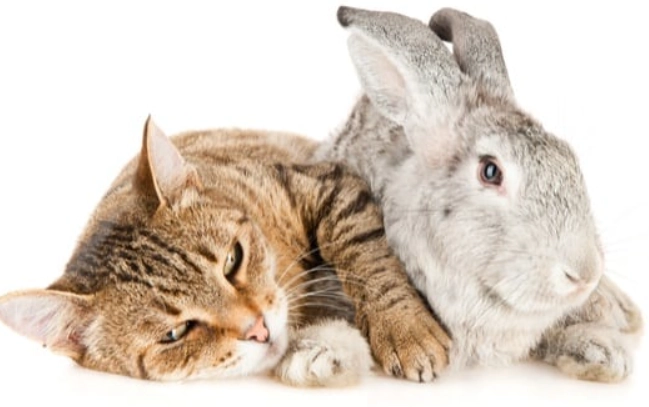
Breed gives you a general blueprint. It hints at temperament, common health issues, activity level, and maintenance needs. Of course, every animal is an individual. A normally placid breed can have a feisty member, and vice versa. But starting with an understanding of breed tendencies stacks the odds in your favor for a harmonious home.
What are you looking for? A chatty companion? A low-shedding pet for allergy sufferers? A gentle soul for young kids? Your answers will point you toward very different corners of the cat and rabbit breed universe.
Decoding Popular Cat Breeds: From Lap Cats to Acrobats
Let's start with cats. The spectrum is vast. You've got cats that act like dogs, cats that are living art pieces, and cats that are essentially fuzzy, purring hot water bottles. Here’s a breakdown of some common types you'll encounter.
The Affectionate & Social Felines
These breeds often form strong, dog-like bonds with their people. They follow you around, want to be involved in everything, and can be quite vocal.
- Maine Coon: The "gentle giant." Huge, fluffy, and famously good-natured. They're playful but not frantic, intelligent, and often get along well with other pets and kids. The downside? That glorious coat needs regular brushing to prevent mats, and they shed. A lot. I'm talking tumbleweeds of fur.
- Ragdoll: The name says it all. They are known for going completely limp when picked up. They are calm, sweet, and want to be near you. They're not great jumpers, preferring to stay at ground level. Perfect for a calm household, but their semi-long fur also requires consistent grooming.
- Siamese: The extroverts. They are incredibly smart, chatty (they'll have full conversations with you), and demand attention. They form intense bonds with one or two people. If left alone too much, they can get lonely and mischievous. Not the best choice if you want a quiet, independent cat.
The Independent & Low-Maintenance Crew
These cats are happy to entertain themselves, are less demanding of constant attention, and are often easier for first-time owners or busy people.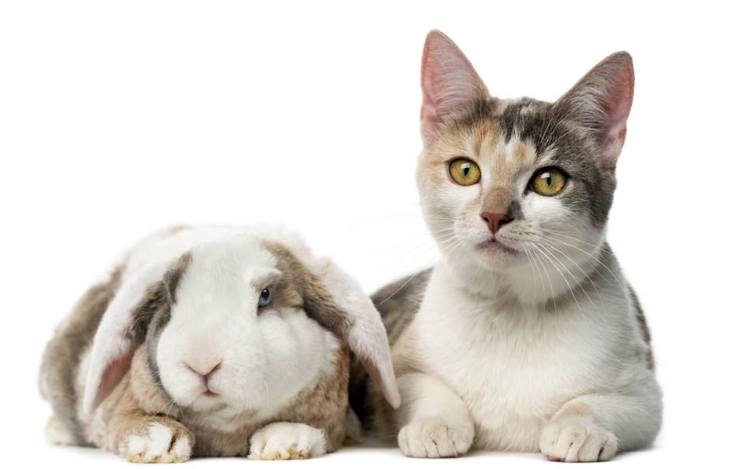
- British Shorthair: The quintessential "teddy bear" cat. Plush, round-faced, and famously easygoing. They are affectionate but not clingy, happy to just be in the same room as you. They have a dense, short coat that's relatively easy to care for. A solid, predictable choice.
- Russian Blue: Shy with strangers but deeply loyal to their family. They are elegant, quiet, and known for being relatively hypoallergenic (though no cat is 100% allergen-free). They are playful but not destructive and appreciate a predictable routine.
- American Shorthair: The working-class hero of the cat world. Healthy, adaptable, and good-natured. They are the classic "house cat"—good with families, other pets, and don't have any extreme traits. A fantastic all-rounder for almost any home.
But how do you easily compare them? Let's put some of the key decision factors in a table.
| Cat Breed | Energy Level | Grooming Needs | Best For | Potential Drawback |
|---|---|---|---|---|
| Maine Coon | Moderate to High | High (Daily brushing) | Families, multi-pet homes | Heavy shedding, size |
| Ragdoll | Low | Moderate (Brush 2-3x/week) | Quiet homes, lap cat lovers | Can be prone to matting |
| Siamese | Very High | Low (Short coat) | Active owners, someone home often | Very vocal, can be needy |
| British Shorthair | Low | Low (Weekly brush) | First-time owners, relaxed homes | Can gain weight easily |
| American Shorthair | Moderate | Low | Nearly everyone, families | Few, but can be "too normal" for some |
Understanding Rabbit Breeds: It's Not Just About Floppy Ears
Rabbits are a whole different ball game. They're prey animals, which fundamentally shapes their behavior. They can be wonderfully social and affectionate, but it's usually on their terms and requires patience to build trust. They're also not "low-maintenance" pets. They need spacious enclosures, a specific diet (mostly hay!), and many require a companion rabbit to be truly happy. The House Rabbit Society is an incredible resource that changed how I viewed rabbit care.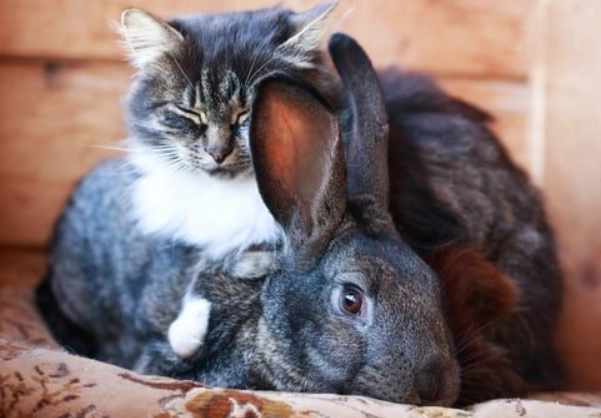
When exploring rabbit breeds, size and fur type are major factors. A giant breed needs a lot more space than a dwarf. A long-haired breed is a grooming commitment rivaling a Persian cat.
The Gentle Giants & Medium Breeds
These rabbits are often calmer due to their size and can be great for families with calm, respectful children.
- Flemish Giant: The mega rabbit. They can weigh over 15 pounds! Despite their size, they are often called "gentle giants" with docile personalities. They need a lot of space—think a whole room or a very large, custom pen. And they eat a correspondingly large amount of hay and greens.
- Rex: My personal favorite. Known for their unique, plush, velvety fur that stands upright. It's incredibly soft to the touch. Rex rabbits have a calm, friendly demeanor and are medium-sized. Their short coat is easy to care for. They're just solid, lovely pets.
- Dutch: The classic marked rabbit with the white blaze and "saddle." They are friendly, curious, and have a good balance of playfulness and calm. A popular and generally healthy breed that's a great introduction to rabbit ownership.
The Compact & Fluffy Crowd
Small doesn't always mean easy. Dwarf and fluffy breeds have their own specific needs.
- Netherland Dwarf: Tiny, round, and undeniably cute. However, their personality can be a bit... spicy. They are often more energetic and skittish than larger breeds. Not always the best for young kids who want to cuddle a lot, as they can startle easily. You need to be patient.
- Mini Lop/Holland Lop: The iconic floppy-eared bunnies. They are compact, sweet-natured, and one of the most popular breeds for a reason. They tend to be friendly and adaptable. Their lopped ears need checking for cleanliness.
- Angora: The high-maintenance superstar. Their wool is beautiful but grows continuously and must be groomed daily to prevent life-threatening mats. This is a hobbyist breed, not a casual pet. You'll be spinning that fur or finding a spinner to take it!
Here’s a quick comparison to help you visualize the rabbit breed landscape.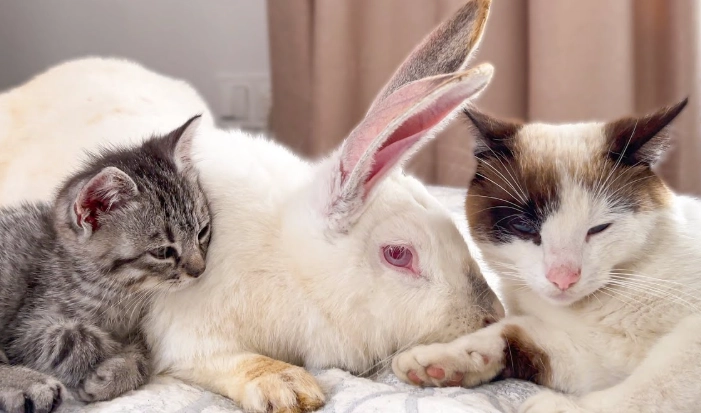
| Rabbit Breed | Size | Grooming Needs | Temperament | Special Considerations |
|---|---|---|---|---|
| Flemish Giant | Giant (13+ lbs) | Low (Short coat) | Calm, docile, gentle | Massive space & food requirements |
| Rex | Medium (7.5-10.5 lbs) | Very Low (Plush coat) | Calm, friendly, curious | Prone to sore hocks on hard surfaces |
| Dutch | Small/Medium (4-5.5 lbs) | Low | Friendly, playful, good-natured | A classic, reliable choice |
| Netherland Dwarf | Dwarf (2-2.5 lbs) | Low | Energetic, can be skittish | Not always cuddly, needs patience |
| Holland Lop | Small (2-4 lbs) | Low to Moderate | Sweet, friendly, adaptable | Check ears regularly, popular breed |
| Angora | Varies | Very High (Daily grooming) | Generally sweet | Grooming is non-negotiable, specialized pet |
Cat vs. Rabbit: The Lifestyle Showdown
This is the big question for many people. Let's break it down beyond just "cuddly vs. cuddly."
Independence: Cats generally win here. You can leave an adult cat alone for a workday with food, water, and a clean litter box. A single rabbit left alone all day in a hutch is a sad rabbit. They are social and need interaction, either from you or, ideally, a bonded rabbit friend.
Space & Setup: Cats need vertical space (cat trees, shelves) and horizontal play areas. They use a litter box, which is convenient. Rabbits need a large, secure pen or a rabbit-proofed room. They can be litter-trained in a box, but their primary habitat is larger. You can't just lock a rabbit in a small cage; it's cruel and leads to health/behavior problems.
Cost: Initial setup for a rabbit can be higher (large pen, hideouts, hay racks). Ongoing, a rabbit's diet of unlimited hay and fresh greens can be comparable to quality cat food. Vet care for both is essential, but finding an experienced "exotic" vet for rabbits can be harder and sometimes more expensive than a standard cat vet.
Interaction: Cats often show affection through sitting on you, purring, head-butting. Rabbits show trust by flopping down relaxed near you, grooming you (light licks), or doing joyful "binkies" (jumps and twists). Rabbit affection is quieter and more earned.
Destruction: Both can be destructive. Cats scratch furniture. Rabbits chew... everything. Baseboards, cords, furniture legs. Rabbit-proofing is a serious, ongoing task.
Your Decision Checklist: Matching a Breed to YOUR Life
Stop thinking about the cutest picture. Ask yourself these questions honestly.
- Time: How many hours a day are you home and able to interact/observe? (Rabbits, especially singles, need more dedicated social time).
- Space: Do you have room for a large rabbit pen or tall cat furniture? Is your home suitable for free-roaming either pet safely?
- Allergies: Does anyone in the home have allergies? Some cat and rabbit breeds are marketed as better, but spend time with the animal first. Rabbit allergies are often to the hay, not the rabbit itself.
- Household: Young children? Other pets? Some breeds are more tolerant than others. A nervous Netherland Dwarf and a toddler might be a bad mix.
- Budget: Can you afford regular vet care, quality food, grooming tools, and emergency funds for either?
- Activity Level: Are you active and want a playful companion, or do you prefer a calm pet that chills with you?
- Commitment: Cats can live 15-20 years. Rabbits live 8-12 years. This is a long-term commitment for any cat and rabbit breed.
Common Questions Answered (The Stuff You Actually Google)
Final Thoughts: Look Beyond the Breed Label
After all this talk about cat and rabbit breeds, here's the most important thing: meet the actual animal. If you're at a shelter, spend time with that specific cat or rabbit. Let their personality, not just their looks, speak to you. I've met "aloof" breed cats who were total lovebugs and "skittish" rabbits who hopped right into my lap.
Use breed as a guide, not a gospel. It sets expectations for grooming, energy, and general temperament. But the heart of pet ownership is the unique bond you build with an individual. Do your homework on the cat and rabbit breed that fits your life, then be open to the wonderful surprise of who they really are.
Whether it's a purring Maine Coon hogging your pillow or a Rex rabbit nudging your hand for pets, the right match brings years of joy. Just go in with your eyes open, your home prepared, and your heart ready. Good luck finding your perfect furry friend.
Reader Comments