What You’ll Find Here
- The Holland Lop Rabbit: A Profile
- The Good: Why Holland Lops Make Wonderful Companions
- The Challenges: The Realities of Holland Lop Ownership
- Daily and Long-Term Care: What You're Signing Up For
- The Real Cost of a Holland Lop Rabbit
- Making the Decision: Is a Holland Lop Right for YOU?
- Your Next Steps: Adoption vs. Breeder
- Common Questions New Owners Have
- Final Thoughts
Let's cut to the chase. You're probably looking at pictures of those adorable, floppy-eared bunnies with the smooshed faces and wondering, with all your heart, are Holland Lop rabbits good pets? The short answer is a resounding yes, but with a huge, flashing asterisk next to it. They can be fantastic companions, but they're not the simple, cuddly toys their appearance might suggest. I've cared for rabbits for years, and the Holland Lop is a breed that captures hearts instantly, but also one that demands a specific kind of commitment.
This isn't just a quick list of pros and cons. We're going to dig deep into what life is really like with a Holland Lop. We'll talk about their quirky personalities (they have big ones), the real costs (both time and money), the common health headaches, and the moments of pure joy that make it all worth it. By the end, you'll know not just if they are good pets, but if they are the right pet for you and your home.
The Bottom Line Up Front: Holland Lops are intelligent, social, and charming pets that thrive on interaction and a proper environment. They are not low-maintenance. They require daily care, a specific diet, regular vet visits (to a rabbit-savvy vet!), and a safe, spacious home. They are perfect for quiet households, patient owners, and families with gentle older children. They are a terrible fit for anyone wanting a cage-bound pet that requires little attention.
The Holland Lop Rabbit: A Profile
Before we get into the nitty-gritty of care, let's meet the breed. The Holland Lop is a dwarf rabbit breed, typically weighing between 2 to 4 pounds. They're the product of careful breeding, mixing French Lop and Netherland Dwarf rabbits to create that iconic compact body and lopped ears. They were officially recognized by the American Rabbit Breeders Association (ARBA) in 1979 and have been winning shows and stealing hearts ever since.
Their look is their signature. A broad, rounded head, a short, thick body they sometimes struggle to keep off the ground, and those lovely ears that frame their face. Coat types can vary from a normal rollback coat to a plush, wooly one in the case of the "Holland Lop Wooly" variety. Colors? Oh, there are dozens. From solid blacks and blues to broken patterns (white with colored patches), otters, and sables. Picking one based on color is half the fun.
But remember, you're choosing a personality, not a decoration. And personality in Holland Lops runs the gamut.
The Good: Why Holland Lops Make Wonderful Companions
Let's start with the sunshine. Why do people absolutely adore these little creatures? The reasons are compelling.
Their Personality is Larger Than Their Size
Forget the stereotype of the timid, skittish rabbit. A well-socialized Holland Lop is often bold, curious, and full of character. They can be clowns, racing around your feet in a sudden burst of energy (a "binky," which is a jump and twist in the air signaling pure joy). They can be affectionate, nudging your hand for pets or gently resting their chin on your foot. Many owners describe them as "puppy-like" in their social behaviors. They form strong bonds with their human families and can even learn their names and simple commands.
I remember my first Holland Lop, Mochi. He had this habit of rearranging the rug in his play area every single evening. It wasn't destruction; it was interior design, rabbit-style. He'd grab a corner in his teeth, tug, pat it down with his paws, and look immensely pleased with himself. That kind of individual quirk is what makes them so endearing.
Generally Quiet and Adaptable to Indoor Living
This is a massive plus for apartment dwellers or people in shared housing. Holland Lops are quiet. They don't bark, meow, or squawk. The loudest noise you'll typically hear is the satisfying *thump* of their hind legs (a warning or displeasure signal) or the quiet grinding of their teeth when they're supremely content (purring). Their compact size means they don't need a backyard. A properly set-up indoor enclosure, with plenty of supervised or safely secured free-roam time, is perfect. They can be perfectly happy in a calm household.
A Quick Thought: Their quiet nature is a double-edged sword. It also means they can't cry out in pain. You have to be an observant owner, watching for subtle changes in behavior, eating, or bathroom habits that signal something is wrong.
Intelligent and Trainable
Yes, you can train a rabbit! Holland Lops are smart enough to be litter-trained, which is a game-changer for indoor living. Most will naturally pick a corner of their space to use as a bathroom. Put a litter box there (with rabbit-safe litter like paper pellets), and you're most of the way there. They can also learn to come when called, navigate simple agility courses, and even push a ball for a treat. This intelligence makes interaction rewarding. It's not a one-way relationship; you're engaging with a thinking, learning creature.
So, with all this glowing praise, you might be thinking the question "are Holland Lop rabbits good pets?" is a no-brainer. Hold on. Let's flip the coin.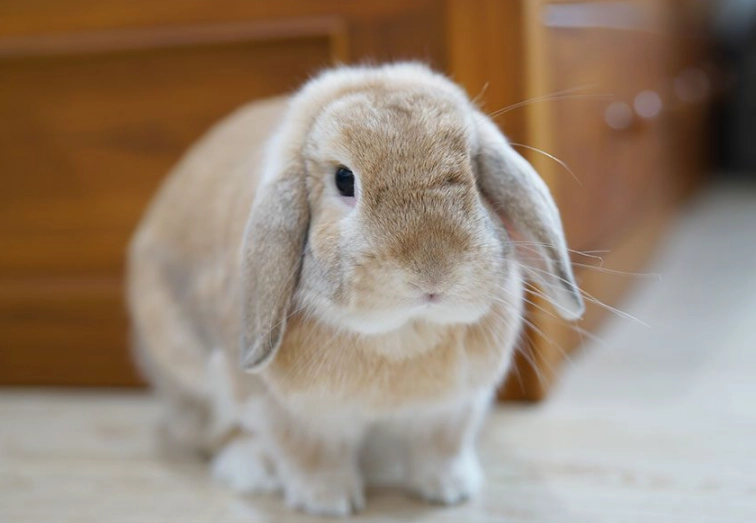
The Challenges: The Realities of Holland Lop Ownership
This is the part many breeders and enthusiastic sites gloss over. It's not all floppy ears and binkies. To be a good owner, you need to go in with your eyes wide open to the demands.
Fragile Health and Specialized Veterinary Care
This is the biggest, most important challenge. Rabbits have delicate digestive systems. A condition called GI Stasis, where their gut slows down or stops, is a common and life-threatening emergency. It can be caused by stress, pain, a poor diet, or even hairballs. You need to be vigilant.
Then there are their teeth. A rabbit's teeth never stop growing. If their diet isn't right (needing lots of hay to grind them down) or if they have a congenital misalignment (malocclusion, somewhat common in dwarf breeds), they can develop painful, overgrown teeth that require regular filing by a vet.
And speaking of vets, not all veterinarians treat "exotics" like rabbits. You must find a rabbit-savvy vet before you get your bunny. Regular check-ups are essential, and emergency care is expensive. Spaying or neutering (which is absolutely critical for health and behavioral reasons) can cost several hundred dollars. Organizations like the House Rabbit Society have great resources on finding a good vet and understanding rabbit health.
Let's be blunt: The dwarfing gene that gives the Holland Lop its cute, compact size can also be linked to some health issues, like dental problems and a higher risk of congenital defects. Choosing a responsible breeder who prioritizes health over extreme physical traits is crucial.
Destructive Chewing and Need for Supervision
A rabbit's instinct is to chew. Baseboards, electrical cords, chair legs, books, charging cables—if it's there and made of wood or plastic, they will likely sample it. This isn't them being "bad"; it's natural behavior to wear down their teeth and explore. Rabbit-proofing your home is a non-negotiable, ongoing task. You must provide a wealth of approved chewing alternatives: applewood sticks, willow balls, cardboard castles. Free-roam time cannot be unsupervised until you are 100% confident in your proofing (and even then, things happen).
Long-Term Commitment and Social Needs
A Holland Lop's lifespan is typically 7 to 12 years, sometimes longer. That's a decade-long commitment. They are also profoundly social animals. In the wild, they live in complex warrens. A solitary rabbit is often a lonely, bored, and depressed rabbit. The absolute best setup for their well-being is a bonded pair of neutered/spayed rabbits. They groom each other, sleep together, and keep each other company. If you get a single rabbit, you become its bonded mate, which means you need to dedicate significant time daily to interaction. Leaving a rabbit alone in a cage for 8-10 hours a day while you work is not fair to the animal.
So, we have the highs and the lows. The cuddles and the chewed charger. The joyful binky and the anxious trip to the vet. The question remains: is the balance right for you?
Daily and Long-Term Care: What You're Signing Up For
Let's break down the actual work. This is the practical checklist that answers "what does it really take?"
Diet: It's All About the Hay
About 80-90% of a rabbit's diet should be unlimited, high-quality grass hay (Timothy, Orchard, Meadow). This keeps their gut moving and their teeth ground down. Fresh, dark leafy greens (romaine, kale, cilantro) come daily. A very small, measured amount of high-fiber pellets (about 1/4 cup per 5 lbs of body weight). Treats like a tiny piece of fruit or a carrot are just that—rare treats. Fresh water, always, in both a bowl and a bottle. The Rabbit Welfare Association & Fund (RWAF) has excellent, detailed dietary guides.
Housing: Space is King
Forget the tiny pet store cages. A proper enclosure is a large exercise pen (x-pen) or a customized cage that is at minimum 4 feet by 2 feet, but bigger is always better. It needs space for a litter box, a hay rack, a water source, a hidey-house (for security), and still room to hop around. This enclosure is their safe base, but it is not their whole world. They need several hours of safe, supervised exercise time outside of it every single day.
Grooming and Maintenance
Holland Lops need regular nail trims (every 4-6 weeks). Their ears should be checked weekly for wax buildup. Their scent glands (near their bottom) may need occasional cleaning. Most importantly, they shed, and they need brushing—especially during heavy seasonal sheds—to prevent them from ingesting too much fur, which can cause blockages. A bonded pair will groom each other, reducing this burden somewhat.
Enrichment: Fighting Boredom
A bored rabbit is a destructive rabbit. You need to provide mental stimulation. This means rotating toys, creating foraging opportunities (hiding greens in a cardboard tube stuffed with hay), building tunnels and castles out of cardboard boxes, and teaching them new tricks. Interaction is key.
Now, let's talk numbers. Because the dream needs to fit the budget.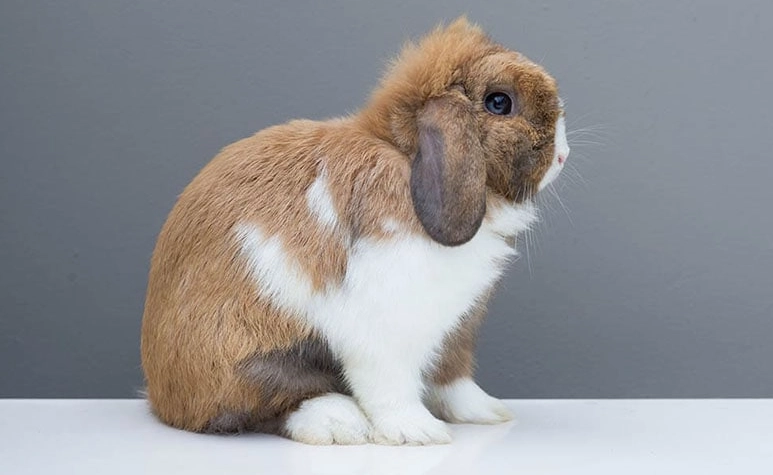
The Real Cost of a Holland Lop Rabbit
Here’s a realistic breakdown. These are estimates, and costs vary wildly by region.
| Expense Category | Initial/One-Time Cost | Ongoing Monthly Cost |
|---|---|---|
| Rabbit Itself | $40 - $100 (rescue) / $50 - $250+ (breeder) | - |
| Spay/Neuter Surgery | $250 - $500+ | - |
| Proper Enclosure & Setup | $150 - $400 | - |
| High-Quality Hay | - | $30 - $60 |
| Fresh Greens & Pellets | - | $20 - $40 |
| Litter & Bedding | - | $15 - $25 |
| Toys & Enrichment | $50 (initial stock) | $10 - $20 |
| Annual Vet Check-up | - | ~$15-30/month (averaged) |
| Emergency Fund | CRITICAL: $500+ saved | - |
See that emergency fund line? That's not optional. When a rabbit gets sick, it's often sudden and serious. An overnight stay at an emergency vet for GI stasis can easily run over $1,000. You must be financially prepared for that possibility.
I'll be honest, the first time I saw a vet bill for one of my rabbits, my jaw dropped. It was more than I'd ever spent on my cat in a single visit. But knowing I had a fund set aside removed the panic from an already stressful situation. It let me focus on my pet's care, not the cost.
Making the Decision: Is a Holland Lop Right for YOU?
Let's synthesize everything. Here’s a quick checklist to run through.
A Holland Lop is likely a GREAT fit if you:
- Want an interactive, intelligent indoor pet.
- Live in a quiet apartment or home.
- Have a predictable daily schedule and can dedicate 2-3+ hours to interaction/care.
- Are patient and observant, willing to learn rabbit body language.
- Have the financial means for setup, ongoing costs, and emergency vet care.
- Are willing to rabbit-proof your living space thoroughly.
- Are considering adopting a bonded pair or committing deeply to a single rabbit.
- Have gentle older children (10+) who understand how to interact calmly.
A Holland Lop is probably a POOR fit if you:
- Want a low-maintenance, hands-off pet that stays in a cage.
- Have very young children who might be loud or grabby.
- Have free-roaming predatory pets (like some dogs or cats) that can't be safely managed.
- Are away from home for very long, irregular hours.
- Are on a very tight budget, especially for unexpected medical bills.
- Are not willing to deal with chewing on your possessions.
- Want a cuddly lap pet that will always enjoy being held (many rabbits tolerate it at best).

Your Next Steps: Adoption vs. Breeder
If you've read this far and are still nodding along, fantastic! Your next decision is where to get your rabbit. Please, please consider adoption first. Animal shelters and rabbit-specific rescues are often overflowing with wonderful rabbits, including purebred Holland Lops and mixes, who are desperate for a second chance. An adopted rabbit is often already spayed/neutered, litter-trained, and their personality is known. You are literally saving a life. Search for "[Your City] rabbit rescue" or check Petfinder.com.
If you choose a breeder, do your homework. A responsible breeder will:
- Welcome you to visit their facility and meet the parent rabbits.
- Ask you as many questions as you ask them.
- Provide health records and pedigree information.
- Keep kits with their mother until at least 8 weeks old.
- Breed for health and temperament first, not just show looks.
- Be knowledgeable about the breed's potential issues.
Avoid pet stores and backyard breeders. The rabbits often come from poor conditions and are more prone to health and behavioral problems.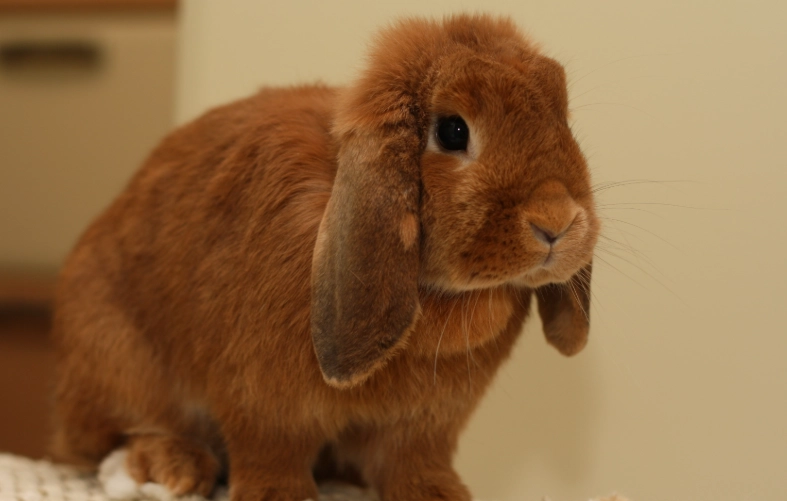
Common Questions New Owners Have
Can Holland Lops live with other pets?
It depends heavily on the other pet. They should NEVER be housed with guinea pigs (different dietary needs, risk of injury). They can sometimes bond with calm, rabbit-savvy cats or dogs, but introductions must be incredibly slow, supervised, and the rabbit must always have a safe retreat. Never leave them unsupervised together. The safest companion for a rabbit is another neutered/spayed rabbit.
How much exercise do they need?
A minimum of 3-4 hours of supervised out-of-enclosure time daily is the general recommendation. More is better. This is non-negotiable for their physical and mental health.
Are they easy to train?
Litter training is usually straightforward. Other tricks require patience and positive reinforcement (treats!). They are smart but also stubborn. They work for rewards, not for praise.
Do Holland Lop rabbits smell bad?
No! Rabbits are very clean animals. A healthy rabbit, kept on a proper diet, with a clean litter box changed regularly, has virtually no odor. Any strong smell is usually a sign of a dirty environment, a poor diet, or a medical issue (like urine sludge).
What's the biggest mistake new owners make?
Two tied for first: 1) Assuming they are simple, cheap, low-maintenance pets, and 2) Not finding a rabbit-experienced veterinarian before an emergency happens. Getting the diet wrong (not enough hay, too many pellets/treats) is a close third.
Final Thoughts
So, circling back to the core question one last time: are Holland Lop rabbits good pets?
For the right person, in the right situation, they are exceptional pets. They offer a unique kind of companionship—quiet, intelligent, funny, and deeply rewarding. The bond you form with a rabbit is earned through patience and understanding, not demanded, which makes it feel special.
But they are a serious commitment. They are not starter pets. They are fragile, expensive, and demand your time and attention for many years.
My advice? If you're enchanted by the idea, do more research. Read the care guides on the House Rabbit Society website. Maybe even volunteer at a local rabbit rescue to get some hands-on experience. See the reality of their care and their personalities up close.
If, after all that, you're still excited and prepared, then welcome. The world of rabbit ownership is filled with floppy ears, gentle nudges, and the quiet joy of sharing your home with a wonderful, hoppy little creature. You'll never look at a piece of baseboard or a hay bale the same way again, and you'll be richer for it.
Reader Comments