In This Guide
So you're wondering, are rabbits herbivores? It seems like a simple yes-or-no question, right? I mean, everyone knows Bugs Bunny loves carrots. But here's the thing – after years of keeping rabbits and diving into the research, I've learned that a simple "yes" doesn't even begin to cover it. Calling a rabbit a herbivore is like calling a car a vehicle. Technically true, but it misses all the fascinating, crucial details about what makes it run properly (and what can make it break down).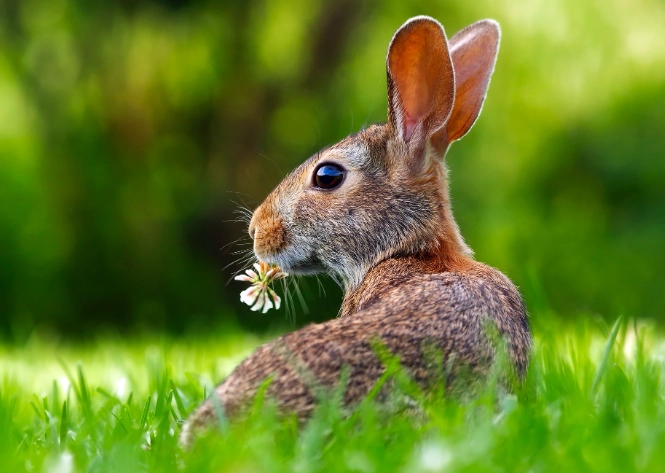
The short, textbook answer is a definitive yes. Rabbits are obligate herbivores. Their entire digestive system, from their constantly growing teeth to their unique hindgut fermentation chamber (the cecum), is engineered by evolution to process plant matter and only plant matter. They lack the physical and enzymatic tools to digest meat or animal products. Feeding a rabbit anything from an animal source isn't just unhealthy; it can be downright dangerous.
But that's where the simple part ends.
Where most articles stop, ours begins. Because knowing that they are herbivores is one thing. Knowing exactly what that means for their daily diet, their health, and their happiness is everything. I've seen too many well-meaning owners make critical mistakes based on cartoons and oversimplified advice. So let's get into the weeds – literally and figuratively – of what it truly means for a rabbit to be a herbivore.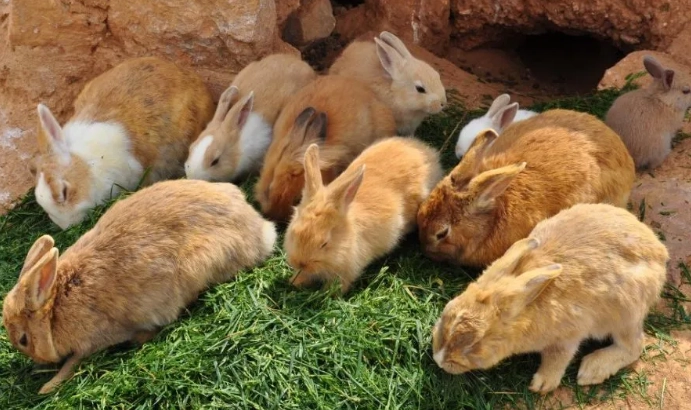
The Core of a Herbivore: A Rabbit's Digestive Blueprint
To understand why the question "are rabbits herbivores" is so important, you need a quick tour of their internal plumbing. It's a masterpiece of evolutionary design for breaking down tough cellulose, the main component of plant cell walls.
Their teeth are another giveaway. Those big front incisors? They grow continuously, about 2-3 millimeters per week. In the wild, chewing on coarse grasses and bark wears them down perfectly. In our homes, if we don't provide the right roughage, those teeth can overgrow, causing painful malocclusion, abscesses, and an inability to eat. It's a horrible way for a rabbit to suffer, and it's almost entirely preventable with the correct herbivore diet.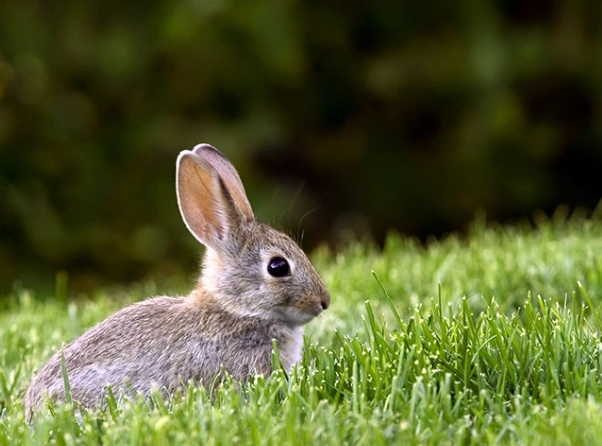
This brings us to the single most important point anyone caring for a rabbit needs to internalize.
Hay is Not Food. Hay is LIFE.
If you remember one thing from this entire article, let it be this: Unlimited, high-quality grass hay is the absolute, non-negotiable foundation of a healthy rabbit's diet. It should constitute about 80-90% of what they eat. Not pellets. Not vegetables. Certainly not those colorful, sugary treats from the pet store. Hay.
Why is it so critical? Let me count the ways. First, the constant chewing provides the necessary abrasion to grind down those ever-growing teeth. Second, the long strands of fiber are essential for keeping their complex gastrointestinal tract moving. Rabbits can't vomit. If their gut slows down or stops (a condition called GI stasis, which is often fatal), it's frequently linked to a lack of dietary fiber. Third, the fiber ferments in the cecum, promoting the growth of healthy gut bacteria.
I made the mistake early on of thinking pellets were the main event. My first rabbit, Thumper, started having softer stools and seemed less interested in his hay. The vet asked about his diet, and when I proudly listed his premium pellets, she just sighed. "The pellets are the supplement," she said. "The hay is the meal." We cut back his pellets drastically, offered a variety of hays (Timothy, Orchard, Oat), and within days he was a different bunny – more active, brighter-eyed, and producing perfect poops. It was a lesson learned the hard way.
Building the Perfect Herbivore Plate: Beyond Just Hay
Okay, so hay is the bedrock. But a rabbit's diet isn't a one-ingredient show. Think of it like building a plate: a huge pile of hay, a side of fresh greens, a tiny sprinkle of pellets, and an even tinier dessert of fruit. Getting the proportions right is where many owners stumble.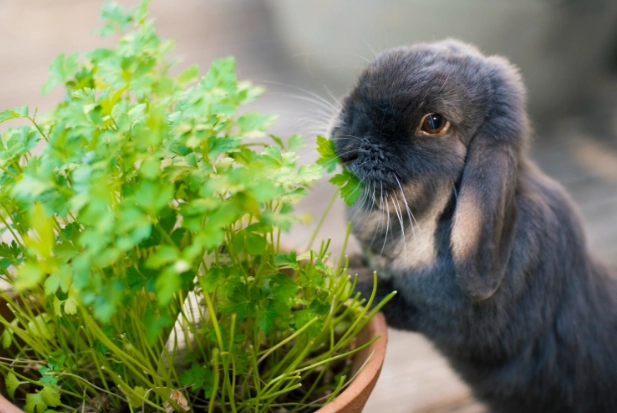
| Food Category | Primary Role | Recommended Daily Amount | Top Picks & Notes |
|---|---|---|---|
| Grass Hay (Timothy, Orchard, Meadow, Oat) | Primary food source. Essential for dental, digestive, and mental health. | UNLIMITED. Always available. | Timothy is the gold standard for adults. Alfalfa hay is too rich in calcium/protein for adults but good for young kits. |
| Fresh Leafy Greens | Provides moisture, vitamins, minerals, and variety. | About 1 packed cup per 2 lbs of body weight. | Romaine, green/red leaf lettuce, cilantro, parsley, dandelion greens, kale (in rotation). Introduce new greens slowly. |
| High-Quality Pellets | Concentrated source of vitamins/minerals; a supplement, not a staple. | Very limited. 1/4 cup per 5 lbs body weight max. | Look for plain, green pellets high in fiber (>18%), low in protein ( |
| Treats (Fruits, Non-Leafy Veg) | Enrichment and bonding. High in sugar. | Extremely limited. 1-2 tbsp total per day. | Blueberries, apple slice (no seeds), strawberry top, banana sliver, carrot slice. Think "a taste," not a helping. |
| Fresh Water | Critical for all bodily functions. | UNLIMITED. Always available. | Provide in a heavy ceramic bowl. Bottles are often insufficient. Change water daily. |
Looking at that table, the biggest shift for most people is the tiny role of pellets. The commercial pet industry has done a number on us, making us think a bowl of processed kibble is a complete diet. For a true herbivore like a rabbit, nothing could be further from the truth. Pellets were originally developed for commercial meat rabbits to fatten them up quickly – not a goal for our pet companions. Overfeeding pellets is a direct, fast track to obesity, dental problems, and a disinterest in the hay they desperately need.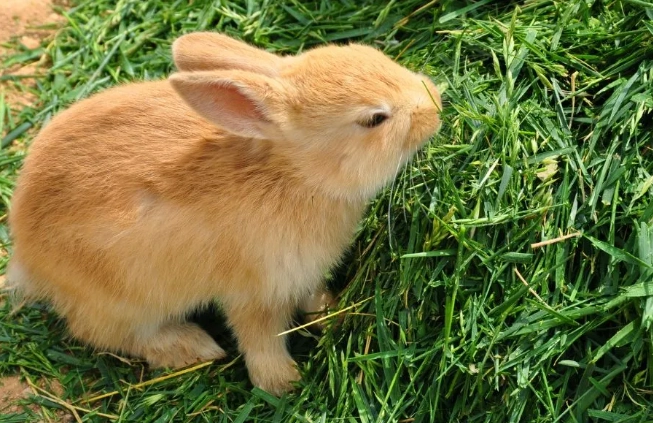
Common Mistakes When Feeding Herbivore Rabbits
Let's be honest – we've all made a few. I know I have. Here's a list of pitfalls to avoid, compiled from vet advice, my own blunders, and rabbit rescue forums.
- The "Lettuce-Only" Salad: Iceberg lettuce has little nutritional value and contains lactucarium, which can cause digestive upset in some rabbits. Romaine or dark leaf lettuces are much better choices.
- Overdoing the "Sweet" Veggies: Corn, peas, potatoes, and beans are starchy and difficult for rabbits to digest. They can cause serious GI issues. Stick to leafy greens.
- Assuming "Natural" is Safe: Many common garden plants and houseplants are toxic to rabbits. This includes lilies, azalea, ivy, foxglove, and the pits/seeds of apples, peaches, and apricots (which contain cyanide). The House Rabbit Society maintains a comprehensive list of safe and toxic plants.
- Neglecting Water: A bowl is better than a bottle. Bowls allow for a more natural drinking posture and greater intake. Dehydration is a major contributor to GI stasis.
- Sudden Diet Changes: A rabbit's gut flora is delicate. Any new food – even a new type of hay or green – should be introduced over 7-10 days, starting with a tiny amount and gradually increasing.
I learned the last one painfully. I once bought a beautiful bunch of a new green (it was bok choy) and gave Thumper a big handful. The next day, he was lethargic and his poops were tiny and misshapen. A frantic call to the vet and some critical care formula later, he recovered. But it scared me. Their systems are sensitive. Go slow.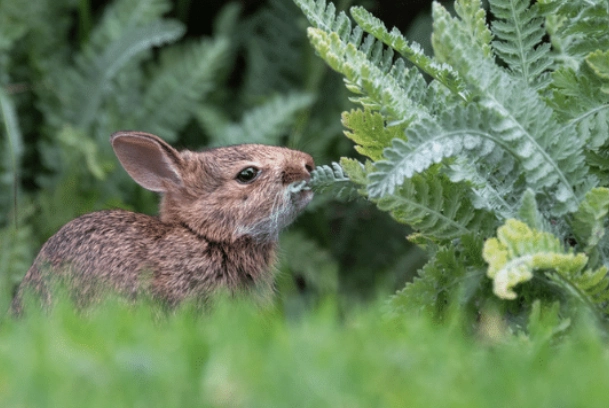
Answering Your Rabbit Herbivore Questions
This is where we tackle the stuff you're probably typing into Google after the main question. These are the real, practical concerns that pop up.
Can rabbits eat grass from my yard?
Yes, absolutely – but with massive caveats. It must be untreated. No chemical fertilizers, herbicides, or pesticides. You must be 100% certain of this. Also, ensure no toxic plants are mixed in, and avoid grass from areas frequented by dogs or other animals (parasite risk). If in doubt, don't risk it. Offering pesticide-free, hand-picked dandelion greens and clover is a safer bet.
Do rabbits need protein if they are herbivores?
They do need protein for growth and repair, but they get it from plant sources. Young, growing rabbits and pregnant/nursing does need higher protein (which is why alfalfa hay and pellets are recommended for them). Adult rabbits get sufficient protein from their hay, greens, and the cecotropes they recycle. Adding animal protein is harmful.
How does a herbivore diet change with age?
- Baby Kits (0-3 months): Mother's milk, alfalfa hay, and alfalfa-based pellets. Introduce greens very slowly after 3 months.
- Juveniles (3-6 months): Unlimited alfalfa hay, start introducing Timothy hay. Reduce alfalfa pellets, introduce Timothy-based pellets. Introduce leafy greens one at a time.
- Young Adults (7 months - 1 year): Transition fully to Timothy/grass hay. Switch to Timothy-based adult pellets. Increase variety of greens.
- Adults (1-5 years): The standard diet: unlimited grass hay, measured greens, limited pellets, rare treats.
- Seniors (6+ years): May need easier-to-chew hay (softer 2nd cut Timothy or Orchard). Monitor weight; may need slight pellet adjustment if losing weight. Continue greens, ensure easy access to water.
What are the signs of a poor herbivore diet?
Watch for these red flags: overgrown teeth, weight gain or loss, small/misshapen/soft droppings, a decrease in normal cecotrope consumption (you might see them stuck to the fur), lethargy, and a lack of interest in hay. GI stasis, where the gut slows or stops, is an emergency. Symptoms include no fecal output, hunched posture, teeth grinding (a sign of pain), and refusal to eat or drink.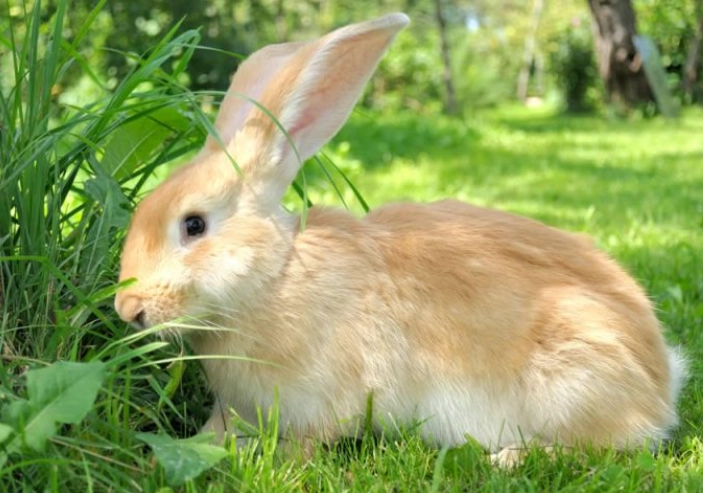
Putting It All Together: A Sample Daily Menu
Let's make this concrete. For a healthy, 5-pound adult rabbit named Clover:
Morning: Refresh the unlimited Timothy hay rack (shake it up to make it inviting). Offer about 1.5 cups of fresh leafy greens (e.g., a mix of romaine lettuce, cilantro, and a dandelion leaf). Scatter a tablespoon of her daily 1/4 cup pellet allowance in her hay or in a puzzle toy to encourage foraging.
Evening: Check hay levels – top up if low. Offer another 1.5 cups of a different mix of greens (e.g., green leaf lettuce and parsley). Give the remaining pellets. Once or twice a week, as a treat after a nail trim or just because, offer a blueberry or a thin slice of apple.
Constant: A large, heavy ceramic bowl of fresh, clean water.
It's simple, but it works.
So, are rabbits herbivores? Unequivocally, yes. But understanding the profound implications of that fact – the central, life-sustaining role of hay, the careful balance of greens, the minimal need for pellets, and the dangers of sugary treats – is what separates a rabbit who merely survives from a rabbit who thrives. It's a commitment to providing a diet that respects their intricate biology. It's not always as convenient as pouring a bowl of kibble, but watching your rabbit happily munch on a pile of hay, vibrant and healthy, makes it worth every bit of effort.
Their well-being literally depends on us getting this right. And now, you have the map to do just that.
Reader Comments