Quick Guide
- Why Is Picking Up a Rabbit Such a Big Deal?
- Reading Your Rabbit: The Body Language Bible
- The Foundation: Building Trust on the Ground
- The Step-by-Step Guide: How to Pick Up a Bunny Rabbit Safely
- What NOT to Do: Common Handling Mistakes
- Special Situations and Tricky Bunnies
- Putting Them Down: The Forgotten Skill
- Your Questions, Answered
- Wrapping It All Up
Let's be honest. The first time you try to pick up a bunny rabbit, it feels like you're trying to grab a cloud made of nerves and lightning. One wrong move and—zoom!—they're gone, maybe with a disapproving thump for good measure. I learned this the hard way with my first rabbit, Mochi. I went in like I was picking up a cat, and let's just say our relationship needed some repair work afterwards.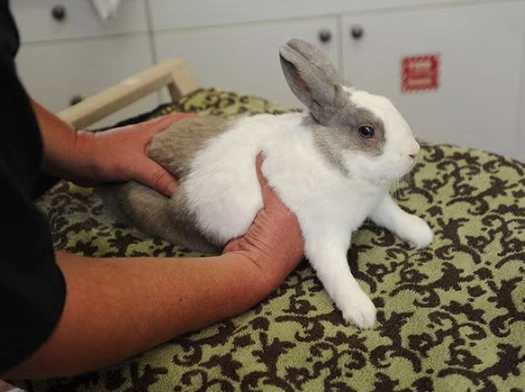
Most people get it wrong because they treat rabbits like other pets. They're not. They're prey animals. Their entire wiring is different. Being lifted off the ground triggers a deep, primal fear—it's what happens right before a hawk carries them off. So learning how to pick up a bunny rabbit isn't just about technique; it's about psychology, trust, and speaking their language.
This isn't a quick tip guide. It's the full picture. We'll go from why they hate it (it's crucial to understand), to reading their subtle "back off" signals, to the actual step-by-step lift, and what to do if it all goes sideways. Because sometimes it does, and that's okay.
The One Rule to Never Break
Never, ever pick up a rabbit by its ears. I shouldn't even have to say this, but you'd be surprised how often that old cartoon image persists. It's painful, terrifying, and can cause serious injury. It's the absolute worst way you could possibly try to handle them. Just don't.
Why Is Picking Up a Rabbit Such a Big Deal?
You can't do this right if you don't understand the "why." Imagine you're walking down the street and a giant, fifty-foot-tall being suddenly swoops down, wraps its hands around you, and lifts you into the sky. You'd panic, right? You'd kick, scream, and try anything to get free. That's exactly what picking up a bunny rabbit feels like to them if it's done poorly.
Their spine is also surprisingly delicate. Unlike cats, they aren't built for twisting or struggling in mid-air. A bad fall or a sudden, powerful kick while being held can lead to a broken back. That's the worst-case scenario, and it's why safe handling is non-negotiable.
But here's the good news: it doesn't have to be traumatic. With patience, you can turn being picked up from a terrifying event into a neutral, or even mildly positive, part of their routine (like for health checks). The goal isn't to make them love it—most never will—but to make it safe and stress-free.
Reading Your Rabbit: The Body Language Bible
Before your hands even get near them, you need to read the room. Is your rabbit in the mood to be approached, or are you about to interrupt a serious loafing session? Their body tells you everything.
Green Lights (It's probably okay to approach):
- Curious Pose: Ears up and forward, nose twitching, body relaxed but alert. They might hop a little closer to investigate you.
- Flopped or Loafing: A bunny sprawled on its side or looking like a furry loaf of bread is the ultimate sign of contentment. They feel safe. Approach gently, don't startle them from this state.
- Coming to You: If they hop over and nudge your hand or foot, they're engaging. This is a great starting point.
Red Lights (Back off, try again later):
- Hunched and Tense: Body is low to the ground, ears flat back against the body (not just relaxed to the sides). This is "scared prey animal" mode.
- Turning and Running: They see you coming with a purpose and hop away. Don't chase. You've just lost this round.
- Thumping: That loud hind-leg thump is an alarm signal. It can mean "I'm annoyed" or "I'm scared." Either way, not a good time to practice how to pick up a bunny rabbit.
- Grunting or Growling: Yes, some rabbits growl! It's a low, guttural sound. This is a clear "do not touch" warning. Heed it.
Ignoring these red lights is the fastest way to destroy trust. It tells them you don't respect their communication. Sometimes the most skilled thing you can do is decide not to pick them up at all.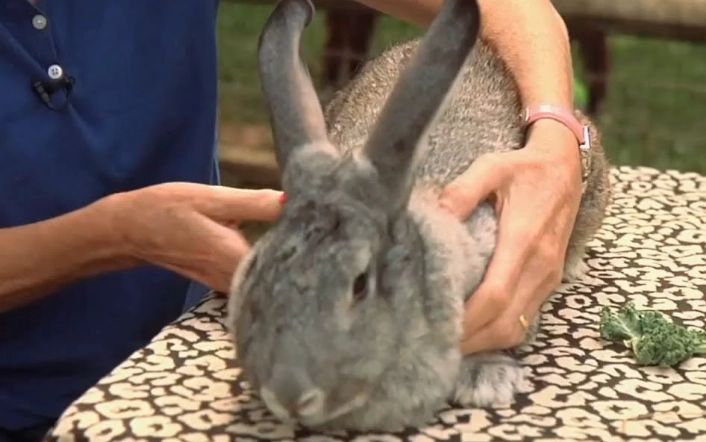
The Foundation: Building Trust on the Ground
You wouldn't propose on a first date. Don't try to pick up a rabbit you barely know. Spend weeks just being a friendly, non-threatening presence on the floor.
Sit in their space and let them come to you. Offer tiny treats (like a bit of parsley or a pellet) from your hand. Pet them gently on the forehead and cheeks—most love that. Get them used to your hands moving around them without grabbing. This process is boring but irreplaceable. It changes you from a predator-shaped object into a familiar, treat-dispensing friend.
A Game-Changer Tip
Associate your hands with good things before the lift. Gently place one hand on their back for a second while they're eating a treat, then remove it. Do this over days. You're teaching them: "Hand on my back = something good happens, and it ends quickly." This de-sensitizes them to the first critical step of the pickup.
The Step-by-Step Guide: How to Pick Up a Bunny Rabbit Safely
Okay. You've read the signs. The bunny is calm. You've built some trust. Now for the actual mechanics. This method, often called the "football hold" or secure cradle, supports their entire body and prevents kicking.
Step 1: The Calm Approach
Get down to their level. Don't loom over them. Talk in a soft, calm voice. Let them see and sniff your hands first. I often say something silly like "Okay, Mochi, up we go" in the same tone every time. It becomes a cue.
Step 2: The Secure Scoop
This is the crucial part. Slide one hand under their chest, between their front legs. Your fingers should curl gently around one side of their ribcage, your thumb around the other. Don't squeeze. This anchors their front half.
Simultaneously is the key word here.
At the exact same time, slide your other hand under their hindquarters. Your palm should fully support their bottom and back legs. This is non-negotiable. An unsupported bottom makes them feel like they're falling, triggering a panic kick.
Step 3: The Lift and Tuck
Lift smoothly and slowly, bringing them immediately close to your body. Tuck their head slightly under your elbow or against your chest. This dark, enclosed feeling is actually security for them. Keep their body horizontal or with their bottom slightly higher than their head—this further discourages kicking. Hold them firmly but gently. A loose hold is scary; they feel insecure.
Your grip should be like cradling a priceless, fragile football with a heartbeat.
Why This Method Works
It mimics the feeling of being in a burrow: supported on all sides, close, and secure. It prevents the hind-leg kick by fully supporting the weight of the back end. The control of the front end guides them and prevents them from lunging forward. This is the gold standard for learning how to pick up a bunny rabbit for a reason.
What NOT to Do: Common Handling Mistakes
Let's look at the bad moves, because sometimes seeing the wrong way makes the right way click. I've made a few of these myself, early on.
| Mistake | Why It's Bad | The Better Alternative |
|---|---|---|
| Scruffing (grabbing loose neck skin) | Rabbits are not cats. Their neck skin isn't meant for carrying. It can hurt them and doesn't control their powerful back legs at all. | Always use the two-handed scoop method described above. |
| Lifting by the Underarms | Their legs dangle, they feel completely unsupported, and their spine is in a stressful, vertical position. Guaranteed to cause kicking and panic. | Full body support, always. Bottom must be in your hand. |
| Chasing & Cornering | Teaches your rabbit that you are a predator. Destroys trust and makes future handling attempts ten times harder. | Lure them with a treat or wait for a calm moment. If they run, let it go. |
| Holding on Too Long | Even a perfectly executed hold is stressful. Holding them for minutes while you wander around increases anxiety. | Have a purpose (moving them, health check). Keep it brief. Return them to a safe space gently. |
Special Situations and Tricky Bunnies
Not all rabbits read the manual. Some are squirmy, some are big, some are absolute experts at avoiding hands.
For the Wiggly or Nervous Bunny
The "Bunny Burrito" can be a lifesaver. It's not for cuddles, but for essential things like nail trims or medication. You gently wrap them in a small towel or blanket, leaving only the part you need to access exposed. It provides immense security and prevents scratching. The House Rabbit Society, a fantastic authority on rabbit care, has great visual guides on this technique on their website (rabbit.org).
For Large or Giant Breeds
Your technique is the same, but logistics change. You might need to lift them while you're kneeling, then stand up once they're secure against you. Supporting their weight is critical—a dropped Flemish Giant is a disaster. Sometimes, for very large rabbits, it's safer to lure them into a carrier for transport rather than carrying them long distances.
For the Rabbit Who Absolutely Hates It
Some rabbits, often due to past trauma or just personality, may never accept being lifted. That's okay. Your goal shifts to minimizing the need. Train them to hop into a carrier on command using treats. Do health checks on the floor. Respect their boundaries. Forcing it will only make things worse and is unfair to the animal.
Putting Them Down: The Forgotten Skill
How you end the hold is as important as how you start it. Never just plop them down from a height. Lower yourself close to the ground. Gently place their back feet on the floor first, while still supporting their front. Then slide your hand out from under their chest. Let them hop away from you. This controlled release prevents a panicked leap and potential injury.
Always end with a small treat. You want the final memory of the event to be positive.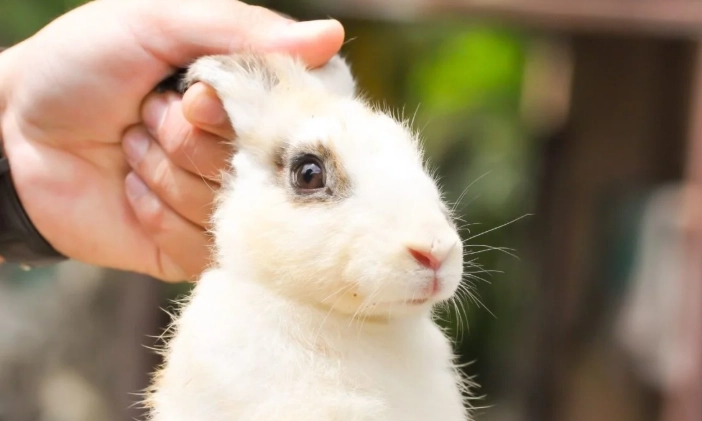
Your Questions, Answered
How do I pick up a baby bunny?
With even more care! Kits are tiny and fragile. The same two-handed scoop applies, but your hands will cup their entire body. Be extra slow and calm. Limit handling of very young babies unless necessary, as they can get chilled and stressed easily.
My rabbit kicks and scratches every time. What am I doing wrong?
Chances are, their hindquarters aren't fully supported. That "feeling of falling" triggers the kick reflex. Go back to basics: practice just sliding your hand under their bottom while they're on the ground for treats. Ensure your lifting hand is completely under them before you lift an inch.
Is it okay to pick up my rabbit for cuddles?
This is the big one. Most rabbits prefer cuddles on their own terms, on the floor. Forcing lap cuddles can damage your bond. Use the how to pick up a bunny rabbit skill for necessary tasks (vet, cage cleaning, nail trims), not for your cuddle gratification. Let them come to you for affection.
Can I train my rabbit to like being picked up?
You can train them to tolerate it calmly. "Like" is a high bar. Use positive reinforcement: very short holds (2 seconds), immediate treat, put down. Gradually increase the time by milliseconds. The RSPCA's small animal care guides (rspca.org.uk) emphasize this kind of positive, reward-based training for all handling.
What if I drop my rabbit?
Stay calm. If it's a short drop onto carpet and they hop away immediately, they're probably okay but very scared. Observe closely for the next 24-48 hours: look for limping, lethargy, not eating, or unusual posture. Any sign of pain or injury means an immediate vet trip. Their bones are fragile. To prevent drops, always sit on the floor when first practicing how to hold them.
Wrapping It All Up
Learning how to pick up a bunny rabbit isn't really about the lift. It's a masterclass in empathy, observation, and patience. It's about seeing the world from two feet off the ground, where everything is bigger and potentially dangerous.
The perfect pickup is quiet. There's no struggle, no frantic kicking. Just a smooth lift, a brief moment of secure closeness, and a gentle return to solid ground. It's a transaction of trust.
Don't get discouraged if it takes weeks or months. Mochi took a solid three months of daily floor time before I could even attempt a full lift. Go at your rabbit's pace. Some days you'll take a step back. That's normal.
Use this skill sparingly, with purpose, and always with their comfort in mind. Your reward won't be a lap rabbit (though you might get lucky). Your reward will be a rabbit who feels safe in your presence, who doesn't flinch when your hand moves, and who trusts you enough to handle them when it truly matters. That's a far deeper bond than any cuddle.
Final Checklist Before You Lift
- Is the rabbit calm and showing "green light" body language?
- Am I calm and moving slowly?
- Do I have a clear purpose for this (moving, health check)?
- Is my plan for supporting their bottom 100% clear in my mind?
- Is my landing zone (where I'll put them down) clear and safe?
If you can tick all these, you're ready. Good luck, and go slow.
Reader Comments