Quick Guide
- What Real Hibernation Looks Like (And Why Rabbits Don't Fit the Bill)
- The Rabbit's Winter Survival Toolkit: It's All About Adaptation
- Your Essential Winter Care Guide: Beyond the Hibernation Myth
- Debunking Common Myths: Let's Clear the Air
- Hibernation vs. Torpor vs. Normal Rabbit Winter Behavior
- Answers to Your Burning Questions (FAQs)
- Final Thoughts: From Myth to Informed Care
So you're looking at your fluffy friend as the temperature drops, maybe watching them burrow a little deeper into their bedding, and the question pops into your head: does a rabbit hibernate? It's a super common thought. I mean, bears do it, squirrels kinda do it, so why not bunnies? They seem like they'd be the type to curl up and sleep the winter away. Well, let me tell you, the answer is way more interesting than a simple yes or no, and getting it wrong can actually be pretty serious if you're a pet owner.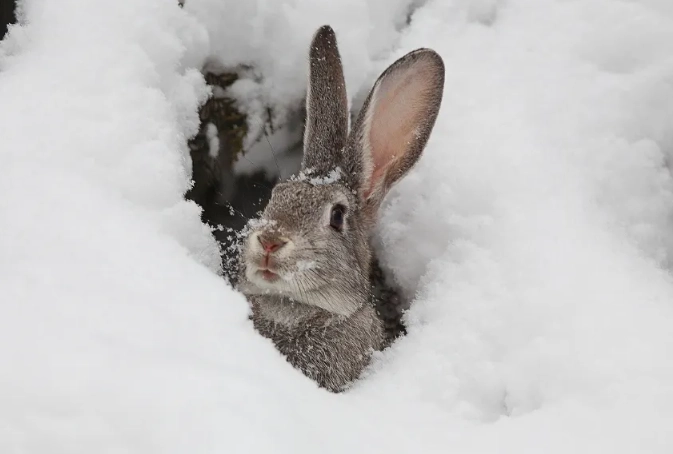
I remember the first winter I had my rabbit, Thumper. I was a nervous wreck. I read all sorts of conflicting stuff online. Some old forums said they just sleep more, others warned of a mysterious "shut down." It was confusing. The short, absolutely critical answer is no, rabbits do not hibernate. Not in the true, deep-down, metabolic-coma sense that a ground squirrel or a hedgehog does. But saying "no" doesn't even begin to cover the full story. What they do instead is a fascinating dance of adaptation that's crucial for their survival, and understanding it is the key to keeping a pet rabbit safe when it gets cold.
The Core Truth: Rabbits are non-hibernating mammals. They remain active and need to forage for food throughout the winter. However, they possess unique physiological and behavioral adaptations to conserve energy and cope with cold temperatures, which are sometimes mistaken for hibernation.
What Real Hibernation Looks Like (And Why Rabbits Don't Fit the Bill)
To understand why the answer to "does a rabbit hibernate" is no, we need to be clear on what hibernation actually is. It's not just a long nap. It's an extreme, controlled state of energy conservation.
Think of a woodchuck or a bat. When they enter true hibernation, their body undergoes dramatic changes:
- Metabolic Crash: Their metabolic rate can drop to just 2-5% of normal. It's like their body's engine is idling at the absolute minimum.
- Body Temperature Plunge: Their body temperature drops drastically, often to just a few degrees above the ambient temperature of their burrow. They feel cold to the touch.
- Heart and Breath on Hold: Heart rates can fall from hundreds of beats per minute to just a handful. Breathing becomes incredibly slow and shallow.
- Unarousable Deep Sleep: A hibernating animal is very difficult to wake up. They are in a state of torpor so deep that they won't rouse to noise or gentle prodding.
Now, compare that to your rabbit. On a chilly morning, they might be a bit more sluggish, maybe they're sitting all puffed up in a corner. But poke them gently? They'll hop away. Offer a favorite treat? They'll come running. Their body temperature stays consistently warm (around 101-103°F or 38-39.5°C). Their heart and breathing, while they can slow down a bit during rest, don't plummet to near-death levels.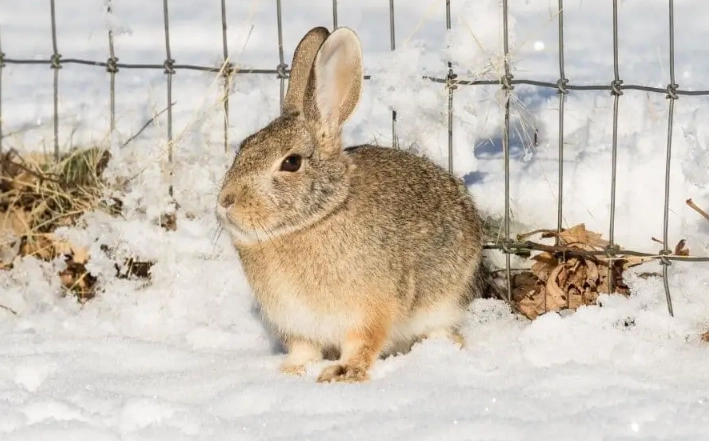
They simply don't have the biological switch to flip into that kind of suspended animation. Their survival strategy is different.
The Rabbit's Winter Survival Toolkit: It's All About Adaptation
Since rabbits don't have the option to sleep through the bad weather, evolution gave them a different set of tools. These adaptations are brilliant, but they can trip up owners who might misinterpret them as signs their rabbit is trying to hibernate.
1. The Fur Coat Upgrade
This is the most obvious one. As daylight hours shorten, rabbits grow a thicker, denser winter coat. It's not just more fur; the undercoat becomes incredibly plush, trapping a layer of insulating air close to the skin. A rabbit's winter coat is so effective that snow can settle on their back without melting, because so little body heat is escaping. If you have a pet rabbit that goes outdoors, you'll notice they become gloriously fluffy. It's a sign their body is working perfectly, not that they're preparing to snooze.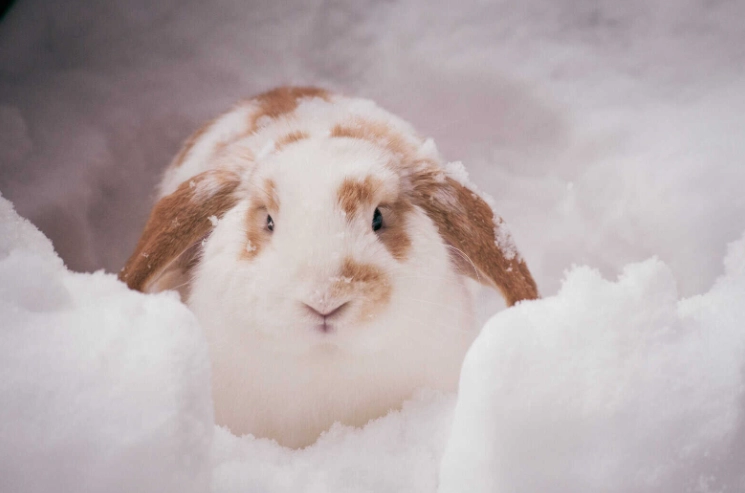
2. Behavioral Energy Savings
Rabbits are masters of efficient living in the cold. You might notice them:
- Reducing General Activity: Less frantic zoomies, more time spent resting in a sheltered, cozy spot. It's about conserving calories, which are burned faster to maintain body heat.
- Huddling and Sheltering: Wild rabbits will spend more time in their burrows, which maintain a relatively stable temperature compared to the surface. Pet rabbits will seek out enclosed hideaways, pile into bedding, or snuggle with a companion.
- Changing Feeding Patterns: They might eat more during the warmer parts of the day. The act of digesting high-fiber food (hay) actually generates internal heat—a process called thermogenesis.
3. The Torpor Talk (The Big Misconception)
Here's where things get nuanced and where a lot of confusion about whether a rabbit hibernates comes from. Rabbits can enter a state called torpor.
Torpor is like hibernation's little cousin. It's a short-term, reversible drop in metabolic rate and body temperature to save energy during a period of cold or food scarcity. It can last for several hours. A rabbit in torpor will be very still, feel cooler, and be less responsive.
This is not normal, healthy behavior for a domestic rabbit. It is a last-ditch stress response to severe cold that they cannot escape. In the wild, it's a risky survival tactic. For a pet rabbit, entering torpor is a dire emergency—a sign they are dangerously cold and their body is starting to shut down. It can quickly lead to fatal hypothermia.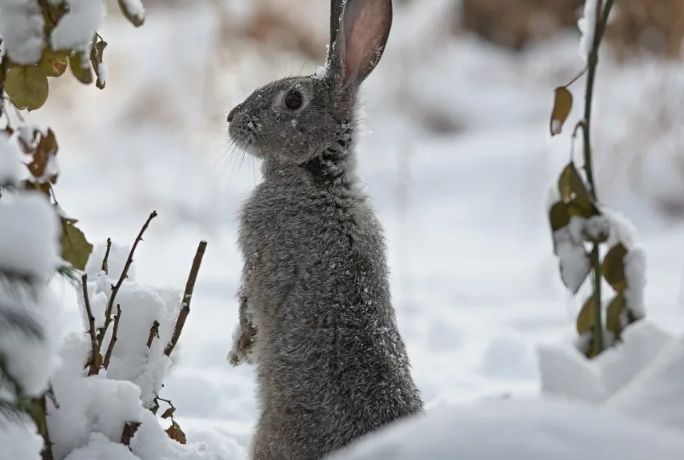
Critical Distinction: A rabbit feeling a bit sleepy in the cold is normal. A rabbit that is limp, unresponsive, and feels cold to the touch is in a life-threatening state of hypothermia or torpor and needs immediate veterinary warming. Do not mistake this for hibernation!
So, does a rabbit hibernate? No. Can it enter a dangerous, hibernation-like state if it's too cold? Yes, but it's a crisis, not a strategy.
Your Essential Winter Care Guide: Beyond the Hibernation Myth
Knowing rabbits don't hibernate changes everything about winter care. Your job isn't to let them "sleep it out"; it's to support their active, warm-blooded biology in the cold. Here’s a breakdown of what matters most.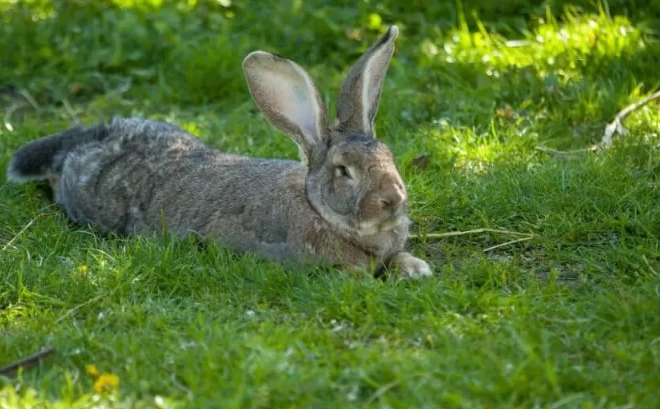
Housing: The Make-or-Break Factor
This is the biggest area where people get it wrong. An uninsulated, drafty hutch is a death trap, not a winter home.
- Indoors is Best: The single safest place for a rabbit in winter is indoors, in a temperature-controlled part of your home (away from direct heat vents and drafts). The House Rabbit Society strongly advocates for indoor living for this reason.
- If They Must Be Outdoor Rabbits: The enclosure must be weatherproof, insulated, and draft-free. Think of it as a small, well-sealed shed. Line walls with insulation boards, cover the hutch with a waterproof tarp, and ensure the sleeping area is packed with deep, dry straw (which is better at insulating than hay or blankets). Provide a snug, enclosed sleeping box within the hutch.
- Wind is the Enemy: A cold breeze strips heat away far faster than still cold air. Block all drafts completely.
Diet: Fuel for the Furnace
A rabbit's digestive system is their central heating. In winter, they need more fuel.
- Unlimited Hay, More Than Ever: Timothy hay or other grass hays should be available 24/7. The constant digestion keeps their gut moving and generates body heat.
- Consider a Calorie Boost: You can slightly increase their daily pellet portion (not double it!). Some owners add a small spoonful of rolled oats as an extra energy source, but introduce any change slowly.
- Don't Forget Water: This is a silent killer. Water bottles freeze incredibly fast. You must check them multiple times a day, use bottle covers, or switch to a heavy ceramic bowl and replace the water with lukewarm water frequently. Dehydration in winter is a real risk.
Pro Tip: I started giving Thumper his leafy greens slightly damp in winter. It's a tiny bit of extra moisture, and he seems to enjoy them more when they're cool and crisp. Just make sure they're not frozen!
Health & Monitoring: Reading the Signs
Winter demands extra vigilance. You're looking for signs they're coping well, not signs they're trying to hibernate.
- Check Ears and Feet Daily: These are most prone to frostbite. Ears should be warm, not icy cold. Look for redness, swelling, or pale/blackened tips.
- Monitor Food & Water Intake: A rabbit that stops eating or drinking is an emergency, regardless of the season. Their gut must keep moving.
- Watch for Lethargy vs. Resting: A rabbit that is alert, comes for food, grooms, and then rests is fine. A rabbit that is hunched, unresponsive, and refuses food is in trouble.
The question "does a rabbit hibernate" is often born from seeing these subtle changes in behavior. Now you know how to interpret them correctly.
Debunking Common Myths: Let's Clear the Air
Myth 1: "My rabbit sleeps all day in winter, so it's hibernating."
Truth: It's conserving energy. It should still have active periods, especially at dawn and dusk. Total inactivity is a red flag.
Myth 2: "Wild rabbits hibernate, so pet ones might try to."
Truth: No wild rabbit species truly hibernates. Cottontails, jackrabbits, European rabbits—all remain active in winter, relying on the adaptations we discussed. The National Geographic fact page on rabbits and hares confirms they are active year-round.
Myth 3: "If they have a thick coat, they can handle any temperature."
Truth: The coat is fantastic insulation, but it has limits. Prolonged exposure to wet conditions (rain, sleet, melting snow) or extreme sub-zero temperatures without proper shelter will overwhelm even the best fur coat. A rabbit's optimal ambient temperature range is between 50-70°F (10-21°C).
Hibernation vs. Torpor vs. Normal Rabbit Winter Behavior
This table should finally put the "does a rabbit hibernate" question to bed by comparing the states side-by-side.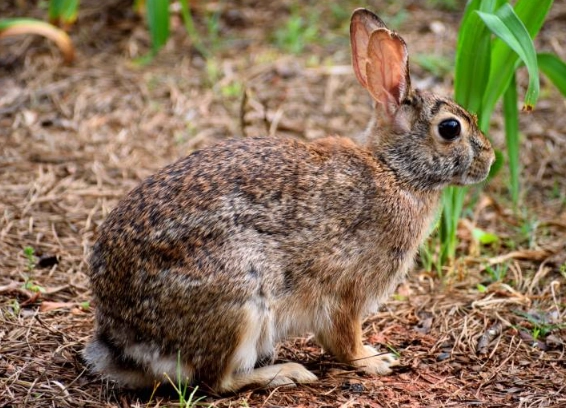
| Feature | True Hibernation (e.g., Ground Squirrel) | Rabbit Torpor (Danger State) | Normal Rabbit Winter Behavior |
|---|---|---|---|
| Metabolic Rate | Drops to 2-5% of normal | Significantly reduced | Normal or slightly reduced at rest |
| Body Temperature | Drops to near ambient temperature | Drops below normal (hypothermic) | Stable at normal 101-103°F (38-39.5°C) |
| Responsiveness | Extremely difficult to arouse | Very low; may be unresponsive | Easily aroused; alert to stimuli |
| Duration | Weeks or months | Several hours | N/A (a resting state, not a torpor state) |
| Purpose | Seasonal energy conservation strategy | Emergency last-resort survival response | Daily rest and energy conservation |
| Action Required | None (natural cycle) | VETERINARY EMERGENCY – gradual warming needed | None – provide proper food, water, and shelter |
See the difference? A healthy rabbit in winter should firmly be in the third column.
Answers to Your Burning Questions (FAQs)
Let's tackle some of the specific, real-world questions people have when they wonder, "does a rabbit hibernate?"
Honestly, after all this research and my own experience, the whole "does a rabbit hibernate" anxiety boils down to one thing: preparation. If you provide the right environment, the question becomes irrelevant because your rabbit will just be a rabbit, enjoying the seasons in their own fluffy way.
Final Thoughts: From Myth to Informed Care
So, we've chased this question down the rabbit hole (pun intended). Does a rabbit hibernate? No. Full stop. But that "no" carries with it a big responsibility for anyone caring for one.
Dismissing the hibernation myth isn't just about being technically correct. It's about shifting your entire mindset from passive observation to active support. You're not waiting to see if they'll go to sleep for the season; you're actively ensuring their environment and diet support their need to stay warm, active, and healthy.
The biggest takeaway I hope you get from this is confidence. Confidence to look at your rabbit on a cold day and know what's normal. Confidence to spot the real signs of trouble (lethargy, cold body, not eating) and act fast. And confidence to enjoy the unique beauty of a rabbit in winter—their magnificent coat, their cozy habits, their quiet resilience.
It's a much better feeling than wondering if you're supposed to just let them sleep. Because they're counting on you to know they won't.
Reader Comments