- Why the Confusion? Periods vs. Heat Cycles
- The Rabbit Reproductive Cycle: What "In Heat" Really Looks Like
- The Critical Health Reason Behind the Question: Uterine Cancer
- Spaying Your Rabbit: The Single Best Decision
- Rabbit vs. Human: A Side-by-Side Look
- Answering Your Burning Questions (FAQ)
- Wrapping It Up: Key Takeaways for a Responsible Owner
Let's just get this out of the way first, because I know that's why you're here. I remember wondering the exact same thing when I first got my rabbit, Thumper. I was frantically searching online, worried I was missing something obvious about her care.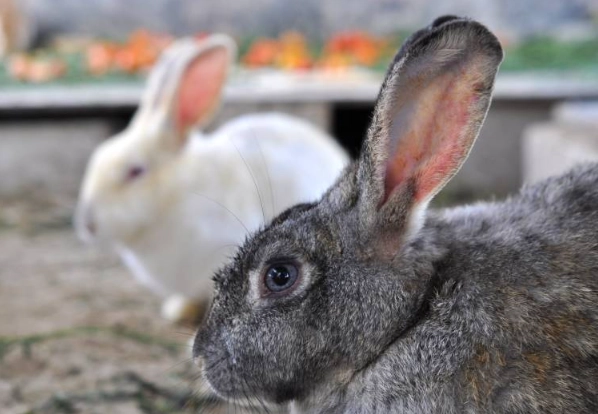
The short, direct answer is no. Rabbits do not have menstrual periods like humans and some other mammals do. The whole biological process is fundamentally different. Asking "do rabbits have periods" is a bit like asking if fish have wings – it's coming from a place of understandable curiosity, but it's mixing up two very different systems.
If they don't have periods, what on earth is going on with their reproductive cycle? This isn't just trivia. Understanding this is crucial for their health, for preventing unwanted litters (rabbits are, famously, not shy about multiplying), and for knowing when something might actually be wrong. Seeing blood where you don't expect it can be seriously alarming.
Why the Confusion? Periods vs. Heat Cycles
I think the confusion makes total sense. We often use the terms "being in heat" and "having a period" loosely, but in biology, they describe opposite ends of the fertility cycle. It's a classic mix-up.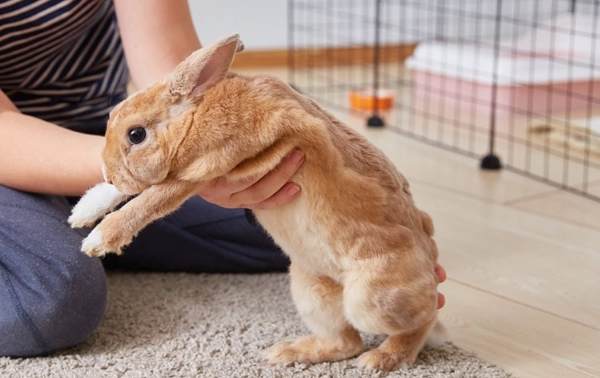
Here’s the core difference, laid out as simply as I can:
- Menstrual Cycle (Humans, Primates, Some Bats): The body prepares for pregnancy by building up a nutrient-rich uterine lining. If no pregnancy occurs, that lining is shed through the vagina – that's the menstrual period or period. Ovulation happens in the middle of the cycle, independent of mating.
- Estrous Cycle (Rabbits, Cats, Dogs, Most Mammals): The body also prepares the uterus, but if no pregnancy occurs, the body simply reabsorbs that lining. There is no bloody shedding. The female is only receptive to mating and can only conceive during the "estrus" or "heat" phase. Here's the rabbit-specific kicker: Rabbits are induced ovulators. This is the big one.
So, to directly address the search query "do rabbits have periods" again – no, they experience an estrous cycle, not a menstrual one. No monthly bleeding. But they absolutely do go through recurring fertile phases, which we call being "in heat."
The Rabbit Reproductive Cycle: What "In Heat" Really Looks Like
Since there's no visible blood, you have to become a bit of a bunny behavior detective. A doe doesn't have a set monthly schedule like a human. Her cycle can be influenced by season, daylight, and the presence of other rabbits. She can go in and out of heat frequently, sometimes seeming like she's always receptive.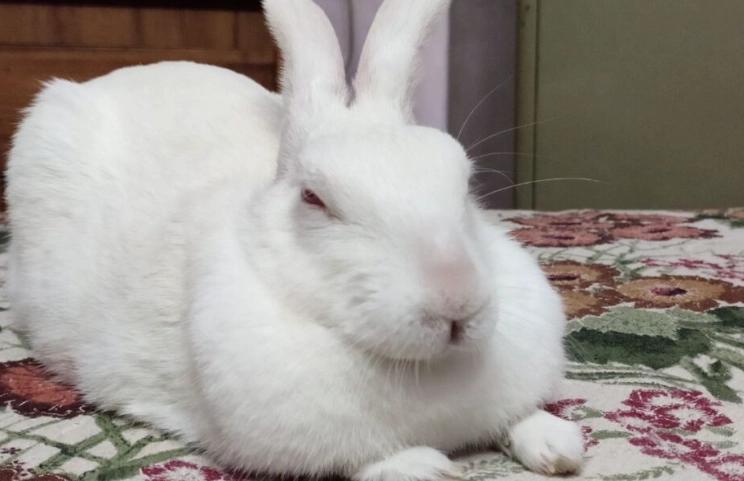
When a rabbit is in heat, her body is saying it's ready for breeding. Here’s what you might notice:
Behavioral Signs (The Most Obvious Clues)
This is where you'll see the biggest changes. My friend's rabbit, Mochi, would become a total diva when in heat.
- Restlessness and Territoriality: Pacing, circling, digging frantically in her enclosure. She might grunt or growl more.
- Increased Affection... or Aggression: It's a toss-up. She might demand constant chin rubs and nudge you relentlessly. Or, she might become unusually snippy, lunging or nipping when she normally wouldn't.
- Mounting Behavior: Yes, female rabbits will mount other rabbits, toys, or even your leg to show dominance and sexual frustration. It's not just a male thing.
- Chin Rubbing on Everything: She'll rub her chin on objects, food bowls, and you to mark her territory with scent glands. This goes into overdrive.
- Lying in the "Mating Position": She'll flatten her body, lift her hindquarters, and deflect her tail to the side when touched on the back.
Physical Signs (More Subtle)
These require a closer look and should always be done gently.
- A Swollen, Purplish-Red Vulva: This is the most direct physical indicator. When not in heat, the vulva is usually pale pink and less prominent. In heat, it becomes noticeably darker (purplish-red) and swollen. (It's a good idea to get familiar with what's normal for your bunny during a calm time).
- Potential Nesting Behavior: Even without being pregnant, a hormonal doe might start gathering hay or bedding and pulling fur from her chest and dewlap to make a nest.
So, circling back to the core question one more time: understanding that rabbits do not have periods is the first step. The next is recognizing the signs of their actual reproductive state, which is all about behavior and subtle physical changes.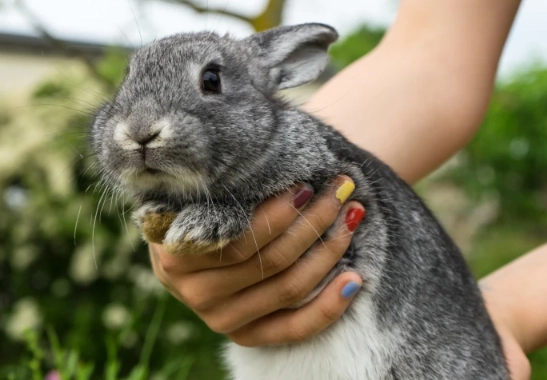
The Critical Health Reason Behind the Question: Uterine Cancer
This is the part that makes this topic so much more than just academic. When people ask "do rabbits have periods," sometimes a lurking fear is "is this bleeding normal?" And the scary truth is that for an unspayed female rabbit, any genital bleeding is a massive red flag.
Rabbits have a terrifyingly high incidence of uterine cancer (adenocarcinoma). Studies suggest that up to 60-80% of unspayed female rabbits over the age of 4 will develop uterine cancer. The risk starts increasing significantly after age 2.
This isn't a minor concern. It's arguably the single most important health fact for any female rabbit owner. The signs can be subtle at first – slight bloody discharge, loss of appetite, lethargy – but it progresses aggressively.
Spaying Your Rabbit: The Single Best Decision
Getting your female rabbit spayed (an ovariohysterectomy, removal of the ovaries and uterus) isn't just about preventing babies. It's a life-saving and life-enhancing procedure. Let's break down the benefits, because they're huge.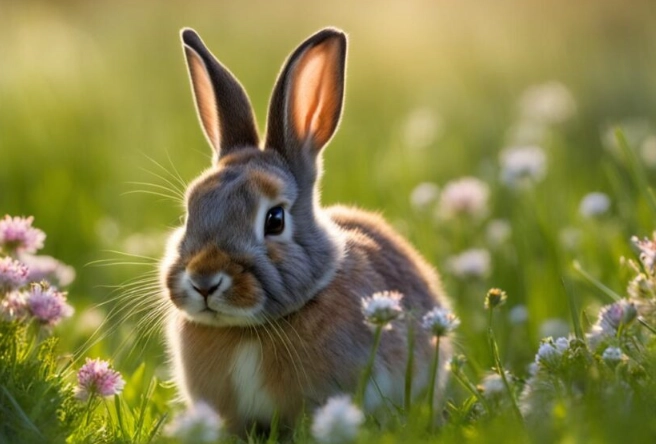
| Benefit Category | What It Means for Your Rabbit | Impact on You (The Owner) |
|---|---|---|
| Health & Lifespan | Eliminates the risk of uterine cancer (≈80% risk gone!). Prevents deadly uterine infections (pyometra). Reduces risk of mammary tumors. Generally leads to a longer, healthier life. | Peace of mind. Avoids the heartbreak and high cost of treating advanced reproductive cancers later in life. |
| Behavioral Stability | Stops the hormonal rollercoaster of heat cycles. Reduces or eliminates territorial aggression, mounting, destructive digging, and nesting frustration. Often leads to a calmer, more predictable personality. | A more pleasant, bonded pet. Less frustration from unwanted behaviors. Makes litter training more solid (as hormonal marking stops). |
| Social & Bonding | Allows for safe bonding with another rabbit (male or female) without pregnancy risk. Spayed/neutered pairs are the most harmonious. Removes sexual frustration. | You can give your rabbit a much-needed bunny friend, which is crucial for their social well-being. |
The surgery does carry anesthetic risk, I won't sugarcoat that. Rabbits are exotic pets and need an experienced exotics or rabbit-savvy veterinarian. But in the hands of a good vet, the risk is relatively low, especially when done on a young, healthy rabbit (typically recommended between 4-6 months of age). The benefits so profoundly outweigh the risks that it's considered standard, responsible care.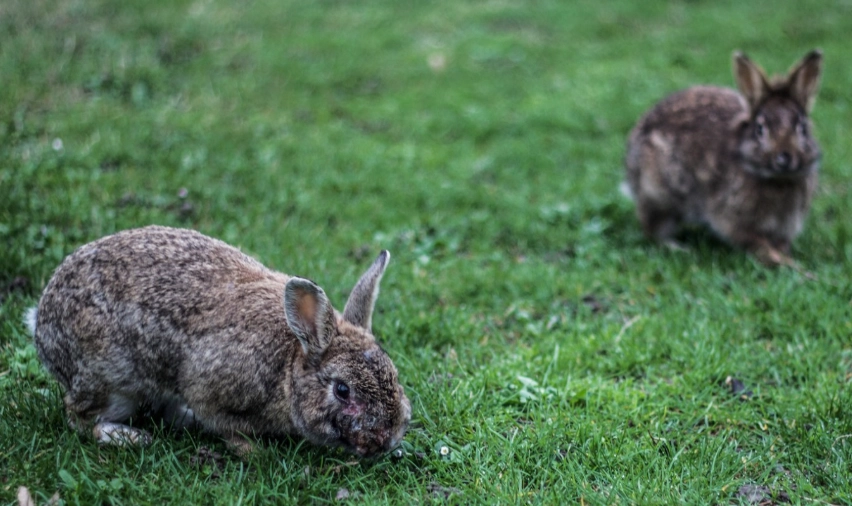
For authoritative information on the importance of spaying and finding a qualified vet, the House Rabbit Society is an incredible resource. They've been the go-to for evidence-based rabbit care advice for decades.
Rabbit vs. Human: A Side-by-Side Look
To really cement the difference and answer "do rabbits have periods" with clarity, sometimes a direct comparison helps.
| Feature | Rabbit (Doe) | Human (Female) |
|---|---|---|
| Cycle Type | Estrous Cycle | Menstrual Cycle |
| Ovulation Trigger | Induced by mating (Coitus-induced) | Spontaneous, occurs on a hormonal schedule |
| Uterine Lining if Not Pregnant | Reabsorbed by the body | Shed as menstrual bleeding (period) |
| Visible "Period" Blood | NO. This is always abnormal. | YES. This is the normal menstrual phase. |
| Primary Fertility Signal | Behavioral receptivity & physical signs (swollen vulva) | Tracking cycle timing & physiological signs |
| Frequency of Fertility | Can cycle in/out of heat frequently; influenced by environment | Typically a regular ~28-day cycle |
Looking at it this way, you can see they're almost opposite processes. The absence of a period in rabbits is a defining feature of their reproductive strategy.
Answering Your Burning Questions (FAQ)
Based on what rabbit owners actually search for, here are some direct answers to questions that naturally follow from "do rabbits have periods".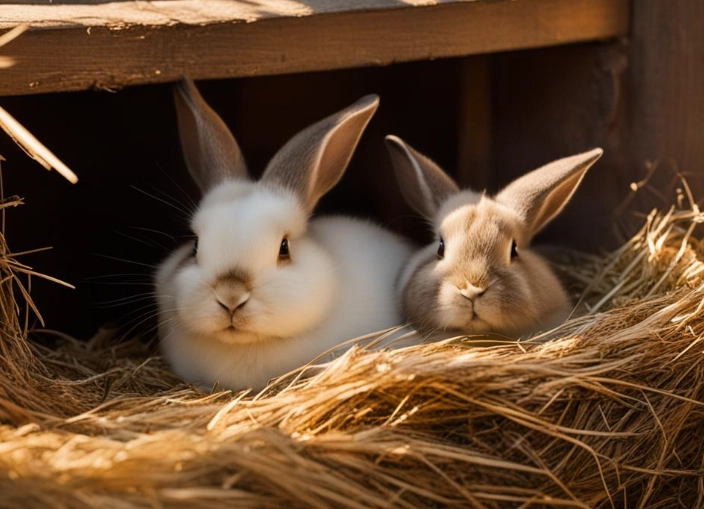
Wrapping It Up: Key Takeaways for a Responsible Owner
Let's bring this all home. If you take nothing else from this deep dive, remember these points:
- The Direct Answer: No, rabbits do not have menstrual periods. The question "do rabbits have periods" has a definitive negative answer. Their reproductive cycle involves reabsorbing the uterine lining, not shedding it.
- The Bigger Picture: Instead of periods, learn the signs of being "in heat"—the restlessness, chin marking, mounting, and physical vulvar changes. This is their fertility signal.
- The Red Flag Rule: Any visible blood from your female rabbit is a medical emergency, not a period. It warrants an immediate vet visit.
- The #1 Action Item: Spay your female rabbit. It eliminates the staggering risk of uterine cancer, stabilizes behavior, and is the cornerstone of preventive healthcare. Consult resources like the WabbitWiki (a community-driven knowledge base) or the Association of Exotic Mammal Veterinarians (AEMV) to understand the procedure and find a qualified professional.
It's funny how a simple question like "do rabbits have periods" can lead you down such a vital rabbit hole of care knowledge. I know it did for me with Thumper, and I'm glad it did. She lived a long, healthy, and happily spayed life, free from the hormonal rollercoaster and its risks. That’s what I want for every bunny out there.
Comment