Your Rabbit Care Roadmap
- Why Green Onions Are a Hard "No" for Bunnies
- What Happens If a Rabbit Eats Green Onions? Spotting the Signs
- Emergency Steps: What to Do RIGHT NOW If Your Rabbit Ate Green Onions
- The Safe & Healthy Rabbit Diet: What CAN They Eat?
- Common Questions Rabbit Owners Ask (FAQ)
- Building a Rabbit-Safe Kitchen and Home
- Final Thoughts: Better Safe Than Sorry
Let's cut right to the chase, because I know that's why you're here. You're probably in the kitchen, holding a green onion, looking at your bunny, and wondering. Or maybe you're just planning your rabbit's diet and want to do things right. Either way, the short, no-nonsense answer is a firm NO. Rabbits absolutely cannot eat green onions. Not a little bit, not as a treat, not even a tiny sprinkle on top of their hay. It's one of those black-and-white rules in rabbit care.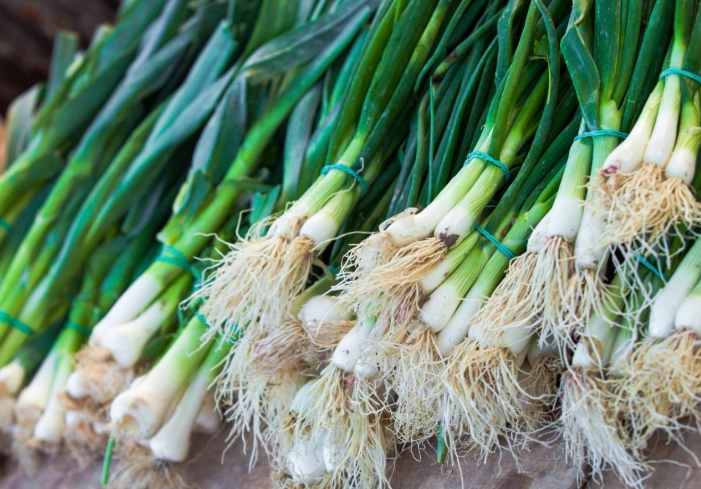
I've seen too many well-meaning owners make this mistake, thinking a little bit of "green" vegetable must be okay. It's a dangerous assumption. The question "can rabbits eat green onions" pops up more often than you'd think, and the internet is full of confusing, sometimes downright wrong, advice. My goal here is to clear all that up, for good.
Stop right here if you're in a hurry: Green onions (also called scallions or spring onions), along with all other members of the onion family (white onions, red onions, garlic, leeks, chives), are toxic and dangerous to rabbits. Feeding them can lead to severe, potentially fatal blood disorders.
Why Green Onions Are a Hard "No" for Bunnies
It all boils down to chemistry. Green onions contain compounds called organosulfoxides, specifically N-propyl disulfide and related substances. In humans and some other animals, our bodies can handle these just fine. In rabbits, it's a different story. Their unique digestive system and physiology process these compounds into agents that attack and destroy red blood cells.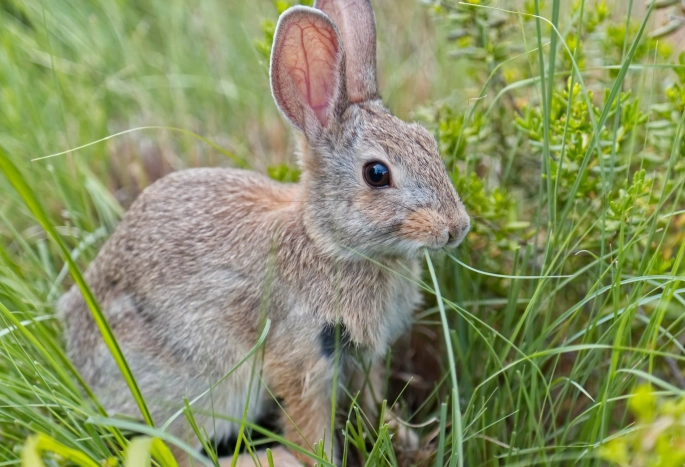
The result is a condition called Heinz body hemolytic anemia. Fancy medical term, scary reality. It means their red blood cells are damaged from the inside, rupturing and dying off faster than the body can make new ones. Red blood cells are the oxygen taxis of the body. Without enough of them, organs start to suffocate.
This isn't a "maybe" or an "in large quantities" thing. The toxic effect is cumulative and can occur even from small, repeated exposures. Some bunnies might be more sensitive than others, but why risk finding out if yours is the extra-sensitive type? There's no safe dose when it comes to asking if rabbits can eat green onions.
What About Just the Green Part?
A common follow-up question. People see the crisp green top and think it's different from the strong white bulb. Sadly, no. The entire plant—from the white root bulb all the way up to the hollow green tips—contains these harmful organosulfoxides. The concentration might vary, but all parts are toxic. Don't be fooled by the color.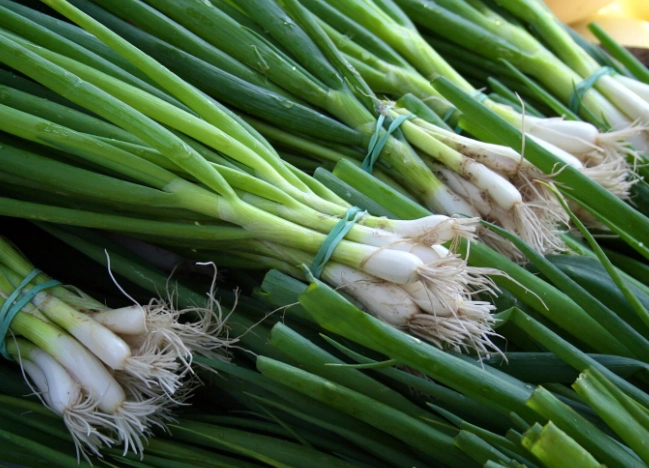
What Happens If a Rabbit Eats Green Onions? Spotting the Signs
This is the part that really worries me. Symptoms might not show up immediately. It can take a few days for the damage to the blood cells to become severe enough to cause obvious signs. This delay can make it hard for owners to connect the dots back to that little piece of onion their bunny snagged three days prior.
Here’s what to watch for, especially if you suspect your rabbit might have ingested any part of a green onion:
- Lethargy and Weakness: Your normally energetic bunny becomes a couch potato, seems tired, and is reluctant to move.
- Loss of Appetite: A rabbit that stops eating or shows little interest in food (even treats!) is a major red flag. Their gut motility slows down, which can lead to GI stasis—a deadly secondary problem.
- Pale Mucous Membranes: Gently lift your rabbit's lip and look at their gums. Healthy gums are a nice pink color. Anemic gums look pale, white, or even yellowish.
- Dark or Reddish Urine: The damaged red blood cells are filtered out by the kidneys, which can turn the urine a dark orange, brown, or even red color. This is a classic sign of hemolytic anemia.
- Rapid or Labored Breathing: With fewer red blood cells to carry oxygen, the body tries to compensate by breathing faster.
- Collapse: In severe, advanced cases, the rabbit may become too weak to stand.
If you see any of these signs, especially after a potential exposure to onions, treat it as an emergency. Time is critical.
Emergency Steps: What to Do RIGHT NOW If Your Rabbit Ate Green Onions
Panic doesn't help, but swift, calm action does. Here's your step-by-step guide.
Immediate Action Plan
- Remove the Source: Immediately take away any remaining green onions or related foods. Check your rabbit's environment thoroughly.
- Do NOT Induce Vomiting: Rabbits are physically incapable of vomiting. Attempting to make them do so is dangerous and futile.
- Contact Your Vet Immediately: Call your rabbit-savvy veterinarian or the nearest emergency animal clinic. Tell them exactly what happened: "My rabbit ate green onions," and estimate how much and when. If it's after hours, find the emergency vet number now—don't wait.
- Gather Information: While waiting for the vet or on your way, note the time of ingestion, the approximate amount, and any symptoms you're already seeing.
- Offer Fresh Hay and Water: Encourage your bunny to eat their normal hay and drink water. This helps keep their gut moving, which is always a priority.
- Do Not Give Any Other Food or "Home Remedies": Unless specifically instructed by your vet, don't offer other vegetables, fruits, or human medications.
Your vet will likely want to see your rabbit. Treatment isn't about administering an "antidote"—there isn't one. It's about supportive care: providing fluids, possibly oxygen therapy, force-feeding critical care diet if the rabbit isn't eating, and close monitoring. In severe cases, a blood transfusion might be necessary. This is why prevention is infinitely better than cure.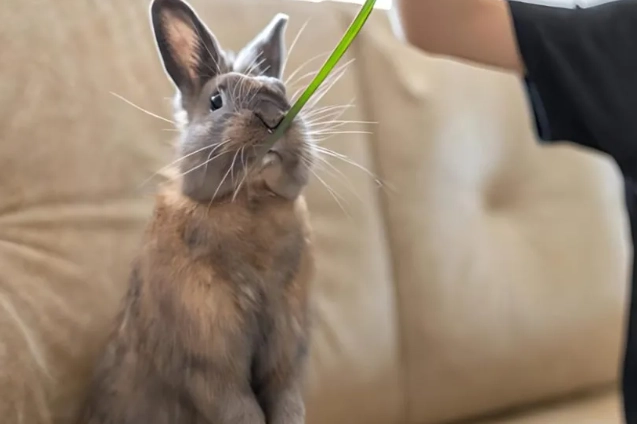
The Safe & Healthy Rabbit Diet: What CAN They Eat?
Since we've firmly established that rabbits cannot eat green onions, let's focus on all the wonderful, safe foods they can and should eat. A rabbit's diet is simple in principle but needs to be balanced correctly.
The foundation is non-negotiable.
The Rabbit Diet Pyramid:
- Unlimited Timothy Hay (or other grass hay): This should make up 80-90% of their diet. It's essential for dental wear, gut health, and mental stimulation. Think of it as their bread and butter.
- Fresh, Clean Water: Always available, changed daily.
- High-Quality Pellets (Limited): A small, measured amount daily (about 1/4 cup per 5 lbs of body weight). Look for plain, timothy-based pellets without colorful bits or seeds.
- Fresh Leafy Greens (Daily): This is where your vegetable variety comes in! A packed cup per 2 lbs of body weight per day.
- Occasional Treats: A tiny piece of fruit or a non-leafy vegetable (like a baby carrot) a few times a week at most.
Your Go-To List of Safe Leafy Greens & Vegetables
This is the fun part. Rotate through a variety of these to give your bunny a range of nutrients. I always suggest introducing any new food gradually to avoid upsetting their sensitive stomachs.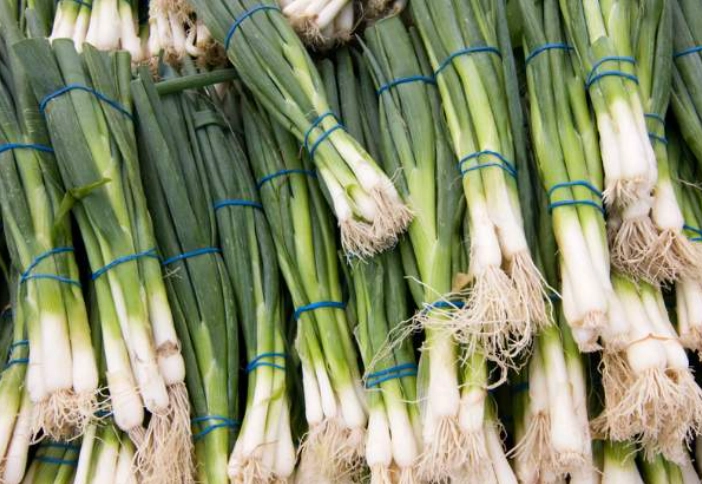
| Vegetable Name | How Often to Feed | Notes & Tips |
|---|---|---|
| Romaine Lettuce | Daily | A great staple. Avoid iceberg lettuce (it's mostly water and has little nutritional value). |
| Green Leaf / Red Leaf Lettuce | Daily | Excellent choices. The darker the leaf, often the more nutrients. |
| Arugula (Rocket) | Daily | Peppery flavor, many bunnies love it. Rich in antioxidants. |
| Spring Greens / Mesclun Mix | Daily | Convenient pre-washed mixes. Check for spinach content (see below). |
| Bok Choy | Daily | A crunchy favorite. Both the green leaves and white stalks are safe. |
| Cilantro (Coriander) | Daily | Full of flavor and vitamins. A hit with most rabbits. |
| Basil | Daily | A fragrant herb that's perfectly safe and enjoyable. |
| Mint | A few times a week | Great for freshening breath! Can be strong, so offer in moderation. |
| Dill | A few times a week | Another flavorful herb. The feathery leaves are fun for them to nibble. |
| Carrot Tops (Greens) | Daily | Yes, the greens are safe and nutritious! The carrot root itself is a high-sugar treat. |
| Celery | 2-3 times a week | Must be chopped into small pieces to avoid stringy fibers causing choking or gut blockages. |
| Bell Peppers (any color) | Daily | Remove all seeds and the white inner core. The flesh is sweet, hydrating, and rich in Vitamin C. |
| Zucchini / Courgette | A few times a week | A good low-sugar, watery vegetable. Can be fed raw or cooked plain. |
| Broccoli Leaves & Stalks | Once or twice a week | The leaves are fantastic. The florets can cause gas in some bunnies, so introduce slowly. |
| Spinach & Kale | Once or twice a week | Limited due to high oxalates, which can interfere with calcium absorption if fed in large, daily amounts. Perfectly fine as a rotating part of a varied diet. |
See? The list of safe options is huge and varied. There's simply no need to ever gamble with risky foods like green onions.
Common Questions Rabbit Owners Ask (FAQ)
Let's tackle some related questions that swirl around this topic. These are the things people search for after they've asked "can rabbits eat green onions."
- Allium Family: Onions, garlic, etc. (as we've covered).
- Avocado: Contains persin, a fungicidal toxin that can cause cardiac and respiratory distress.
- Chocolate & Caffeine: Contains theobromine and caffeine, which rabbits cannot metabolize. Leads to hyperactivity, seizures, and death.
- Iceberg Lettuce: Not toxic per se, but its high lactucarium content can be a sedative and its high water/low fiber content can cause diarrhea and nutritional deficiencies.
- Potatoes & Tomato Leaves/Vines: Parts of the nightshade family. The green parts and raw potatoes contain solanine, which is toxic.
- Seeds, Pits, and High-Starch/Sugar Foods: Like bread, pasta, crackers, cookies. These disrupt the delicate bacterial balance in their cecum, leading to GI stasis and other issues.
Building a Rabbit-Safe Kitchen and Home
Prevention is your best tool. If you have a free-roam bunny or one that enjoys kitchen time, you need to think like a rabbit-proofing expert.
- Store Dangerous Foods Up High: Onions, garlic, and other toxic foods should be in secure cupboards or high up on counters your rabbit cannot access.
- Secure the Trash Can: Use a can with a tight-fitting lid or keep it in a latched cabinet. Kitchen scraps are a major source of poisoning.
- Educate Everyone in the Household: Make sure all family members, especially children, know the rules. A well-meaning child might think they're giving a treat by sharing a veggie scrap.
- Be Careful with Compost: If you compost kitchen scraps, ensure your rabbit cannot access the compost bin or pile.
- Check Ingredient Lists: If you ever buy "treats" from a pet store, read the ingredients. Avoid anything with onion or garlic powder listed.
It might seem like overkill, but once you've seen a rabbit suffer from toxicity, you realize it's just common sense.
Final Thoughts: Better Safe Than Sorry
Look, rabbit care has its complexities, but some rules are beautifully simple. The question of whether rabbits can eat green onions has a clear, definitive answer. It's a hard no.
Stick to the abundant list of safe, leafy greens and herbs. Focus on that unlimited hay. Your rabbit's health depends on the consistency and safety of their diet. By understanding the why behind the rule—the hemolytic anemia, the organosulfoxides—you're empowered to make better choices and advocate for your pet.
If you take one thing from this article, let it be this: when you're unsure about a food, the safest path is to skip it and offer a known-safe alternative instead. Your bunny's vibrant health and those happy, curious binkies are the best reward for getting their diet right.
For further reading on pet toxins, a fantastic and authoritative resource is the ASPCA Animal Poison Control Center website. They provide extensive lists and information, straight from the experts in toxicology.
Reader Comments