Quick Navigation
Hey there, fellow bunny parent! If you're staring at a piece of apple or a berry and wondering, "Can my rabbit have this?" you've landed in the right spot. I've been there too, holding a blueberry while my rabbit, Thumper, stared me down with that intense, hopeful gaze. It's a classic scene in any rabbit household. The short answer is yes, rabbits can eat certain fruits, but it's not as simple as just handing over your fruit salad leftovers. It's a treat, not a staple. Get that wrong, and you're asking for a bunny with a serious tummy ache (or worse).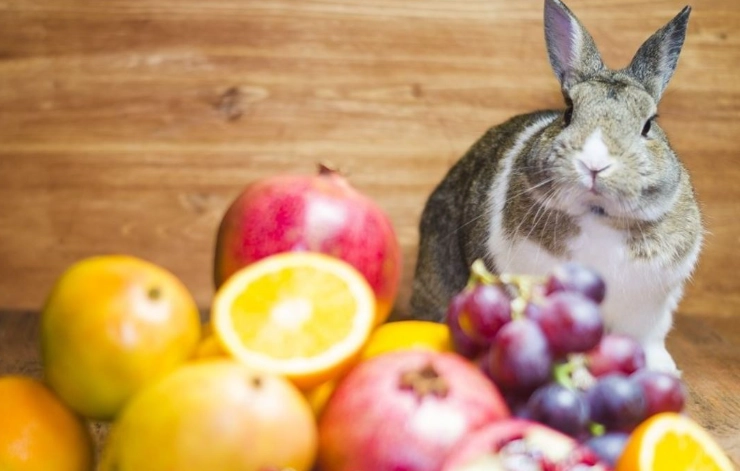
Let's get the most important thing out of the way first. Your rabbit's diet should be about 80-90% high-quality grass hay, like timothy or orchard grass. Fresh water and a small amount of fresh greens come next. Fruits? They're the sprinkles on top of the cake. The occasional, tiny, special treat. I learned this the hard way when I got overexcited and gave Thumper too many strawberry tops one week. Let's just say the cleanup wasn't fun, and he was a bit off his hay for a day. Not a disaster, but a good lesson.
The Ultimate Safe Fruits List for Rabbits
Okay, down to the good stuff. Here’s a detailed list of fruits that are generally considered safe for rabbits when fed correctly. I've organized it in a table because it's easier to scan when you're holding a piece of fruit and need a quick yes/no. Remember, "safe" always comes with a "but" – the but being in extreme moderation.
| Fruit | How Often & How Much | Important Notes & Parts to Use |
|---|---|---|
| Apple | 1-2 thin slices, 1-2 times per week. | SEEDS MUST BE REMOVED. Apple seeds contain cyanide. Offer the flesh only. I prefer organic to minimize pesticide risk on the skin. |
| Banana | 1-2 thin slices (1" long), once a week max. | Super high in sugar and starch. Rabbits go nuts for it, but it's a major treat. Too much causes weight gain and digestive issues. |
| Blueberries | 2-3 berries, 1-2 times per week. | A great choice. Small, easy to dose, and packed with antioxidants. Thumper gets one as his "weekly win." |
| Strawberries | The leafy top and a tiny piece of fruit, or one small berry, once a week. | Many bunnies love the greens more than the berry! Wash thoroughly. The fruit part is very sugary. |
| Pear | 1-2 thin slices, 1-2 times per week. | Similar to apple. Remove seeds and core. Slightly higher in sugar than apple, so be extra cautious on amount. |
| Peach & Plum | A small cube of flesh (½" cube), once a week. | PIT REMOVED AND DISCARDED. The flesh is fine, but the pit is a choking hazard and contains toxins. High sugar content. |
| Melons (Cantaloupe, Honeydew, Seedless Watermelon) | One small cube, once a week. | High water content. The rind (washed) is sometimes offered as a fibrous treat, but the sweet flesh is pure sugar. Remove all seeds from watermelon. |
| Papaya | One small cube, once a week. | Contains an enzyme (papain) that may help with hairball prevention. But it's still a sugary fruit, not medicine. |
| Raspberries & Blackberries | 1-2 berries, once a week. | Can be a hit or miss. Some bunnies love them, others ignore them. The leaves of raspberry plants are actually a safe, leafy green! |
When you're figuring out what fruits can rabbits eat, the size of your rabbit matters. A giant Flemish rabbit might handle a blueberry-sized piece of banana, but a tiny Netherland Dwarf should get half that. The general rule is no more than 1-2 tablespoons of treat foods (including fruits and non-leafy veggies) per 5 lbs of body weight per day, and fruit should only be a fraction of that allowance.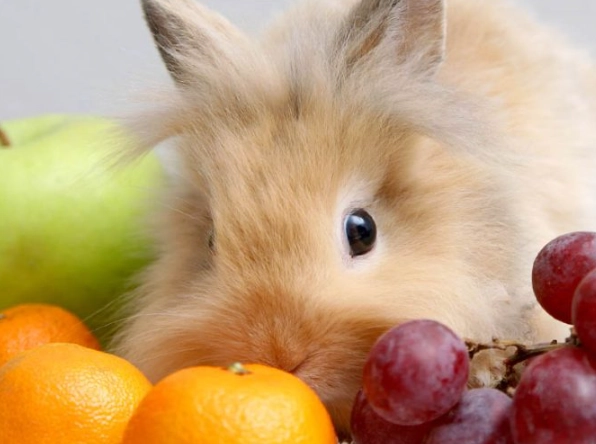
How to Feed Fruits to Your Rabbit: A Step-by-Step Guide
Knowing the list is half the battle. Doing it right is the other half. Here's my personal routine for introducing and feeding fruits.
Step 1: Start Slow & One at a Time
If your rabbit has never had fruit before, pick one from the list above. Start with a piece the size of your pinky nail. Offer it in the morning so you can monitor them all day. Watch their poop like a hawk (bunny parent life!). It should stay round, dry, and plentiful. If it gets small, mushy, or stops, you know fruit isn't agreeing with them, or you gave too much. Wait until everything is normal before trying again, maybe with an even smaller piece or a different fruit.
Step 2: Preparation is Everything
Wash all fruit thoroughly to remove pesticides. Peel it if you're not using organic, especially things like apples and pears. Remove all seeds, pits, stems, and cores. These parts can be choking hazards or contain toxic compounds. Cut the flesh into small, manageable pieces to prevent choking.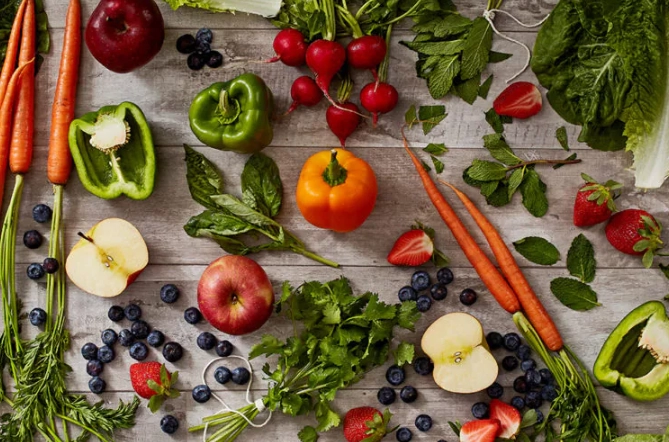
Step 3: Frequency and Portion Control
This is where most people slip up. You don't need to give fruit every day. Seriously. Twice a week is plenty. I stick to a "fruit Friday" for Thumper, and sometimes a bonus berry on Sunday if he's been extra good. The portion sizes in the table are for adult rabbits. Babies (under 6 months) shouldn't have fruits or veggies at all—their gut flora is too delicate.
Fruits Rabbits Should NEVER Eat
This list is non-negotiable. Some fruits (or parts of them) are toxic to rabbits. If you remember nothing else, remember these.
- Avocado: Every part—pit, skin, flesh, leaves—contains persin, a toxin that can cause fatal respiratory and heart problems in rabbits. This is public enemy number one.
- Rhubarb: The leaves are highly toxic, and the stalk isn't safe either. It contains oxalic acid and other compounds that can cause kidney failure and tremors.
- All Fruit Seeds and Pits: As mentioned, apple, pear, peach, plum, apricot, and cherry pits contain cyanogenic glycosides (which release cyanide). While a single seed might not kill a large rabbit, why risk it? Always remove them.
- Cherries: The flesh itself is debated, but the pit and stem are toxic. Given the risk and high sugar content of the fruit, it's best to avoid it entirely. Plenty of safer options exist.
- Grapes & Raisins: The data is unclear for rabbits, but they are known to cause acute kidney failure in dogs. The mechanism isn't confirmed in rabbits, but due to the severe risk and lack of clear safety data, all major rabbit welfare organizations advise against them. It's not worth the gamble.
- Canned, Dried, or Cooked Fruit: These are concentrated sugar bombs, often with added syrups, preservatives, and sulfites. They have no place in a rabbit's diet. Only fresh, raw, and prepared fruit is an option.
Honestly, the list of "no" foods is easier to remember. When in doubt, leave it out. A piece of safe leafy green like romaine or cilantro is always a better, safer choice than an unknown fruit.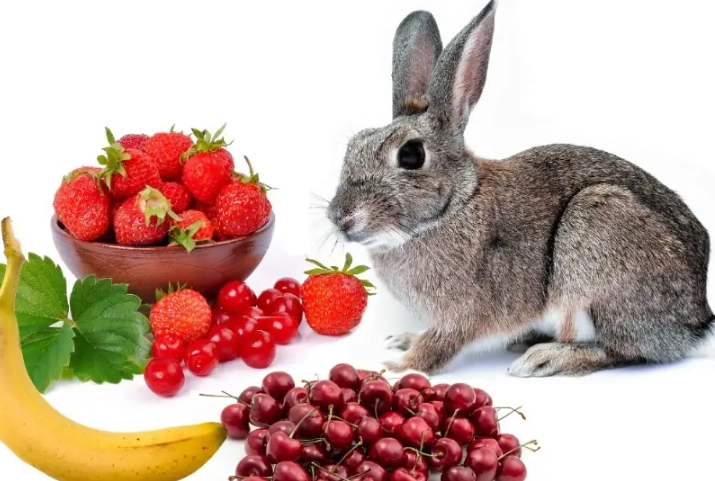
Answering Your Big Questions About Rabbits and Fruit
Let's tackle some of the real questions that pop up when you're deep in research mode.
Why is too much fruit so bad for rabbits?
Rabbits have a unique digestive system. Their cecum, a part of their gut, is a fermentation vat full of specific bacteria that break down fiber. A sudden influx of sugar (fructose) disrupts this delicate bacterial balance. The wrong bacteria can overgrow, producing gas and toxins, slowing down gut motility. This is GI stasis. It's painful, scary, and an emergency. Sugar also leads to obesity and dental problems, as it promotes plaque.
My rabbit ate a grape/avocado pit! What do I do?
Don't panic, but act immediately. Contact your rabbit-savvy veterinarian or an emergency pet poison hotline. Have information ready: what they ate, how much, and when. Do not try to induce vomiting. Your vet will give you the best course of action, which may involve monitoring or bringing them in. This is why prevention is absolutely key.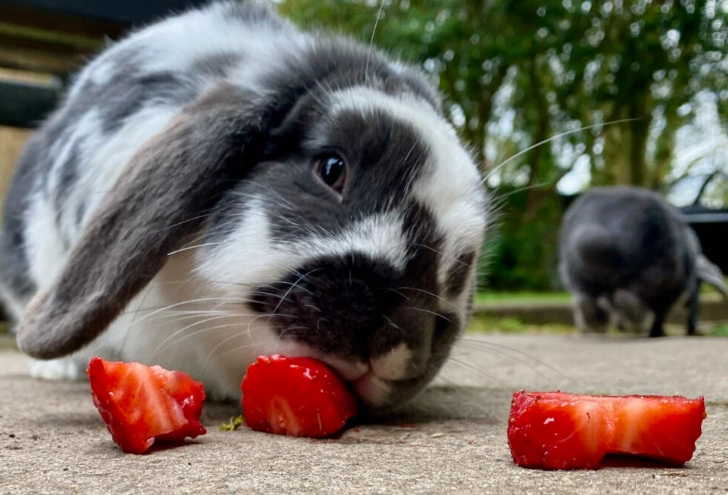
Are fruit sugars worse than vegetable sugars?
Generally, yes. Fruits are evolutionarily designed to be sugar-dense to attract animals for seed dispersal. Most vegetables (especially leafy greens) have much lower sugar content and higher fiber and water content. A leaf of kale is a far more appropriate daily treat than a slice of apple.
Can fruit help with my rabbit's digestion or hairballs?
This is a common myth, especially regarding pineapple or papaya for hairballs. The enzymes (bromelain in pineapple, papain in papaya) are thought to break down the keratin in hair. However, there's no solid scientific evidence this works in a rabbit's gut, and the sugar content of the fruit can do more harm than good. The best prevention for hairballs and digestive issues is unlimited hay. Hay fiber keeps everything moving. The House Rabbit Society, a highly authoritative resource, emphasizes hay over any fruit "remedy." You can check their detailed diet guide here.
What about "exotic" fruits like mango, kiwi, or starfruit?
The flesh of mango and kiwi is generally considered safe in tiny, rare amounts (think a pea-sized piece). They are extremely high in sugar and acid. Kiwi skin is also edible but tough. Starfruit is a definite no—it contains caramboxin, a neurotoxin that can cause kidney problems in some species, and its safety for rabbits is not established. My rule of thumb: if it's not a common, well-documented safe fruit, don't experiment. Stick to the classics like berries and apple slices.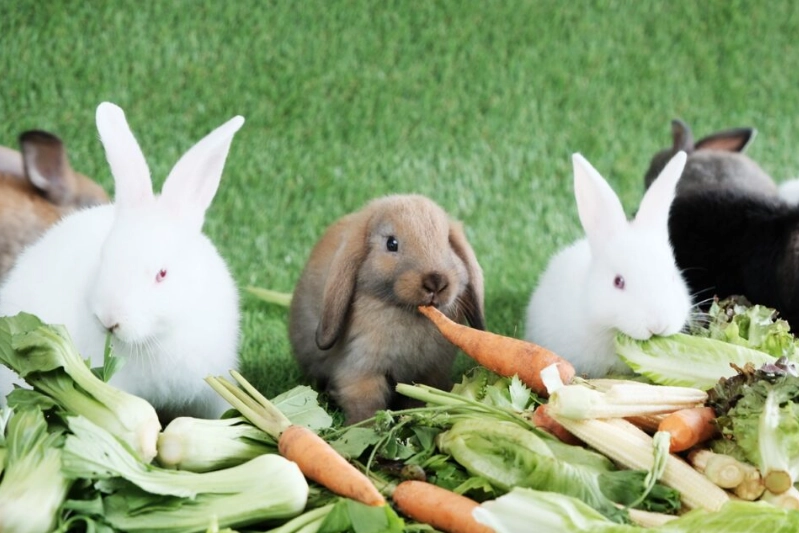
Putting It All Together: A Sample Treat Schedule
Let's make this practical. Here’s what a balanced treat week might look like for a healthy, 5-pound adult rabbit. This assumes they are already eating unlimited hay, fresh water, and a daily salad of leafy greens.
- Monday: A sprig of fresh cilantro or parsley as a treat.
- Tuesday: Nothing special. Just hay, greens, pellets.
- Wednesday: A small piece of bell pepper (a veggie, not a fruit).
- Thursday: Hay day. Maybe a new toy to chew on.
- Friday (Fruit Day!): Two blueberries OR one thin slice of apple.
- Saturday: A dandelion green or a basil leaf.
- Sunday: Hay, greens, pellets. Maybe a tiny piece of banana if they did well at the vet or for training, but often it's just a no-treat day.
This schedule keeps things varied and exciting without overloading their system with sugar. The majority of their calories and nutrition MUST come from hay. The Merck Veterinary Manual, a trusted professional resource, states that "anorexia or a reduced appetite for hay is often the first sign of illness in rabbits." Keeping them hungry for hay is a sign of good health. You can read more about rabbit physiology and diet here.
Final Thoughts: It's About Balance, Not Deprivation
So, what fruits can rabbits eat? A select few, as rare, tiny, prepared treats. The core of their world is hay. Understanding this isn't about restricting your bunny's joy; it's about ensuring they live a long, healthy, and hopping life. A rabbit with a balanced diet has a shiny coat, bright eyes, steady energy, and produces those perfect, round droppings we all learn to appreciate.
The next time your rabbit gives you the treat-begging stare, you can confidently choose a safe option, give a tiny piece, and know you're doing right by them. And if you ever feel unsure, just grab a handful of hay. That's always the right answer.
Remember, when it comes to fruits and rabbits, less is always, always more.
Reader Comments