Quick Navigation
Look, I get it. You love your rabbit. It's a fluffy, adorable member of the family. And sometimes... it gets dirty. Maybe it had a messy encounter with its litter box, or it's been exploring a dusty corner, or perhaps you just think it's time for a good, deep clean. The question pops into your head: should you bathe a rabbit? The image of a sweet, clean bunny is tempting.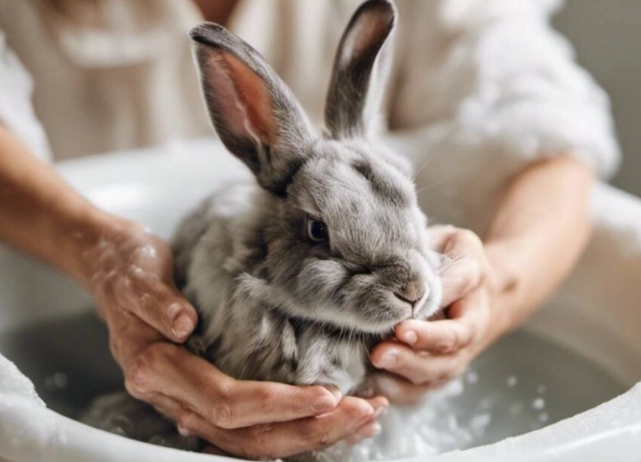
But here's the raw truth, the one most new owners aren't told until it's too late: giving a rabbit a full-body, water immersion bath is one of the most dangerous things you can do to them. It's not just "not recommended"—it's a genuine risk to their health and life. I learned this the hard way years ago with my first rabbit, Thumper, and the panic that followed a simple "butt bath" is something I never want another owner to experience.
So, let's cut through the cute YouTube videos and the old-fashioned advice. This guide isn't about scaring you. It's about giving you the real, practical knowledge to keep your rabbit safe, clean, and happy. We'll dig into why bathing is so risky, what you should do instead (and it works way better, trust me), and the only rare, specific circumstances where getting them wet might be unavoidable—and exactly how to do it with the least amount of trauma for both of you.
Stick with me. Your rabbit will thank you.
Why Bathing a Rabbit is Usually a Terrible Idea (The Danger List)
Rabbits are not cats, and they are most definitely not dogs. Their biology and psychology are built for a dry, groomed existence. When you ask "should you bathe a rabbit," you need to understand what you're up against. It's not just about getting wet; it's about a cascade of potential disasters.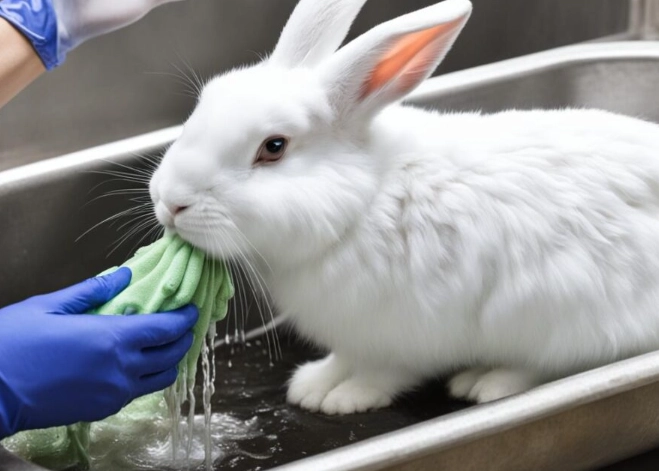
Let's break down the specific dangers, because knowing why makes it easier to remember what not to do.
Shock and Hypothermia: The Silent Killer
This is the big one, the one that can lead to death within hours. Rabbits have a very high body temperature and a delicate system for regulating it.
- Wet Fur is a Heat Sink: Their dense fur is designed to insulate. When soaked, it loses all insulating properties and actively pulls heat away from their body. They can become hypothermic even in a warm room.
- They Can't Dry Themselves Effectively: Unlike a dog that shakes, rabbits are not built to shed water. Their fur holds moisture like a sponge. Trying to dry them completely with a hairdryer is its own nightmare—it's terrifyingly loud and can easily overheat or burn their thin skin.
- Stress Multiplies the Problem: The panic of the bath itself causes a massive adrenaline surge, which further disrupts their internal systems. The combination of physical chilling and psychological terror is a brutal one-two punch.
Skin and Fur Problems Waiting to Happen
Even if your rabbit survives the bath without going into shock, the aftermath can be a long, itchy road.
- Dermatitis and Fungal Infections: Trapped moisture against the skin is a paradise for bacteria and fungi. This can lead to painful, smelly infections like "wet dewlap" in females or general dermatitis.
- Stripping Natural Oils: Rabbit skin produces essential oils that keep their fur healthy and water-resistant to a degree. Soap strips these away, leaving their skin dry, flaky, and vulnerable.
- Matted Fur: Wet rabbit fur, especially the undercoat, mats incredibly easily as it dries. These mats pull on the skin, are painful, restrict movement, and create hot spots for more problems. Removing them often requires shaving.
The Psychological Toll: It's Not "Just a Bath"
We have to stop thinking like humans here. For a rabbit, being submerged or drenched in water is a profound violation of their sense of safety.
Imagine this: You're suddenly grabbed, restrained, and plunged into an environment where you can't breathe normally, you're slipping, and you have zero control. That's a bath for a rabbit.
The resulting stress can cause:
- Immediate panic, struggling, and risk of spinal injury (they have powerful back legs but fragile spines).
- Long-term distrust of you, making all future handling and grooming a battle.
- Gastrointestinal stasis—the rabbit version of a nervous breakdown that shuts down their gut. This is a medical emergency requiring immediate vet care. The House Rabbit Society, a fantastic resource, consistently lists stress as a primary cause of GI stasis.
So, when someone asks should you bathe a rabbit, the overwhelming answer from experts and experienced owners is a resounding NO. The risks almost always outweigh any perceived benefit.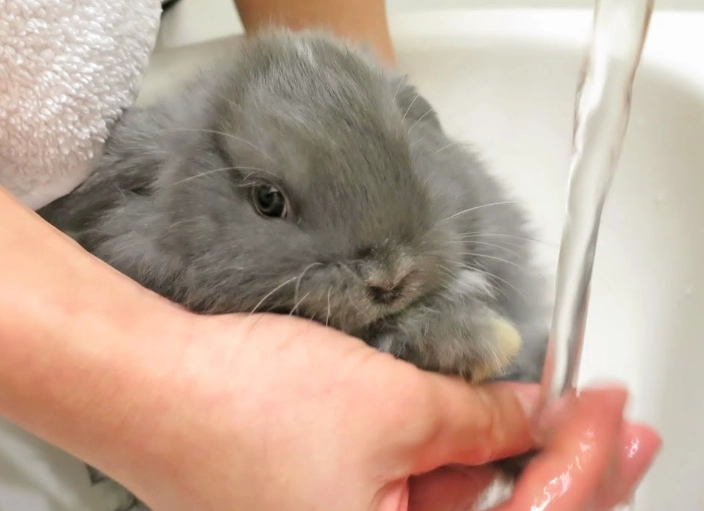
The Right Way to Keep Your Rabbit Clean (Forget the Tub)
Okay, so the tub is off-limits. But rabbits are clean animals—they groom themselves constantly like cats. Sometimes, they need a little help. The good news? The alternatives are easier, safer, and more effective for tackling the messes you're actually likely to encounter.
Think of it as targeted cleaning, not a full-scale assault.
Spot Cleaning: Your New Best Friend
This is the #1 skill for any rabbit owner. It's for poop-stuck bums, urine-soaked feet, or a bit of food gunk.
- Restrain Gently, But Securely: Wrap your rabbit in a towel like a burrito, exposing only the dirty area. This makes them feel secure and prevents scrambling.
- Damp Cloth, Not Dripping: Wet the cloth and wring it out completely. It should be barely damp.
- Soak and Wipe: For dried-on poop, hold the damp cloth against the area for 30 seconds to soften it, then gently wipe away. Never pick or pull.
- For Stubborn Poop: A light dusting of cornstarch can help dry out and loosen the matter, making it easier to brush or pick off with your fingers.
- Dry Thoroughly: Pat the area completely dry with a separate dry towel. Feel with your fingers to ensure no dampness is left against the skin.
Brushing: The Ultimate Preventative Medicine
Regular, gentle brushing is the single most important thing you can do for your rabbit's cleanliness and health. It removes loose fur, dirt, and prevents mats before they start.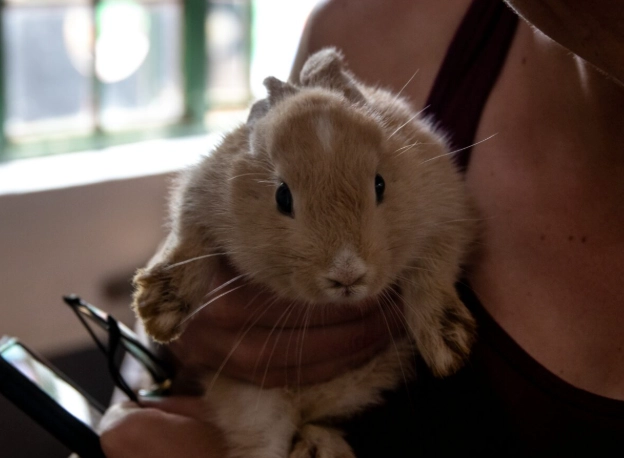
How often? During non-shedding seasons, a few times a week. During a shed (which can be shockingly heavy), you might need to brush daily. A slicker brush and a fine-toothed comb are a good combo.
Dry Baths (Dust Baths): A Natural Alternative?
You might see "small animal dry shampoo" or dust. Here's my take: be very, very cautious. While some owners use cornstarch-based powders sparingly, most vets I've spoken to are skeptical. Rabbits are meticulous groomers and will ingest whatever you put on their fur. Inhaling fine powders can also cause respiratory issues. Personally, I avoid them. A good brush and the occasional damp cloth are safer.
Keeping Their Environment Clean
A clean rabbit starts with a clean home. This is so obvious it's often overlooked.
- Litter Training: A well-litter-trained rabbit is far less likely to sit in its own waste. Use a large, absorbent litter (paper-based or aspen wood shavings, never cedar or clumping clay).
- Daily Spot Cleaning: Remove soiled litter and hay every day.
- Clean, Dry Flooring: Avoid wire-bottom cages that hurt feet and don't use damp bedding. Provide soft, dry mats or blankets.
See? You never once had to ask should you bathe a rabbit to solve these common issues.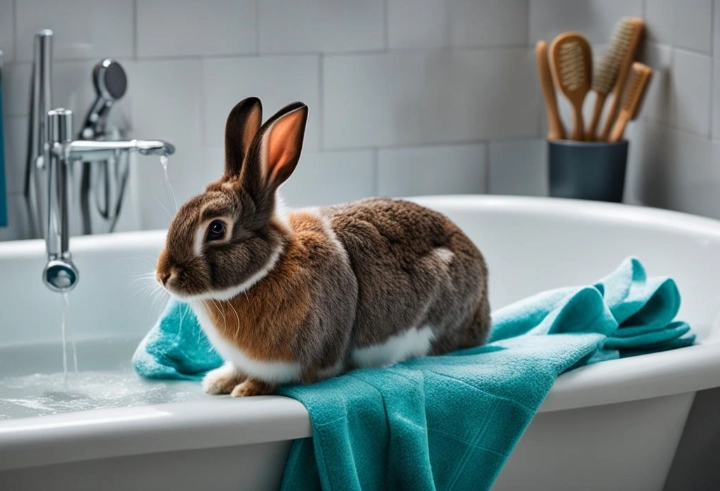
The Exception: When You Might *Have* to Bathe Your Rabbit
I've been hammering the "no bath" rule. But life is messy, and there are genuine emergencies. If your rabbit gets into something toxic, sticky, or oily that cannot be removed by spot cleaning, a bath may be the lesser of two evils. The key is knowing it's a last resort and doing it with extreme care.
Here’s a quick table to help you decide "Bath or Not?"
| Situation | Recommended Action | Reasoning |
|---|---|---|
| Muddy feet | Let dry, then brush. Or use a damp cloth. | Mud is harmless. The stress of a bath is greater than the benefit of instant cleanliness. |
| Urine stains on fur | Spot clean with damp cloth. | Localized issue. Full bath is massive overkill and risks urine scalding worsening if skin is wet. |
| Dried poop on bottom | Spot clean ("butt bath") as described above. | Targeted cleaning minimizes stress and exposure. |
| Got into cooking oil, paint, toxic substance | Last-resort bath following emergency steps below. | The danger of ingestion or toxicity from licking outweighs the bath risk. Contact vet first! |
| Severe diarrhea soiling | Vet visit FIRST, then spot clean per vet advice. | Diarrhea is a symptom of serious illness. Bathing a sick rabbit is extremely dangerous. |
The Emergency Bath Protocol: Step-by-Step Damage Control
If you must do it, this is how. Prepare everything in advance so the actual wet time is under 5 minutes.
- Call Your Vet: Seriously, call them first. Describe the situation. They may have specific advice or tell you to bring the rabbit in for professional care.
- Prepare the Area: Fill a sink or basin with just 1-2 inches of lukewarm water. Have the pitcher of clean rinse water ready. Close windows, turn off fans—make the room warm and draft-free.
- Secure Your Rabbit: Place them gently in the shallow water, supporting their entire body. Talk softly. Never submerge their head or ears. Keep water out of eyes, nose, and ears.
- Shampoo (If Absolutely Needed): Apply a tiny amount of shampoo to your hands, lather, and apply only to the soiled area. Avoid the genital region and stomach if possible.
- The Critical Rinse: Use the pitcher or showerhead on a gentle, lukewarm flow to rinse completely. Any leftover shampoo will irritate skin.
- The Dry-Off Marathon: This is the most important part. Immediately wrap them in the first dry towel, blotting and absorbing as much water as possible. Switch to the second dry towel. Hold them securely in your lap, wrapped up.
- Complete Drying: Keep them in a warm, enclosed space (like a carrier with dry towels) in the warm room. Check frequently. You may need to change the damp towels underneath them. Do not use a human hairdryer unless it's a silent, cool-setting model held at a great distance, and even then, it's often more frightening than helpful.
- Monitor Closely: Watch for signs of shock (lethargy, cold ears, shallow breathing) or GI stasis (not eating, not pooping) for the next 24 hours. If you see anything off, call the vet.
It's an ordeal. For you and for them. This is why the question should you bathe a rabbit is so critical to get right from the start.
Answering Your Burning Questions (The FAQ)
Wrapping It Up: The Clear Path Forward
So, after all this, where do we land on the core question? Should you bathe a rabbit?
The answer is a qualified, nuanced one. For 99% of situations in a rabbit's life, a full-body water bath is unnecessary, dangerous, and counterproductive. It introduces risks of shock, illness, and psychological damage that far outweigh the benefit of a clean coat. The rabbit's own grooming instincts, supported by your regular brushing and occasional spot cleaning, are more than sufficient to keep them in good condition.
Embrace the brush. Master the damp cloth.
Focus your energy on preventing messes through a clean habitat, a proper diet (which directly affects cecotropes and poop consistency), and good litter habits. That's real rabbit care.
Reserve the thought of a bath only for those true, rare emergencies involving toxic or dangerous substances, and even then, treat it as a medical procedure—done with planning, speed, and followed by vigilant aftercare.
Your rabbit's trust and health are the priority. Keeping them clean the safe way protects both.
Comment