Quick Navigation
Let's be honest, the first time someone suggests using animal waste on your precious tomato plants, you probably make a face. I know I did. My uncle, a gardener with hands permanently stained with soil, swore by the stuff. He'd point to his towering bean plants and say, "It's all thanks to the bunnies." I thought he was just being eccentric. But then I tried it myself.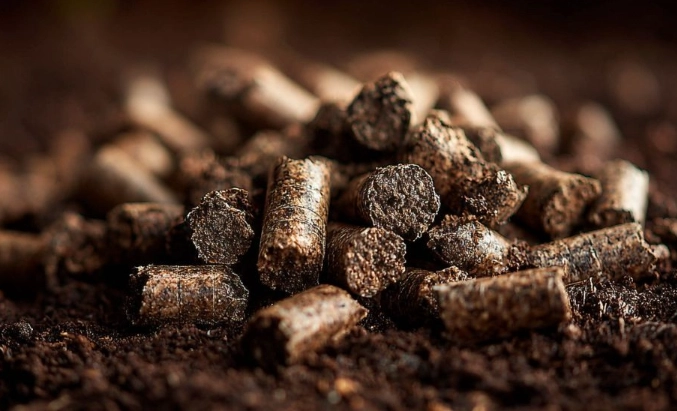
The question isn't just a quirky one—is rabbit poop good fertilizer? For a huge number of backyard gardeners and small-scale homesteaders, it's a serious query about a free, readily available resource. We're all looking for that magic bullet, that thing that makes our gardens explode with life without costing a fortune or harming the environment.
Spoiler alert: it's not magic, but it's pretty darn close.
This isn't about some trendy, overpriced garden product. This is about turning what most people see as a smelly problem into black gold. If you've ever kept rabbits, or know someone who does, you've got access to one of the most balanced and gentle fertilizers nature provides. But like anything in gardening, there's a right way and a wrong way to use it. You can't just dump it and hope for the best.
Here's the core truth upfront: Rabbit manure is widely considered a top-tier, all-natural fertilizer. It's packed with nutrients, improves soil structure, and is remarkably user-friendly compared to manure from many other livestock. The short answer to "is rabbit poop good fertilizer?" is a resounding yes. But the how and why are where things get interesting.
Why Rabbit Poop Gets a Gold Star from Gardeners
So what's the big deal? Why is rabbit manure so special? It all comes down to biology and diet. Rabbits are efficient little processing machines. Their digestive system is unique—they produce two types of droppings, but the ones we collect for the garden are the hard, round pellets. These are essentially concentrated, partially broken-down plant matter.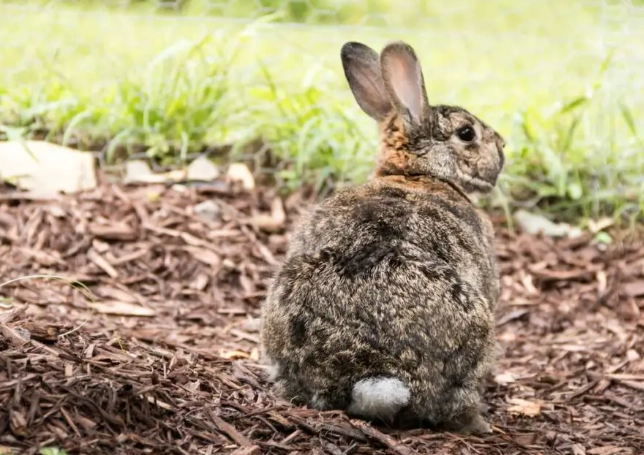
Unlike manure from cows or horses, rabbit droppings are what we call a "cold" manure. This is a crucial point. Fresh cow manure is "hot"—it's so rich in nitrogen and other compounds that it will literally burn plant roots if applied directly. It needs to be composted for months, sometimes even a year, to mellow out. Rabbit poop? Not so much.
You can often apply it directly to the garden without the fear of burning your plants. That's a game-changer for lazy gardeners like me who sometimes miss the ideal composting window. I've side-dressed my peppers with a handful of aged pellets in a pinch, and they never complained.
But the benefits go beyond just being gentle. Let's break down what's actually in this stuff.
The Nutrient Powerhouse: What's in the Pellets?
All fertilizers are graded by their N-P-K ratio: Nitrogen (N) for leafy green growth, Phosphorus (P) for roots and flowers, and Potassium (K) for overall plant health and disease resistance. Synthetic fertilizers have these numbers printed in big type on the bag. With rabbit manure, you have to dig a little deeper.
The exact numbers vary based on the rabbit's diet, age, and even breed, but the typical N-P-K ratio for rabbit manure is often cited as around 2.4 - 1.4 - 0.6. Now, that might not sound as explosive as a 20-20-20 chemical mix. And it's not. That's the point.
It's a balanced, slow-release formula. The nitrogen is there, but it's not going to force a massive, weak burst of growth that attracts every aphid in the county. It feeds the soil ecosystem—the bacteria, fungi, and worms—which in turn feeds your plants in a steady, sustainable way. It's about building health from the ground up, not giving your plants a sugary soda rush.
Beyond the big three, rabbit manure is loaded with micronutrients like calcium, magnesium, and trace minerals that bagged fertilizers often ignore. It also contains a decent amount of organic matter, which is absolute gold for soil structure. If you have heavy clay soil, organic matter helps break it up. If you have sandy soil that drains too fast, organic matter helps it retain moisture and nutrients.
Think of it as a multivitamin and a probiotic for your garden bed, all in one.
Rabbit Poop vs. The Competition: A Manure Showdown
It's one thing to say rabbit manure is good. It's another to see how it stacks up against the other common options. This was the comparison that really convinced me. I was a longtime chicken manure user, but the hassle of composting it for months was a drag.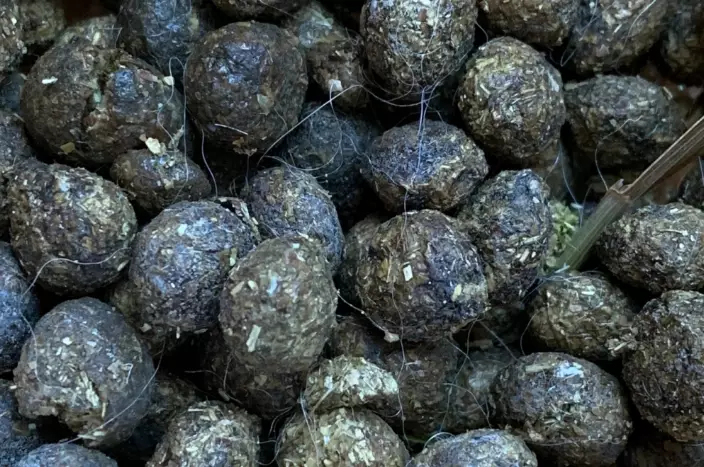
Let's look at the data. The following table compares rabbit manure with other common animal manures based on key gardener-friendly factors. I've pulled the average nutrient data from reliable horticultural sources, like the Penn State Extension and the University of Maryland Extension, which have fantastic, science-based resources on soil amendments.
| Manure Type | Avg. N-P-K (Approx.) | "Hot" or "Cold"? | Composting Time Needed | Key Gardener Notes |
|---|---|---|---|---|
| Rabbit | 2.4-1.4-0.6 | Cold | Can be used fresh (but aging is better) | Low odor, balanced, great for soil structure. |
| Chicken | 1.1-0.8-0.5 (varies widely) | Very Hot | 6-12 months minimum | Very high in nitrogen, can easily burn plants. Strong odor. |
| Horse | 0.7-0.3-0.6 | Hot | 3-6 months | Often contains weed seeds from feed. Bulky. |
| Cow | 0.6-0.2-0.5 | Hot | 6-12 months | Very common, but low nutrient density. Very wet. |
| Sheep/Goat | 0.7-0.3-0.9 | Hot | 3-6 months | Similar to rabbit in pellet form, but hotter. |
Looking at this, the advantages of rabbit poop as fertilizer become pretty clear. The "cold" nature is a massive practical win. The balance is another. Chicken manure might have a higher nitrogen punch sometimes, but the risk and the wait aren't worth it for my small garden.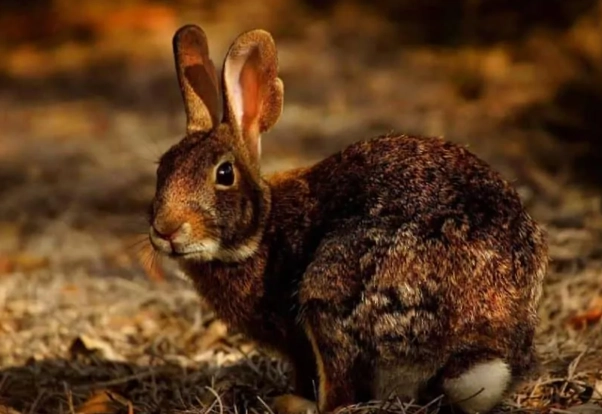
I remember getting a load of "aged" horse manure from a friend. My garden was overrun with weeds for two seasons. Turns out it wasn't aged enough, and the hay seeds were still viable. That's a headache you rarely get with rabbit manure, especially if your rabbits are fed primarily pellets and hay from a bag.
It's not that other manures are bad. They all have their place. But for ease of use, safety, and overall benefit, rabbit manure is hard to beat.
How to Actually Use Rabbit Manure in Your Garden
Alright, so you're convinced that yes, rabbit poop is good fertilizer. Now what? You've got a bag or a bucket of these little pellets. How do you turn them into plant food?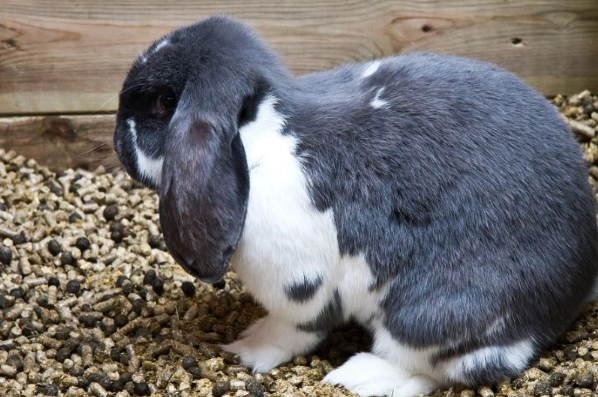
You've got several fantastic options, each with its own pros and cons. I've experimented with all of these over the years.
Method 1: Direct Application (The Easy Way)
This is the method that showcases the "cold manure" benefit. You can take aged rabbit manure (let it sit in a dry place for a few weeks to a few months) and work it directly into your garden soil before planting. I'd avoid putting fresh pellets right against tender seedling roots, but for established plants, you can side-dress them by sprinkling a handful of pellets around the base of the plant and lightly scratching them into the topsoil.
How much? A general rule is about 1 to 2 quarts of dry pellets worked into a 10-square-foot area before planting. It's not an exact science. I tend to be a bit more generous in my hungry vegetable beds and lighter around perennials.
A quick but important safety note: While the risk is lower than with other manures, any animal manure can potentially harbor pathogens like E. coli. The USDA's National Agricultural Library provides guidelines on manure safety. To be extra safe, especially for root crops or leafy greens you'll eat raw, either compost it properly or apply it in the fall so it has all winter to break down in the soil. Always wash your produce thoroughly. This isn't meant to scare you—it's just good gardening hygiene.
Method 2: The Compost Pile Champion
This is where rabbit manure truly shines. If you have a compost bin, rabbit pellets are like adding a turbocharger. They are a fantastic "green" or nitrogen-rich material. Their small, dry size means they incorporate easily and break down quickly.
I layer them in my compost bin with my "browns"—dried leaves, shredded newspaper, straw. It heats up the pile beautifully. Because the pellets are already partially broken down from the rabbit's digestion, they decompose faster than, say, a chunk of vegetable scrap. The resulting compost is dark, crumbly, and smells like a forest floor—the best smell in the world to a gardener.
If you're asking, "Is rabbit poop good fertilizer for my compost?" the answer is that it's arguably the best animal manure for the job.
Method 3: Brewing Manure Tea (The Liquid Gold)
This is my secret weapon for giving plants a mid-season boost. Manure tea is exactly what it sounds like: a nutrient-rich liquid fertilizer you make by steeping manure in water.
My Simple Manure Tea Recipe:
- Fill a 5-gallon bucket about 1/3 full with aged rabbit manure pellets (a mesh bag or old pillowcase makes cleanup easy).
- Top it off with water. Rainwater is best, but tap water left out for a day to dechlorinate works fine.
- Let it steep for 3-5 days. Stir it once a day. It will get bubbly and develop a... distinctive aroma. Do this downwind from your house.
- Strain out the solids (toss them in the compost pile!). Dilute the dark liquid until it looks like weak iced tea.
- Water your plants at the soil line with this tea every 2-3 weeks during the growing season.
The effect is noticeable. My tomatoes get a deeper green color, and my flowering plants seem to produce more buds. It's a direct, fast-acting feed, but still gentle because it's organic. Just don't use it on seedlings—it's too strong for them.
Answering Your Burning Questions (The FAQ)
Over the years, I've heard every question imaginable about using rabbit poop. Here are the real ones people ask, not the fluffy ones.
Is rabbit poop good fertilizer for all plants?
Pretty much. Its balanced nature makes it a great all-purpose amendment. I've used it on vegetables (tomatoes, peppers, squash, lettuce), fruits (strawberries, blueberries), flowers (roses, sunflowers), and even houseplants (diluted tea only!). Heavy feeders like corn and squash love it. The only plants I might be cautious with are those that prefer very lean, poor soil, like some native wildflowers or lavender.
Can it burn my plants?
This is the #1 fear. With properly aged rabbit manure, the risk is extremely low. That's its superpower. Fresh from the hutch, it's still milder than most. However, if you pile it a foot deep around a plant stem, you might cause problems—more from moisture retention and rot than chemical burn. Just use common sense. A little goes a long way.
What about the smell?
Fresh rabbit urine has an ammonia smell, but the dry pellets themselves have a very mild, earthy odor—nothing like chicken or pig manure. Once incorporated into soil or compost, you won't smell it at all. If your stored manure smells bad, it's likely too wet and needs more dry bedding (like straw) mixed in.
Where do I even get rabbit manure?
If you don't have rabbits, check local sources. This is a great way to close a local loop. Ask at:
- Local feed stores (they often have bulletin boards).
- 4-H clubs or FFA chapters.
- Facebook Marketplace or local gardening groups. Many rabbit breeders are thrilled to give the stuff away just to get rid of it. I got my first batch for free from a neighbor whose kids' 4-H rabbits were prolific producers.
How do I store it?
Keep it dry. I use a plastic garbage can with a tight lid in my shed. You can also bag it in those woven feed sacks. The goal is to keep rain off it and prevent it from becoming a soggy, anaerobic mess. Dry pellets store almost indefinitely.
The Not-So-Perfect Side: A Few Cautions
It wouldn't be a honest guide if I didn't mention the potential downsides. Rabbit manure isn't a flawless fairy dust.
First, it's not a complete, stand-alone fertilizer for heavily cropping plants over a full season. It's fantastic for building soil and providing a broad spectrum of nutrients, but if you're growing giant pumpkins or trying to maximize yield in a small space, you might need to supplement with a bit of extra phosphorus or potassium depending on your soil test. The USDA's resources on soil health always recommend starting with a soil test, and I agree. It takes the guesswork out.
Second, while rare, there is always a slight pathogen risk with any manure. We covered this, but it bears repeating for folks growing food. Proper composting or fall application mitigates this to near zero.
Finally, it can attract flies if left sitting in an open, moist pile. Keeping it covered and dry solves 99% of that problem.
So, is rabbit poop good fertilizer when you weigh these small issues against the benefits? In my book, absolutely. The pros massively outweigh the cons.
Wrapping It Up: From Waste to Wonder
Looking back at my uncle's garden, I get it now. He wasn't just being cheap or eccentric. He was using a resource that was readily available to him, understood its properties, and applied it with care. That's the essence of good gardening.
Rabbit manure isn't a mythical cure-all. No single thing is. But it is a remarkably effective, safe, and sustainable soil amendment that turns a waste product into a cornerstone of garden fertility. It feeds the soil, and the soil feeds the plants. That cycle is what organic gardening is all about.
If you have access to it, give it a try. Start small. Toss some aged pellets into your compost bin. Brew a weak batch of manure tea for your flower pots. See what happens. I think you'll be pleasantly surprised. The evidence in favor of using rabbit poop as fertilizer is just too strong to ignore—it's a practice backed by both generations of gardener experience and solid horticultural science.
Your garden, and maybe even your neighbor's confused rabbits, will thank you for it.
Comment