Quick Guide
- First Things First: Understanding Rabbit Reproduction
- The Timeline of Signs: From Mating to Kindling
- Comparing Your Detection Options
- What to Do (and Not Do) If You Suspect Pregnancy
- Answering Your Burning Questions (FAQ)
- The Final Countdown: Preparing for Birth
- Wrapping It Up: Trust the Process, But Be Prepared
So you think your bunny might be expecting? It's a mix of excitement and panic, right? One day you have a pet rabbit, the next you might be on the hook for a whole litter. Knowing how to tell if a rabbit is pregnant isn't always straightforward. Unlike dogs or cats, rabbits are prey animals. They're masters at hiding weakness and discomfort, including pregnancy, right up until the last minute. It's a survival thing. But that doesn't mean you're completely in the dark.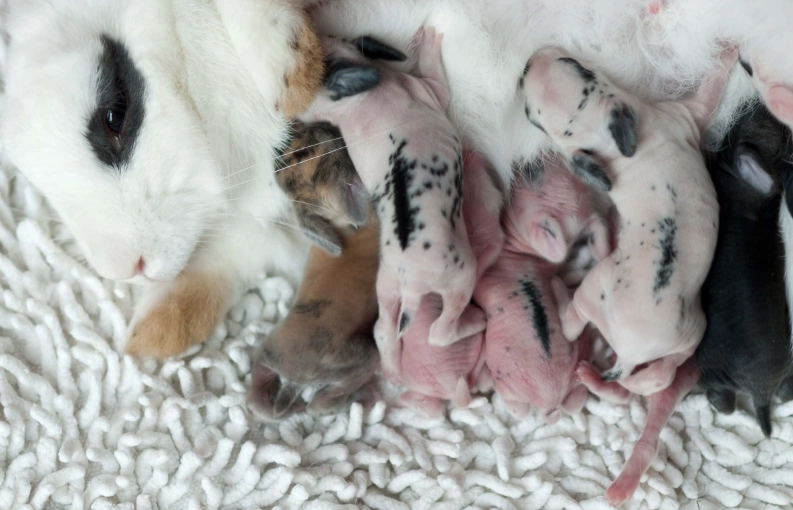
I remember when I first suspected one of my does, Hazel, was pregnant. She'd been with a buck (accidentally – those cages aren't always as secure as you think!). I spent days obsessing, watching her every move, trying to feel her belly and getting nothing but a grumpy thump for my efforts. It's a stressful time if you're unprepared.
This guide is here to cut through that stress. We're going to walk through everything – from the subtle behavioral shifts in the first week to the undeniable physical changes right before kindling (that's the fancy word for rabbit birth). We'll cover what you can do at home and when it's absolutely time to call the vet. Forget vague advice; we're getting into the nitty-gritty details that actually help you figure it out.
First Things First: Understanding Rabbit Reproduction
Before we dive into the signs, you gotta know what you're dealing with. Rabbits are… enthusiastic breeders. A female rabbit (doe) doesn't have a regular heat cycle like other mammals. She's induced into ovulation. That means mating *triggers* the release of eggs, usually within 10-13 hours after. This is why rabbit pregnancies are so common even from brief encounters.
The rabbit gestation period is famously short. It averages 31 days, but it can range from 28 to 35 days. Smaller breeds tend to have shorter pregnancies. Mark the potential mating date on your calendar. This is your single most important piece of information for tracking the timeline.
Here’s a quick fact that trips up many new owners: Pseudopregnancy (false pregnancy). A doe can exhibit many pregnancy signs – nesting, aggression, even weight gain – without being pregnant. This can happen after a mount (even if not fertile), after being housed near a male, or sometimes seemingly out of the blue. It usually lasts about 16-18 days. So seeing signs doesn't always equal babies. It’s frustrating, I know.
The Timeline of Signs: From Mating to Kindling
Rabbit pregnancy signs unfold in stages. Looking for the right thing at the right time saves you a lot of guesswork.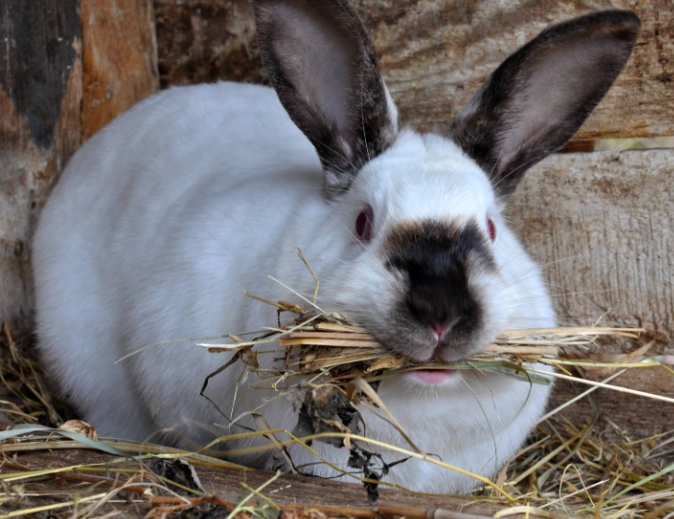
Early Stage (Days 1-14): Subtle Hints and Behavioral Clues
In the first two weeks, physical changes are minimal inside the doe. The embryos are tiny. This is the realm of behavior.
- Changes in Appetite: This can go either way. Some does eat like champions from day one. Others become picky or eat slightly less. It's not a reliable sign on its own, but a sudden, sustained change paired with other clues is noteworthy.
- Mood Swings and Aggression: This is a big one. Your normally sweet, cuddly bunny might suddenly grunt, lunge, or even bite when you try to pet her or reach into her space. She's protecting her potential kits. I've had does who would box at my hand through the cage bars. If this starts around week two, pay attention.
- The First Nesting urge (False Start): Sometimes around days 10-12, you might see a half-hearted attempt at gathering hay. This is often linked to pseudopregnancy, but it can be an early real sign too.
How to tell if a rabbit is pregnant this early? Honestly, at home, you mostly can't be sure. Behavioral signs are clues, not proof.
Middle Stage (Days 14-25): Things Get More Obvious
This is when the puzzle pieces start fitting together.
- Weight Gain: You'll notice her sides starting to round out. It's not a massive bulge yet, but she'll feel heavier when you pick her up (if she lets you!). A good practice is to have a baseline weight for your rabbit. A steady increase of 0.5-1 oz per day in the second half of pregnancy is common.
- Palpation (The Professional Method): Between days 10 and 14, an experienced rabbit vet or breeder can gently feel the abdomen and detect small, grape-sized embryos. DO NOT try this yourself. You can easily injure the developing kits or cause a miscarriage. It requires a specific technique. This is the earliest definitive method for learning how to tell if your rabbit is pregnant. Organizations like the House Rabbit Society stress the importance of vet care in breeding scenarios.
- Nesting Behavior Kicks In: As she enters the final week, the instinct to build a nest becomes powerful. She'll start actively gathering hay, straw, or any other bedding material in her mouth and carrying it to a chosen corner. She might also start plucking her own fur from her dewlap, chest, and belly. Seeing a bald patch on her chest can be a shock, but it's perfectly normal. She's lining the nest for her kits.
Late Stage (Days 25-31): The Unmistakable Signs
If you were unsure before, you won't be now.
- Visible Abdominal Enlargement: Her belly will be large, round, and firm. She may look like she swallowed a tennis ball. You can see the movement from the side.
- Prominent Nipples: Her mammary glands will enlarge and become very visible, often turning a pinker color. This is a surefire sign that her body is preparing for milk production.
- Full-On Nesting: She'll be obsessed with building the perfect nest. Provide her with a sturdy nest box (like a cardboard box with one side cut down) filled with soft hay. She'll arrange it and line it with her fur. Once she pulls a large amount of fur, birth is usually within 24-48 hours.
- Appetite Peaks or Dips: Right before kindling, some does stop eating entirely. Others eat ravenously up to the last moment.
At this point, the question of how to tell if a rabbit is pregnant is answered. She very clearly is.
Comparing Your Detection Options
Let's break down the methods in a simple table. This helps you decide which path makes sense for your situation.
| Method | Best Time to Use | Accuracy | Risk | Who Should Do It |
|---|---|---|---|---|
| Behavior Observation (Mood, Nesting) | Days 7-31 | Low to Medium (False pregnancies common) | None | Owner at home |
| Weight Monitoring (With a scale) | Days 14-31 | Medium | Low (Stress from handling) | Owner at home |
| Abdominal Palpation | Days 10-14 | Very High | High if done incorrectly | Rabbit-Savvy Veterinarian ONLY |
| Ultrasound | Days 14+ | Definitive (Can see/heartbeats) | Low (performed by vet) | Veterinarian |
| Physical Signs (Belly, Nipples) | Days 25-31 | Very High | None | Owner at home |
See what I mean? If you need to know early for planning purposes, the vet is your only real option. If you can wait, nature will give you the billboard signs.
What to Do (and Not Do) If You Suspect Pregnancy
Okay, so you've seen the signs. Now what? Your actions can make a huge difference.
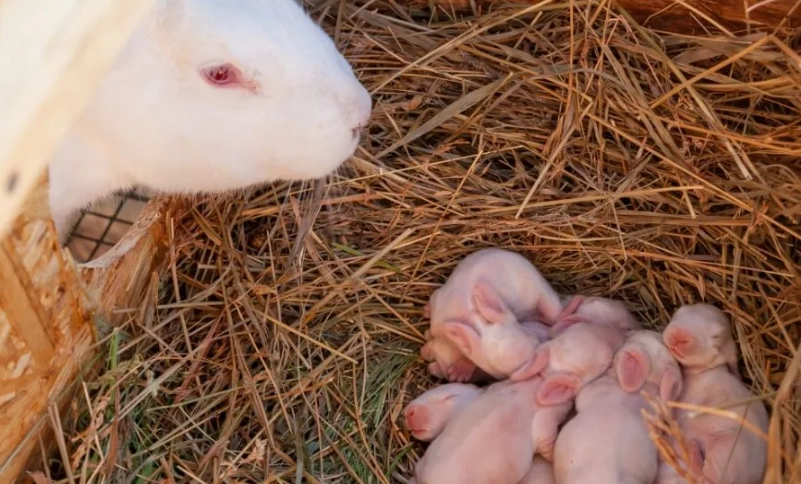
Seriously, the RSPCA and other welfare organizations strongly advise against casual breeding due to the risks of complications and the challenge of finding homes for kits. It's a major commitment.
You should also have a rabbit-savvy vet lined up. Know their emergency contact info. While most rabbit births go smoothly, you need to be ready for dystocia (difficult birth) or mastitis.
Answering Your Burning Questions (FAQ)
Here are the real questions rabbit owners scramble to Google. Let's tackle them head-on.
How soon can you tell if a rabbit is pregnant?
A vet can tell via palpation as early as 10-14 days. For you at home, behavioral hints might start around then, but you won't be *sure* until the physical changes in the last week (days 25+).
Can a rabbit have a false pregnancy?
Yes, absolutely. It's very common. She'll show nesting, aggression, and even weight gain for about 16-18 days, then it all just… stops. Her body resets. It's a hormonal rollercoaster that accomplishes nothing. It's nature's cruel trick.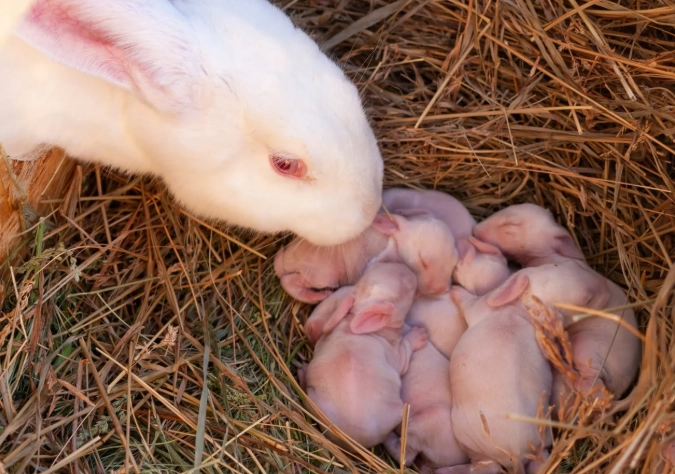
My rabbit is pulling fur but no babies?
This is usually the hallmark of a false pregnancy. She'll pull fur, build a nest, and then… nothing. She might even sit in the empty nest looking confused. It's sad to watch. Just remove the nest materials after a couple of days to help her move on.
How many babies do rabbits have?
Litter size varies wildly by breed. Smaller breeds (like Netherland Dwarfs) may have 2-4 kits. Larger breeds (like Flemish Giants) can have 8-12. The average is around 6. Don't be surprised by the number!
What if my rabbit is pregnant and I didn't want her to be?
First, don't panic. Second, do not try to separate her from a male if they are living together. The stress can cause harm. House them side-by-side but separately. Start planning NOW. You will need to care for the doe, and then find responsible, vetted homes for the kits at 8 weeks old. This is a lot of work. Spay the doe once the kits are weaned to prevent future surprises.
How to tell if a rabbit is pregnant when it was an accident? The signs are the same. The urgency to prepare is just higher.
The Final Countdown: Preparing for Birth
When she's pulling large amounts of fur and looking very round, you're on standby. Provide peace and quiet. She will almost always give birth at night or in the very early morning. She doesn't need your help. In fact, interfering can cause her to abandon or harm the kits.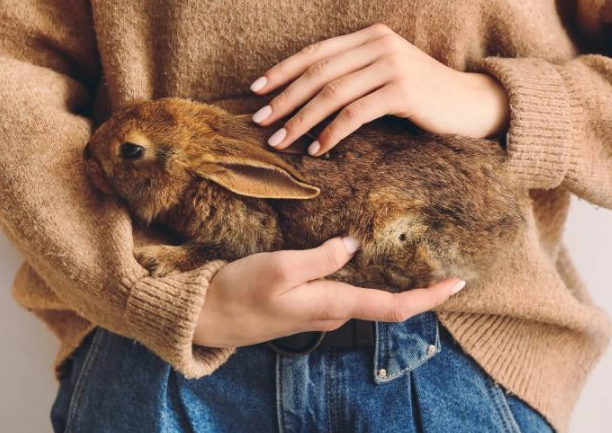
After birth, check the nest discreetly. Remove any stillborn kits (they will be cold and unlike the others). Do this quickly without disturbing the rest. The doe will feed the kits once or twice a day for just a few minutes. Don't panic if you never see her feeding them; she knows what she's doing.
Ensure she has unlimited food and water—nursing is energetically demanding. Handle the kits as little as possible for the first two weeks.
Wrapping It Up: Trust the Process, But Be Prepared
Figuring out how to tell if a rabbit is pregnant is a skill that blends observation, knowledge, and a bit of patience. Start by watching her behavior, especially if you know a mating could have occurred. Use the timeline as your guide. When in doubt, or if you need early confirmation, your veterinarian is your best ally.
The most important takeaway? If you are not intentionally breeding with a plan for every single potential kit, please spay your female rabbit. It prevents reproductive cancers, eliminates the risk of uterine infections (pyometra), and of course, stops surprise litters. It's the single best thing you can do for her long-term health and your peace of mind.
Raising a litter is rewarding but incredibly demanding. Whether you're eagerly awaiting new kits or managing an unexpected situation, knowledge is power. Watch your doe closely, support her with excellent nutrition and a calm environment, and get ready for the incredible (and slightly chaotic) journey of rabbit kits.
Reader Comments