Quick Guide
- Understanding Your Fuzzy Adversary: Why Rabbits Love Your Garden
- The Gold Standard: Physical Barriers (The "Keep Them Out" Method)
- The Arsenal of Repellents: Scents, Tastes, and Sounds
- Scare Tactics and Habitat Modification
- The Long Game: Plant Selection and Garden Strategy
- Trapping and Relocation: The Complicated Option
- Putting It All Together: Your Custom Rabbit Deterrence Plan
- Common Questions (And Straight Answers)
Let's be honest. There's nothing quite as frustrating as walking out to your garden in the morning, coffee in hand, only to find your lettuce nibbled to the stem, your bean sprouts vanished, and little round droppings scattered around like they own the place. Rabbits. They're cute in cartoons, but in the garden, they're a fluffy-tailed menace. I've lost more seedlings than I care to admit to these voracious little herbivores. If you're searching for how to deter rabbits from garden beds, you've come to the right place. This isn't about declaring war, but about smart, persistent, and often humane defense.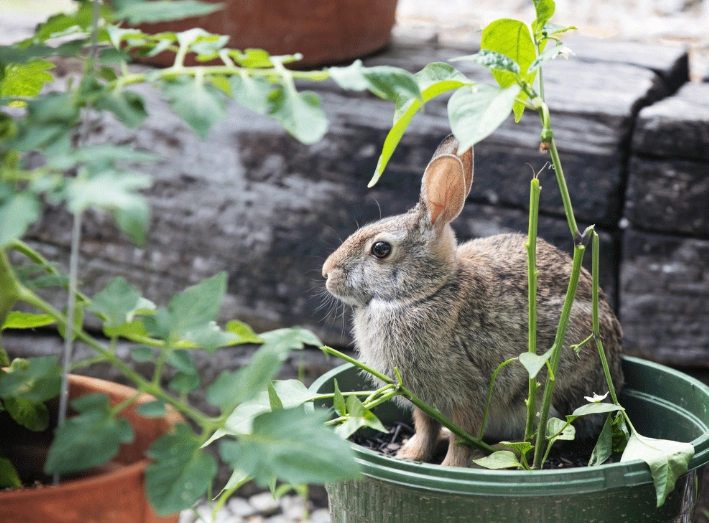
You see, the problem with most advice out there is it's either too simplistic ("just get a fence!") or it pushes products that don't really work. I've tried the garlic spray, the Irish Spring soap, the plastic owls... some worked for a day, others not at all. What you need is a layered strategy, an understanding of your opponent, and a good dose of patience. This guide pulls from my own trial-and-error (plenty of error), conversations with veteran gardeners, and solid information from places like the Penn State Extension and the Washington Department of Fish and Wildlife. We're going to build a plan that actually works.
Understanding Your Fuzzy Adversary: Why Rabbits Love Your Garden
Before you can effectively learn how to deter rabbits from garden spaces, you need to know what you're up against. Rabbits aren't just random pests; they're creatures of habit with specific needs. They're looking for three things: food, shelter, and a safe place to breed. Your garden, with its tender plants, loose soil for burrowing, and plenty of hiding spots (under decks, in brush piles), is a five-star resort for them.
They're also incredibly persistent and cautious. A rabbit will scope out an area for days before committing. They have a wide field of vision to spot predators, but their eyesight isn't great up close. They rely heavily on smell and hearing. This is key—many deterrents work by exploiting these senses. They're also prolific breeders. One pair can produce dozens of offspring in a single season, which is why a small problem can explode overnight. The USDA Wildlife Services notes that managing rabbit populations often requires addressing the attractants, which is more effective than just reacting to the damage.
The Gold Standard: Physical Barriers (The "Keep Them Out" Method)
If you want a surefire solution for how to keep rabbits out of garden areas, physical barriers are it. This is the most effective, long-term strategy, especially for vegetable patches. But it's not just about throwing up any old fence.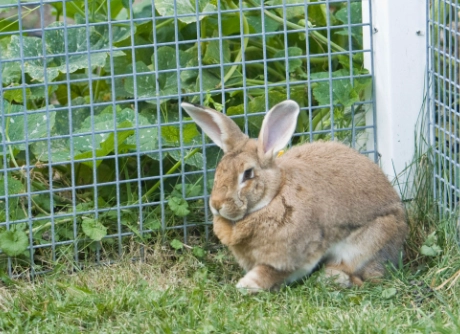
The Perfect Rabbit Fence: Specifications That Matter
A fence that fails is worse than no fence at all—it gives you a false sense of security. Here's what works:
- Material: Chicken wire or hardware cloth is best. The mesh should be 1-inch or smaller. Baby rabbits (kits) can squeeze through astonishingly small gaps.
- Height: At least 2 feet tall above ground. Rabbits aren't great high jumpers, but they can scramble over low obstacles.
- Depth: This is the part everyone forgets. Rabbits dig. You need to bury the bottom of the fence at least 6 inches deep, bending the bottom 6 inches outward in an L-shape to create an underground apron. Alternatively, pin the bottom tightly to the ground with landscape staples every few feet.
- Gates: The weakest point. Ensure gates fit snugly and latch securely. A rabbit can slip through a gap the width of your thumb.
Protecting Trees and Shrubs
Rabbits girdle trees and shrubs in winter when other food is scarce, chewing the bark all the way around, which can kill the plant. The solution is simple: tree guards. Use commercial plastic spiral guards or make your own from hardware cloth. Ensure they're tall enough—snow can elevate the rabbit's reach, so go for 18-24 inches high. Remember to remove or loosen them in spring so they don't constrict the tree's growth.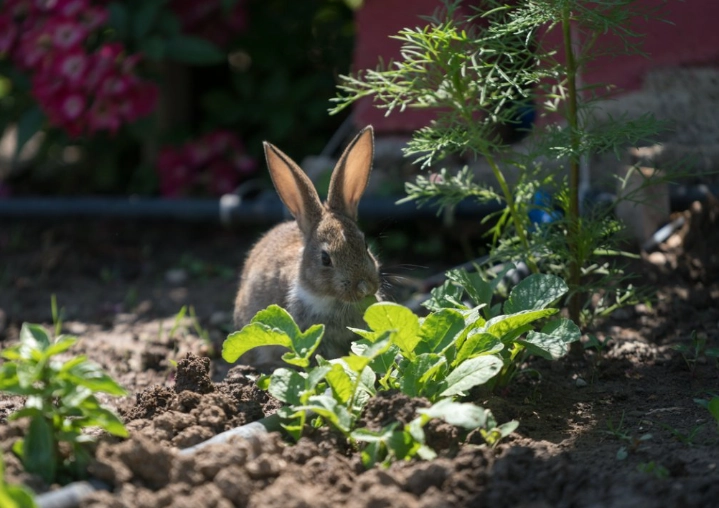
The Arsenal of Repellents: Scents, Tastes, and Sounds
When fencing isn't practical for your entire yard, repellents are your next line of defense. The goal here is to make your garden smell, taste, or feel dangerous or unappealing. Effectiveness varies wildly, and you'll often need to rotate products.
Commercial Repellents: What to Look For
These typically fall into two categories: odor-based (predator urine, putrescent egg solids) and taste-based (bittering agents like capsaicin from hot peppers). Look for products registered with the Environmental Protection Agency (EPA) for use on edible plants, and always follow the label instructions. A product like Plantskydd, which uses blood meal as a base, has a good reputation among gardeners for being rain-resistant and long-lasting.
Homemade and Natural Rabbit Repellents
If you prefer a DIY approach to how to deter rabbits from garden organically, here are a few homebrewed options. Their potency varies, but they're cheap to make and reapply.
- Hot Pepper Spray: Steep several chopped hot peppers (habanero, cayenne) in a gallon of water with a drop of dish soap (to help it stick) for 24 hours. Strain and spray liberally on plant leaves. Wear gloves and eye protection! Reapply after rain.
- Garlic and Onion Spray: Similar process. The strong odor can mask the appealing smell of your plants.
- Vinegar-soaked Cloths: Soak rags in white vinegar and place them on stakes around the garden perimeter. The smell is strong for humans too, so place them downwind.
Here’s a quick comparison of common repellent strategies to help you choose:
| Method | How It Works | Effectiveness | Best For | Maintenance Level |
|---|---|---|---|---|
| Commercial Scent Repellent | Mimics predator smell (e.g., coyote urine) | Medium-High (if rotated) | Perimeter defense, ornamental beds | High (Reapply every 2-4 weeks/rain) |
| Commercial Taste Repellent | Makes plants taste bitter/spicy | Medium | Edible plants, young seedlings | High (Reapply frequently) |
| Homemade Pepper Spray | Taste deterrent | Low-Medium | Small-scale, supplemental use | Very High (Reapply often) |
| Blood Meal (Fertilizer) | Strong smell of blood deters herbivores | Medium | Soil amendment & deterrent combo | Medium (Reapply monthly) |
Scare Tactics and Habitat Modification
This is about making your yard an inhospitable place for rabbits to hang out. You're removing their comfort zone.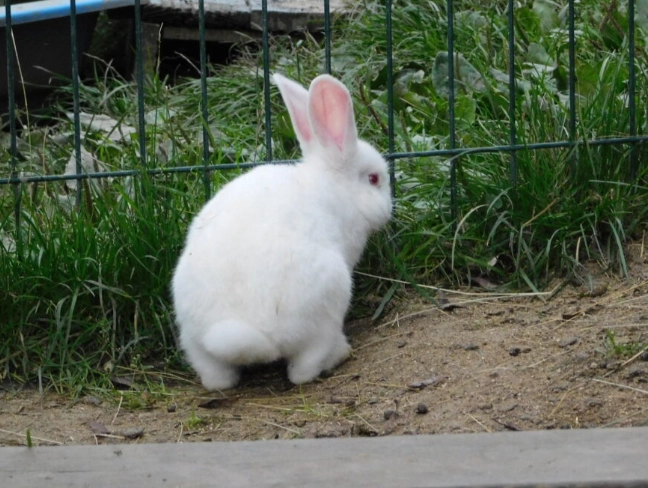
Scare Devices: Do They Work?
Things like plastic owls, reflective tape, pinwheels, and ultrasonic devices get mixed reviews. The universal truth with scare devices is that rabbits (and most animals) habituate to them. A scarecrow might work for three days. The key is movement, sound, and unpredictability.
- Motion-activated sprinklers: These are the kings of scare tactics. A sudden blast of water startles the rabbit and gets it wet—two things they hate. Brands like ScareCrow are highly effective but can be pricey. They also water your garden!
- Reflective tape or old CDs: Fluttering and flashing light can be confusing. String it around the garden.
- Radio talk shows: A cheap transistor radio left on a talk station (human voices) near the garden can work surprisingly well at night.
The trick is to move these devices around every few days. A static predator decoy becomes garden decor.
Remove the Rabbit Resort Amenities
This is a critical, often overlooked step in any plan for how to deter rabbits from garden areas. Look around your property.
- Clear brush piles, tall grass, and weed patches near the garden. These are perfect hiding and nesting spots.
- Seal off openings under sheds, decks, and porches with sturdy wire mesh.
- Keep your lawn mowed. Rabbits feel exposed in short grass.
- Remove woodpiles or elevate them off the ground.
The Long Game: Plant Selection and Garden Strategy
This is about making your garden intrinsically less appealing. While a starving rabbit will eat almost anything, they have definite preferences. You can use this to your advantage.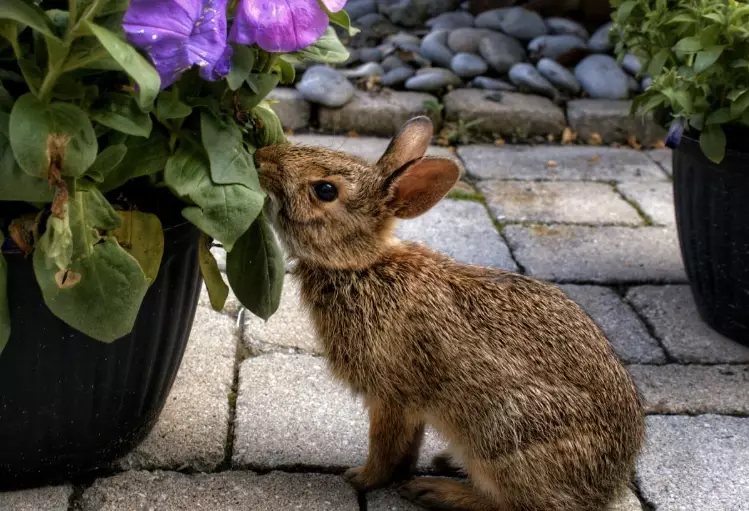
Rabbit-Resistant Plants (The "They Might Ignore These" List)
No plant is 100% rabbit-proof, but they tend to avoid plants with strong scents, fuzzy leaves, thick sap, or prickly textures. Interplanting these with your veggies can create a confusing, less tasty buffer. Some good choices include:
Herbs: Rosemary, thyme, oregano, mint, sage, chives. Their strong essential oils are natural deterrents.
Vegetables They Often Avoid: Onions, garlic, leeks, potatoes, rhubarb, asparagus, squash (mature plants).
Plants Rabbits Love (The "Buffet" List)
These are like neon signs saying "EAT HERE." You'll need to give these extra protection: Lettuce, beans, peas, broccoli, kale, spinach, carrots (tops and roots), parsley, cilantro, pansies, petunias, and young seedlings of almost anything.
My strategy? I plant a sacrificial patch of clover or lettuces at the far edge of my property, away from my main garden. It doesn't always work, but sometimes it distracts them from the good stuff. It's a peace offering.
Trapping and Relocation: The Complicated Option
This is where things get ethically and legally tricky. Many people's first thought for how to deter rabbits from garden is to trap and move them. I'm going to be blunt: this is often a bad idea.
- It's stressful and often fatal for the animal. A relocated rabbit is dumped into unknown territory, with established rabbit populations that will drive it out, no knowledge of food sources or predator hideouts. Many die from stress or predation within days.
- It's usually illegal. In most states, relocating wildlife without a permit is against the law. It can spread disease. You need to check your local regulations with your state's Department of Natural Resources or Fish and Wildlife agency.
- It doesn't solve the problem. If your garden is attractive, new rabbits will quickly move into the vacant territory. You're treating a symptom, not the cause.
Live trapping should be an absolute last resort, and only after consulting local wildlife authorities. Often, they will recommend euthanasia for trapped animals as the more humane option compared to stressful relocation. It's a hard truth.
Putting It All Together: Your Custom Rabbit Deterrence Plan
So you've got all the pieces. How do you build a plan? It depends on your garden size, budget, and tolerance for maintenance. Here are two sample strategies:
Strategy 1: The Fort Knox (For the Serious Vegetable Grower)
- Primary Defense: Install a proper physical fence around your vegetable garden (1" mesh, 2ft high, 6in buried L-shape).
- Secondary Defense: Use tree guards on all young trees and shrubs in the yard.
- Supporting Tactics: Keep the perimeter clean (mow, remove brush). Maybe add a motion-activated sprinkler inside the fence for extra insurance.
- Cost: Higher upfront. Effort: Low long-term maintenance. Likely Success: Very High.
Strategy 2: The Layered Deterrent (For Larger Ornamental Yards/Flower Beds)
- Primary Defense: Habitat modification. Mow, clear brush, seal hiding spots.
- Secondary Defense: Apply a commercial scent repellent (like Plantskydd) around the perimeter of key beds. Reapply monthly.
- Supporting Tactics: Plant rabbit-resistant species as a border. Use individual wire cages for prized hostas or rose bushes. Deploy a motion-activated sprinkler in the most problematic area.
- Cost: Moderate. Effort: High maintenance (reapplying, moving devices). Likely Success: Medium-High, but requires vigilance.
Common Questions (And Straight Answers)
Figuring out how to deter rabbits from garden is a process. You might try three things before you find the combination that works for your specific situation, your local rabbit population's habits, and your garden's layout. Start with the easiest and cheapest habitat modifications. Then layer on a repellent or a scare tactic. If the problem persists, invest in fencing for your most valuable areas. Be persistent, be observant, and don't get discouraged. With a smart strategy, you can enjoy your garden and let the rabbits find their lunch somewhere else.
It’s a constant negotiation with nature. But when you finally harvest that perfect, unbitten head of lettuce, it’ll all be worth it.
Comment