In This Guide
- Before You Start: The Golden Rules of Rabbit Catching
- The Essential Toolkit: What You Actually Need
- Scenario 1: How to Catch a Lost Pet Rabbit
- Scenario 2: How to Catch a Wild Rabbit in Your Garden
- What to Do After You Catch the Rabbit
- Common Mistakes (And How to Avoid Them)
- Answers to Questions You're Probably Asking
- Final Thoughts: It's About Respect, Not Just Capture
Let's be honest, figuring out how to catch a rabbit isn't something most of us think about until we have to. Maybe your pet bunny made a daring escape into the backyard. Or perhaps a wild cottontail has decided your vegetable garden is its personal buffet. Suddenly, you're searching for answers, and a lot of what you find online is either overly simplistic, strangely aggressive, or just plain wrong.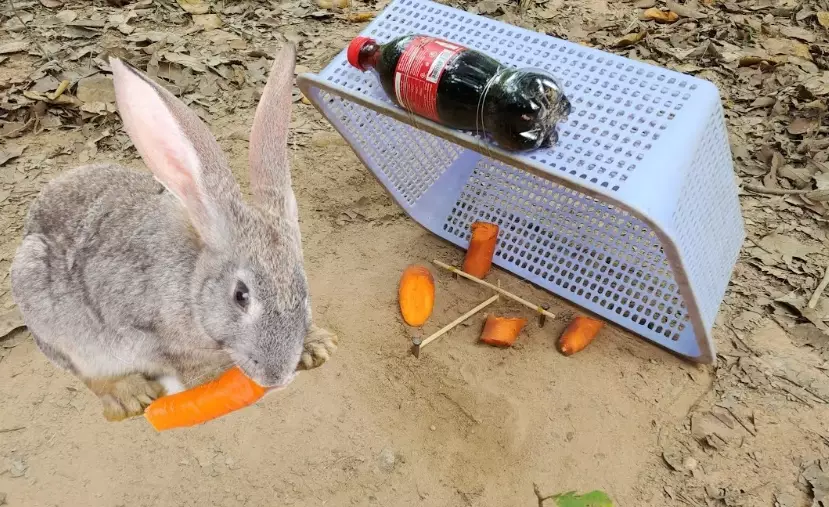
I've been there. I've spent hours trying to coax a scared pet rabbit from under a deck, and I've also had to deal with wild rabbits digging up my lettuce. The approaches are completely different. This guide is what I wish I had—a clear, humane, and practical breakdown of how to catch a rabbit in various real-life situations. We're not just talking about setting a trap and hoping. We're talking about understanding the animal, using the right tools, and doing it all without causing harm or unnecessary stress.
Before You Start: The Golden Rules of Rabbit Catching
If you remember nothing else, remember these three things. They're more important than any specific technique for how to catch a rabbit.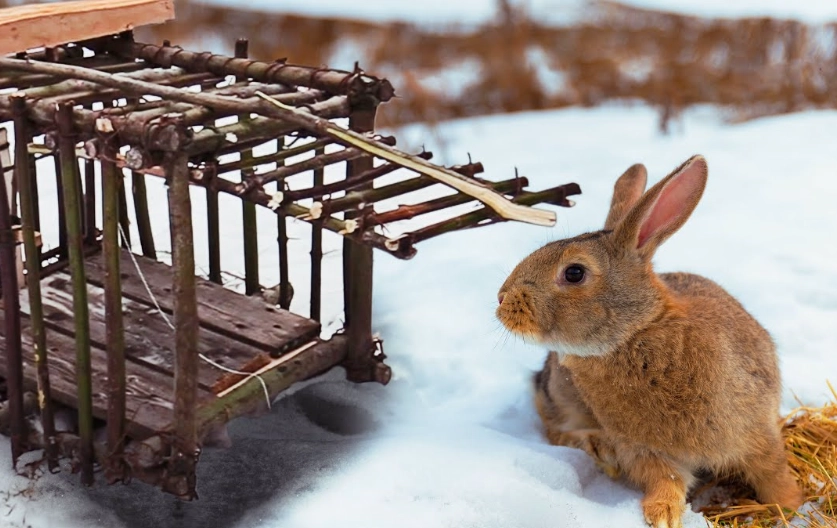
Know Your "Why." Your reason for catching the rabbit dictates your entire method. A scared domestic rabbit hiding under your bed requires a gentle, coaxing approach. A wild rabbit eating your beans needs a deterrent and relocation strategy. A sick or injured wild rabbit needs professional intervention. Start by clearly identifying your goal.
The Essential Toolkit: What You Actually Need
You don't need fancy gear, but a few key items make learning how to catch a rabbit infinitely easier and safer. Here’s my tried-and-true list, ranked from absolutely essential to nice-to-have.
Top Tier Must-Haves
- A Heavy Blanket or Large Towel: This is your number one tool, especially for pets. It protects your arms from scratches, can be used to gently scoop up and contain a rabbit, and helps calm the animal by blocking its vision. For a panicked bunny under furniture, slowly draping a blanket over it is often the first step to a safe recovery.
- Sturdy Gloves: Not thin gardening gloves. Think thick, leather-like work gloves that cover your wrists. This is crucial for handling carriers or traps containing a frightened wild rabbit, or for protecting your hands if you need to move brush or reach into a confined space.
- A Secure Pet Carrier or Cardboard Box: Have your containment ready before you start. For pets, a familiar carrier with a soft towel inside is ideal. For wild rabbits, a sturdy cardboard box with air holes and a secure lid works for short-term transport to a wildlife rehabber. The last thing you want is to finally catch the rabbit and have nowhere safe to put it.
The Strategic Add-Ons
- A Humane Live Trap: For persistent wild rabbits, this is the most effective and hands-off method. We'll get into the specifics below. The key word is humane—a trap that doesn't injure the animal.
- High-Value Treats/Bait: For pets, their favorite fresh herb (cilantro, parsley) or a piece of banana can work wonders. For wild rabbits in a trap, fresh vegetables (carrot tops, lettuce, apple slices) or rabbit pellet food from a garden center are effective. Alfalfa hay is also an excellent attractant.
- A Flashlight: Rabbits often hide in dark places. A good light helps you locate them without having to stick your hands blindly into spaces.
Scenario 1: How to Catch a Lost Pet Rabbit
This is often the most stressful situation. Your bunny is out of its familiar environment, terrified, and its instincts are screaming "HIDE." Force is your enemy here. Your allies are familiarity, food, and calm.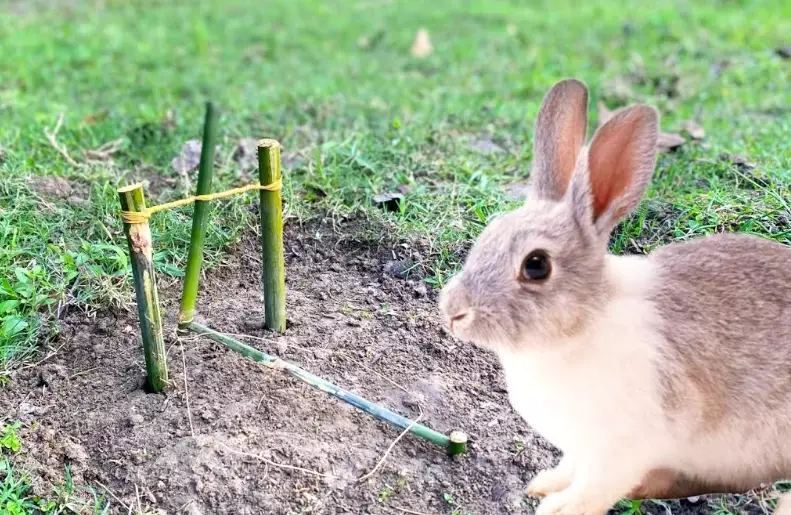
Step-by-Step Recovery Plan
Step 1: Secure the Immediate Area. Close all doors to other rooms, block gaps under furniture if possible, and shut any exterior doors. Confine the search zone. Turn off loud noises (TV, music) and ask other household members (including pets) to stay quiet and still.
Step 2: Become a Statue. Seriously. Sit or lie down on the floor in the room where you last saw the rabbit. Remain perfectly still and quiet. Speak in a soft, calm, high-pitched voice (the kind you normally use with them). The goal is to seem non-threatening and to let their curiosity overcome their fear. This can take 20 minutes or more.
Step 3: The Temptation Station. Place their carrier (with the door wide open and a familiar blanket inside) nearby. Surround the entrance with their absolute favorite treats. Sprinkle some of their regular pellet food leading like a trail to the carrier. Sometimes, the security of their own carrier is too tempting to resist.
Step 4: The Gentle Approach. If they come out but are still skittish, avoid direct eye contact and don't reach over their head. Sit sideways and offer a treat from your flat hand at their level. If you can pet them gently on the forehead, do so. Once they are calm, you can try to gently scoop them, supporting their bottom, and place them in the carrier.
Step 5: The Blanket Method (for hiding bunnies). If they're wedged under a couch or bed, this is where the blanket is magic. Slowly and gently drape it over the rabbit. The darkness and weight often have a calming effect. You can then slowly work your hands under the blanket, scoop the rabbit up still wrapped, and place the whole bundle into the carrier.
What if they bolt? Don't chase. Just go back to Step 1, securing the new area they ran to. The process of how to catch a rabbit that's a pet is 90% psychology and 10% technique.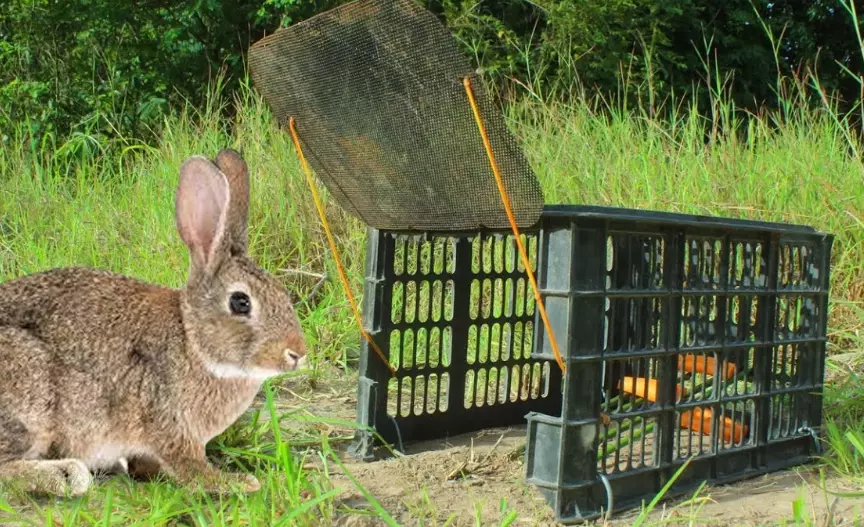
Scenario 2: How to Catch a Wild Rabbit in Your Garden
This is about pest management, not pet recovery. Your goal is to encourage the rabbit to leave and not come back, or to humanely trap and relocate it (where local laws permit—always check first!).
Effective Deterrents (Try These First)
- Fencing: The only guaranteed solution. It needs to be at least 2 feet high and buried 6 inches into the ground, as rabbits are diggers. Chicken wire is effective and affordable.
- Natural Repellents: Sprinkle cayenne pepper powder, dried blood meal, or commercially available rabbit repellent granules around the perimeter of your garden. Reapply after rain. Rabbits have sensitive noses and often dislike strong scents.
- Remove Attractants: Clear away brush piles, tall grass, and debris around your property's edge. These provide perfect hiding and nesting spots.
But let's say the rabbits are persistent. You've tried everything, and your broccoli is still disappearing. This is where humane trapping comes in.
Using a Live Trap: A Detailed Guide
Live traps (also called cage traps) are box-shaped with a trigger plate that closes a door. They're widely available at hardware stores or online. Here’s how to use one effectively to catch a rabbit.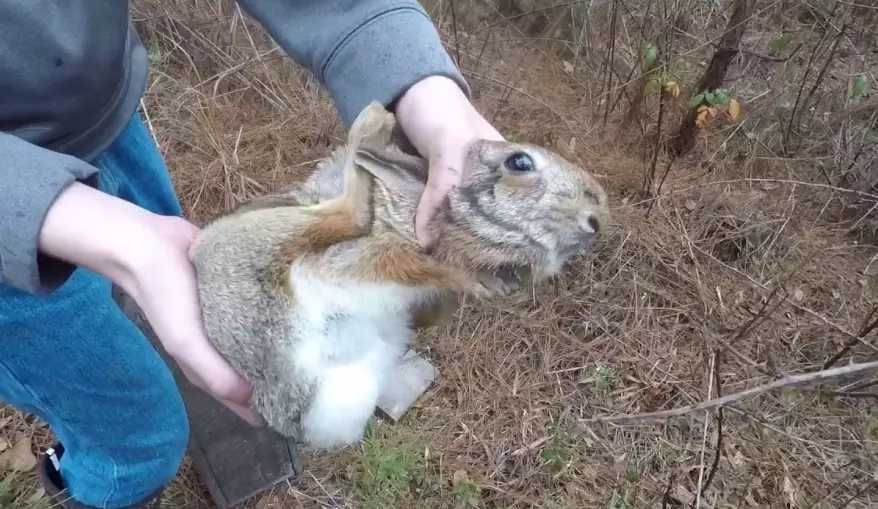
| Trap Feature | What to Look For & Why |
|---|---|
| Size | Choose a trap at least 10" x 12" x 30". Too small, and the rabbit won't enter; too large, and smaller animals might get caught. |
| Construction | Galvanized steel wire is best. It's durable, allows the animal to see out (reducing panic), and is easy to clean. |
| Trigger Sensitivity | Adjustable triggers are ideal. Rabbits are light, so the trigger needs to be sensitive enough to spring when they step on the plate. |
| Safety | Ensure there are no sharp edges inside. Some models have a "rear door" for safer release, which is a great feature. |
Setting the Trap:
- Location is Key: Place the trap along a rabbit run—those well-worn paths you see in the grass near the garden. Place it near the damage, with the opening aligned with the path.
- Camouflage: Drape some light brush or grass over the top and sides. This makes it look less like a strange metal box.
- Baiting: Place the bait (apple slices, carrot pieces, fresh greens) BEHIND the trigger plate, at the very back of the trap. You want the rabbit to have to step fully onto the trigger plate to reach the food. A little trail of bait leading to the entrance can help.
- Pre-Baiting (Pro Tip): For a few days before you set the trap to close, wire the door open and place bait inside. Let the rabbit get comfortable going in and out to eat. This dramatically increases your success rate when you finally arm the trap.
What to Do After You Catch the Rabbit
You've succeeded! Now what? This is where many guides stop, but it's critically important.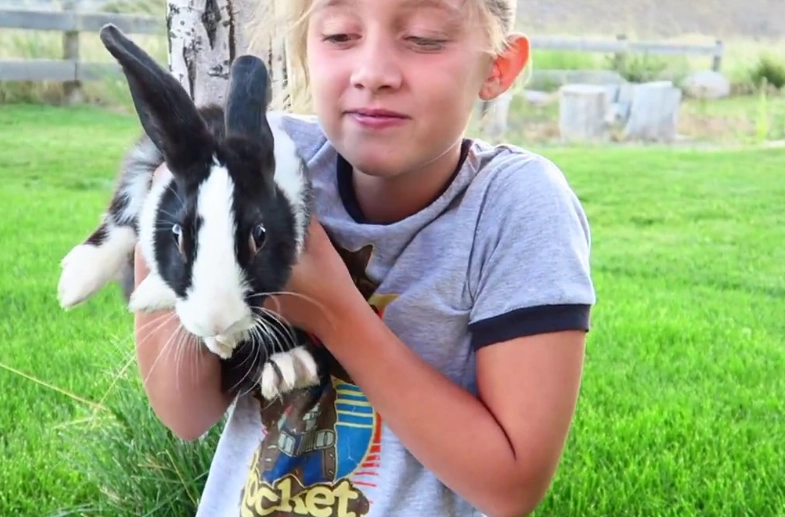
If It's Your Pet Rabbit
Place the carrier in a quiet, familiar room. Offer water and their usual food. Give them space to decompress for a few hours before attempting to handle or check them over. Look for any signs of injury—limping, unusual posture, cuts. If anything seems off, a vet visit is wise. Their adventure was stressful.
If It's a Wild Rabbit
Keep the trap covered with a blanket to calm the animal. Handle the trap gently and calmly. Now, you must decide on release only if it's legal and the rabbit is clearly healthy.
Release: Take it to a suitable habitat at least 5 miles away from your property (to prevent its return), like a large park, field, or woodland edge. Face the trap door away from roads and toward cover. Open the door and step back. Let the rabbit leave on its own time. Don't shake it out.
When NOT to Release: If the rabbit appears sick (lethargic, disoriented, visible wounds), injured, or is a very young bunny without its mother, it needs a wildlife rehabilitator. Do not attempt to care for it yourself. Contact a local professional immediately. Resources like the Humane Society's wildlife rehabber directory or your state's Department of Natural Resources website are invaluable here.
Common Mistakes (And How to Avoid Them)
I've made some of these. Let's save you the trouble.
The Fix: Use patience and strategy, not speed.
The Fix: Stick to fresh greens, vegetables, fruits, or hay.
The Fix: Release near brush piles, tall grass, or the edge of woods where it can immediately find shelter.
And the biggest one? Trying to keep a wild rabbit as a pet. It's illegal in many places, incredibly stressful for the animal, and they have complex dietary and social needs that are hard to meet in captivity. Admire them from afar.
Answers to Questions You're Probably Asking
Here’s a quick-fire round based on what people really search for.
Final Thoughts: It's About Respect, Not Just Capture
Learning how to catch a rabbit, whether for love of a pet or protection of a garden, is really about problem-solving with empathy. These are small, fragile creatures driven by powerful instincts. The most successful captures happen when you work with those instincts, not against them.
Take your time. Prepare your tools. Think about the animal's experience. And always, always prioritize a calm and safe outcome over a quick one. That's the real secret they don't put in the short online guides.
Good luck out there. And go check that your pet rabbit's enclosure is secure, just in case.
Comment