In This Guide
You know, it's one of the first questions that pops into your head when you're thinking about getting a floppy-eared friend. "How long does a bunny rabbit live?" It's a big deal. You're making a commitment, and you want to know what you're signing up for. Is it like a hamster's few short years, or more like a cat's long haul? I remember when I got my first rabbit, Thumper, I was told "oh, about 5 to 8 years." That sounded manageable. Spoiler: Thumper made it to a grumpy, beloved 11. It completely changed my perspective.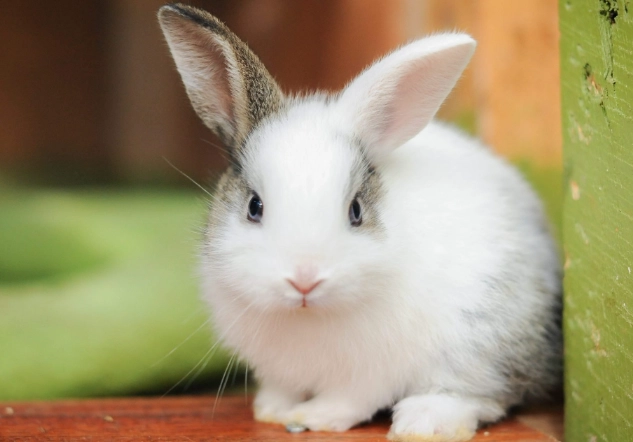
The short, oversimplified answer you'll see everywhere is 8 to 12 years. But honestly, that's like saying humans live 70 to 100 years. It's technically true, but it misses everything. Why do some bunnies barely reach 5 while others are hopping around at 14? That's the stuff that really matters. The real answer to "how long does a bunny rabbit live" isn't a single number. It's a story written by genetics, care, and a whole lot of hay.
Key Takeaway Right Off the Bat: The average lifespan of a well-cared-for, indoor pet rabbit is typically 8 to 12 years. Many can live longer with exceptional care, while poor care or genetic issues can sadly shorten it significantly. Outdoor rabbits, or those in hutches, face much greater risks and often have dramatically shorter lives.
It's Not Just Luck: The Biggest Factors That Answer "How Long?"
Let's break down the major players. Think of these as the dials you can turn to influence your rabbit's lifespan clock.
1. Genetics and Breed: The Hand They're Dealt
This is the starting point. Some breeds are just hardwired for longer, healthier lives, generally. Smaller breeds tend to outlive larger ones, which is a common rule in the animal kingdom. Dwarf and mini breeds often have that longevity potential. Giant breeds, while incredibly sweet, often have shorter average lifespans due to the sheer strain their size puts on their bodies, like a higher risk of heart issues.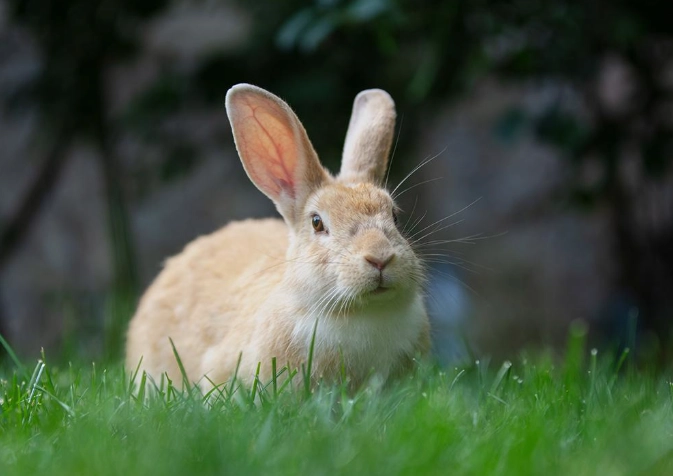
But here's a personal rant: Breed is not destiny. I've seen poorly cared-for dwarf rabbits pass young, and meticulously cared-for giants defy the odds. It's a factor, not a sentence. Reputable breeders who prioritize health over extreme looks (like the ultra-flat faces of some breeds that can cause dental problems) make a huge difference here.
| Breed Size Category | Example Breeds | Typical Average Lifespan Range | Notes & Considerations |
|---|---|---|---|
| Dwarf/Small | Netherland Dwarf, Polish, Holland Lop | 10 - 12+ years | Often long-lived, but can be prone to specific genetic dental issues. Their small size requires careful handling. |
| Medium | Dutch, Mini Lop, Rex | 8 - 11 years | The "sweet spot" for many owners. Generally robust with fewer extreme genetic predispositions than some dwarfs or giants. |
| Large/Giant | Flemish Giant, French Lop, Checkered Giant | 5 - 8 years | Gentle giants. Require more space, more food, and are more susceptible to joint issues like arthritis and cardiac strain as they age. |
| Mixed Breed / "Rescue" | Your standard adorable mutt! | Highly Variable (Often 9-12+) | Hybrid vigor can be a real advantage! They often avoid the extreme traits of purebreds. A shelter bunny's history is unknown, but their potential is huge. |
2. Diet: The Foundation of Everything (Hint: It's Not Just Pellets)
If I could shout one thing from the rooftops, it's this. What you feed your rabbit is the single most controllable factor in determining how long your bunny rabbit will live. Get this wrong, and you're setting them up for a lifetime of expensive, painful problems.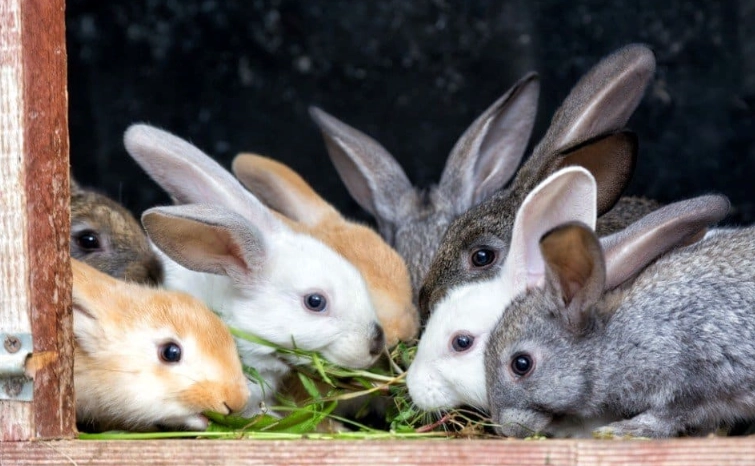
Unlimited Grass Hay (Timothy, Orchard, Meadow): This should be 80-90% of their diet. It's not just food; it's what keeps their constantly growing teeth worn down and their digestive system moving. No hay? Expect dental malocclusion (overgrown teeth) and potentially fatal GI stasis. The House Rabbit Society, a fantastic and authoritative resource, is relentless about this, and for good reason.
Fresh Leafy Greens: A daily salad (think romaine, cilantro, bok choy, not iceberg lettuce) provides nutrients and moisture.
Limited Pellets: Think of these as a vitamin supplement, not the main course. A small, measured amount daily is plenty for most adult rabbits.
Treats: Fruit or carrot? Tiny amounts, like once-a-week tiny. The sugar is real and can disrupt their delicate gut flora.
I learned this the hard way. Early on, I was too generous with pellets and treats. Thumper got a bit chunky and had a scary bout of GI stasis. The vet (a rabbit-savvy one, crucial!) put us on a strict hay-first plan. It was a wake-up call.
3. Indoor vs. Outdoor Life: A Lifespan Chasm
This is non-negotiable if you're serious about asking "how long does a bunny rabbit live" and wanting the highest number. Keeping a rabbit outdoors in a hutch is, in my not-so-humble opinion, one of the biggest risks to their lifespan.
The Outdoor Hutch Reality Check: Outdoor rabbits are exposed to predators (even with a "secure" hutch), extreme temperatures, loneliness, flies that can cause deadly flystrike, and are easily forgotten, leading to neglected care. Their average lifespan plummets, often to just 3-5 years, if that. The RSPCA strongly advocates for indoor living for these very reasons. An indoor rabbit is a safe, temperature-controlled, socially integrated, and closely observed rabbit. You notice the slight change in eating habits or poop immediately—that's early intervention that saves lives.
4. Veterinary Care: The Specialist Difference
A cat-and-dog vet is not enough. Rabbits are "exotic" pets, with unique physiology and diseases. You need a vet who specializes in or has a proven interest in rabbits. This is critical.
- Annual Check-ups: Not just for shots (rabbits don't get standard dog/cat vaccines in the US, though they do in the UK for RVHD), but for a full dental exam with an otoscope, weight check, and overall assessment.
- Spaying/Neutering: This isn't just about preventing babies. For females, it virtually eliminates the risk of uterine cancer, which strikes up to 80% of unspayed does over age 4. For males, it reduces aggression and spraying. It's a longevity surgery. The WabbitWiki, a community-run knowledge base, has extensive info on this.
- Emergency Plan: Know where your 24/7 exotic emergency vet is. GI stasis doesn't wait for business hours.
The Life Stages of a Rabbit: What to Expect From Youth to Elderbun
Understanding their life stages helps you provide age-appropriate care and answer not just "how long does a bunny rabbit live," but "how well will they live during those years?"
Kitten/Baby (0 - 6 months)
All energy, curiosity, and chewing. They need alfalfa hay (higher in calcium and protein for growth) and more pellets. This is the prime time for bonding and litter training. Spay/neuter is usually done around 4-6 months.
Young Adult (7 months - 3 years)
Prime of life. Settled into personality. Diet transitions to Timothy hay and limited pellets. This is the long, stable, playful period most people envision.
Mature Adult (4 - 6 years)
Starting to mellow. You might notice they nap more, play a bit less. Weight management becomes crucial to prevent arthritis. Annual vet checks are key to catch early signs of common middle-age issues.
Senior (7+ years)
The golden years. Mobility may decrease. Arthritis is common. They may need softer bedding, ramps, and pain management (always prescribed by your vet!). Diet might need adjusting—softer hay, critical care supplements on standby. Senior rabbits are incredibly sweet and bonds deepen, but they require more attentive, gentle care. This is when you truly reap the rewards of good care early on.
Top Health Threats That Shorten the Answer to "How Long Does a Bunny Rabbit Live?"
Being aware of these is half the battle. Prevention and early detection are everything.
- Gastrointestinal (GI) Stasis: The #1 killer. It's when their gut slows or stops. Signs: not eating, not pooping, lethargy. This is a dire emergency. Causes include pain, stress, or a poor diet low in hay.
- Dental Disease: Overgrown teeth roots or spurs can cause pain, abscesses, and prevent eating. Caused primarily by not enough hay to wear teeth down. That's why hay is non-negotiable.
- Uterine Cancer (in unspayed females): As mentioned, horrifyingly common. Spay your bunny.
- Respiratory Infections (Snuffles): Pasteurella bacteria can cause chronic sniffles, sneezing, and eye discharge. Stress can trigger flare-ups. Requires vet treatment.
- Flystrike (for outdoor/messy bunnies): Flies lay eggs on soiled fur, maggots hatch and eat the rabbit alive. Horrific and preventable with cleanliness and indoor living.
Your Action Plan for a Long, Hopping Life
Let's get practical. Here’s your longevity checklist:
- ✓ House them indoors, in a large exercise pen or bunny-proofed room.
- ✓ Provide unlimited grass hay 24/7. Refill it constantly.
- ✓ Find a rabbit-savvy veterinarian and go for yearly check-ups.
- ✓ Get them spayed or neutered.
- ✓ Provide a companion rabbit. Rabbits are social. A bonded friend reduces stress and encourages activity. (Proper bonding is a process, though!).
- ✓ Encourage exercise with space, toys, and exploration time.
- ✓ Learn rabbit body language. Knowing when they're in pain (hunched, grinding teeth) versus content (flopped over) is vital.
Straight Answers to Your Burning Questions
Look, at the end of the day, the question "how long does a bunny rabbit live" is a starting point. The real question is, "how can I give my rabbit the longest, healthiest, happiest life possible?" The answer isn't a mystery. It's hay, a safe home, a great vet, and a whole lot of love. It's a commitment that can span a decade or more. But watching your bunny flourish into a grumpy, wise old elderbun? That's a decade of joy, right there.
It's totally worth it.
Comment