Quick Navigation
So you're wondering, do rabbits mate for life? It's one of those questions that pops up when you first get a bunny, or maybe you're thinking of getting a second one. You see them snuggling in cute videos online and think, "aww, they must be soulmates." The reality, as with most things in nature, is a bit more complicated and honestly, way more interesting than a simple yes or no.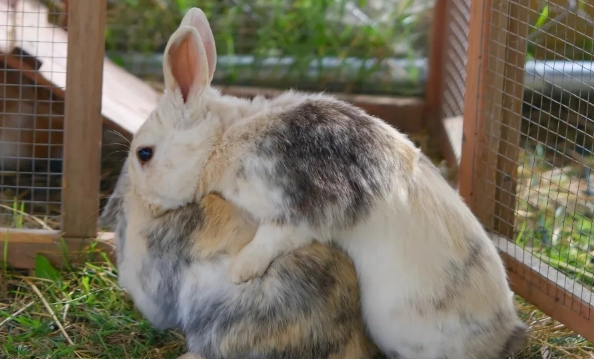
Let's get the short answer out of the way first, because I know that's why you're here. In the strict, "till death do us part" sense that we humans think of? No, wild rabbits do not mate for life. Their strategy is more about quantity, not quality, from a romantic standpoint. But—and this is a huge but—when we talk about our pet rabbits living in our homes, the story changes completely. The concept of bonding, of forming a deep, lasting companionship with another rabbit, is not only possible but is profoundly important for their well-being. That bonded pair you see grooming each other? That's the real deal, even if it didn't start with a wild, lifelong vow.
The Core Insight: While rabbits are not naturally monogamous in the wild, domestic rabbits have a tremendous capacity to form deep, exclusive, and lifelong social bonds with a chosen partner when given the right conditions. This "bonding" is the cornerstone of pet rabbit happiness.
The Wild Truth: What Rabbit Mating Behavior Really Looks Like
To understand our pets, we have to look at their roots. Wild rabbits (like the European rabbits most of our pets descend from) live in complex social groups, usually in warrens. The social structure is often centered around a dominant breeding pair, but here's the kicker: that dominance is fluid. It's less about eternal love and more about resource access and survival.
Mating is opportunistic. A male rabbit (buck) will mate with any receptive female (doe) he can. A female can have multiple litters a year. The driving force is sheer reproductive momentum to ensure the species survives in a world full of predators. There's no courtship in the way birds or some mammals have. It's fast, efficient, and not exactly romantic by our standards.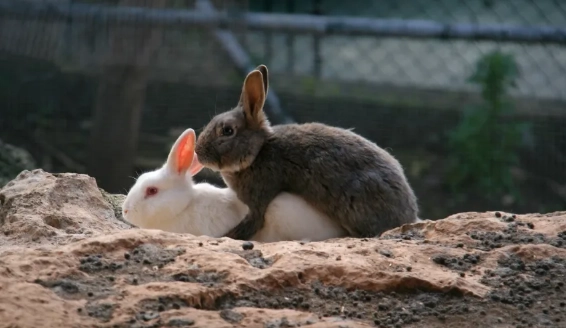
So, asking "do rabbits mate for life" in the context of the wild gets you a clear picture. Their biology is wired for spreading genes widely, not for picking a single partner for multiple breeding seasons. The young are raised primarily by the doe, and the buck's role in parenting is, well, minimal to non-existent. Thinking of them as serial daters with a lot of offspring is closer to the mark.
This wild behavior leaves a strong imprint on our pet bunnies. Those hormonal urges don't just vanish. An unneutered male will hump anything he can, fight with other males, and spray urine to mark territory. An unspayed female can become territorial, aggressive, and is at a very high risk for uterine cancer. This is why the path to a peaceful, loving rabbit relationship always starts with spaying and neutering. Trying to bond intact rabbits is like trying to mix oil and fire—it's a stressful, often dangerous disaster waiting to happen.
From Wild Instincts to Domestic Harmony: The Magic of Bonding
This is where the story gets good. Once the powerful sex hormones are removed through spay/neuter surgery, a rabbit's social personality can truly shine. They are no longer driven solely by the imperative to reproduce and compete. What emerges is a profoundly social animal that craves companionship—specifically, the companionship of another rabbit.
This process is called bonding. It's the intentional forming of a friendship between two (or sometimes more) fixed rabbits. A successfully bonded pair will do things that make your heart melt:
- Allogrooming: They will lovingly lick and groom each other, especially around the head and ears. This is the ultimate sign of trust and affection.
- Flopping together: That dramatic, side-ways flop of total relaxation is often done in contact with their partner.
- Eating side-by-side: They feel safe enough to share food and space without resource guarding.
- Sleeping cuddled up: A pile of bunnies is the definition of contentment.
And here's the critical point: Once a bond like this is solidly formed, it is often for life. They choose their partner. They rely on their partner. Separating a truly bonded pair can cause severe stress, depression, and even a refusal to eat (which is a medical emergency for rabbits). So, while they may not "mate for life," they absolutely can and do bond for life. This bond becomes their central social relationship, fulfilling their deep need for rabbit company in a way humans, even the most attentive ones, simply cannot.
A Word of Caution: Bonding is not instant. It's a process that requires patience, a neutral territory, and careful supervision. Throwing two new rabbits into a cage and hoping for the best is a recipe for fights and injuries. It can take days, weeks, or even months.
The Three Pillars of Successful Rabbit Bonding
If you want to create one of these lifelong bunny friendships, you need to get three things right. Miss one, and you're in for an uphill battle.
- Both rabbits must be spayed/neutered. I can't stress this enough. It's non-negotiable for safety and long-term success. Wait at least 4-6 weeks after surgery for hormones to fully dissipate.
- Choose compatibility thoughtfully. While any gender combination can work (male/female pairs are often easiest, but male/male and female/female are very common), personality matters more. Pairing a super timid bunny with a hyperactive one might be tough. Some people have great success with a calm, older rabbit and a younger, playful one.
- Follow a proper bonding method. The "stress bonding" technique (short, supervised sessions in a neutral, somewhat stressful space like a bathtub or car ride) works for many by forcing them to seek comfort in each other. Always have a towel or oven mitts ready to break up a fight safely.
The Solo Rabbit Dilemma: Is It Cruel to Have Just One?
This is the big, uncomfortable question that stems from understanding their social needs. After learning that rabbits can form these profound bonds, the reality of the single, lonely house rabbit hits hard.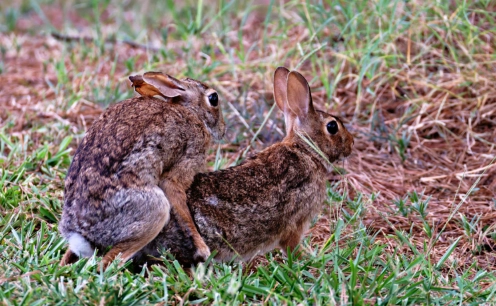
I'll be honest. For many years, I had a single rabbit. I thought my constant attention, floor time, and treats were enough. It wasn't until I finally bonded him with a partner that I saw the change. He was more playful, more relaxed, and spent hours just hanging out with his new friend. The difference was night and day. My attention was entertainment; his rabbit friend was company.
Rabbits are crepuscular (most active at dawn and dusk). While you're sleeping or at work, they are awake. A human schedule simply doesn't align with theirs, leaving them alone for long periods. A bonded partner provides constant, species-appropriate companionship. They communicate in ways we don't understand, offer grooming we can't replicate, and provide a sense of security that comes from having another of your own kind nearby.
So, is it cruel? That's a strong word, and many single rabbits in incredibly enriched, attentive homes live good lives. But is it optimal for their mental and emotional welfare? Almost certainly not. Major animal welfare organizations like the RSPCA explicitly state that rabbits should be kept in neutered pairs or groups. The Rabbit Welfare Association & Fund (RWAF) campaigns with the slogan "A Hutch is Not Enough" and strongly advocates for pairing. It's considered a basic welfare requirement by experts.
| Scenario | Potential Impact on Rabbit | Recommended Action |
|---|---|---|
| Single rabbit with minimal human interaction | High risk of loneliness, boredom, depression, and destructive behaviors. | Strongly consider bonding with a partner. Re-evaluate if you can meet its social needs. |
| Single rabbit with a dedicated owner (several hours daily interaction) | Can be a content life, but may still lack deep, species-specific companionship during owner's absence. | You are providing good care. Bonding would likely still enhance quality of life. Consider it seriously. |
| Bonded pair of rabbits | Optimal welfare state. Provides constant companionship, mutual grooming, and security. | This is the gold standard. Maintain their bond and ensure they have ample shared space. |
| Unfixed rabbits living together | Extremely high risk of fighting, unwanted litters, and stress-related illness. | Separate immediately and schedule spay/neuter surgeries. Bonding can be attempted post-recovery. |
Look, getting a second rabbit is a bigger commitment. More vet bills, more food, more space needed (a bonded pair needs a larger enclosure, not two separate ones shoved together). It's not a decision to make lightly. But if you can manage it, the reward—seeing that pure, interspecies friendship blossom—is one of the most satisfying experiences a rabbit owner can have.
Beyond the Pair: Answering Your Burning Questions
It happens, and it's terrifying. This is called a "bond break." It can be triggered by a major stressor: a trip to the vet, a change in environment, a health issue in one rabbit that changes its smell or behavior. If a serious fight occurs, separate them immediately to prevent injury. Then, you essentially have to re-bond them from scratch, going back to short, supervised dates in neutral territory. It's disheartening, but many bonds can be repaired with patience. A vet check for the instigator is also wise to rule out pain as a cause.
This used to be a common recommendation, and honestly, I think it's a bad one. Rabbits and guinea pigs have different communication styles, dietary needs, and can accidentally injure each other (a rabbit's powerful kick can break a guinea pig's back). They also carry bacteria harmful to each other. A rabbit needs a rabbit friend. The Humane Society of the United States advises against housing them together. It's just not a fair or safe substitute.
Rabbits are prey animals. They are masters at hiding weakness, illness, and stress. What looks like "contentment" to us—sitting quietly in a corner—can sometimes be just resignation or boredom. The signs of a lonely rabbit are often subtle: over-grooming, excessive digging or chewing on cage bars, being less active, or even being overly clingy when you are around. You might not see obvious sadness, but you might see a lack of vibrant, binky-ing joy. Introducing a friend often unlocks that hidden personality.
Start in a small, neutral space neither rabbit has claimed. A bathtub (with a towel down) or a blocked-off hallway works. Have them both in there for just 10-15 minutes. Watch closely for positive signs (ignoring each other, curious sniffs) or negative ones (lunging, circling, mounting that turns aggressive). If it's neutral or positive, end on a good note and repeat daily, gradually increasing time. If they fight, separate and try again later in an even more neutral space (some people use a car ride in a carrier). It's a dance of tiny steps forward.
The Final Hoofprint: It's About Companionship, Not Just Mating
So, circling back to our original query: do rabbits mate for life? In the biological, wild sense of exclusive sexual partners, the answer remains no. But if we reframe the question to, "can rabbits form a deep, loving, and lifelong partnership with another rabbit?" the answer is a resounding, joyful YES.
This distinction is everything for a responsible rabbit owner. It moves us away from projecting our ideas of romance onto them and towards understanding and providing for their actual social needs. It shifts the focus from breeding (which, given the shelter overpopulation crisis, should be left to experts) to bonding.
The goal isn't to find a "mate" for your rabbit in the reproductive sense. The goal is to find them a friend, a companion, a partner in crime for stealing basil from the kitchen counter. It's about providing that irreplaceable comfort of another being who speaks your language, who grooms that spot you can't reach, who flops down beside you in total trust.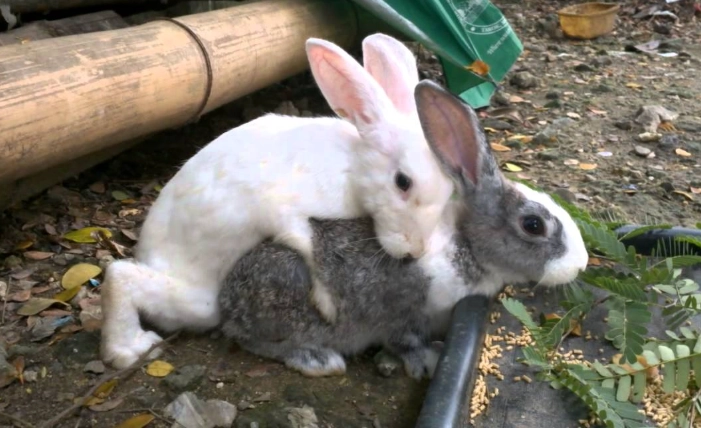
If you take one thing from this, let it be this: the most loving thing you can do for your single, spayed or neutered rabbit is to consider giving them the gift of a bonded partnership. It completes their world in a way nothing else can. And watching that friendship grow? That's the real magic of sharing your life with these incredible, social creatures. It's not about mating for life. It's about living for life, together.
Comment