In This Article
- Why Would a Rabbit Even Need to Fart?
- Do Rabbits Fart Loudly? The Sound and Smell Situation
- When Farting Becomes a Five-Alarm Fire: GI Stasis
- The Diet Connection: What You Feed = The Gas You Get
- What About Baby Bunnies? Do They Fart?
- Common Questions Rabbit Owners Actually Ask
- Putting It All Together: The Healthy Bunny Gut Checklist
You're sitting there, watching your fluffy bunny peacefully munch on some hay. All is calm. Then, you hear it. Or maybe you don't hear it, but you catch a whiff of something... unexpected. A tiny, silent, but potent cloud. Your brain short-circuits for a second. Wait. Did my rabbit just... fart?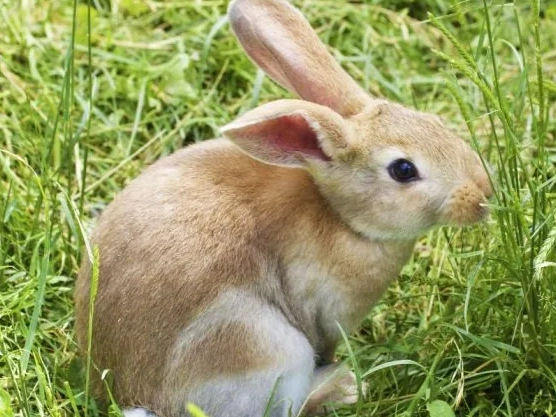
It's a question that pops into every rabbit owner's mind at some point, often followed by a mix of curiosity and mild horror. We know dogs do it. Cats do it (and then look offended). But rabbits? They seem too delicate, too perfectly fluffy for something as crude as passing gas.
Let's be real. I've been around rabbits for years, and I've had my fair share of suspicious moments. One of my first rabbits, a Netherland Dwarf named Mochi, was a master of the stealthy toot. You'd never hear a thing, but you'd suddenly be wondering if something died in the corner. It led me down a rabbit hole (pun absolutely intended) of research and vet chats to figure out what's normal and what's a red flag.
So, do rabbits fart? The short, simple, and absolutely true answer is yes, rabbits can and do fart. But the real story is so much more interesting than a yes or no. It's a window into their incredibly unique and somewhat fragile digestive system.
The Bottom Line Up Front: Rabbit farts are a normal, if infrequent, byproduct of digestion. They are usually silent and odorless. However, excessive gas, loud gurgling, or a bunny in pain is a serious medical emergency. The real question isn't just "do rabbits fart" but "what does my rabbit's gas tell me about its health?"
Why Would a Rabbit Even Need to Fart?
To understand bunny gas, you gotta understand the bunny gut. It's a high-performance, non-stop fermentation factory. Unlike ours, it's designed to process huge amounts of low-quality fiber (hay, grass) and extract every last nutrient.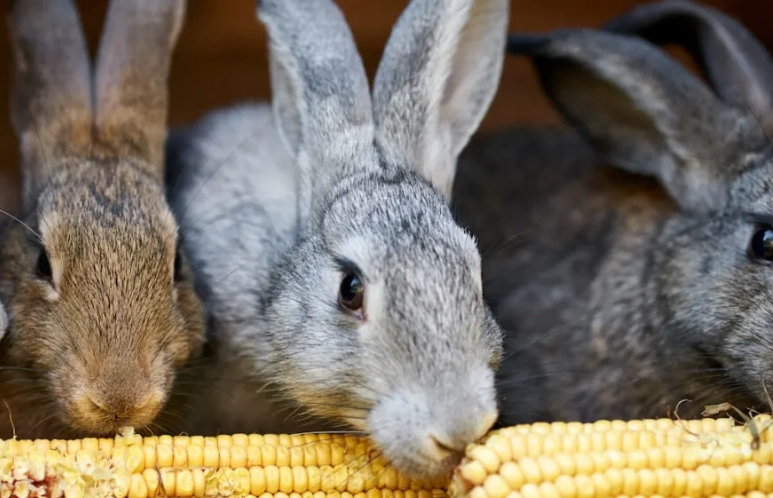
Here’s the quick and dirty on how it works. Food goes in the mouth, down the esophagus, into the stomach. The stomach starts breaking it down with acid. Then, it moves into the small intestine where the easy-to-digest stuff (like sugars from pellets or veggies) gets absorbed.
But the real magic—and the source of most gas—happens next door in the cecum. Think of the cecum as a giant, blind-end pouch. It's a fermentation vat packed with billions of special bacteria and protozoa. These little microbes go to town on the indigestible fiber. Their job is to break down the tough cellulose that the rabbit can't digest on its own.
This microbial party has a byproduct: gas. Primarily carbon dioxide, methane, and sometimes a bit of hydrogen sulfide (that's the rotten egg smell). This gas needs to go somewhere. Some of it is absorbed through the gut wall into the bloodstream and exhaled. The rest? It travels down the colon and... well, you get the picture. The rabbit farts.
So, gas production is a sign of a working digestive system. Those microbes are doing their job. The problem starts when the party gets out of hand.
The Good Gas vs. The Bad Gas
Not all gas is created equal. A small amount of odorless gas is a quiet sign of a healthy cecum. It's the digestive system humming along.
But then there's the problematic gas. This happens when the wrong kind of food fuels the microbial party. If a rabbit eats too many simple sugars or starches (think sugary fruits, carrots, or too many pellets), it can cause a bacterial imbalance in the cecum. The "bad" bacteria that love sugar can multiply like crazy. These guys produce a lot more gas, and often smellier gas, leading to bloating and discomfort.
I made this mistake early on. I thought I was being nice by giving Mochi a big slice of apple every day. Turns out, I was basically feeding a sugar festival to his gut microbes. He became more gassy, and his poops got a little weird. The vet told me to cut back on the fruit and double down on timothy hay. It worked like a charm.
Do Rabbits Fart Loudly? The Sound and Smell Situation
This is where rabbit farts differ from, say, dog farts. You will almost certainly never hear a rabbit fart. They are masters of stealth. The gas is released slowly and quietly. You're far more likely to notice other signs first.
The smell? That's a bit more variable. A healthy rabbit's gas, from proper hay digestion, is usually pretty neutral. Maybe a faint, earthy smell. But if the gas is coming from a gut struggling with the wrong foods, it can be surprisingly pungent. If you notice a foul smell around your bunny that isn't coming from their urine or cecotropes (those special nighttime poops they eat), it could be gas.
Honestly, the sound of a rabbit fart is so rare that if you ever do hear something resembling a toot, it's more likely to be a noise from their joints as they move, or something in their environment.
When Farting Becomes a Five-Alarm Fire: GI Stasis
This is the most critical part of the "do rabbits fart" conversation. We're not just talking about a funny smell. We're talking about a life-threatening condition.
Rabbits cannot vomit. Their digestive system is a one-way street. It must keep moving. If the gut slows down or stops, it's called Gastrointestinal (GI) Stasis. Gas buildup is both a cause and a symptom of this nightmare scenario.
Here's how the dominoes fall. Something stresses the rabbit (pain, fear, wrong diet). The gut slows. Food and hair sit in the stomach and intestines. The normal, helpful bacteria die off. Bad bacteria take over, producing painful amounts of gas. The gas causes bloating and terrible pain. The pain makes the rabbit stop eating and drinking. The gut stops even more. It's a vicious, fast-moving cycle that can kill a rabbit within 24 hours.
EMERGENCY SIGNS (Stop Reading and Call a Vet Now):
- Your rabbit is hunched in a corner, pressing its belly to the floor.
- Loud, frequent gurgling or grinding noises from the belly (this is gas and fluid churning in a stopped gut).
- No interest in favorite treats or food.
- No fecal pellets for 8-12 hours, or very small, misshapen pellets.
- Lethargy, unwillingness to move.
- Teeth grinding (a sign of pain, not contentment).
In GI stasis, the question shifts from "do rabbits fart" to "can my rabbit even pass gas?" The buildup is so severe and painful that the normal process is blocked. This is why vets will often administer simethicone (baby gas drops) as part of stasis treatment—to help break up the painful gas bubbles. You can find more on recognizing this critical condition from authoritative sources like the House Rabbit Society's guide to GI Stasis.
It's scary stuff. I've been through one mild bout with a rabbit, and the panic is real. The key is knowing what's normal so you can spot the abnormal instantly.
The Diet Connection: What You Feed = The Gas You Get
This is where you, as an owner, have all the control. You are the head chef for your bunny's internal fermentation vat. Get the recipe wrong, and you'll have a gassy, uncomfortable bunny.
Let's break down the main food groups and their gas potential.
| Food Type | Gas Potential | Why & How Much to Feed |
|---|---|---|
| Unlimited Grass Hay (Timothy, Orchard, Meadow) | Very Low | This is the ideal fuel. High fiber keeps the gut moving and promotes good bacteria. Should be 80-90% of their diet. Always available. |
| Leafy Greens (Romaine, Kale, Spring Greens) | Low to Moderate | Essential for nutrients. Introduce new greens one at a time. A packed cup per 2 lbs of body weight daily. |
| High-Quality Pellets | Moderate | Concentrated nutrition. Too many = too many calories and starches, leading to gas. Limit to 1/4 cup per 5 lbs daily. |
| Starchy Veggies (Carrots, Parsnips) | High | Treats only! High in sugar. A tiny slice or two, a few times a week max. |
| Fruits (Apple, Banana, Berries) | Very High | Extreme treat territory. Sugar central. A thumbnail-sized piece once or twice a week. A common culprit for gas. |
| Human Junk (Bread, Cereal, Cookies) | Dangerously High | Never feed. Can cause immediate, severe gas bloat and gut shutdown. |
See the pattern? Fiber = good. Sugar/Starch = gas trouble. It’s that simple. The PDSA's rabbit feeding guide offers a great, vet-backed overview of this balance.
My personal rule? If it’s sweet, it’s a once-in-a-while tiny gift. Their main course is always hay. I keep a hay feeder stuffed 24/7 and refill it like it's my religion.
The Slow Introduction Rule
Even healthy foods can cause gas if introduced too fast. A rabbit's gut microbiome is a delicate ecosystem. If you suddenly flood it with a new type of green, the microbes can freak out and overproduce gas.
Always introduce one new food item at a time, and start with a piece the size of your thumbnail. Wait 24 hours, check their poop and behavior. If all is well, you can slowly increase the amount over a week. This patience saves you and your bunny a lot of tummy trouble.
What About Baby Bunnies? Do They Fart?
Baby rabbits (kits) have even more sensitive digestive systems. They are transitioning from mother's milk to solid food. During this weaning period (around 4-8 weeks), their gut flora is still developing.
They can absolutely get gassy, and they are even more susceptible to problems from the wrong foods. It’s crucial to feed baby bunnies a diet of alfalfa hay (higher in calcium and protein for growth) and a limited amount of alfalfa-based pellets, introducing greens very slowly and later than you would for an adult. The high sugar/starch rule applies even more strictly to kits.
So yes, baby rabbits can and do fart, but their system is so delicate that any sign of gas discomfort should be taken very seriously.
Common Questions Rabbit Owners Actually Ask
Let's get into the nitty-gritty. These are the questions I've asked my vet, seen in online forums, and wondered about myself.
My rabbit's belly is making noises. Is that gas?
Some gentle gurgling or popping is normal, especially after they eat. It's called borborygmus (fancy word for gut sounds). It's the sound of digestion in motion. Good! However, loud, frequent, sloshing or grinding noises are a red flag. That's the sound of gas and fluid in a sluggish or blocked gut. Trust your gut—if the noises sound alarming, they probably are.
Can I give my rabbit something for gas?
For mild, suspected gas (bunny seems a bit quiet but is still eating and pooping), you can try simethicone. This is the infant gas drop liquid you find at any pharmacy. It's safe for rabbits as it works mechanically in the gut to combine small gas bubbles into larger ones that are easier to pass. It's not absorbed into the bloodstream.
Simethicone Dose: 1-2 ml (20-40 mg) given orally with a syringe, can be repeated every hour for up to 3 doses if needed. Always check with your vet first, especially if you've never done this.
Do not give human anti-gas pills with other active ingredients. Just plain simethicone. And remember, this is for mild support. If your rabbit is in pain or not eating, simethicone is just a Band-Aid on a bullet wound. Get to the vet.
How can I prevent my rabbit from getting gassy?
Prevention is everything. Here’s your action list:
- Hay is King: Unlimited access to fresh, grassy hay. This is non-negotiable.
- Limit Treats: Seriously. Fruit and carrots are like candy.
- Hydration: Ensure fresh water is always available. A dehydrated gut moves slower.
- Exercise: A rabbit that runs and binkies is a rabbit with a gut that gets jostled into motion. Playtime is digestive aid.
- Reduce Stress: A scared rabbit stops eating. Keep their environment calm and predictable.
- Regular Grooming: Especially for long-haired breeds. Less hair ingested means fewer hairballs to block the gut and trap gas.
Is it a fart or a cecotrope?
Great question! Cecotropes are the soft, clumpy, nutrient-rich poops that rabbits produce and eat directly from their bottom (a behavior called cecotrophy). They usually eat them quickly, so you might not see them.
Sometimes, a rabbit may leave a cecotrope uneaten. If you step on one or smell one, it has a strong, distinctive, musky odor—very different from their normal hard, round, odorless fecal pellets. This smell could be mistaken for gas. If you see uneaten cecotropes often, it could mean your rabbit's diet is too rich (too many pellets or sugary foods), causing an overproduction. It's a digestive issue, but a different one than painful gas bloat.
Putting It All Together: The Healthy Bunny Gut Checklist
After all this talk about gas and problems, let's focus on what a happy, healthy digestive system looks like. This is your daily and weekly checklist.
- Appetite: Eagerly eats hay throughout the day. Comes running for greens or pellets.
- Water Intake: Drinks regularly from bottle or bowl.
- Activity Level: Periods of running, exploring, playing, and flopping.
- Fecal Output: A constant supply of uniform, round, dry, odorless fecal pellets. The number will vary, but there should never be a complete halt.
- Cecotrope Management: You rarely see them because your bunny eats them promptly.
- Body Language: Relaxed, ears up (or relaxed for lop breeds), curious. Belly is soft to a gentle touch.
So, do rabbits fart? We've circled all the way back. Yes, they do. It's a quiet, normal fact of life for a herbivore with a fermentation-based gut.
But the real takeaway is that in the world of rabbit care, gas is rarely just a funny topic. It's a vital sign. A little is normal. A lot, or any sign of pain associated with it, is one of the clearest distress signals your bunny can send.
Pay attention to their diet, watch their output, and know the emergency signs. That knowledge is what turns the simple question "do rabbits fart" into responsible, life-saving rabbit ownership. Your fluffy friend is counting on you to understand their weird and wonderful gut.
Comment