Quick Guide
- The Straight Answer: Can Rabbits Safely Eat Strawberries?
- Why the Big Fuss? Understanding the Rabbit Gut
- Your Step-by-Step Guide to Feeding Strawberries Safely
- What About Strawberry Leaves and Tops?
- The Not-So-Sweet Side: Risks and When to Avoid Strawberries Entirely
- Strawberries vs. Other Fruits: How Do They Stack Up?
- What Do the Experts Say? Let's Check the Authorities.
- Answering Your Burning Questions (FAQ)
- Putting It All Together: The Final Verdict
So you're sitting there with a bowl of fresh, juicy strawberries, and those big, curious eyes are locked onto you. Your rabbit's nose is twitching a mile a minute. You can almost hear the question forming in their little head. The temptation to share is huge. I get it completely. That furry face is hard to resist.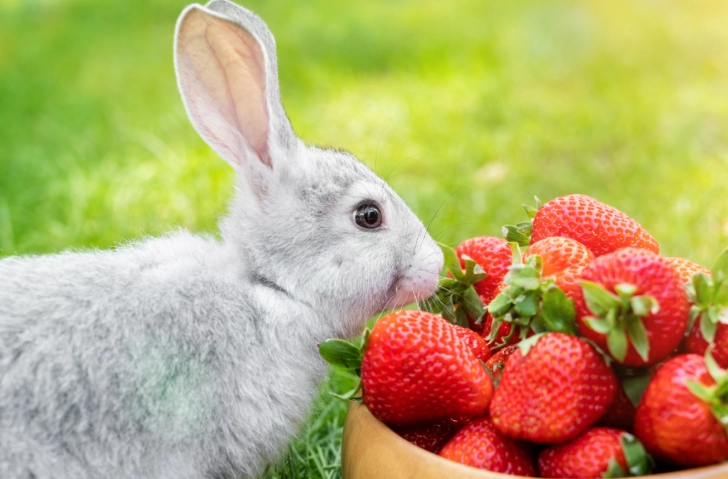
But before you pop that red berry into their mouth, you need to hit the pause button. The question "do rabbits eat strawberries?" isn't as simple as a yes or no. It's a "yes, but..." wrapped in a bunch of important rules. Getting it wrong can lead to some messy (and worrying) consequences for your pet.
I've been down this road myself. Years ago, I made the mistake of giving my first rabbit, Thumper, a whole strawberry as a treat. He gobbled it up in seconds, of course. But later? Let's just say his digestion wasn't thrilled, and I learned a lesson the hard way. Since then, through a lot of research and chats with exotic vets, I've figured out the safe way to handle this sweet dilemma.
This guide is everything I wish I'd known back then. We're going to dig into the nitty-gritty of a rabbit's digestive system, figure out exactly how strawberries fit in (or don't), and lay out a foolproof plan for treating your bunny without the guilt or the gut-ache.
The Straight Answer: Can Rabbits Safely Eat Strawberries?
Alright, let's cut to the chase. Yes, rabbits can eat strawberries. The fleshy red fruit part is non-toxic to them. In fact, most rabbits go absolutely nuts for the sweet taste. It's like bunny candy.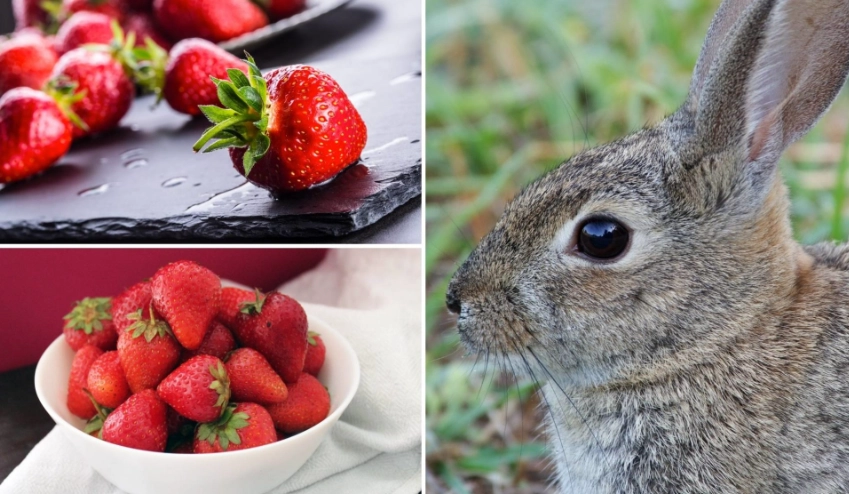
But—and this is a massive "but"—strawberries should be considered a treat, not a staple. They are to a rabbit's diet what a slice of chocolate cake is to ours: delightful in a tiny amount, disastrous as a daily habit.
The core of a rabbit's diet must always be high-quality hay (think Timothy or Orchard grass), fresh water, and a small amount of leafy green vegetables. Fruits like strawberries are the occasional bonus round. The House Rabbit Society, a fantastic and authoritative resource for rabbit care, is very clear on this. They classify fruits as treats to be given sparingly, precisely because of their sugar content.
So when people search "do rabbits eat strawberries," they're often really asking, "Is it safe and okay to give them?" The safety is conditional on quantity and frequency.
Why the Big Fuss? Understanding the Rabbit Gut
To really get why we have to be so careful, you need a peek inside your bunny. A rabbit's digestive system is a high-efficiency, fiber-processing machine that's also surprisingly delicate. It's designed to constantly process large amounts of low-nutrient, high-fiber grass and hay.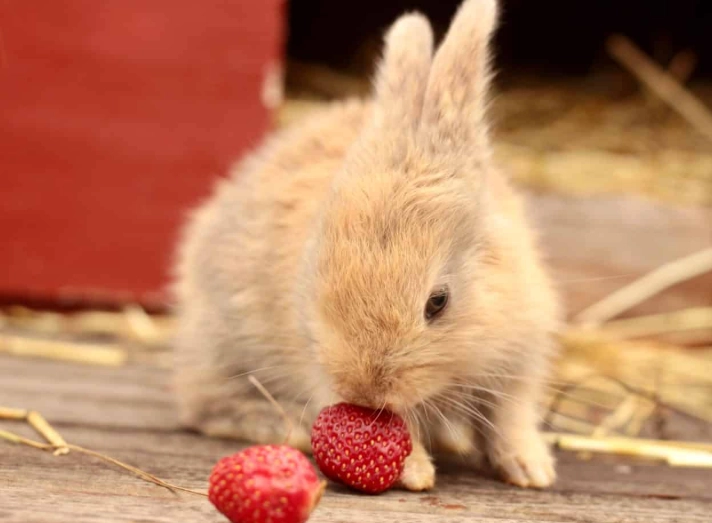
The good bacteria in their cecum (a special part of their gut) work around the clock fermenting this fiber. Throw too much simple sugar from a fruit like a strawberry into that mix, and you risk a couple of bad things happening.
First, you can cause an imbalance in the gut flora. The sugar-loving bacteria can throw a party and multiply, crowding out the fiber-loving bacteria your rabbit actually needs. This can lead to gas, bloating, and discomfort—conditions like GI stasis, where the gut slows down or stops, which is a serious and potentially fatal emergency.
Second, obesity. Rabbits pack on weight easily, and sugary treats are empty calories that contribute to that. An overweight rabbit has a host of other health problems waiting down the line.
So, when we ask "do rabbits eat strawberries," we're not just talking about immediate toxicity. We're talking about disrupting a complex internal ecosystem. It's the long-term, slow-motion effects of a poor diet that often do the most harm.
Your Step-by-Step Guide to Feeding Strawberries Safely
Okay, with the warnings out of the way, let's talk about how to do it right. If you're going to give a strawberry, this is the only way.
Step 1: The Preparation Ritual
Don't just grab a berry from the container and hand it over. You've got some prep work.
- Wash Thoroughly: This is non-negotiable. Conventionally grown strawberries are often high on the "Dirty Dozen" list for pesticide residue. Give them a good rinse under cool water. For extra safety, I sometimes use a mix of water and a bit of vinegar. Organic is always a better choice if you can.
- Remove the Stem and Leaves: While the leafy tops aren't toxic, they can be tough and might have concentrated pesticides. It's simpler and safer to just remove them.
- Size Matters: A whole strawberry is almost always too much for one sitting. We're talking about a small slice or a couple of small pieces.
Step 2: The Golden Rules of Portion and Frequency
This is where most people slip up. They think "one small strawberry" is a small treat. For a 5-pound rabbit, one average strawberry is a massive sugar bomb.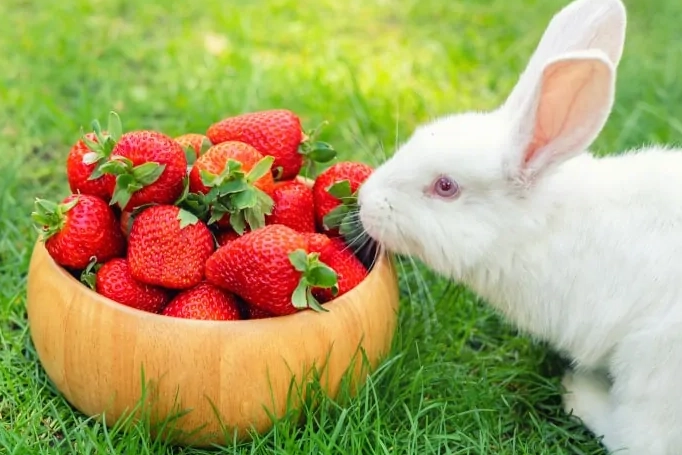
Let's break that down visually. For an average-sized rabbit (around 5-6 lbs), a safe strawberry serving looks like this:
| Rabbit Size | Max Daily Treat Allowance | What That Looks Like in Strawberries | How Often |
|---|---|---|---|
| Small (2-3 lbs) | 1-1.5 tsp | 1 small berry, cut into 4-6 tiny pieces | 1-2 times per week |
| Medium (5-6 lbs) | 2-2.5 tsp | 1/2 of a medium berry, diced | 1-2 times per week |
| Large (8+ lbs) | 3-4 tsp | 3/4 of a medium berry, diced | 1-2 times per week |
See how tiny those portions are? That's the key. Frequency is just as crucial. I never give fruit treats two days in a row. I stick to once, maybe twice a week at most. Some owners do it even less frequently. This gives their system time to reset.
Less is always, always more when it comes to rabbit treats.
Step 3: Introduction and Observation
If your rabbit has never had strawberry before, start with a piece the size of your pinky nail. Watch them for the next 12-24 hours. You're looking for any change in their appetite for hay, their water consumption, the size and shape of their droppings, or their energy levels. Soft stools or a lack of interest in hay is a red flag to stop immediately and not offer strawberries again.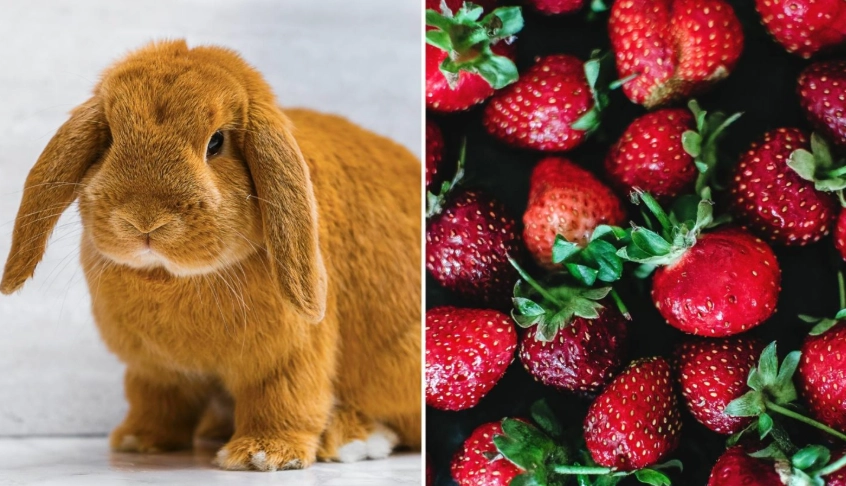
What About Strawberry Leaves and Tops?
Here's a fun twist. While we limit the fruit, the green leafy tops are a different story. In moderation, washed strawberry leaves are generally safe and can be a nice, fibrous addition to their leafy green rotation. They're lower in sugar and higher in fiber than the berry itself.
But I still treat them as a "green" not a "treat." I might add one or two washed leaves to their daily salad mix, not a whole handful. And again, ensure they're pesticide-free.
So, if you're wondering do rabbits eat strawberries including the leaves, the answer is more flexible for the greens, but always with the washing and moderation caveat.
The Not-So-Sweet Side: Risks and When to Avoid Strawberries Entirely
We've talked about moderation, but there are times when the answer to "can rabbits eat strawberries" should be a firm "not right now."
- Your rabbit has a history of digestive issues like GI stasis or chronic soft stools.
- Your rabbit is overweight or obese. Skip the sugar entirely and use herbs (like cilantro or basil) as treats instead.
- Your rabbit is very young (under 12 weeks). Their digestive systems are still developing. Stick to alfalfa hay, pellets, and water.
- Your rabbit is elderly or has a known health condition like diabetes (yes, rabbits can get it). Always consult your vet first.
- You haven't washed the berry. It's not worth the pesticide risk.
The high sugar content is the main villain. It can lead to:
- Weight Gain: Sugary treats are calorie-dense.
- Dental Problems: While the fruit is soft, sugar contributes to plaque. Rabbits' teeth constantly grow, and they need abrasive hay to wear them down properly. Sweet, soft foods don't help.
- Digestive Upset: As discussed, this is the big one—ranging from mild gas to life-threatening stasis.
Strawberries vs. Other Fruits: How Do They Stack Up?
If you're going to give fruit, is strawberry a good choice? Let's compare. I like to think of rabbit-safe fruits on a spectrum from "better" to "use extreme caution."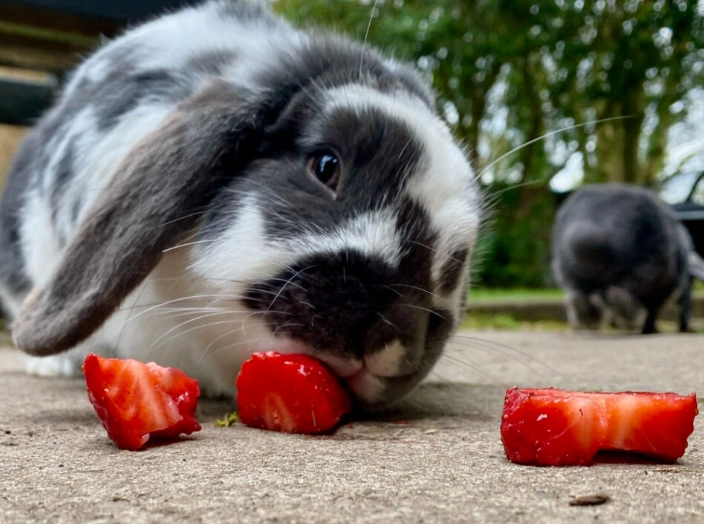
| Fruit | Sugar Content (Relative) | Safe Serving Size Tip | Notes |
|---|---|---|---|
| Strawberry | Medium | 1-2 small pieces, 1x/week | Also offers vitamin C. Leaves are a potential green. |
| Blueberry | Medium-Low | 1-2 berries, 1x/week | Often recommended as a lower-sugar option. Small and easy to dose. |
| Apple (flesh only) | High | Thin slice, skin on, 1x/week | No seeds! They contain cyanide. High sugar. |
| Banana | Very High | 1/4 inch slice, 1x/month | Rabbit crack. Extremely high in sugar and starch. Use ultra-sparingly. |
| Melon (e.g., Cantaloupe) | Medium-High | 1-inch cube, 1x/week | High water content. Remove all rind and seeds. |
| Pear | High | Thin slice, 1x/week | Similar to apple. High sugar. |
Looking at this, strawberry isn't the worst, but it's certainly not the best. Berries like blueberries or raspberries might have a slight edge. But honestly, the differences are small. The universal rule is tiny amounts, infrequently.
What Do the Experts Say? Let's Check the Authorities.
I don't want you to just take my word for it. Basing care on anecdote is risky. Let's see what the major animal welfare and veterinary organizations advise.
The House Rabbit Society's diet page is my first stop for anything bunny-related. They list strawberries as an acceptable occasional fruit, emphasizing the "occasional" part. They stress that fruits are not necessary for a balanced rabbit diet but can be used as training tools or rare treats.
The RSPCA (Royal Society for the Prevention of Cruelty to Animals) in the UK provides clear guidance too. In their rabbit diet advice, they state that root vegetables and fruit should be given "in small amounts as occasional treats" because they can cause obesity and dental disease.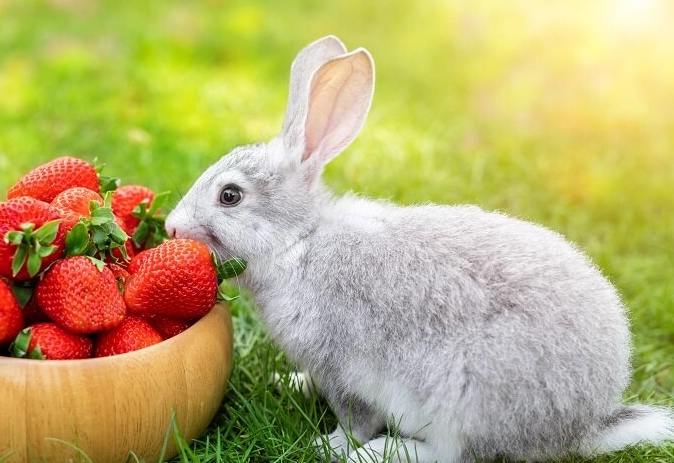
These sources back up the core message: the fruit itself isn't poison, but its place in the diet is minuscule. When you search for do rabbits eat strawberries, these are the kind of authoritative sources you should hope to find.
Answering Your Burning Questions (FAQ)
See? The question "do rabbits eat strawberries" opens a door to so many other practical concerns.
Putting It All Together: The Final Verdict
So, after all this, where do we land? Do rabbits eat strawberries?
The final, responsible answer is: Yes, but only as a rare, tiny, carefully prepared treat for a healthy adult rabbit.
The real goal isn't to figure out how much strawberry you can get away with feeding. The goal is to prioritize the foods that keep your rabbit thriving: endless hay, fresh water, a variety of leafy greens, and a few quality pellets. The strawberry, or any fruit, is just a tiny blip on that nutritional radar.
I've found that making the "treat" a special bonding moment works best. Once a week, I'll bring out a single blueberry or a sliver of strawberry. My rabbit gets excited for the routine and the interaction as much as for the taste. It feels good knowing I'm not compromising his health for a moment of cuteness.
Your rabbit's health is built day by day, meal by meal. What you choose to feed them is the most direct way you show you care. So next time those big eyes beg for a bite of your strawberry, you can confidently give them a safe, appropriate piece—or even better, offer a fragrant herb instead—and know you're making the best choice for their long, happy, and hoppy life.
Comment