Quick Insights at a Glance
- The Great Classification Mix-Up: A Quick History Lesson
- Rodent vs. Lagomorph: The Key Differences That Settle the Debate
- Meet the Lagomorphs: The Rabbit's True Family
- Why Does This Even Matter? Beyond the Textbook
- Common Questions (and Misconceptions) Answered
- Final Thoughts: Embracing the Lagomorph
Okay, let's be real for a second. If you've ever found yourself staring at a bunny munching on a carrot and wondered, "Wait, is that thing basically a fancy rat with long ears?" you're absolutely not alone. I've been there. I used to think rabbits, mice, squirrels, and guinea pigs were all just one big, squeaky, gnawing family reunion. It makes sense on the surface, right? They're all small, furry mammals with prominent front teeth that seem to never stop growing. For the longest time, even scientists had them lumped together. But here's the kicker – they were wrong. And that old mistake is the root of why so many of us still ask: is the rabbit a rodent?
The short, no-nonsense answer is a definitive no. A rabbit is not a rodent. Not even close, from a scientific classification standpoint. It's one of those classic bits of outdated biology that just won't go away, like thinking we only use 10% of our brains (we don't) or that goldfish have a three-second memory (they don't). The rabbit and its relatives (hares and pikas) belong to their very own, distinct order called Lagomorpha. Rodents, on the other hand, belong to the order Rodentia. These are two separate branches on the great tree of mammalian life. Think of them more like cousins than siblings. Distant cousins who took very different paths a long, long time ago.
The Great Classification Mix-Up: A Quick History Lesson
To understand why the confusion exists, we have to rewind the clock. For much of scientific history, up until the early 20th century, lagomorphs were classified under the rodent order. The similarities were just too obvious to ignore with the tools they had. Both groups are small, herbivorous or omnivorous, and have those characteristic ever-growing incisors. It was a logical, if ultimately incorrect, grouping.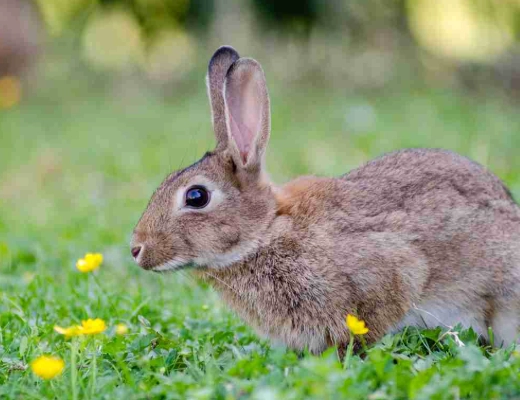
The tide began to turn as scientists looked closer – much closer. With advances in anatomy, and later genetics, a host of critical differences came into stark relief. In 1912, the biologist J.W. Gidley made a strong case for their separation, and the scientific community gradually agreed. The order Lagomorpha was formally recognized as distinct from Rodentia. So, if anyone tries to tell you a rabbit is a rodent, you can kindly inform them that science moved on from that idea about the same time it moved on from the horse and carriage.
But old habits die hard. Children's books, casual conversation, and even some older pet care guides often perpetuate the myth. That's why we need to clear the air with some hard facts.
Rodent vs. Lagomorph: The Key Differences That Settle the Debate
Let's get into the nitty-gritty. When you line up a rabbit and a rat, the differences go way beyond floppy ears and a puffball tail. These are fundamental anatomical and physiological distinctions that define their separate evolutionary journeys.
Dental Differences: The Tell-Tale Teeth
This is the biggest, most famous difference. Yes, both have continuously growing incisors to cope with a diet that wears teeth down. But the setup is completely different.
- Rabbits (Lagomorphs): They have four upper incisors. You read that right. Four. Right behind the large, prominent pair you can see, there's a second, smaller pair called "peg teeth." It looks almost like tiny tusks hiding behind the main ones. They have two lower incisors. All of these incisors have enamel on the front surface only.
- Rodents: They have the classic two upper and two lower incisors. That's it. Just one pair on top, one pair on bottom. Their incisors typically have enamel on the front surface only as well.
Why does this matter? The different tooth structure points to different evolutionary adaptations for processing food. That extra set of upper teeth in rabbits is a unique lagomorph feature, a dead giveaway that you're not looking at a rodent.
Diet and Digestion: A Gut Feeling They're Not the Same
Here's another area where rabbits stand apart, and it's crucial for anyone caring for one. Most rodents are omnivores or opportunistic herbivores. A mouse or rat will happily eat seeds, nuts, fruits, insects, and just about anything else it finds.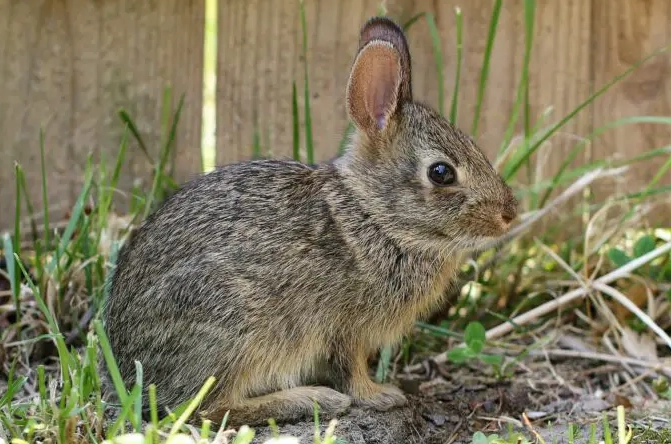
Rabbits, however, are obligate herbivores with a highly specialized digestive system. Their diet is almost exclusively fibrous plant material – grasses, hay, leafy greens. To extract nutrients from this tough stuff, they practice something called cecotrophy (or coprophagy). This is the process of producing special, nutrient-rich droppings called cecotropes (often called "night feces") and re-ingesting them directly from the anus to absorb vitamins (like B vitamins) and proteins produced by gut bacteria in their cecum, a large fermentation chamber in their gut.
Most rodents don't have this complex, two-stage digestive process. A guinea pig, for instance, which is often lumped with rabbits by well-meaning pet stores, is also a rodent with a different, though also herbivore-specialized, digestive tract. But it doesn't practice cecotrophy in the same way. This difference alone highlights why knowing if a rabbit is a rodent isn't just academic—it directly impacts their dietary needs, health concerns, and even the type of veterinary care they require. A rabbit-savvy vet is essential; not all small animal vets are experts in lagomorphs.
Skull and Bone Structure: The Framework Tells a Story
Beneath all that fur, the skeletons are wired differently. A rabbit's skull has a distinctive, delicate lattice-like bone structure around the nose, which is absent in rodents. Their limb bones and overall skeletal build are adapted for a powerful, leaping form of locomotion (saltation), unlike the scurrying or climbing gaits of most rodents.
Even their feet are different. Rabbits have fur on the soles of their feet, while most rodents have naked footpads. Small details, but they add up to a very different anatomical blueprint.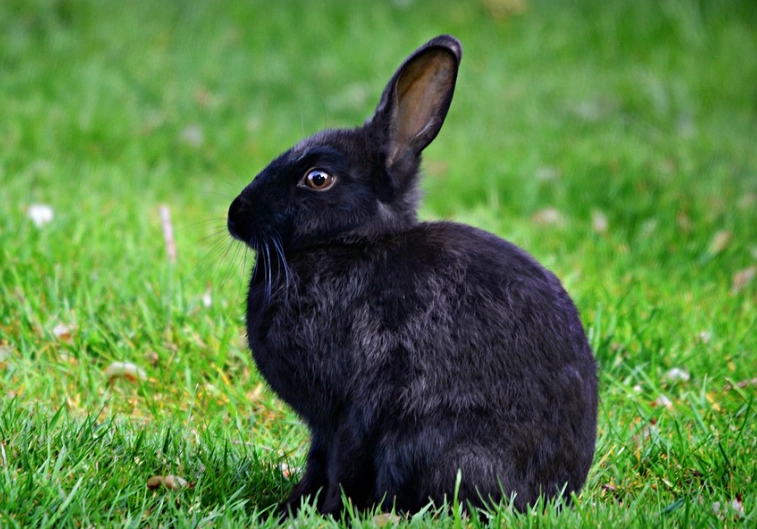
Meet the Lagomorphs: The Rabbit's True Family
So if rabbits aren't rodents, who are their real family? Welcome to the order Lagomorpha. It's a smaller, tighter-knit group with only two living families:
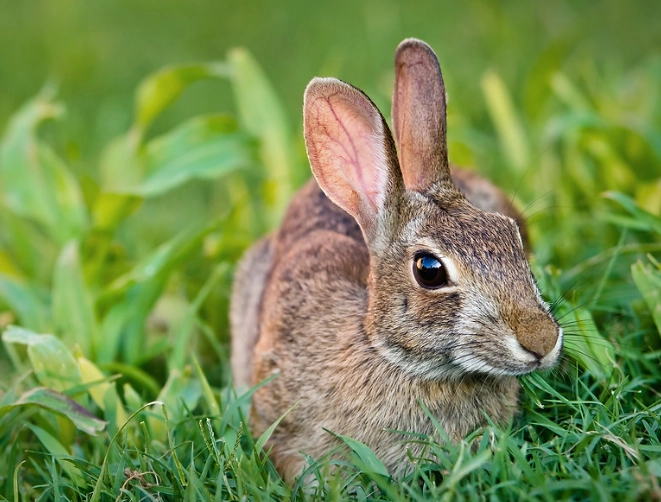
- Leporidae: This is the rabbit and hare family. This includes the European rabbit (ancestor of most domestic bunnies), various hare species like the snowshoe hare, and the cotton tail.
- Ochotonidae: This is the pika family. These are small, mountain-dwelling mammals that look like hamster-rodent hybrids but are, in fact, the rabbit's closest living relatives. They have short ears, no visible tail, and a distinctive high-pitched call. No peg teeth, but they share other lagomorph traits.
All lagomorphs share the defining dental pattern (that double set of upper incisors), are strictly herbivorous, and practice cecotrophy. They're a unique evolutionary line that has been doing its own thing for tens of millions of years. When you're trying to figure out is the rabbit a rodent, remembering it has its own exclusive club—the Lagomorpha—is the key.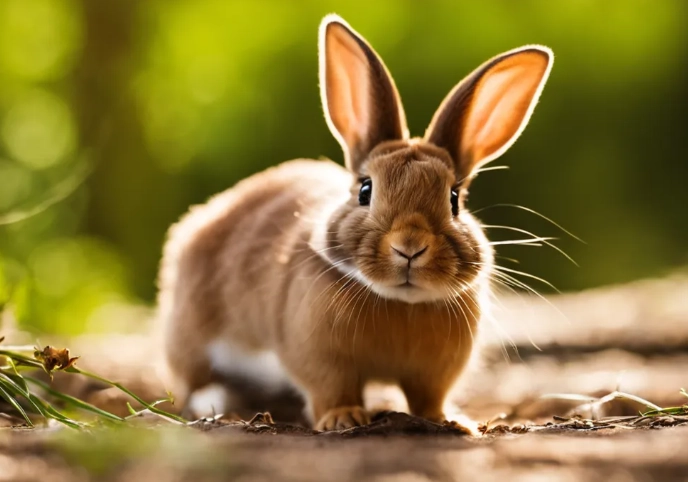
Why Does This Even Matter? Beyond the Textbook
You might be thinking, "That's cool and all, but does it really matter if my kid calls her bunny a rodent?" For casual conversation, maybe not. But in several important areas, the distinction is critical.
For Pet Care: This is the big one. Caring for a rabbit is fundamentally different from caring for a hamster, gerbil, or rat. Their dietary needs are specific and non-negotiable. A rabbit's diet must be centered on unlimited timothy hay (or another grass hay), fresh water, a limited amount of leafy greens, and a very small portion of pellets. Feeding a rabbit like a rodent (with lots of seed mixes, sugary fruits, or grains) will lead to severe digestive issues like GI stasis, dental disease, and obesity. Their housing, social needs (they are highly social and often do better in pairs), and even their behavior (they can be litter-trained) are distinct. Resources from authoritative organizations like the House Rabbit Society emphasize lagomorph-specific care, not rodent care.
For Veterinary Medicine: A veterinarian specializing in "exotic" or "small mammals" may not have equal expertise in both rodents and lagomorphs. Anesthesia protocols, common diseases, and surgical considerations can differ. It's important to find a vet who is knowledgeable about rabbits specifically. Reputable sources like the MSD Veterinary Manual have separate, detailed sections for Lagomorphs and Rodents, underscoring their medical differences.
For Science and Conservation: Accurate classification guides research, understanding of ecology, and conservation efforts. Knowing the evolutionary relationships helps scientists trace disease paths, understand ecosystem roles, and create effective protection plans for threatened species like some hare or pika populations.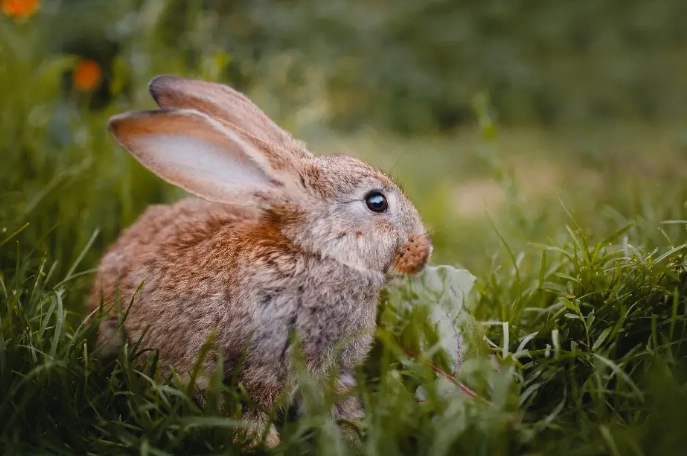
Common Questions (and Misconceptions) Answered
This is a fascinating area of modern science. For a long time, it was a mystery. Genetic studies have now provided strong evidence that lagomorphs are most closely related to a group called the Euarchontoglires superorder. Within that, their closest relatives are likely the Scandentia (tree shrews) and the Primates (yes, that includes us and monkeys). It's a weird family tree, but genetics doesn't lie. Rabbits are more closely related to humans than they are to rats or mice! You can explore mammalian phylogeny in more depth on resources like the Animal Diversity Web from the University of Michigan Museum of Zoology.
Ah, the guinea pig. This is a great test case. Despite sometimes being housed with rabbits (which is generally not recommended due to different social and communication needs, plus disease risks), guinea pigs are true rodents. They belong to the rodent family Caviidae. They have the classic rodent dentition: one pair of upper and lower incisors. They are also herbivores with a specialized digestive system that requires vitamin C supplementation, but they do not practice cecotrophy like rabbits. So, a guinea pig and a rabbit, while both popular small herbivorous pets, are from two different scientific orders. The confusion around is the rabbit a rodent often spills over to its cage-mate, but the answer is clear.
We touched on this, but it's worth reiterating: convergent evolution. This is when unrelated species develop similar traits to adapt to similar ecological niches or lifestyles. Rabbits and rodents both evolved ever-growing incisors to handle tough plant material. They both stayed small to exploit certain food sources and avoid predators. These superficial similarities masked the deeper anatomical differences for centuries. Science corrects itself with new evidence, and this was a major correction.

No. The four-upper-incisor configuration (diphyodont condition) is unique to lagomorphs among living mammals. It's their signature feature. If you see that, you are definitely not looking at a rodent.
Final Thoughts: Embracing the Lagomorph
So, after all that, where do we land? The question "is the rabbit a rodent" has a clear, evidence-based answer. It's a relic of an old classification system. Rabbits, hares, and pikas are proud members of the order Lagomorpha. They have their own unique set of tools—those peg teeth, that complex gut, that specialized skeleton—for living their best bunny (or pika) life.
Getting this right is more than just winning a trivia point. It's about respecting the unique biology of these animals. Whether you're a student, a curious animal lover, or a prospective pet owner, understanding that a rabbit is not a rodent is the first step toward understanding the rabbit itself. It opens the door to proper care, deeper appreciation, and a clearer view of the wonderfully diverse tapestry of mammalian life. They're not just long-eared rodents; they're lagomorphs, and that's a much more interesting story.
Comment