Quick Guide
- What Should a Rabbit Really Eat? The Diet Pyramid
- So, Can Rabbits Have Carrots? The Nitty-Gritty Details
- What Happens If a Rabbit Eats Too Many Carrots?
- Carrot Tops vs. Carrot Roots: A Big Difference
- Better Than Carrots: Healthy Treat Alternatives
- Answering Your Burning Questions (FAQ)
- Putting It All Together: A Simple Action Plan
If you have a pet rabbit, or you're thinking about getting one, you've probably asked yourself this exact question. Can rabbits have carrots? It seems like the most natural thing in the world, right? Every cartoon, every children's book, shows a happy bunny munching on a bright orange carrot. Bugs Bunny made it iconic. So when I brought home my first rabbit, Thumper, a fluffy Netherland Dwarf, the first thing I did was offer him a carrot top. He went nuts for it, and I felt like the perfect bunny parent.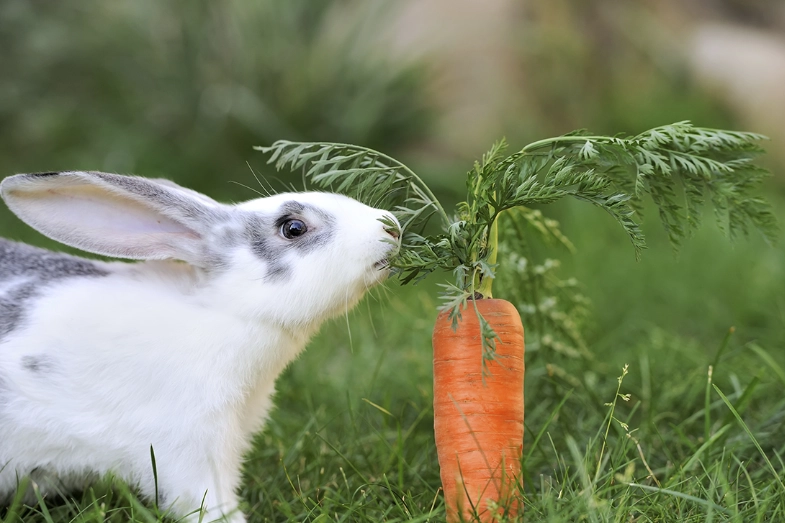
But here's the thing I learned the hard way, and what most new owners don't realize: that classic image is pretty much a nutritional fairy tale for real rabbits. It's not that the answer to "can rabbits have carrots" is a simple "no"—it's far more nuanced, and getting it wrong can lead to some serious health problems for your furry friend.
Let's get straight to the point you're here for. Yes, rabbits can have carrots. But—and this is a massive, crucial "but"—they should only have them as a very occasional treat in tiny amounts. They are not a staple food. Thinking of carrots as a main course for your bunny is like thinking of cake as a main course for a kid. It might be enjoyable, but it's not doing their health any favors.
The Core Truth: Feeding carrots incorrectly is one of the most common mistakes rabbit owners make. It stems from a cultural myth, not from proper rabbit dietary science.
What Should a Rabbit Really Eat? The Diet Pyramid
To understand where carrots fit in, you first need to see the whole picture. A rabbit's digestive system is a finely tuned fermentation machine, designed for one main thing: processing huge amounts of fiber. When you ask "can rabbits have carrots," you're really asking about a tiny piece at the very top of their dietary needs.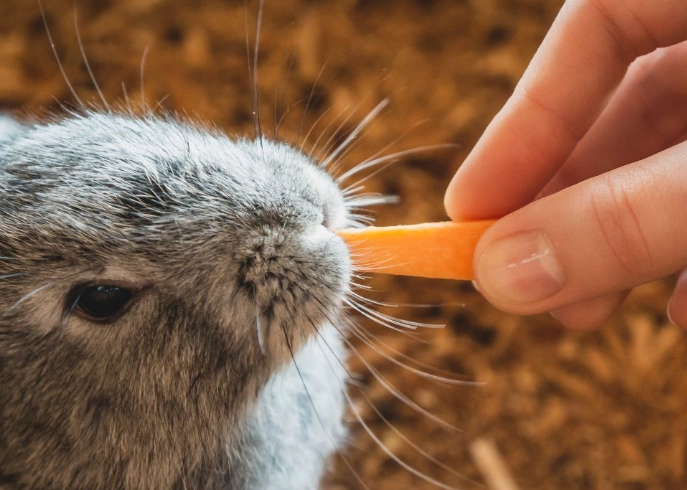
Here’s the real breakdown, the stuff that should form 99% of your rabbit's diet:
- Unlimited Grass Hay (80-90% of their diet): This is non-negotiable. Timothy hay, orchard grass, meadow hay—this should be available 24/7. It's essential for wear on their ever-growing teeth and for keeping their gut moving. Hay is everything.
- Fresh Leafy Greens (10-15% of their diet): A packed cup of mixed greens per 2 lbs of body weight daily. Think romaine lettuce, kale (sparingly), cilantro, parsley, dandelion greens (unsprayed), and bok choy. This is where they get vital vitamins and moisture.
- High-Quality Pellets (5% or less): Just a small, measured amount daily. Look for pellets that are high in fiber (18% minimum) and plain, without the colorful seeds, corn, or treats mixed in.
- Fresh Water: Always available, changed daily, in a bowl (which is better than a bottle).
See where carrots are? They're not on that list. That's because they fall into a completely separate category: Occasional Treats & Non-Leafy Vegetables. This category should make up less than 1% of their total food intake. It's the sprinkle on top, not the meal.
Organizations like the Rabbit Welfare Association & Fund (RWAF) in the UK and the House Rabbit Society in the US are fantastic, evidence-based resources. They constantly stress the hay-first approach and provide clear guidelines that debunk the carrot-as-a-meal myth.
So, Can Rabbits Have Carrots? The Nitty-Gritty Details
Okay, let's zoom in on the carrot itself. Why is it such a problematic treat?
Carrots are root vegetables. What does that mean? They grow underground, storing energy for the plant. That stored energy comes in the form of sugars and starch. Compared to the leafy greens a rabbit is designed to eat, carrots are significantly higher in:
- Sugar: They taste sweet for a reason. Too much sugar disrupts the delicate bacterial balance in a rabbit's cecum (a part of their gut).
- Starch/Carbohydrates: These are harder for rabbits to process in large quantities and can lead to weight gain and GI slowdown.
Feeding too much carrot, too often, is a direct ticket to potential health issues. I learned this after Thumper started leaving behind softer, misshapen droppings—a sign of GI upset. My vet asked about his diet, and when I proudly mentioned his daily carrot piece, she just sighed. "That's likely the culprit," she said. We cut out the carrots for two weeks, and his digestion went right back to perfect. It was a wake-up call.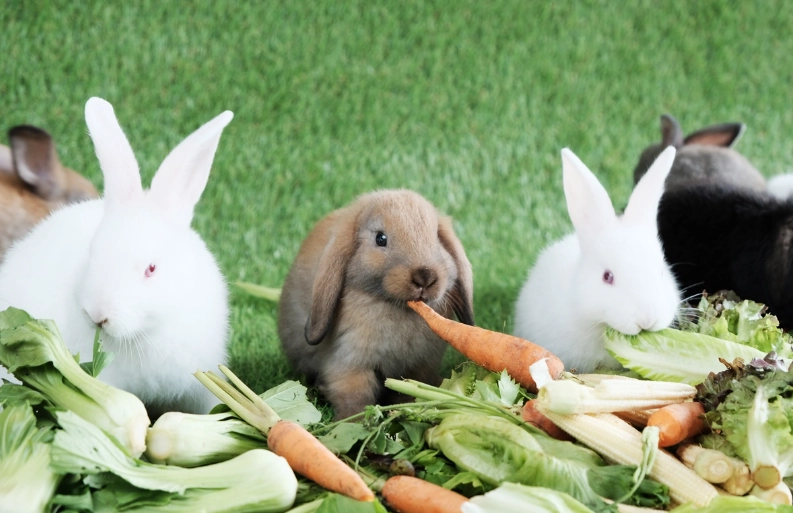
How Much Carrot is Safe? The Portion Rule
This is the most practical part. If you still want to give your bunny the occasional carrot treat (and let's be honest, it's a fun bonding moment), you must follow strict portion control.
A safe serving of carrot is about one to two thin round slices (about the thickness of a coin) or a one-inch strip, no more than once or twice a week. Not per day. Per week.
Think of it as a cookie. You wouldn't give your kid a plateful of cookies every day. A single small cookie as a Friday treat? That's more like it.
To make it super clear, here’s a quick guide based on rabbit size:
| Rabbit Size | Example Breed | Maximum Safe Carrot Treat (per serving) | Max Frequency |
|---|---|---|---|
| Small (under 3 lbs) | Netherland Dwarf, Polish | 1 thin coin slice (~5g) | Once a week |
| Medium (3-6 lbs) | Dutch, Mini Rex | 1-2 thin coin slices (~10g) | 1-2 times a week |
| Large (6+ lbs) | Flemish Giant, Checkered Giant | 2 thin coin slices or a 1" strip (~15g) | 1-2 times a week |
The key is moderation. This tiny amount lets them enjoy the flavor and crunch without overloading their system with sugar.
What Happens If a Rabbit Eats Too Many Carrots?
This isn't just about a little tummy ache. The consequences of regularly overfeeding carrots (or other sugary treats) can be serious and expensive. Here’s what you're risking:
- Gastrointestinal (GI) Stasis: This is the big one, and it's a life-threatening emergency. The wrong diet slows down or stops the gut's movements. Symptoms include no fecal pellets, lethargy, hunched posture, and loss of appetite. It requires immediate vet care.
- Obesity: Rabbits pack on weight easily. Excess sugar and carbs from daily carrots turn into fat. An overweight rabbit has stress on its joints, heart, and liver.
- Dental Problems: While the crunch can help, the high sugar content can contribute to tooth decay if hay intake isn't sufficient to wear down teeth properly. Rabbit teeth never stop growing.
- Disrupted Cecal Microbiome: The good bacteria in their gut get overwhelmed by sugar, leading to an overgrowth of bad bacteria. This causes diarrhea, bloating, and pain.
Seeing a rabbit in GI stasis is heartbreaking. They go from lively and curious to a quiet, painful ball of fur. Much of this is preventable through diet.
Carrot Tops vs. Carrot Roots: A Big Difference
Now here's a fun twist! While we're being so careful with the orange root, the green leafy tops are a different story. Can rabbits have carrot tops? Yes, and they're actually a much healthier option!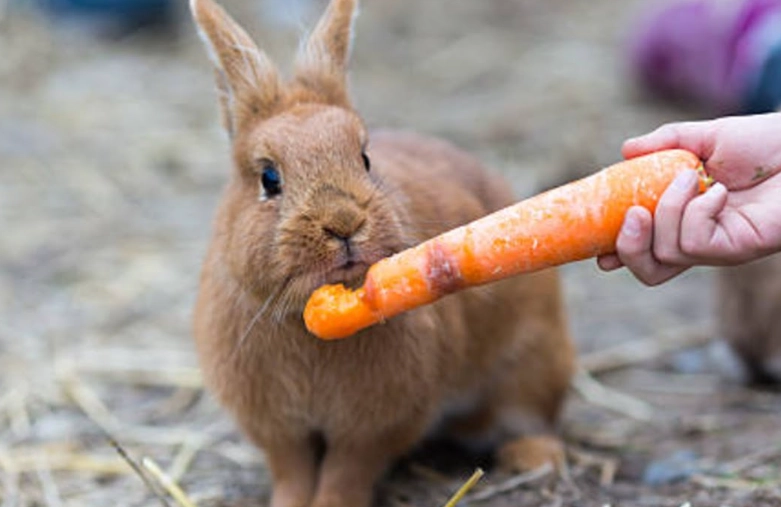
Carrot tops (the frilly green leaves) are leafy greens. They are low in sugar and high in fiber, making them a great occasional addition to your rabbit's daily salad mix. My rabbits go wild for them. Just wash them thoroughly to remove any pesticides.
It's ironic, isn't it? The part we humans throw away is the better treat for the bunny. So if you buy carrots with the tops on, you can use the root sparingly for yourself and give the greens to your rabbit as part of their veggie rotation.
Pro Tip: Always introduce any new food, including carrot tops, slowly. Start with a small piece and watch their droppings for the next 24 hours to ensure no soft stool or digestive upset.
Better Than Carrots: Healthy Treat Alternatives
If you want to give your rabbit a treat (and who doesn't?), there are far better options than carrots. These are lower in sugar and safer when given in appropriate amounts.
Top Treat Choices (give sparingly, about a teaspoon-sized amount):
- Fresh Herbs: Basil, mint, dill, cilantro. My bunnies adore basil.
- Other Safe Veggie Pieces: A small slice of bell pepper (any color), a broccoli floret (can cause gas in some, so introduce carefully), a green bean.
- Occasional Fruit: These are also high in sugar, so think tiny amounts. A single blueberry, a thin slice of apple (no seeds), or a small strawberry top once a week.
- The Best Treat of All: Foraging! Pick safe, unsprayed dandelion leaves, plantain, or clover. It's free, enriching, and natural.
Honestly, sometimes the best "treat" isn't food at all. A new cardboard box to explore, a willow ball to chew, or some dedicated petting time can make your rabbit just as happy.
Answering Your Burning Questions (FAQ)
Can baby rabbits (kits) have carrots?
No. Absolutely not. Baby rabbits have incredibly sensitive digestive systems. Their diet until about 12 weeks should consist solely of their mother's milk and alfalfa hay (which is higher in protein and calcium for growth). Introducing vegetables, especially sugary ones like carrots, too early can cause fatal digestive issues. Wait until they are at least 12 weeks old, and then introduce leafy greens one at a time, slowly. Hold off on treats like carrots until they are fully mature (around 6-7 months).
My rabbit ate a whole carrot! What do I do?
Don't panic, but monitor closely. Remove all other treats and sugary foods. Ensure they have unlimited hay and fresh water to help their gut process the unusual load. Watch their behavior and droppings like a hawk for the next 24-48 hours. Are they eating their hay? Are their poops normal, firm, and round? If they stop eating, producing fewer or no droppings, or seem lethargic, contact your vet immediately. One incident might be okay, but it definitely shouldn't happen again. Secure your treat bag!
Are cooked or canned carrots okay?
No. Never feed cooked, canned, pickled, or processed carrots to your rabbit. Cooking breaks down fiber and can concentrate sugars. Canned carrots are often packed in syrup or salt water. Rabbits need raw, fresh, plain vegetables. Stick to the raw, thin slice rule.
What about other root vegetables like parsnips or sweet potatoes?
Treat them with the same extreme caution as carrots—they are all starchy, sugary roots. The same tiny, coin-slice, once-a-week rule applies, if you offer them at all. I generally avoid them and stick to the safer leafy and herbal treats.
How do I transition my carrot-obsessed rabbit to a healthier diet?
This requires patience. If your rabbit is used to getting carrots daily, go cold turkey on the carrot. Replace that expectation with a small piece of a healthier alternative from the list above (like a sprig of cilantro). Most importantly, flood their environment with high-quality hay. Try different types (orchard grass, botanical hay) to find their favorite. Hide pellets in hay piles to encourage foraging. The goal is to make hay the most interesting and available thing. They will adjust.
Putting It All Together: A Simple Action Plan
Let's wrap this up with a clear, actionable plan so you leave knowing exactly what to do.
- Reframe Your Thinking: Erase the Bugs Bunny image. Your rabbit is a hay-eating machine, not a carrot cruncher.
- Check Your Current Routine: Are you feeding carrots daily or in large chunks? If yes, stop today.
- Stock the Staples: Ensure an endless supply of fresh grass hay is the centerpiece of their cage or pen. Provide daily leafy greens and a small, measured portion of plain pellets.
- Treat Wisely: If you want to give a carrot, make it a celebration treat—a tiny slice no more than once a week. Consider using the tops instead of the root.
- Explore Better Treats: Experiment with fresh herbs and other low-sugar veggies. See what your bunny loves.
- Observe: Your rabbit's health is in their droppings. Consistent, round, firm fecal pellets mean a happy gut. Any change is your first clue something's off.
Writing this makes me think back to Thumper and my early mistake. I wish I'd had a clear guide like this back then. It would have saved us both some stress. The goal isn't to never give your rabbit a moment of carrot joy; it's to be the informed owner who knows that their long-term health and happiness depend on what's in their bowl every single day, not on the occasional treat.
So, can rabbits have carrots? You're now the expert. You know the safe, responsible way to answer that question. Your bunny's healthy hops and years of companionship will be the real reward.
Comment