Quick Navigation
- What Exactly Is a Holland Lop Rabbit?
- The Holland Lop Personality: More Than Just Cute
- The Complete Holland Lop Care Guide
- Common Holland Lop Health Issues to Watch For
- Finding Your Holland Lop: Breeder, Rescue, or Shelter?
- Your Holland Lop Questions, Answered
- Final Thoughts: Is a Holland Lop Right for You?
Let's be honest, the first time you see a Holland Lop rabbit, it's hard not to melt a little. Those droopy ears, that compact little body, the look of perpetual curiosity. They're often the poster bunnies for cute, and for good reason. But I've been around rabbits for years, and I can tell you there's so much more to these little creatures than just a pretty face. Getting a Holland Lop is a big decision, one that comes with a decade or more of responsibility. So, before you fall head over heels for a photo online, let's really dig into what life with a Holland Lop is actually like.
This isn't just a quick breed summary. I want to walk you through everything—the good, the challenging, the downright messy parts. We'll talk about their quirky personalities (which can vary wildly), the real costs you might not expect, and how to set up a home where they'll truly thrive, not just survive. I've made mistakes myself, like underestimating how much space they really need to be happy, and I hope this guide helps you avoid those.
What Exactly Is a Holland Lop Rabbit?
So, what makes the Holland Lop so special? They're a dwarf breed, which is key to understanding their needs. Developed in the Netherlands (hence the "Holland" part) by a breeder named Adriann de Cock in the 1950s, he aimed to create a miniature French Lop with those iconic lopped ears. The result was officially recognized by the American Rabbit Breeders Association (ARBA) in 1979 and they've been winning hearts ever since.
The breed standard is specific. According to the ARBA, a show-quality Holland Lop should have a compact, muscular body that's short and wide. The head is bold and set close to the shoulders. And of course, those ears. They should lop down tightly to the side of the head, with the openings facing inward. The crown (the top of the head where the ears base) is a major point in shows—it should be strong and well-defined.
The Look: They have a "mandolin" body shape when viewed from the side. They're not long and lean like some breeds; they're cobby and solid. Their maximum ideal weight is only 4 lbs (about 1.8 kg), which really drives home their small size. Coat colors and patterns are incredibly varied, from solid blacks and blues to broken patterns (like the classic white with colored spots), tri-colors, and shaded varieties like sable point.
But here's a personal observation: not every Holland Lop you meet will be a perfect show specimen. Many have ears that don't lop perfectly until they're older (or sometimes one ear might even stay up, which is charmingly called a "helicopter" ear), or they might be a tad over the weight limit. These "pet-quality" Holland Lops are just as wonderful and often come from the same loving breeders. Their personality isn't determined by how perfect their crown is.
The Holland Lop Personality: More Than Just Cute
This is where people get surprised. The stereotype is that all Holland Lops are docile, cuddly lap bunnies. Sometimes that's true. I've met some that are absolute teddy bears, content to flop next to you for hours. But I've also met some that are tiny, furry tornadoes of energy and sass.
Generally, they are known for being friendly, playful, and curious. They are often more outgoing than some other dwarf breeds. But "friendly" in rabbit terms doesn't always mean "cuddly." Many Holland Lops express their affection by following you around, nudging your feet for treats, or doing joyful binkies (those crazy mid-air jumps and twists) around the room. They might tolerate being held for short periods, but most prefer to have all four feet on the ground. Forcing cuddles is a surefire way to damage trust.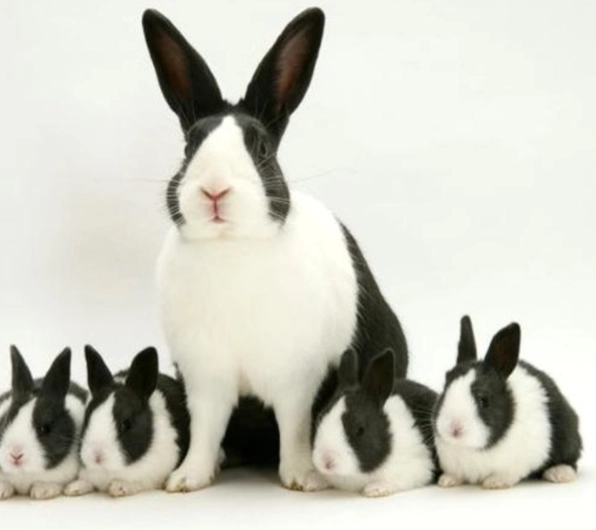
A Reality Check: They can be stubborn. Litter training is usually successful, but they might decide one corner of the room is suddenly more appealing than their box. They are also diggers and chewers by nature. Your baseboards, charger cables, and favorite books are not safe unless you actively manage their environment. This isn't them being bad; it's just them being rabbits.
Their intelligence is often underestimated. They can learn their names, come when called (especially if a treat is involved), and navigate complex obstacle courses. This intelligence means they need mental stimulation. A bored Holland Lop is a destructive Holland Lop.
The Complete Holland Lop Care Guide
Alright, let's get practical. If you decide a Holland Lop rabbit is for you, here’s how to set them up for a long, healthy, and happy life. This is the stuff that really matters day-to-day.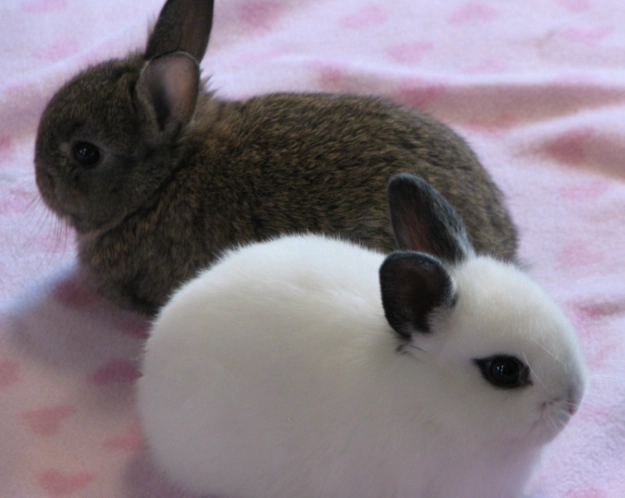
Housing: Bigger is Always Better
Forget the tiny pet store cages. They are insufficient, full stop. A Holland Lop may be small, but their need for space is huge. The Humane Society of the United States recommends a minimum enclosure space of at least 8 square feet, plus significant time outside the enclosure for exercise every day.
My strong recommendation? Go for an exercise pen (x-pen) setup or a large, customized condo. This gives them room to hop, stretch, and play even when you're not home to supervise free-roam time. The enclosure should contain:
- A spacious litter box (cat-sized is good) filled with rabbit-safe litter (paper-based, aspen shavings—avoid pine, cedar, or clumping cat litters).
- A sturdy hidey-house where they can feel completely secure and unseen.
- Heavy ceramic food and water bowls (tip-proof is key). A water bottle can be a backup, but bowls are more natural and allow for better hydration.
- Plenty of hay readily available at all times.
- Safe toys for chewing and tossing.
When you're home and able to supervise, letting your Holland Lop have free run of a rabbit-proofed room or area is the gold standard. This is where their personality really shines.
Diet: The Hay is the Way
This is the cornerstone of their health. Get the diet wrong, and you'll face serious digestive and dental issues. The breakdown is simple but non-negotiable.
| Food Type | Percentage of Diet | Key Details & Notes |
|---|---|---|
| Unlimited Grass Hay | 80-90% | Timothy hay is best for adults. Alfalfa hay is too rich in calcium and protein for adult rabbits and should only be for babies. Hay keeps their ever-growing teeth worn down and their gut moving. It should always be fresh, sweet-smelling, and available. |
| Fresh Leafy Greens | 10-15% | About 1 packed cup per 2 lbs of body weight daily. Rotate varieties: romaine, green leaf lettuce, cilantro, parsley, dandelion greens (pesticide-free), bok choy. Introduce new greens slowly to avoid gas. Avoid iceberg lettuce (no nutritional value) and certain greens like kale in large daily amounts due to oxalates. |
| High-Quality Pellets | 5% or less | A measured amount daily, not a free-feed bowl. For an adult Holland Lop, about 1/8 to 1/4 cup of plain, timothy-based pellets (no colorful bits, seeds, or dried fruit mixed in). Look for pellets with at least 18% fiber. The ASPCA's rabbit diet guidelines are a great resource for balance. |
| Treats (Fruit/Veg) | Very small amounts | Think of fruit as candy. A tiny slice of banana, a blueberry, or an apple cube once or twice a week is plenty. Too much sugar leads to obesity and gut imbalance. |
Water Tip: Always provide fresh, clean water. Change it daily and wash the bowl regularly to prevent bacterial slime. Dehydration is a serious risk for rabbits.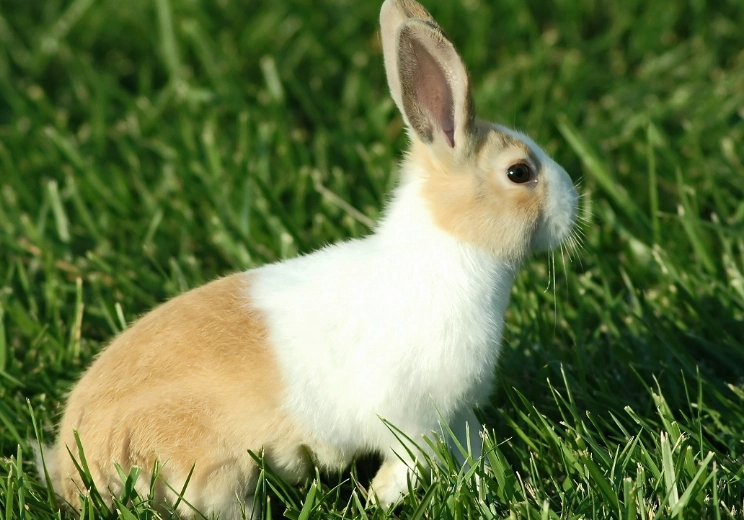
Grooming & Maintenance
Holland Lops have a medium-length, rollback coat that's fairly easy to care for. But they are not no-maintenance pets.
- Brushing: Weekly brushing is usually fine. During shedding seasons (which can be surprisingly intense), you'll need to brush daily to prevent them from ingesting too much fur, which can cause deadly blockages called GI stasis. A slicker brush and a fine-toothed comb work well.
- Nail Trimming: This is essential every 4-6 weeks. Overgrown nails can curl and hurt their feet. It can be tricky, so ask your vet or a groomer to show you how the first time. Use small animal nail clippers and have styptic powder on hand just in case.
- Ear Checks: Those beautiful lopped ears can trap moisture and wax. Check them weekly for any redness, odor, or excessive buildup. Clean only if needed with a rabbit-safe ear cleaner on a cotton pad—never go deep into the ear canal.
- Bathing: Never bathe a rabbit. It's extremely stressful and can lead to shock or hypothermia. Spot clean soiled areas with a damp cloth if absolutely necessary.
Common Holland Lop Health Issues to Watch For
Being a dwarf breed, Holland Lops are predisposed to certain health problems. A good breeder will screen for these, but being aware helps you catch issues early.
"The compact skull shape of dwarf breeds like the Holland Lop makes them prone to dental issues. Their teeth don't always align perfectly, leading to overgrowth that requires regular filing by a vet."
Here are the main ones:
- Dental Problems (Malocclusion): This is the big one. Their teeth grow continuously. If the teeth don't meet correctly (malocclusion), they can develop sharp points, spurs, or overgrow, making eating painful. Signs include drooling, dropping food, weight loss, and reduced appetite. This requires regular veterinary dentistry.
- Gastrointestinal (GI) Stasis: This is a silent killer and every rabbit owner's biggest fear. It's when the gut slows down or stops moving. Causes include stress, pain, dehydration, or a diet too low in fiber. Signs are small or no fecal pellets, hunched posture, lethargy, and grinding teeth (a sign of pain). This is a life-threatening emergency requiring immediate vet care.
- Ear Infections (Otitis): Those lopped ears have reduced air circulation. Keep them dry and clean. Head tilting, scratching, or discharge are red flags.
- Respiratory Issues (Snuffles): Symptoms are like a cold in humans: sneezing, nasal discharge, matted front paws from wiping the nose. It's often caused by the bacteria *Pasteurella multocida* and needs antibiotic treatment.
- Sore Hocks (Pododermatitis): If they spend too much time on hard or wet surfaces, the fur on their hocks can wear away, leading to painful sores. Provide soft, dry resting areas.
The single most important thing you can do for your Holland Lop's health is to find an exotic veterinarian who specializes in rabbits before you have an emergency. Regular check-ups (at least once a year) are crucial.
Finding Your Holland Lop: Breeder, Rescue, or Shelter?
This is a critical ethical choice. I have strong feelings here.
Reputable Breeders: A good breeder focuses on health and temperament, not just color. They will:
- Raise kits (baby rabbits) in a home environment, handling them daily.
- Show you the mother (and ideally the father) rabbit.
- Ask you as many questions as you ask them.
- Provide a health guarantee and detailed care instructions.
- Not sell babies before 8 weeks of age.
- Be registered with the ARBA and actively show their rabbits to prove they meet the breed standard.
They are not the cheapest option, but you are paying for generations of careful breeding and a healthy start in life.
Rescues and Shelters: This is where my heart is. So many wonderful Holland Lops and Holland Lop mixes end up in shelters because people didn't understand the commitment. Adopting gives a second chance. Adult rabbits have established personalities, so you know exactly what you're getting. They are often already spayed/neutered and litter-trained. Organizations like House Rabbit Society have a national network of affiliates with rabbits for adoption. Please, check here first.
Pet stores? I'd avoid them. The rabbits often come from large-scale commercial breeding mills (similar to puppy mills) where health and socialization are not priorities.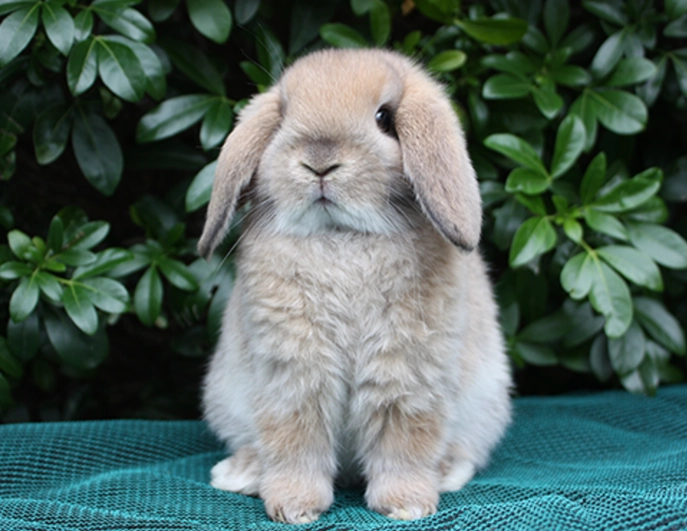
Your Holland Lop Questions, Answered
I get asked these all the time. Let's tackle them head-on.
Are Holland Lops good pets for children?
This is tricky. They can be, but with major caveats. They are fragile—a dropped rabbit can break its back. They often don't like being picked up or held tightly, which is exactly what young children want to do. A Holland Lop is a better pet for a child who is calm, gentle, and supervised by a very involved adult who is the rabbit's primary caretaker. The rabbit should be for the family, not solely for the child.
How long do Holland Lops live?
With excellent care, a lifespan of 7 to 12 years is common. Some even live longer. This is a decade-long commitment, similar to a dog. It's something to seriously consider before bringing one home.
Do Holland Lop rabbits need a friend?
Rabbits are social animals. In the wild, they live in complex groups. A single rabbit can become lonely and depressed, even with lots of human attention. The ideal setup is a bonded pair of neutered/spayed rabbits. They groom each other, sleep together, and keep each other company. Bonding takes patience and a proper introduction process, but it's incredibly rewarding to see. A pair of Holland Lop rabbits can be double the joy.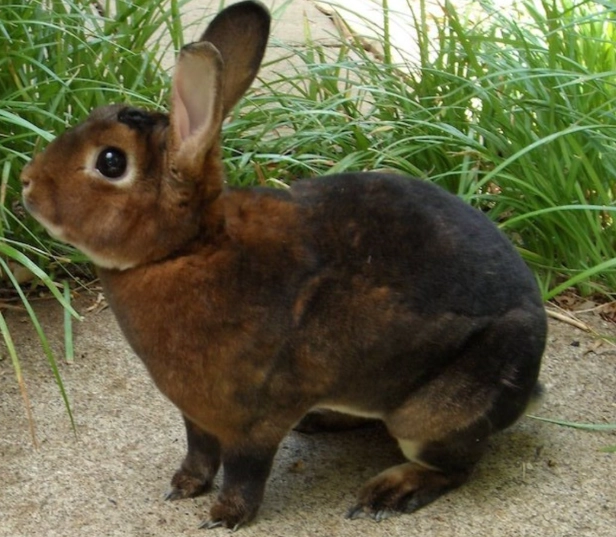
Can Holland Lops live outdoors?
I strongly advise against it. Outdoor rabbits face threats from predators (even with a secure hutch), extreme temperatures, flies (which can cause deadly flystrike), and loneliness. They are easily forgotten. An indoor Holland Lop is part of the family, gets more interaction, and is safer. If it must be outdoors, the housing must be predator-and weather-proof, spacious, and they absolutely need a bonded companion.
Are they expensive to care for?
The initial setup can cost several hundred dollars (pen, hideouts, litter boxes, carrier). Monthly costs for food, hay, and litter are manageable. The big variable is vet care. Exotic vets are more expensive, and emergencies (like GI stasis surgery) can easily cost over $1,000. Having a savings fund or pet insurance for your rabbit is a smart move.
Final Thoughts: Is a Holland Lop Right for You?
After all this, where do you stand? Holland Lop rabbits are enchanting, funny, and deeply rewarding pets for the right person. They're not low-maintenance, they're not always cuddly, and they will challenge you. But the moment your Holland Lop chooses to flop down contentedly next to you, or greets you with an excited circle around your feet, all the work feels worth it.
They demand a proactive owner—someone who rabbit-proofs diligently, provides a hay-centric diet, seeks out a specialized vet, and values their companionship on their terms. If you're looking for a quiet, interactive, and long-lived companion and are ready for the responsibility, a Holland Lop might just be your perfect match. Do your research, consider adoption, and get ready for a wonderful journey with these incredible little creatures.
I hope this guide has been honest and helpful. It comes from years of love for these animals, and a hope that every Holland Lop finds a home that truly understands them.
Comment