Quick Navigation
Okay, let's get this straight once and for all. That fluffy thing in your backyard? It's probably a rabbit. That lightning-fast streak you saw blur across a field? Might have been a hare. Most of us use the words interchangeably, and I totally get it. They look similar, they hop, they've got those big ears. But once you start paying attention, the differences between a hare and a rabbit aren't just interesting—they're fundamental, shaping everything from where they live to how they raise their young. I remember the first time I really saw a hare, not just a glimpse, but watched it for a while. It was bigger, leaner, and had this wild, alert look that my friend's pet rabbit just didn't possess. It clicked for me then. This guide is my attempt to share that click, to unravel the hare rabbit confusion, and give you a solid, useful resource whether you're just curious or thinking of bringing a bunny into your home.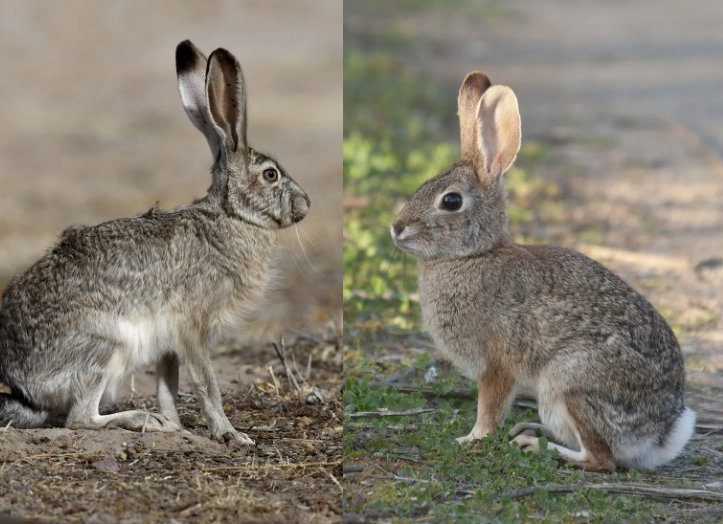
We're going to dig into the biology, the behavior, and the realities of care. I'll be honest, some rabbit care guides out there are way too sugar-coated. Having volunteered at a small animal rescue, I've seen the consequences of impulsive pet purchases. It's not all cute nose twitches and gentle cuddles. So we'll cover the good, the bad, and the chewed-up baseboards. By the end, you'll be able to spot the difference between a hare and a rabbit from a mile away, and you'll have a brutally honest look at what pet rabbit ownership really entails.
The Great Divide: Hare vs. Rabbit, Side-by-Side
Let's cut through the noise. The easiest way to see the difference is a direct comparison. It's more than just "wild" vs. "domesticated"—there are wild rabbits too! The distinctions are baked into their very bodies and instincts.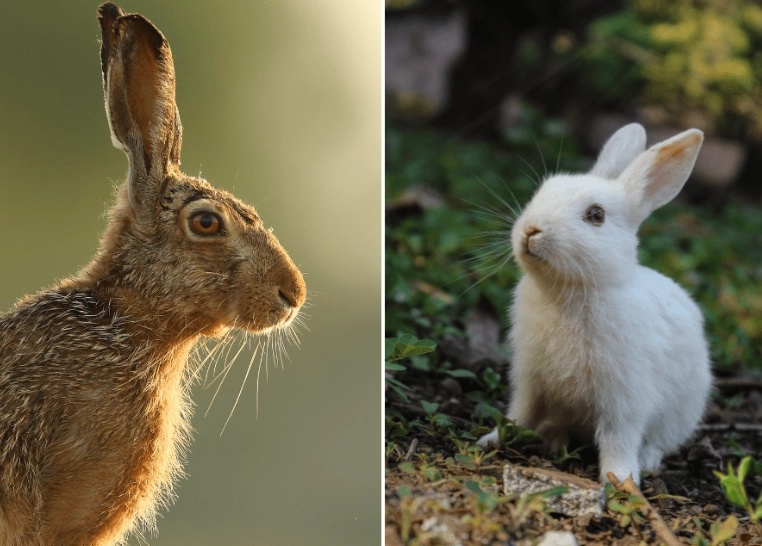
| Trait | Hare | Rabbit |
|---|---|---|
| Size & Build | Larger, longer body. Longer legs and ears. Lean, athletic build built for speed and endurance. | Generally smaller, more compact body. Shorter legs and ears relative to body size. Rounder, softer appearance. |
| Birth & Young | Precocial. Babies (called leverets) are born fully furred, eyes open, and ready to move within a short time. They are left in shallow depressions (forms). | Altricial. Babies (kits) are born hairless, blind, and completely helpless. They are born in fur-lined nests, often in burrows. |
| Habitat & Shelter | Prefers open spaces: meadows, prairies, tundra. Relies on speed and camouflage. Does not dig burrows. Lives above ground in "forms." | Prefers areas with cover: woodlands, brush, gardens. Digs extensive burrow systems (warrens) for safety, sleeping, and raising young. |
| Social Life | Mostly solitary. Comes together for mating but is largely a lone wanderer. | Social, living in colonies within warrens. Has complex social hierarchies and behaviors. |
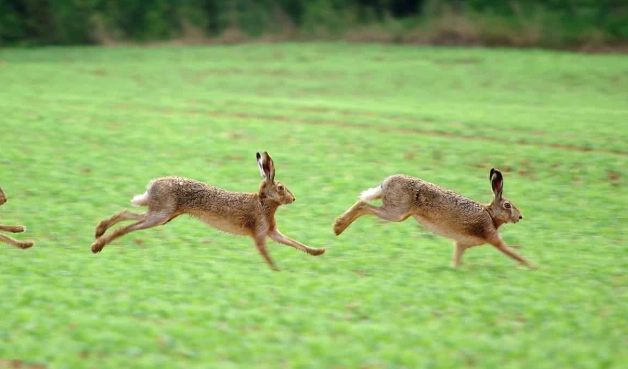
| Defense Strategy | Run! Primary defense is incredible speed (up to 45 mph for some species) and zig-zag running. | Hide! Primary defense is freezing, then darting to the safety of nearby brush or a burrow. |
| Skull & Anatomy | Has a distinctive divide in the bone above the upper incisors (a key identifier for biologists). | Lacks the pronounced interparietal bone division seen in hares. |
See what I mean? They've evolved different rulebooks for survival. The hare is the marathon runner who lives alone in the open, babies born ready for action. The rabbit is the community-oriented engineer who builds underground cities for its vulnerable young. Calling a hare a rabbit is like calling a cheetah a house cat. Sure, they're both felines, but the lifestyle? Worlds apart.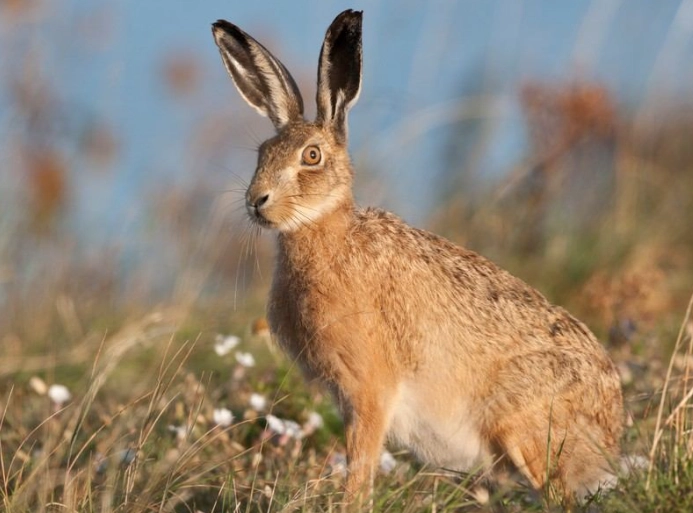
One of my favorite examples is the snowshoe hare. Its name comes from its huge hind feet that act like snowshoes in winter. It's a classic hare—solitary, living above ground, and famous for its seasonal coat change from brown to brilliant white. You'd never find a rabbit with that specific adaptation.
Thinking About a Pet Rabbit? The Unfiltered Truth
This is where the "hare rabbit" conversation gets practical for most people. You're not adopting a hare (it's illegal and a terrible idea—they're not domesticated). You're considering a pet rabbit. And let me tell you, they are fantastic pets... for the right person. They are also a decade-long commitment of time, money, and patience. I've talked to too many people who got a cute "Easter bunny" only to realize it wasn't a low-maintenance pet.
What a Rabbit Really Needs (Spoiler: It's Not Just a Cage)
Forget the tiny, wire-bottomed cages sold at pet stores. A healthy, happy rabbit needs space. The Rabbit Welfare Association & Fund (RWAF) in the UK, a highly respected authority, advocates for a housing approach centered on free-roaming or having a large, permanent pen attached to a secure shelter. The idea of a cage as a full-time home is outdated and can lead to health and behavioral issues.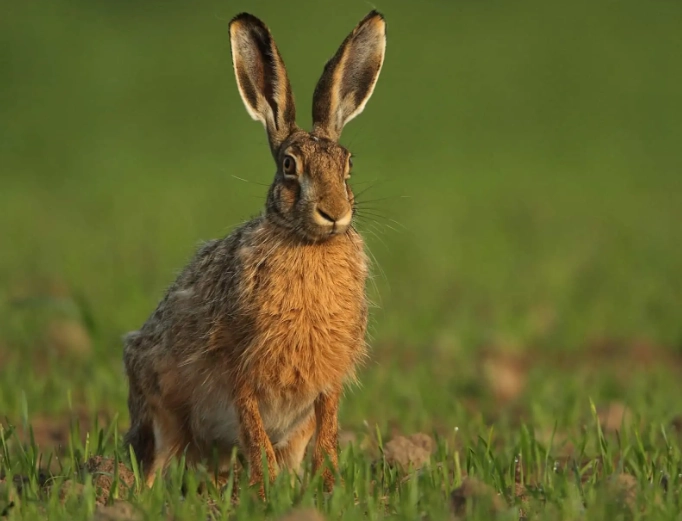
Here’s a breakdown of the non-negotiable essentials:
- Space to Run: They need room to hop, skip, and jump—at least a few full-bodied hops in any direction. Confinement leads to boredom, obesity, and weak bones.
- Mental Stimulation: Rabbits are clever. They need toys to toss, puzzles (like treat balls), cardboard castles to destroy, and things to dig at in a controlled way.
- The Right Diet (This is Critical): This is where many owners go wrong. A rabbit's diet should be 80-90% high-quality grass hay (Timothy, Orchard, Meadow). Not alfalfa (too rich for adults). Hay wears down their constantly growing teeth and keeps their gut moving. Fresh leafy greens (romaine, kale, herbs) come next. Pellets are a supplement, not the main course. And fruits or carrots? Tiny, occasional treats. Too much sugar causes serious digestive problems.
- Litter Training: The good news! Rabbits can be litter trained surprisingly well, especially if they are spayed or neutered. It makes sharing your home with them much more pleasant.
Common Health Issues You Can't Ignore
Rabbits are masters at hiding illness. You have to be a detective. Regular check-ups with an exotic animal vet (not all vets see rabbits) are mandatory. Common problems include:
- GI Stasis: The number one killer of pet rabbits. Their gut stops moving. It's an emergency. Symptoms include no eating, no pooping, and lethargy. Prevention is all about that high-fiber hay diet.
- Dental Problems: Their teeth never stop growing. A poor diet (not enough hay to grind them down) or genetic issues can cause painful overgrowth and abscesses.
- Respiratory Infections: Snuffles (pasteurellosis) is common. Look for sneezing, nasal discharge, and matted fur on front paws from wiping the nose.
- Pododermatitis (Sore Hocks): Sores on the bottom of the feet, often from living on wire or hard, wet surfaces. Another reason proper flooring is crucial.
Having a vet fund is not optional. Surgeries for spaying/neutering (which reduces cancer risk and improves behavior) or treating blockages can be expensive.
Wild Hare Habits and Conservation
While we bring rabbits into our homes, hares remain iconic symbols of the wild. Understanding them means respecting their role in the ecosystem. Hares are important prey animals for foxes, coyotes, birds of prey, and lynx. Their population cycles can even influence the health of predator populations.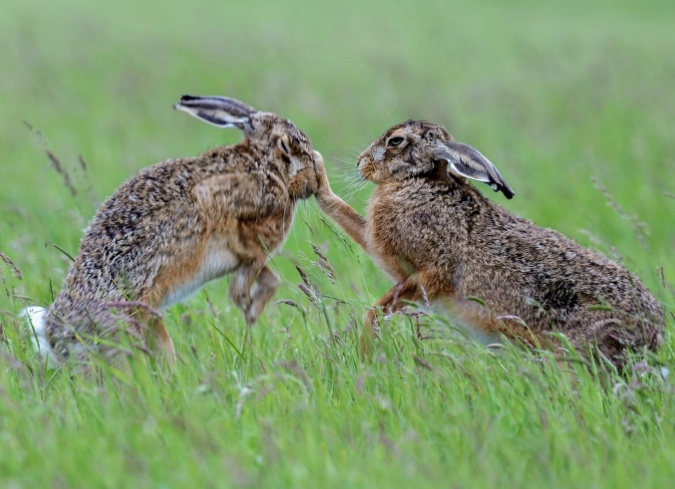
Some hare species face challenges. The status of different hare populations varies globally. For the most accurate, region-specific conservation status, it's best to consult local wildlife authorities. For example, in North America, you can find detailed information on species like the snowshoe hare through resources like the U.S. Fish and Wildlife Service. Habitat loss due to agriculture and urban development is a common threat. Climate change poses a specific risk to species like the snowshoe hare, whose white winter camouflage becomes a liability against increasingly snow-less backgrounds.
Observing hares in the wild is a privilege. If you're lucky enough to see one, keep your distance. Use binoculars. Remember, its primary defense is to run, and forcing it to flee wastes its precious energy, especially in harsh winters.
Your Hare and Rabbit Questions, Answered
Over the years, I've heard every question imaginable. Here are the ones that come up again and again.
Wrapping It All Up
So, the next time someone says "hare rabbit," you can gently enlighten them. The hare is the rugged, solitary athlete of the open plains. The rabbit is the social, burrowing engineer of the underbrush. One is a symbol of untamed wilderness, the other a domesticated companion with a complex set of needs.
If you're drawn to the idea of a pet rabbit, I urge you to do it right. Look past the cute photos. Visit a rescue (there are so many rabbits needing homes), talk to experienced owners, read resources from organizations like the Humane Society of the United States, and prepare your home and your wallet. It's a big decision.
And if you're just fascinated by the natural world, take a moment to appreciate the hare. Its speed, its adaptations, its sheer wildness. Understanding the difference deepens our appreciation for both. It's not just semantics; it's about seeing the unique story in every creature, whether it's bounding across a field or quietly nudging your hand for a piece of parsley.
Comment